Setup
The 2A3 EVO found a comfortable home on the lowest shelf of my Salamander rack. To optimize performance, I arranged three of Norman Varney's A/V RoomService large Equipment Vibration Protectors (EVPs) under the amp. I have found that the EVPs reduce noise and improve clarity without sacrificing dynamics or character; in this respect, they're better than various cork and rubber isolation options I've tried. Then I simply connected it to the rest of the system—see Associated Equipment for details—turned the system on, and started listening.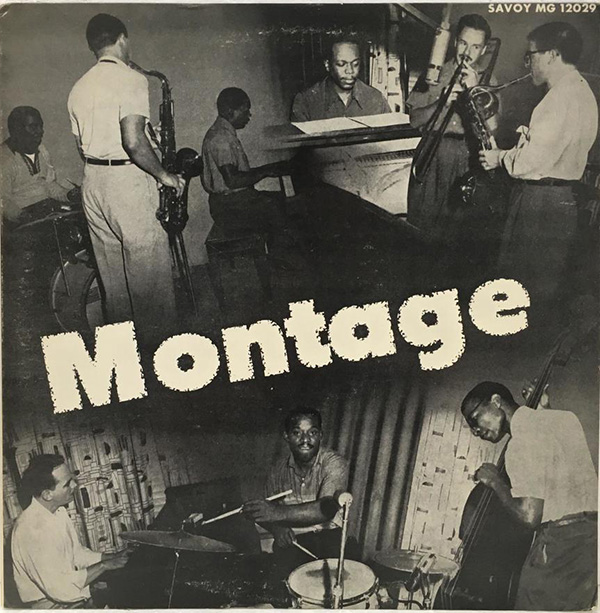 Listening
I began evaluating the 2A3 EVO with jazz new and old: Melissa Aldana's brand-new album Echoes of the Inner Prophet (2024, Blue Note 582774B); Montage (1955, Savoy MG-12029), which features separate tracks led by trombonist Eddie Bert, pianist John Mehegan, and trumpeter Donald Byrd, with appearances by Hank Jones, Kenny Clarke, and Paul Chambers among others; vocalist Helen Merrill's terrific self-titled debut (1955, EmArcy MG-30006); and Tower of Power's In the Slot (1975, Warner Bros. BS 2880).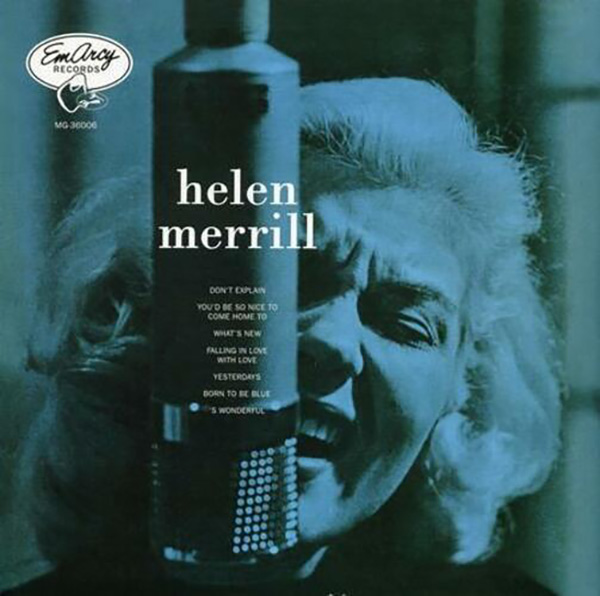 Similar to other SET amps I've heard, the 2A3 EVO brought fleshy textures, rich tonal color, a sense of naturalness—and, yes, flow, which I've found evades some SETs. For instance, the Art Audio Diavolo played with the expected SET bloom and fine tonal color but imparted a plasticky sheen to music, which grated over time, blunting a sense of flow. The 2A3 EVO did the opposite: Music breathed. It sounded sweet, round, voluptuous, as if the amp itself was relaxed, inviting me to sink deeper and lose myself in the sound. Its richness never dampened its clarity or the clarity of instrumental or vocal lines.
Paired with Gaboury's Heretic AD614 loudspeakers (specified at 97dB/2.83V/m, grilles off), the sound was deep and lush, pushing precision and excitement from the AD614's 12" coaxial driver with its treated-paper cone and 1" tweeter. Considering Gaboury's involvement in Triode Lab, it's hardly surprising that these two products worked well together.
Using the stock Electro-Harmonix 2A3 EHs, the 2A3 EVO traded ultimate detail for a rich-sounding whole. Though lacking ultimate treble extension and soundstage size, with these tubes the amp produced the essence of the music's flow, drawing me in as live music does, filling the room with a physical presence, free of etch or congestion. Unlike more analytical amps, the 2A3 EVO painted music as a rich, warm, colorfully toned picture. Instruments and voices on favorite LPs were imbued with color and brilliant textures, enveloping me like a warm summer breeze.
Similar to other SET amps I've heard, the 2A3 EVO brought fleshy textures, rich tonal color, a sense of naturalness—and, yes, flow, which I've found evades some SETs. For instance, the Art Audio Diavolo played with the expected SET bloom and fine tonal color but imparted a plasticky sheen to music, which grated over time, blunting a sense of flow. The 2A3 EVO did the opposite: Music breathed. It sounded sweet, round, voluptuous, as if the amp itself was relaxed, inviting me to sink deeper and lose myself in the sound. Its richness never dampened its clarity or the clarity of instrumental or vocal lines.
Paired with Gaboury's Heretic AD614 loudspeakers (specified at 97dB/2.83V/m, grilles off), the sound was deep and lush, pushing precision and excitement from the AD614's 12" coaxial driver with its treated-paper cone and 1" tweeter. Considering Gaboury's involvement in Triode Lab, it's hardly surprising that these two products worked well together.
Using the stock Electro-Harmonix 2A3 EHs, the 2A3 EVO traded ultimate detail for a rich-sounding whole. Though lacking ultimate treble extension and soundstage size, with these tubes the amp produced the essence of the music's flow, drawing me in as live music does, filling the room with a physical presence, free of etch or congestion. Unlike more analytical amps, the 2A3 EVO painted music as a rich, warm, colorfully toned picture. Instruments and voices on favorite LPs were imbued with color and brilliant textures, enveloping me like a warm summer breeze.
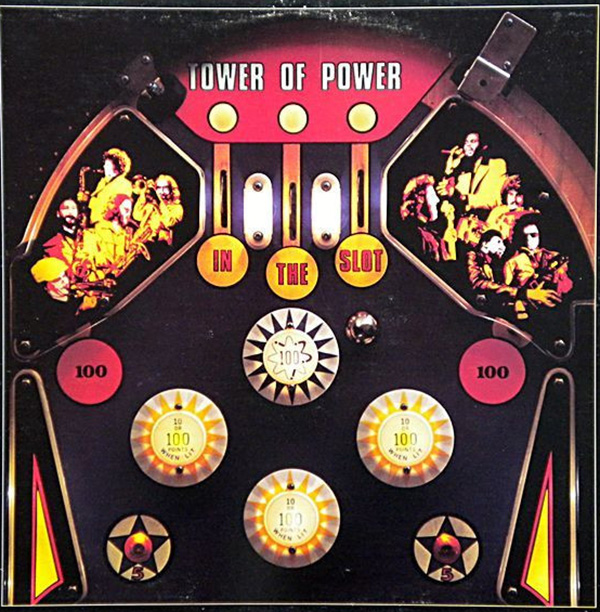 The 2A3 EVO portrayed rhythm with an unmissable liquidity. When I played Tower of Power's In the Slot, drummer David Garabaldi and bassist Francis Rocco Prestia Jr.'s powerful groove and interplay caught me up instantly, totally engrossed in the music, riding the flow state. There was no break in rhythm, only connection.
The 2A3 EVO reproduced bass as well as most tube amps I've had in house. Nothing was lacking; bass notes were deep, round, and weighty, if not the last word in lucidity or force.
This all held true on Helen Merrill's record. Merrill seems to float above the music in her own zone, her own sense of space and time.
The 2A3 EVO portrayed rhythm with an unmissable liquidity. When I played Tower of Power's In the Slot, drummer David Garabaldi and bassist Francis Rocco Prestia Jr.'s powerful groove and interplay caught me up instantly, totally engrossed in the music, riding the flow state. There was no break in rhythm, only connection.
The 2A3 EVO reproduced bass as well as most tube amps I've had in house. Nothing was lacking; bass notes were deep, round, and weighty, if not the last word in lucidity or force.
This all held true on Helen Merrill's record. Merrill seems to float above the music in her own zone, her own sense of space and time.
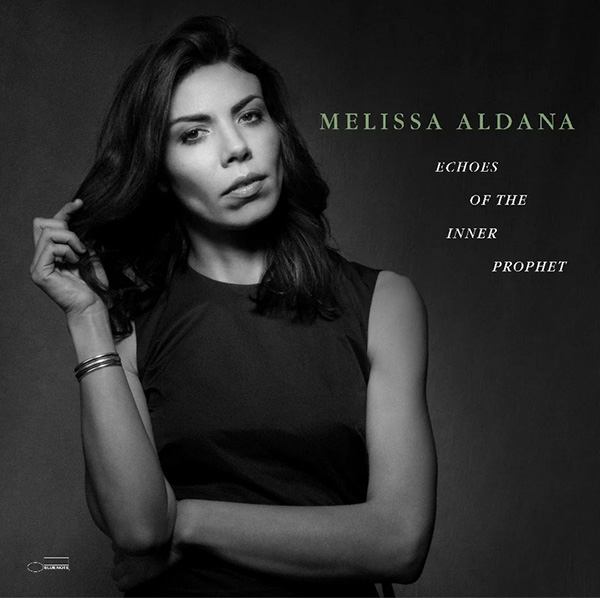 On Melissa Aldana's Echoes of the Inner Prophet, her tenor sax extended far into the room, full bodied and deliciously textured. Drummer Kush Abadey's brushwork was gritty and vibrant, the metal brushes on plastic drumhead beautifully resolved and easy to follow. The upper notes of Fabian Almazan's piano sparkled. Lage Lund's guitar had roundness, fullness, and bite. Treble was open and clear, mids lush but radiant, bass deep, tight, and full. The music was well balanced, chunky, and creamy, all at once. And communicative.
Why mess with a good thing? Because there were other tubes to try.
At first, the KR Audio 2A3s seemed to echo the Electro-Harmonix's warmth, but now the treble was more extended, the soundstage wider and taller. There was a bit more emphasis on the upper mids, making the music seem sharper. Acoustic bass played tighter, each note more distinct and powerful. The soundstage got a little flatter; bloom was traded for better separation. Abadey's brushwork grew cleaner, while Lund's guitar acquired more luster and a sharper edge. Aldana's tenor sax retained its intimacy while gaining sinew, as she worked her instruments full range from birdlike, high-pitched calls, to fat, belching lows that recalled Don Byas and Eddie "Lockjaw" Davis.
Herb's NOS RCA 2A3s brought about further transformation. The soundstage exploded in width and depth and revealed a wealth of detail in the expanded space, which previously was veiled. Treble notes were crisper and more energetic, while the upper bass tightened and gained focus and weight. Music became more human, more alive. A refreshing clarity brought instruments closer, revealing those subtle nuances superior musicians express. I felt closer to the musicians, at one with them in the studio.
It was time to trade the Heretics for Greg Roberts's Volti Audio Razzes, also specified at 97dB/2.83V/m (grilles off). Keeping Herb's RCA 2A3s in line, the Razzes further altered my perceptions. Scale increased. Aldana's tenor, Abadey's drums, and Lund's guitar were now close to life-size, and the soundstage was even wider and deeper. The space around the instruments increased. Where did those synths come from? I felt musicians performing in front of me. Aldana's music was more powerful.
Comparison
On Melissa Aldana's Echoes of the Inner Prophet, her tenor sax extended far into the room, full bodied and deliciously textured. Drummer Kush Abadey's brushwork was gritty and vibrant, the metal brushes on plastic drumhead beautifully resolved and easy to follow. The upper notes of Fabian Almazan's piano sparkled. Lage Lund's guitar had roundness, fullness, and bite. Treble was open and clear, mids lush but radiant, bass deep, tight, and full. The music was well balanced, chunky, and creamy, all at once. And communicative.
Why mess with a good thing? Because there were other tubes to try.
At first, the KR Audio 2A3s seemed to echo the Electro-Harmonix's warmth, but now the treble was more extended, the soundstage wider and taller. There was a bit more emphasis on the upper mids, making the music seem sharper. Acoustic bass played tighter, each note more distinct and powerful. The soundstage got a little flatter; bloom was traded for better separation. Abadey's brushwork grew cleaner, while Lund's guitar acquired more luster and a sharper edge. Aldana's tenor sax retained its intimacy while gaining sinew, as she worked her instruments full range from birdlike, high-pitched calls, to fat, belching lows that recalled Don Byas and Eddie "Lockjaw" Davis.
Herb's NOS RCA 2A3s brought about further transformation. The soundstage exploded in width and depth and revealed a wealth of detail in the expanded space, which previously was veiled. Treble notes were crisper and more energetic, while the upper bass tightened and gained focus and weight. Music became more human, more alive. A refreshing clarity brought instruments closer, revealing those subtle nuances superior musicians express. I felt closer to the musicians, at one with them in the studio.
It was time to trade the Heretics for Greg Roberts's Volti Audio Razzes, also specified at 97dB/2.83V/m (grilles off). Keeping Herb's RCA 2A3s in line, the Razzes further altered my perceptions. Scale increased. Aldana's tenor, Abadey's drums, and Lund's guitar were now close to life-size, and the soundstage was even wider and deeper. The space around the instruments increased. Where did those synths come from? I felt musicians performing in front of me. Aldana's music was more powerful.
Comparison
Another EVO, the PrimaLuna 400 EVO tubed integrated ($5995), is capable of outputting a whopping 38Wpc into 8 ohms. It produced a bigger soundstage, but it lacked the bloom and sweetness of tone the Triode Lab produced. The PrimaLuna was more energetic and produced more detail, yet somehow I felt less connected to the music—and that is something the PrimaLuna excels at. Compared to the 2A3 EVO, the music kept its distance. The PrimaLuna on paper has more to offer: It can drive a wider variety of speakers and power tubes, includes a headphone amp, a MM phono stage, remote, triode/ultralinear switching, more inputs, subwoofer, and tape outs. Nothing comes free!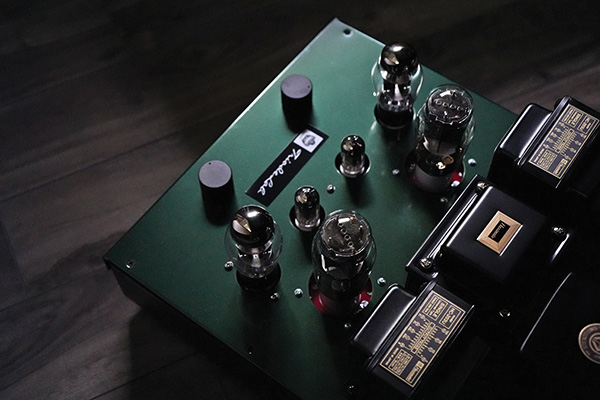 Conclusion
The Triode Lab 2A3 EVO isn't for everyone. Its 3.5Wpc power output will only drive sensitive speakers. In contrast to many modern integrated amplifiers, it lacks features like a built-in DAC, tone controls, room correction, etc. Some might consider the look utilitarian, though I consider it beautiful. But when used in the right system with the right high-sensitivity speakers, it excels where it matters most, in sonic performance. It makes music in such a convincing fashion, engaging the senses with every genre, that music lovers will cherish it. It's the rare electric machine that sets emotion in motion, no holds barred. Herb Reichert recently forwarded a YouTube video of bluegrass great Tony Rice explaining what is, essentially, the flow state. Imagine a freight train barreling down the tracks, then imagine a hobo in one freight car, moving around in the car as the train bullets ahead. "The hobo is dancing, swaying, finding his own unique rhythm apart from the encompassing forward motion of the train. He's found freedom."
The Triode Lab 2A3 EVO does something like that, record after record, putting listeners into a state like that, weaving them into the fabric of the sound, and the soul of the music as a great musician plays it, as a child or that hobo—drunk on velocity, wine, or life—might experience it.
If you have a chance to hear this amplifier, take it. You're in for a treat.
The 2A3 EVO found a comfortable home on the lowest shelf of my Salamander rack. To optimize performance, I arranged three of Norman Varney's A/V RoomService large Equipment Vibration Protectors (EVPs) under the amp. I have found that the EVPs reduce noise and improve clarity without sacrificing dynamics or character; in this respect, they're better than various cork and rubber isolation options I've tried. Then I simply connected it to the rest of the system—see Associated Equipment for details—turned the system on, and started listening.
ListeningI began evaluating the 2A3 EVO with jazz new and old: Melissa Aldana's brand-new album Echoes of the Inner Prophet (2024, Blue Note 582774B); Montage (1955, Savoy MG-12029), which features separate tracks led by trombonist Eddie Bert, pianist John Mehegan, and trumpeter Donald Byrd, with appearances by Hank Jones, Kenny Clarke, and Paul Chambers among others; vocalist Helen Merrill's terrific self-titled debut (1955, EmArcy MG-30006); and Tower of Power's In the Slot (1975, Warner Bros. BS 2880).
Similar to other SET amps I've heard, the 2A3 EVO brought fleshy textures, rich tonal color, a sense of naturalness—and, yes, flow, which I've found evades some SETs. For instance, the Art Audio Diavolo played with the expected SET bloom and fine tonal color but imparted a plasticky sheen to music, which grated over time, blunting a sense of flow. The 2A3 EVO did the opposite: Music breathed. It sounded sweet, round, voluptuous, as if the amp itself was relaxed, inviting me to sink deeper and lose myself in the sound. Its richness never dampened its clarity or the clarity of instrumental or vocal lines.
The 2A3 EVO portrayed rhythm with an unmissable liquidity. When I played Tower of Power's In the Slot, drummer David Garabaldi and bassist Francis Rocco Prestia Jr.'s powerful groove and interplay caught me up instantly, totally engrossed in the music, riding the flow state. There was no break in rhythm, only connection.
On Melissa Aldana's Echoes of the Inner Prophet, her tenor sax extended far into the room, full bodied and deliciously textured. Drummer Kush Abadey's brushwork was gritty and vibrant, the metal brushes on plastic drumhead beautifully resolved and easy to follow. The upper notes of Fabian Almazan's piano sparkled. Lage Lund's guitar had roundness, fullness, and bite. Treble was open and clear, mids lush but radiant, bass deep, tight, and full. The music was well balanced, chunky, and creamy, all at once. And communicative.
Another EVO, the PrimaLuna 400 EVO tubed integrated ($5995), is capable of outputting a whopping 38Wpc into 8 ohms. It produced a bigger soundstage, but it lacked the bloom and sweetness of tone the Triode Lab produced. The PrimaLuna was more energetic and produced more detail, yet somehow I felt less connected to the music—and that is something the PrimaLuna excels at. Compared to the 2A3 EVO, the music kept its distance. The PrimaLuna on paper has more to offer: It can drive a wider variety of speakers and power tubes, includes a headphone amp, a MM phono stage, remote, triode/ultralinear switching, more inputs, subwoofer, and tape outs. Nothing comes free!
ConclusionThe Triode Lab 2A3 EVO isn't for everyone. Its 3.5Wpc power output will only drive sensitive speakers. In contrast to many modern integrated amplifiers, it lacks features like a built-in DAC, tone controls, room correction, etc. Some might consider the look utilitarian, though I consider it beautiful. But when used in the right system with the right high-sensitivity speakers, it excels where it matters most, in sonic performance. It makes music in such a convincing fashion, engaging the senses with every genre, that music lovers will cherish it. It's the rare electric machine that sets emotion in motion, no holds barred. Herb Reichert recently forwarded a YouTube video of bluegrass great Tony Rice explaining what is, essentially, the flow state. Imagine a freight train barreling down the tracks, then imagine a hobo in one freight car, moving around in the car as the train bullets ahead. "The hobo is dancing, swaying, finding his own unique rhythm apart from the encompassing forward motion of the train. He's found freedom."