

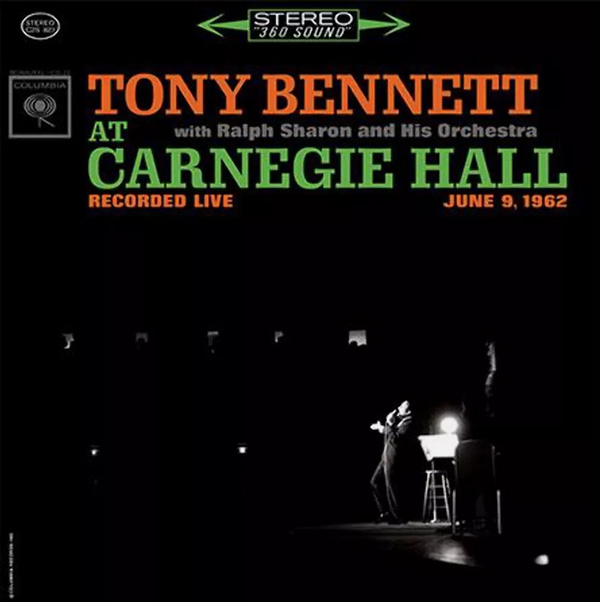
 While stage size, transient clarity—and, especially, transient speed—were noted when I played my usual reference LPs recorded in concert at Carnegie Hall (Tony, Harry, the Weavers; footnote 2), it was two recordings of solo piano that demonstrated the Kai's dynamic and tracking abilities: Vol.1 of a series of direct-to-disc recordings of Beethoven's piano sonatas by Bernard Roberts (LP, Nimbus D/C 901; does anyone have a spare Vol.2 they'd care to send me?—footnote 3)—and John Lill performing works by Schumann on a restored 1964 Steinway: the Fantasy in C, Op.17; Faschingsschwank aus Wien, Op.26; and Kinderszenen, Op.15 (2 LPs, Green Room PRO 4001/2).
The Beethoven, a studio recording of the late 1970s, brings the piano into the listener's room; the Schumann, recorded by the legendary Tony Faulkner (Green Room Productions is his company) in London's Henry Wood Hall, a former church, brings you to the concert hall. The latter was recorded in 2003 using a pair of tubed Neumann M50 microphones into an all-tube board designed by Tim de Paravicini, and then to a Studer A80 analog deck modified by him. (It was also recorded in 24-bit/176kHz digital).
While stage size, transient clarity—and, especially, transient speed—were noted when I played my usual reference LPs recorded in concert at Carnegie Hall (Tony, Harry, the Weavers; footnote 2), it was two recordings of solo piano that demonstrated the Kai's dynamic and tracking abilities: Vol.1 of a series of direct-to-disc recordings of Beethoven's piano sonatas by Bernard Roberts (LP, Nimbus D/C 901; does anyone have a spare Vol.2 they'd care to send me?—footnote 3)—and John Lill performing works by Schumann on a restored 1964 Steinway: the Fantasy in C, Op.17; Faschingsschwank aus Wien, Op.26; and Kinderszenen, Op.15 (2 LPs, Green Room PRO 4001/2).
The Beethoven, a studio recording of the late 1970s, brings the piano into the listener's room; the Schumann, recorded by the legendary Tony Faulkner (Green Room Productions is his company) in London's Henry Wood Hall, a former church, brings you to the concert hall. The latter was recorded in 2003 using a pair of tubed Neumann M50 microphones into an all-tube board designed by Tim de Paravicini, and then to a Studer A80 analog deck modified by him. (It was also recorded in 24-bit/176kHz digital).
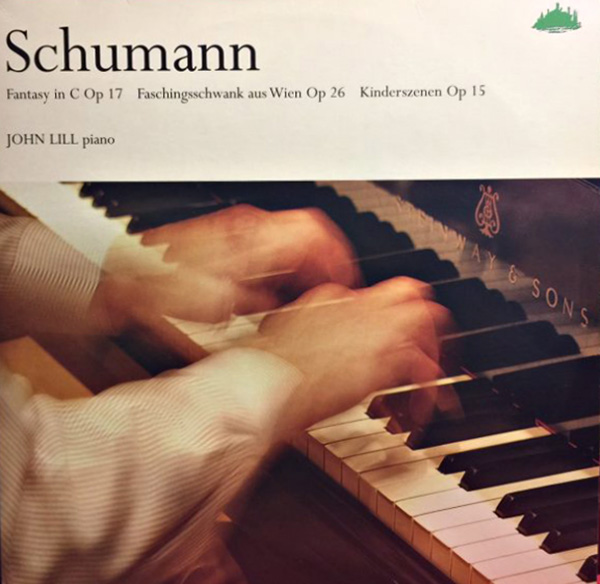 I don't know if the vinyl edition of the John Lill recording, mastered by Stan Ricker and pressed at RTI, is still in print, but if not, it deserves reissue using the original metal parts (which I bet are still at RTI). And you deserve to hear it. It probably didn't sell well, in part because Faulkner was clearly ahead of his time in releasing this in 2004, before the vinyl revival had gathered steam.
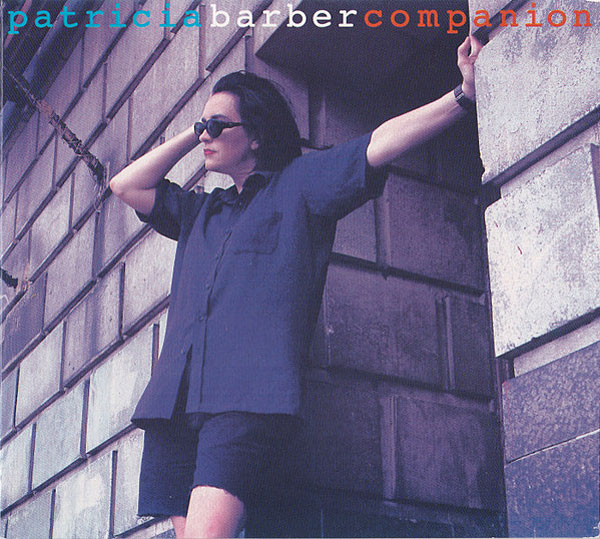 At audio shows, we've all become saturated with the same old demo tracks from Patricia Barber and Diana Krall. That's not their fault. Premonition Records has reissued Barber's albums in two-LP editions, mastered by Doug Sax from the original digital sources, and the new edition of Companion (Premonition 90762-1) is the best I've heard. (If you're getting only one of this series, Companion, with a "modern cool" version of Sonny and Cher's "The Beat Goes On," would be a good choice.) The Kai's rendering of Michael Arnopol's double bass perfectly straddled the line between nimbleness and bass weight. I could hear and feel his fingers tugging on the strings, and the pleasingly deep, warm result. The Kai's overall bass performance was deep, fast, dynamic, and well controlled: punchy but not overdamped. Its expression of bass was full but not overfull—it never sounded like a subwoofer turned up too high.
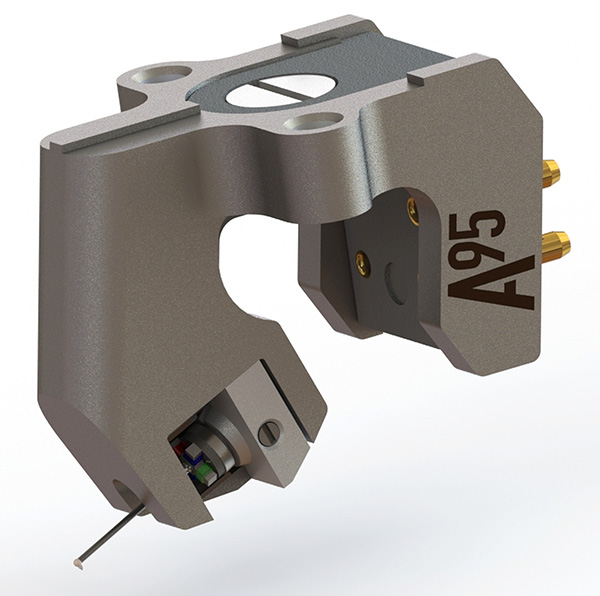 Follow-Up: Ortofon A95 moving-coil cartridge
With the Ikeda Kai ($8500) in the Kuzma 4Point tonearm and the Ortofon A95 ($6500; See "Analog Corner," May 2015; footnote 5) in the Continuum Audio Labs Cobra arm, and both arms mounted on the Continuum Caliburn turntable, it wasn't difficult to switch between them. But it wasn't instantaneous—I also had to switch from Ypsilon's MC-26L step-up transformer to their MC-16L. (Actually, the optimal step-up for the A95's output of 0.23mV would probably have been Ypsilon's MC-20L, but I don't have one. Ypsilon's Demetris Backlavas assured me that the MC-16L was sufficient to properly drive the VPS-100.) Yarlung Records (www.yarlungrecords.com) will soon release on vinyl an AAA recording, Vanish, by the innovative percussion group Smoke and Mirrors. Currently available in various digital editions, the album is musically varied and thoroughly entertaining. I recorded three-minute-long samples from it at 24-bit/96kHz using various A/D converters, the Continuum Caliburn turntable, Ypsilon's VPS-100 phono preamp and MC-16L step-up, and the Ortofon A95 cartridge (footnote 6). I also recorded 24/96 samples using the Ikeda Kai, and the differences were striking. The A95's tonal balance was warmer, and its reproduction of textures was more supple and inviting. That might come as a surprise to those who found Ortofon's A90 to sound cool, but the A95 was designed to produce some of the more expensive Anna's warmth while retaining the A90's speed and effervescence.
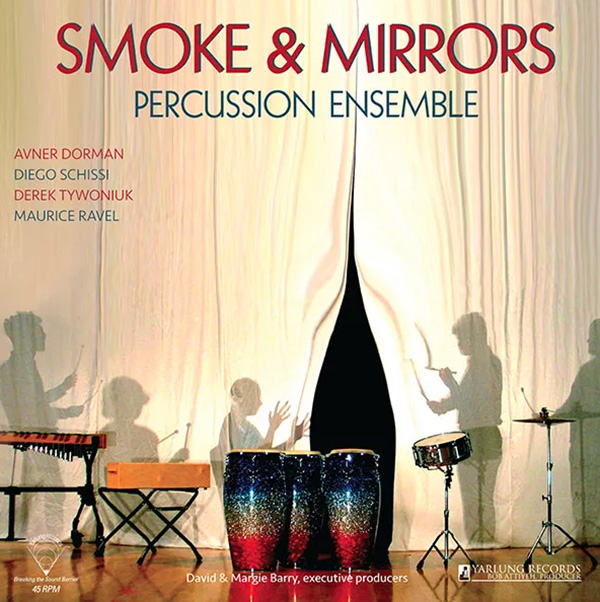 The track from Vanish that can be heard at AnalogPlanet.com features a rapid xylophone run buried in the backdrop. It's a bumpy, icy cool, sharply lit ride. The A95 didn't at all soften or slow that ride, probably in great part due to the groove-tracing abilities of its Replicant stylus, but it did register the quickly changing harmonic envelopes produced by each mallet stroke.
The Kai registered the percussive element with greater ease, speed, and precision, but so shortchanged the harmonics that, until I switched to the $2000-less-costly A95, I didn't recognize the sound as being produced by a xylophone.
The track from Vanish that can be heard at AnalogPlanet.com features a rapid xylophone run buried in the backdrop. It's a bumpy, icy cool, sharply lit ride. The A95 didn't at all soften or slow that ride, probably in great part due to the groove-tracing abilities of its Replicant stylus, but it did register the quickly changing harmonic envelopes produced by each mallet stroke.
The Kai registered the percussive element with greater ease, speed, and precision, but so shortchanged the harmonics that, until I switched to the $2000-less-costly A95, I didn't recognize the sound as being produced by a xylophone.
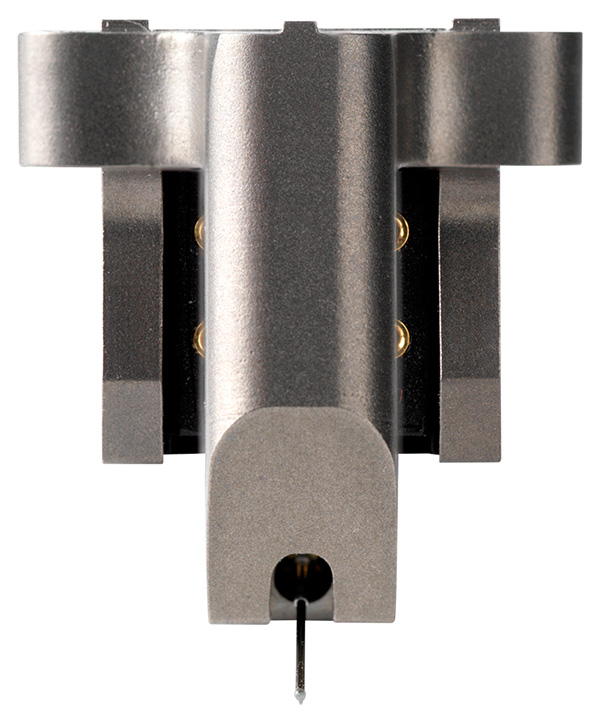 On the other hand, the A95's overall sound couldn't match the Kai's dynamic authority and just plain slam, or its dramatic soundstaging, or its ability to separate instruments on the stage—that's an area where the more expensive cartridges, including the Anna ($9500), excel.
Footnote 2: Tony Bennett, At Carnegie Hall (2 LPs, Columbia/Analogue Productions AAPP 823), Harry Belafonte, Belafonte at Carnegie Hall (2 LPs, RCA Living Stereo LPS-6006/Analogue Productions AAPF-6006), The Weavers, Reunion at Carnegie Hall 1963 (single-sided 45rpm LPs, Vanguard/Classic 2150).















