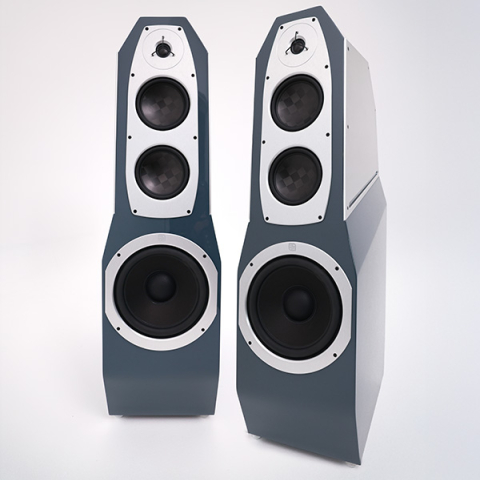
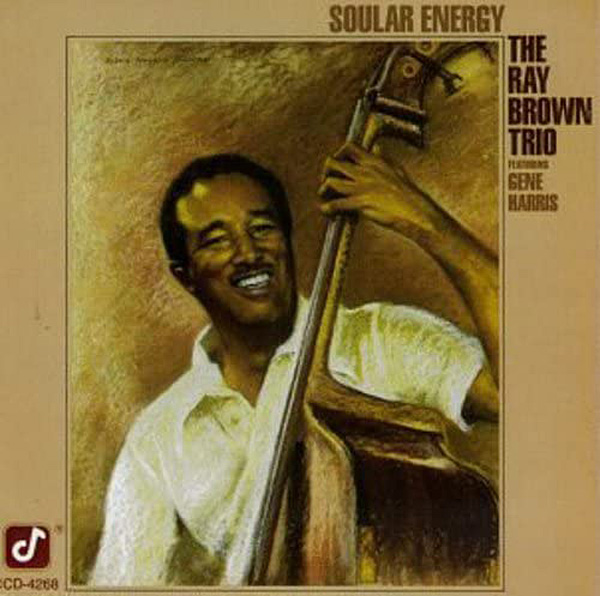
 Keeping the bottom ports closed, I played a series of tracks with well-recorded double bass. Whether it was Scott LaFaro's instrument on "Waltz for Debby (Take 2)," from the 1962 album of the same name (16/44.1, 321kbps AAC, Riverside Records), Gary Peacock's on "Autumn Leaves," from the Keith Jarrett Trio's After the Fall (16/44.1 WAV, ECM), or Ray Brown's on "Exactly Like You" from Soular Energy (DSD64, Concord Jazz)—all were reproduced by the MoFi speakers with an impressive combination of weight, tonal evenness, and definition.
Playing these tracks from three renowned jazz trios reminded me that in 1997 I was invited by the Santa Fe Chamber Music Festival to record a promotional concert by a jazz quartet (footnote 2). The musicians were all world-class: Marc Copland on piano, the late John Abercrombie on electric guitar, Billy Hart on drums, and Peter Herbert on double bass. This was my first multitrack digital recording. I had intended to use my customary documentary microphone technique, but as the hall had an unsympathetic acoustic, I had to close-mike the instruments.
The first track in the concert, Abercrombie's and Copland's "If I Should Lose You" (16/44.1, ALAC), starts with Peter Herbert stating the melody high on his fingerboard, punctuating it with low-frequency pedal notes. Reproduced by the SourcePoint 888s, Herbert's bass sounded even in both its low and high registers. Notes were neither exaggerated nor blurred; neither were they obscured by Hart's close-miked kickdrum.
Keeping the bottom ports closed, I played a series of tracks with well-recorded double bass. Whether it was Scott LaFaro's instrument on "Waltz for Debby (Take 2)," from the 1962 album of the same name (16/44.1, 321kbps AAC, Riverside Records), Gary Peacock's on "Autumn Leaves," from the Keith Jarrett Trio's After the Fall (16/44.1 WAV, ECM), or Ray Brown's on "Exactly Like You" from Soular Energy (DSD64, Concord Jazz)—all were reproduced by the MoFi speakers with an impressive combination of weight, tonal evenness, and definition.
Playing these tracks from three renowned jazz trios reminded me that in 1997 I was invited by the Santa Fe Chamber Music Festival to record a promotional concert by a jazz quartet (footnote 2). The musicians were all world-class: Marc Copland on piano, the late John Abercrombie on electric guitar, Billy Hart on drums, and Peter Herbert on double bass. This was my first multitrack digital recording. I had intended to use my customary documentary microphone technique, but as the hall had an unsympathetic acoustic, I had to close-mike the instruments.
The first track in the concert, Abercrombie's and Copland's "If I Should Lose You" (16/44.1, ALAC), starts with Peter Herbert stating the melody high on his fingerboard, punctuating it with low-frequency pedal notes. Reproduced by the SourcePoint 888s, Herbert's bass sounded even in both its low and high registers. Notes were neither exaggerated nor blurred; neither were they obscured by Hart's close-miked kickdrum.
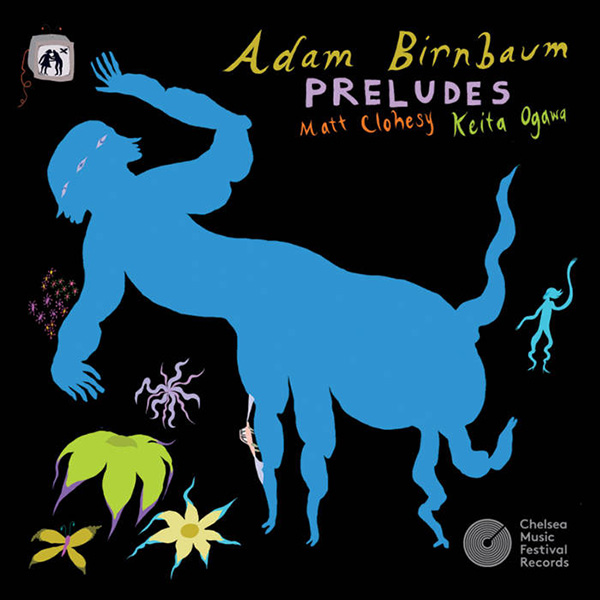 Moving up to the midrange, Adam Birnbaum's piano on Prelude in C Sharp Minor, from Preludes (16/44.1 FLAC, Chelsea Music Festival/Qobuz), though pushed a little forward in the soundstage, sounded natural, without any exaggeration of the instrument's right-hand register. However, the levels of the double bass and kickdrum were too high compared with that of Birnbaum's piano; I needed to block the SourcePoints' top ports with this track.
The soundstaging on every track I played was solidly stable, with excellent image depth where appropriate. When I mixed my 1997 Santa Fe concert recording, I placed the stereo image of Marc Copland's piano spread across the left-hand side of the stage, balancing it against John Abercrombie's electric guitar, which I had also miked in stereo—he used two amplifiers—on the right of the stage. However, Abercrombie used artificial reverb for his guitar, which pushed it farther back than the image of the piano. And while I had positioned a stereo pair of mikes over Hart's drums, the bleedthrough from the piano and bass mikes placed the image of the drums farther behind those of the piano, guitar, and bass than I would have wished. All these soundstage details were clearly audible with the MoFi SourcePoint 888s. The imaging precision of these large speakers is on par with that of superb minimonitors like the Rogers LS3/5a's and KEF LS50s.
Moving up to the midrange, Adam Birnbaum's piano on Prelude in C Sharp Minor, from Preludes (16/44.1 FLAC, Chelsea Music Festival/Qobuz), though pushed a little forward in the soundstage, sounded natural, without any exaggeration of the instrument's right-hand register. However, the levels of the double bass and kickdrum were too high compared with that of Birnbaum's piano; I needed to block the SourcePoints' top ports with this track.
The soundstaging on every track I played was solidly stable, with excellent image depth where appropriate. When I mixed my 1997 Santa Fe concert recording, I placed the stereo image of Marc Copland's piano spread across the left-hand side of the stage, balancing it against John Abercrombie's electric guitar, which I had also miked in stereo—he used two amplifiers—on the right of the stage. However, Abercrombie used artificial reverb for his guitar, which pushed it farther back than the image of the piano. And while I had positioned a stereo pair of mikes over Hart's drums, the bleedthrough from the piano and bass mikes placed the image of the drums farther behind those of the piano, guitar, and bass than I would have wished. All these soundstage details were clearly audible with the MoFi SourcePoint 888s. The imaging precision of these large speakers is on par with that of superb minimonitors like the Rogers LS3/5a's and KEF LS50s.
 For reasons known only to itself, Roon 2.0's Radio function followed the Adam Birnbaum track with the album Alternesia (16/44.1 ALAC), from Stereophile's erstwhile webmaster, Jon Iverson (footnote 3). Jon plays a variety of percussion instruments on this gamelan-influenced album, adding a small amount of sampled bass—"in just a couple of tiny spots," Jon says—and a smidgen of direct-injected bass guitar. The result was spread across and behind the soundstage by the MoFi SourcePoints, with pinpoint imaging and weighty but articulate low frequencies. Even with their bottom ports blocked, the speakers' bass was magnificent on this album.
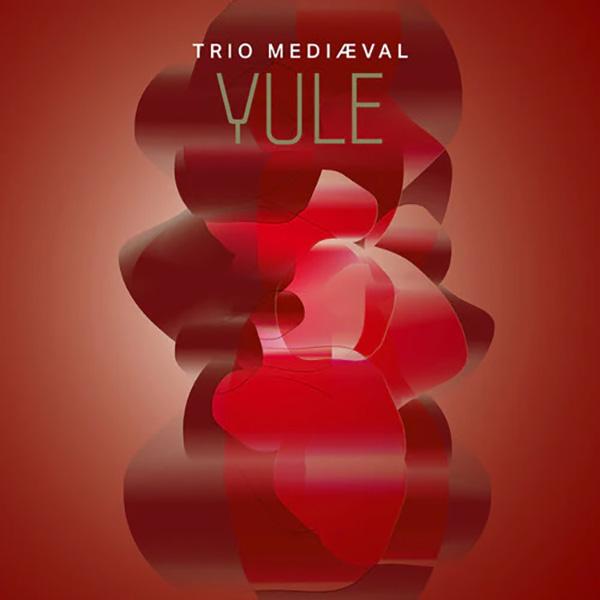
As Christmas was looming large when I was writing this review, I finished my critical listening by streaming Yule, a wonderful new album of seasonal music from Trio Medæval (24/44.1 FLAC, 2L/Qobuz; also available as multiformat Blu-ray/SACD/CD), which had been recommended to me by one-time Stereophile reviewer Erick Lichte. The deep-pitched organ pedals that start "Lucinatti lange" sounded weighty. The ensemble's three singers were precisely placed in the soundstage, their images uncolored and palpable. The unaccompanied "Coventry Carol" raised goosebumps.
For reasons known only to itself, Roon 2.0's Radio function followed the Adam Birnbaum track with the album Alternesia (16/44.1 ALAC), from Stereophile's erstwhile webmaster, Jon Iverson (footnote 3). Jon plays a variety of percussion instruments on this gamelan-influenced album, adding a small amount of sampled bass—"in just a couple of tiny spots," Jon says—and a smidgen of direct-injected bass guitar. The result was spread across and behind the soundstage by the MoFi SourcePoints, with pinpoint imaging and weighty but articulate low frequencies. Even with their bottom ports blocked, the speakers' bass was magnificent on this album.
As Christmas was looming large when I was writing this review, I finished my critical listening by streaming Yule, a wonderful new album of seasonal music from Trio Medæval (24/44.1 FLAC, 2L/Qobuz; also available as multiformat Blu-ray/SACD/CD), which had been recommended to me by one-time Stereophile reviewer Erick Lichte. The deep-pitched organ pedals that start "Lucinatti lange" sounded weighty. The ensemble's three singers were precisely placed in the soundstage, their images uncolored and palpable. The unaccompanied "Coventry Carol" raised goosebumps.
 Conclusion
"Goosebumps"—rereading this review's Listening section, it struck me that while I discussed the what and the how of the MoFi SourcePoint 888's sound quality, I have neglected the most significant aspect of its performance. Throughout the three months these big speakers spent in my listening room, they drew me deep into the music with every album I played.
Footnote 2: For various reasons the resultant album was never released, unfortunately. Footnote 3: Alternesia is available free under a Creative Commons license. See footnote 2 here. Footnote 4: See mofielectronics.com/products/mofi-electronics-sourcepoint-888-floorstanding-speakers-pair.