 Listening I: Well-known tunes with the reference system
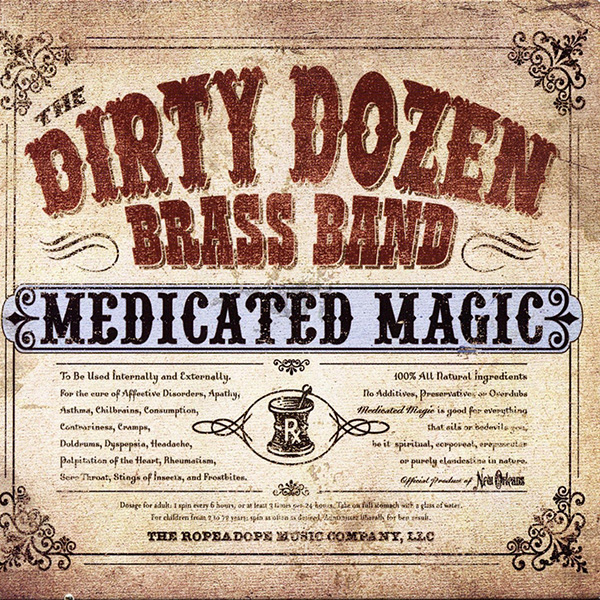
After that break-in period, I started listening critically using my reference system (dCS Bartók streamer/DAC, Benchmark LA-4 preamp, Benchmark AHB2 power amplifier). I had noticed during break-in that these speakers put out a lot of bass energy, more than I expected from 6.5" woofers. So I turned to my trusted Bass Test playlist on Qobuz (footnote 4). My go-to test of fast and deep bass these days is "Flea" by St. Vincent from All Born Screaming. There are deep beats, deep synth sounds, a bassline that goes to the bottom octaves, and Dave Grohl's aggressive drumming. But there's also Annie Clark's singing and jangly guitar and keyboard sounds in the midrange, and high-frequency percussion and overtones. To do the song justice, speakers need to put out a lot of percussive low end and not overpower or smear the rest of the frequency spectrum. Only certain bass sounds, mainly synths, are supposed to be fuzzy. Proper reproduction differentiates clean and fast low-frequency sounds from fuzzy ones. The Sonetto V G2's did the job well, sounding plenty big and in the right balance. That omnidirectional bass energy flowed across the floor and gut-punched when it was supposed to. Another song on the Bass Test playlist is a cover of Earl King's New Orleans classic "Big Chief," from the Dirty Dozen Brass Band's Medicated Magic, featuring Dr. John on piano doing a pretty good Professor Longhair imitation. The bassline is carried by a tuba, and there is a pronounced bass drum leading the beat. It sounded loud, proud, and in balance with the rest of the band through the Sonetto V G2's. I also noticed that the recording of the brass and reeds is less than hi-fi. Bottom line, the Bass Test was passed with flying colors.
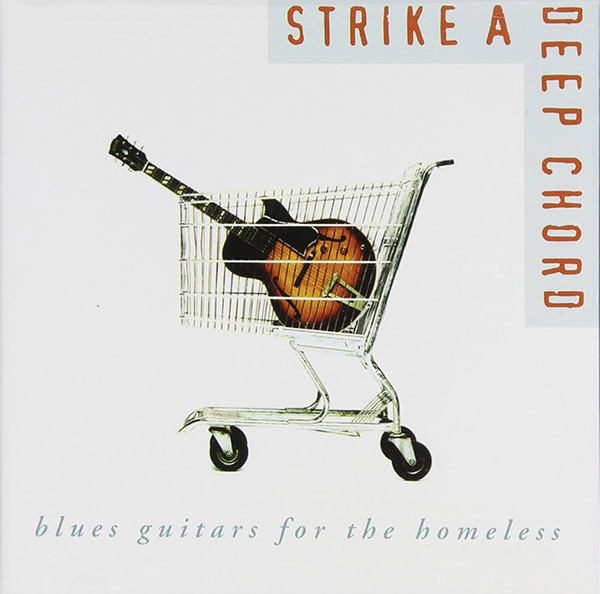 So what about imaging and the subtler stuff ? Those who attend audio shows have likely heard a cut from the 1992 anthology CD Strike a Deep Chord: Blues Guitars for the Homeless (footnote 5). The track I like is "Brother Can You Spare a Dime?" sung as a duet by Dr. John and Odetta. Their voices are similar yet distinct. They sing front and center but with slightly different sonic textures. Behind them are backup singers and the band. The recording, which may well be an early-era digital job, sounds great, and Bernie Grundman mastered the original CD. Through the Sonetto V G2's, the soundstage had the width and depth I expect, after a fashion. At first, I thought the sound was somewhat dull. I removed the grilles over the midrange/tweeter section and kept the woofers covered. Problem solved! I kept the midrange/tweeters uncovered for the rest of the review period. Depending on your hearing and your room setup, these speakers might seem "polite" in the top end. Try removing the grilles.
I'm working on a follow-up review of the T+A R 2500 R streaming receiver, focusing on the optional phono preamp. Before it was installed, its settings were optimized for my Ortofon 2M Blue (once owned by the late Art Dudley, RIP). It's not a fancy cartridge, but it's a good fit for my workingman's rig, a Technics SL-1200MK7, connected to the T+A with a vintage SME cable. I plugged the Sonetto V G2's into the R 2500 R and started the spins. I've long been a fan of the late Norman Granz's Pablo Records label. Many original LPs are in my shelves, with their distinctive black, gray, and white sleeves. I wrote a profile of Pablo and Granz for an insert in the new Analogue Productions Pablo reissues. I gathered my buddies Dave and Mike, and we compared the originals and the reissues for a few Pablo titles. Two standouts are 88 Basie Street by Count Basie and his big band, and Duke's Big 4 by Duke Ellington (piano) with Joe Pass (guitar), Ray Brown (bass), and Louis Bellson (drums). Both are dynamic and exciting jazz, and both sound great.
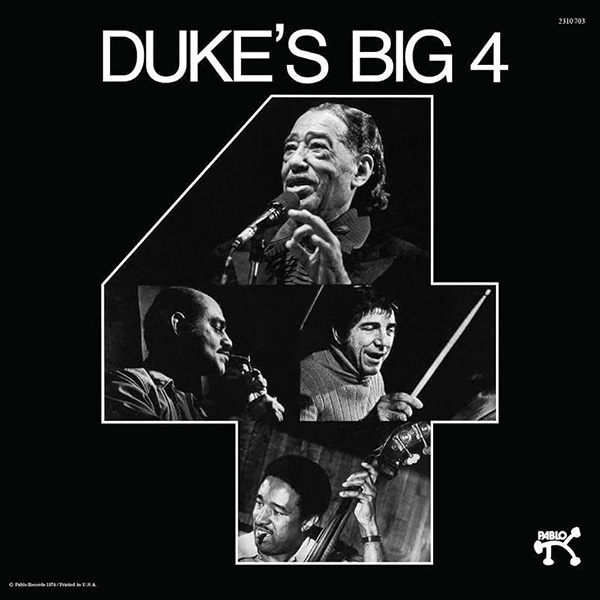 On Duke's Big 4, "The Hawk Talks," the third track on side A, features some outstanding Bellson drumming. Using every part of his kit, soft and loud, he drives the tune and beats out a tasty solo. His bass drum sounds both with the primary beat and a satisfying resonance of the drum body. This is clearly audible on both the original and the new LPs. Through the Sonetto V G2's, it seemed that Bellson was in the room, near the right speaker. My original LP, bought used, includes a Post-it note: "Great Joe Pass, V-Good sound." I agree. I don't know who mastered it, but the deadwax bears the "I" stamp indicating it was pressed at RCA's legendary Indianapolis plant. The new LP was mastered by Kevin Gray at Cohearant Audio, presumably from the same tapes. We enjoyed both LPs and agreed that they sound different—not better or worse: different. Without going in the weeds about those differences, I'll say we were impressed at the natural sound of the instruments, and how the excellent swinging pace popped out into the room. In short, both LPs sounded "right," and a lot of fun. Alas, the streaming version of Duke's Big 4 has audible distortion during Bellson's loudest parts, indicating too-high levels during A-to-D transfer.
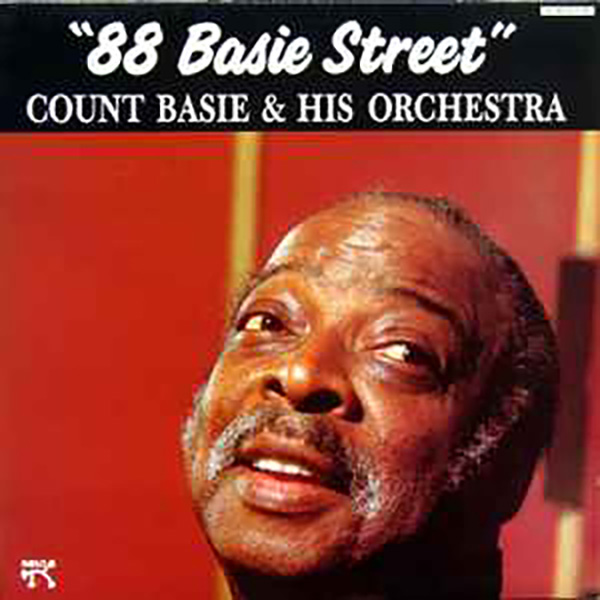 My original-vinyl copy of 88 Basie Street is from Fantasy, Inc., meaning it was manufactured after Granz sold the Pablo label. (Pablo is now owned by Concord Group.) That's not a criticism: The original sounds quite good, and the platter is surprisingly thick for the 1980s. The new version was cut by Gray. "Katy," the middle track on side B, was written by Sammy Nestico and dedicated to Basie's wife. It's a big-band ballad with overlapping textures of woodwinds and brass flowing outside and over the speakers, anchored by bass in the middle and drums tight to center. The Sonetto V G2's ably reproduced the big-band sound and filled the room with textures and sound colors. The two platters sounded different—again not better or worse. In both cases, the sound clouds of horns and reeds floated appropriately.
Listening III: The last day
My original-vinyl copy of 88 Basie Street is from Fantasy, Inc., meaning it was manufactured after Granz sold the Pablo label. (Pablo is now owned by Concord Group.) That's not a criticism: The original sounds quite good, and the platter is surprisingly thick for the 1980s. The new version was cut by Gray. "Katy," the middle track on side B, was written by Sammy Nestico and dedicated to Basie's wife. It's a big-band ballad with overlapping textures of woodwinds and brass flowing outside and over the speakers, anchored by bass in the middle and drums tight to center. The Sonetto V G2's ably reproduced the big-band sound and filled the room with textures and sound colors. The two platters sounded different—again not better or worse. In both cases, the sound clouds of horns and reeds floated appropriately.
Listening III: The last dayI enjoyed the sound of the Technics-Ortofon-T+A–Sonus faber system so much that I kept it set up for a few weeks and listened often, to records, CDs, and streaming. Although the Sonetto V G2's are not in the same price categories of either system I connected them to, they performed well and brought many smiles to my face. In other words, they punched above their weight. All good things come to an end, and the day arrived to pack up the speakers, return them to their pallet, and send them to JA for measuring. I decided to run through a quick listen to familiar tunes then move the speakers out of the room, connect my B&W 808's, and listen to the same tunes again, to form a quick comparison of the two speaker systems.
 Conclusion
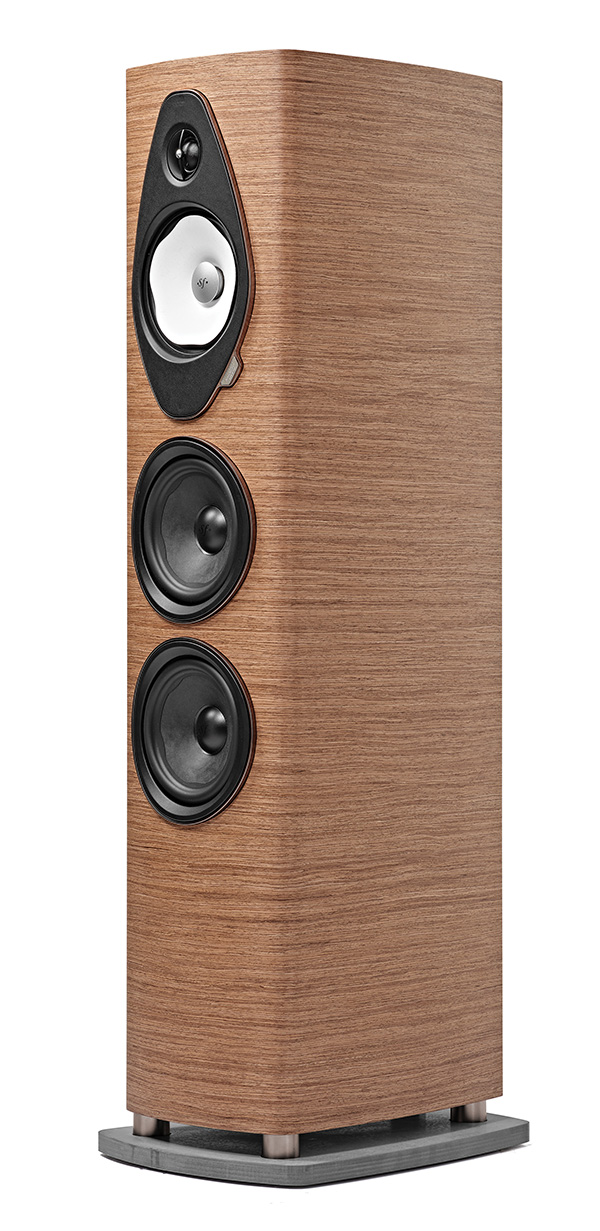
I had these speakers in my living room system for nearly two months and thoroughly enjoyed them with a wide variety of music. I drove them with two high-quality rigs: my reference system and the T+A R 2500 R streaming receiver I reviewed in the August issue. The Sonetto V G2's were at home in both setups, presenting full-range music at room-filling volume. Given their relatively modest list price of $6499 for the pair, that's impressive.
Footnote 4: See open.qobuz.com/playlist/21395182. Footnote 5: See tinyurl.com/9ha2nfts. Footnote 6: See open.qobuz.com/playlist/21748572.