Setup
John DeVore toted his O/babies from the Navy Yard and up my stairs then unsheathed them from heavy plastic. (The boxes were left in Brooklyn.) After much jogging, moving, taping, measuring, and listening, he secured them 64" apart tweeter to tweeter and 80" from my listening seat. After a week or two of listening, including one night playing hip-hop records brought by filmmaker Jeremy Elkin, I pushed them back 5" farther, endowing the sound with a deeper low-end with no sacrifice of presence, sparkle, or soundstaging. Listening
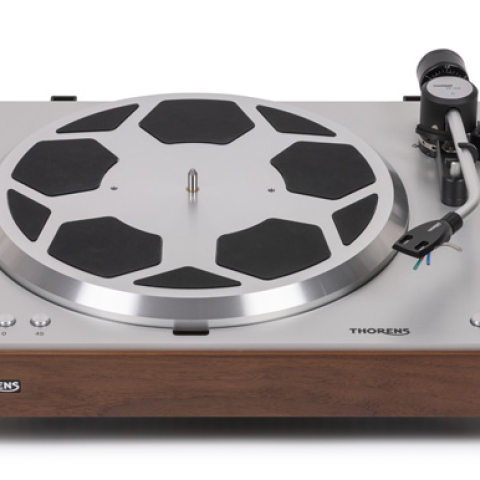
As I started working on this review, I was finishing up another one, for AnalogPlanet.com, of the new Michell Engineering TecnoDec turntable with the Michell T3 tonearm ($2698 for the set) outfitted, alternately, with Goldring 1006 moving magnet ($399) and Dynavector 10X5 LOW moving coil ($800) cartridges. That analog front-end supplied my Tavish Audio Design Adagio phono stage ($1950). From there, the signal passed to the Parasound Hint 6 Halo integrated ($2995). I kept this system for much of the current review. I've included prices to make the point that this is, by Stereophile standards, an affordable system. The O/baby speakers were the system's most expensive part, by a good bit. Yet the music flowing into my room was terrific: physical, live, enveloping, natural, with good scale. Dynamics ranged from house-mouse still to boisterous and brazen. The sweet spot was truly sweet. I switched to my reference system only at the end of the review period.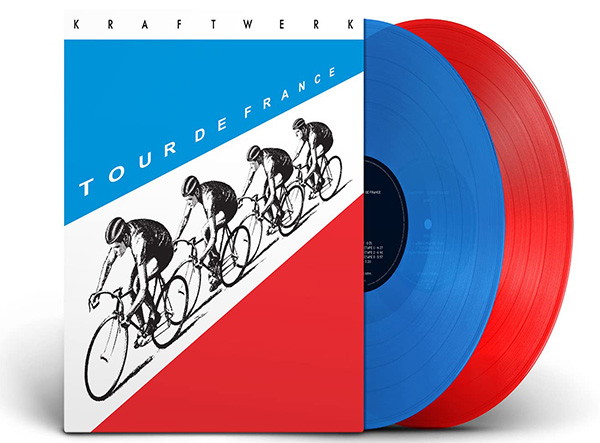 Any new piece of kit, if it is good and interesting, should pull new and surprising sounds from oft-played recordings, and that was the very essence of the O/baby experience. My standard low-end workout record, Kraftwerk's Tour de France (LP, Kling Klang 50999 9 66109), sounded especially fresh. The propulsive synth-base of the title track was clearer than I recalled hearing it—and I've heard it recently. As the side-long track progressed, the O/baby revealed each subtle textural, rhythmic, and ambient variation in the bass. Said bass was less weighty than through the O/96s but tight and well-resolved. In a way, it reminded me of the GoldenEar BRX but with added weight and extension. The O/babies delivered big-bass tonnage on electronic records by Photek, a Tribe Called Quest, and Erik B & Rakim.
The O/baby's exacting, revealing, supersilky treble resolved not just the title track's swoop swoop swoop hi-hat eighth notes but also the perky hi-hat 16th notes above. The speaker's precise treble focus and upper-midrange clarity provided constant surprise and delight. The O/babies reproduced the recent Craft Recordings reissue of Art Pepper's Art Pepper Meets the Rhythm Section (LP, Contemporary Records C 3532/Craft CR00382) with resonance, depth, and ambience I didn't know existed on that record.
Any new piece of kit, if it is good and interesting, should pull new and surprising sounds from oft-played recordings, and that was the very essence of the O/baby experience. My standard low-end workout record, Kraftwerk's Tour de France (LP, Kling Klang 50999 9 66109), sounded especially fresh. The propulsive synth-base of the title track was clearer than I recalled hearing it—and I've heard it recently. As the side-long track progressed, the O/baby revealed each subtle textural, rhythmic, and ambient variation in the bass. Said bass was less weighty than through the O/96s but tight and well-resolved. In a way, it reminded me of the GoldenEar BRX but with added weight and extension. The O/babies delivered big-bass tonnage on electronic records by Photek, a Tribe Called Quest, and Erik B & Rakim.
The O/baby's exacting, revealing, supersilky treble resolved not just the title track's swoop swoop swoop hi-hat eighth notes but also the perky hi-hat 16th notes above. The speaker's precise treble focus and upper-midrange clarity provided constant surprise and delight. The O/babies reproduced the recent Craft Recordings reissue of Art Pepper's Art Pepper Meets the Rhythm Section (LP, Contemporary Records C 3532/Craft CR00382) with resonance, depth, and ambience I didn't know existed on that record.
 I understood what John DeVore meant when he called the O/baby "a miniature O/96"; the surprise is that in some ways it bettered the O/96. As deployed on the O/baby, the shared tweeter may lack the "pricey bronze mounts and horn outer parts" used in the $100,000/pair Orangutan O/Reference system, but it made the O/baby seem more transparent than its larger sibling, faster on its feet. The midrange is similarly rich and see-through, and as I've said, in my small room, the O/baby's bass was tight and well defined.
It's worth emphasizing—or reemphasizing, since I've mentioned this in previous reviews—that the O/96 is too large for my room. That's surely part of the reason the O/baby bested it in some ways: The smaller speaker didn't excite my room's resonant modes as much. Bass synths, electric bass, and upright acoustic bass all got serious traction here but with enough freedom to fly (if the bassist happened to be Jaco Pastorius, Ray Brown, or Paul Chambers). As expected in a two-way, the low-end seamlessly merged with the mids, but—to return to a defining characteristic of the new speakers—the O/baby's treble put musicians, especially vocalists, into the room. They got me an up close and personal audience with, for example, female vocalists as varied as Stacey Kent, Carmen McRae, and FKA Twigs.
Listening through the O/babies was like getting a new, slightly more powerful set of prescription eyeglasses. The music snapped into focus, with gains in immediacy, detail, and resolution. Even the musical context was clarified as the ambience became more distinct. It all cohered; whole is the operative word with the O/babies.
No one will be surprised to learn that there were some ways that the larger, much more expensive O/96s bested the O/babies—easily in some respects. The larger speakers cast a larger soundstage populated with larger images. They generate deeper, weightier, louder bass. They play louder overall, with a wider dynamic range. But the O/baby did its own things well. My audition made me think that the sound John DeVore hears in his head, or the way he realizes that sound, isn't static. As we've seen when he introduced previous designs, he still has tricks up his sleeve.
The O/babies meet the reference system
I understood what John DeVore meant when he called the O/baby "a miniature O/96"; the surprise is that in some ways it bettered the O/96. As deployed on the O/baby, the shared tweeter may lack the "pricey bronze mounts and horn outer parts" used in the $100,000/pair Orangutan O/Reference system, but it made the O/baby seem more transparent than its larger sibling, faster on its feet. The midrange is similarly rich and see-through, and as I've said, in my small room, the O/baby's bass was tight and well defined.
It's worth emphasizing—or reemphasizing, since I've mentioned this in previous reviews—that the O/96 is too large for my room. That's surely part of the reason the O/baby bested it in some ways: The smaller speaker didn't excite my room's resonant modes as much. Bass synths, electric bass, and upright acoustic bass all got serious traction here but with enough freedom to fly (if the bassist happened to be Jaco Pastorius, Ray Brown, or Paul Chambers). As expected in a two-way, the low-end seamlessly merged with the mids, but—to return to a defining characteristic of the new speakers—the O/baby's treble put musicians, especially vocalists, into the room. They got me an up close and personal audience with, for example, female vocalists as varied as Stacey Kent, Carmen McRae, and FKA Twigs.
Listening through the O/babies was like getting a new, slightly more powerful set of prescription eyeglasses. The music snapped into focus, with gains in immediacy, detail, and resolution. Even the musical context was clarified as the ambience became more distinct. It all cohered; whole is the operative word with the O/babies.
No one will be surprised to learn that there were some ways that the larger, much more expensive O/96s bested the O/babies—easily in some respects. The larger speakers cast a larger soundstage populated with larger images. They generate deeper, weightier, louder bass. They play louder overall, with a wider dynamic range. But the O/baby did its own things well. My audition made me think that the sound John DeVore hears in his head, or the way he realizes that sound, isn't static. As we've seen when he introduced previous designs, he still has tricks up his sleeve.
The O/babies meet the reference system
The PrimaLuna EVO 400 integrated amplifier delivers a big stage with mucho depth and provides punch and sparkle with lots of drive. Combined with the O/babies' similarly sparkly, energetic demeanor, would it prove too much of a good thing?
I didn't just add in the PrimaLuna, though. I substituted my whole reference analog front-end, including the VPI Avenger Direct turntable. I heard big improvements in presence, tonality, and dynamics, just for starters, with zero downside, which tells me not only that the O/babies were transparent to upstream components but that I may not have fully plumbed the limits of their abilities.
Conclusion
If you've wanted to experience the DeVore sound but have a smaller room, this speaker was made for you. If you've wanted to sample DeVore Fidelity but at a lower price: ditto. The O/baby's top end is sweetly extended, supertransparent, and informative—probably beyond its older, larger, more expensive Orangutan siblings, both of which spent years in this room. Its midrange is rich but also transparent, in keeping with the DeVore house sound. The low-end delivered everything that mattered on my jazz, electronic, and hip-hop albums with, in this room, more clarity and better control than the larger DeVores. John DeVore named these speakers "O/baby," cutely and appropriately, but these babies pack a mighty, two-fisted wallop.
John DeVore toted his O/babies from the Navy Yard and up my stairs then unsheathed them from heavy plastic. (The boxes were left in Brooklyn.) After much jogging, moving, taping, measuring, and listening, he secured them 64" apart tweeter to tweeter and 80" from my listening seat. After a week or two of listening, including one night playing hip-hop records brought by filmmaker Jeremy Elkin, I pushed them back 5" farther, endowing the sound with a deeper low-end with no sacrifice of presence, sparkle, or soundstaging. Listening
As I started working on this review, I was finishing up another one, for AnalogPlanet.com, of the new Michell Engineering TecnoDec turntable with the Michell T3 tonearm ($2698 for the set) outfitted, alternately, with Goldring 1006 moving magnet ($399) and Dynavector 10X5 LOW moving coil ($800) cartridges. That analog front-end supplied my Tavish Audio Design Adagio phono stage ($1950). From there, the signal passed to the Parasound Hint 6 Halo integrated ($2995). I kept this system for much of the current review. I've included prices to make the point that this is, by Stereophile standards, an affordable system. The O/baby speakers were the system's most expensive part, by a good bit. Yet the music flowing into my room was terrific: physical, live, enveloping, natural, with good scale. Dynamics ranged from house-mouse still to boisterous and brazen. The sweet spot was truly sweet. I switched to my reference system only at the end of the review period.
Any new piece of kit, if it is good and interesting, should pull new and surprising sounds from oft-played recordings, and that was the very essence of the O/baby experience. My standard low-end workout record, Kraftwerk's Tour de France (LP, Kling Klang 50999 9 66109), sounded especially fresh. The propulsive synth-base of the title track was clearer than I recalled hearing it—and I've heard it recently. As the side-long track progressed, the O/baby revealed each subtle textural, rhythmic, and ambient variation in the bass. Said bass was less weighty than through the O/96s but tight and well-resolved. In a way, it reminded me of the GoldenEar BRX but with added weight and extension. The O/babies delivered big-bass tonnage on electronic records by Photek, a Tribe Called Quest, and Erik B & Rakim.
I understood what John DeVore meant when he called the O/baby "a miniature O/96"; the surprise is that in some ways it bettered the O/96. As deployed on the O/baby, the shared tweeter may lack the "pricey bronze mounts and horn outer parts" used in the $100,000/pair Orangutan O/Reference system, but it made the O/baby seem more transparent than its larger sibling, faster on its feet. The midrange is similarly rich and see-through, and as I've said, in my small room, the O/baby's bass was tight and well defined.
It's worth emphasizing—or reemphasizing, since I've mentioned this in previous reviews—that the O/96 is too large for my room. That's surely part of the reason the O/baby bested it in some ways: The smaller speaker didn't excite my room's resonant modes as much. Bass synths, electric bass, and upright acoustic bass all got serious traction here but with enough freedom to fly (if the bassist happened to be Jaco Pastorius, Ray Brown, or Paul Chambers). As expected in a two-way, the low-end seamlessly merged with the mids, but—to return to a defining characteristic of the new speakers—the O/baby's treble put musicians, especially vocalists, into the room. They got me an up close and personal audience with, for example, female vocalists as varied as Stacey Kent, Carmen McRae, and FKA Twigs.
The PrimaLuna EVO 400 integrated amplifier delivers a big stage with mucho depth and provides punch and sparkle with lots of drive. Combined with the O/babies' similarly sparkly, energetic demeanor, would it prove too much of a good thing?
If you've wanted to experience the DeVore sound but have a smaller room, this speaker was made for you. If you've wanted to sample DeVore Fidelity but at a lower price: ditto. The O/baby's top end is sweetly extended, supertransparent, and informative—probably beyond its older, larger, more expensive Orangutan siblings, both of which spent years in this room. Its midrange is rich but also transparent, in keeping with the DeVore house sound. The low-end delivered everything that mattered on my jazz, electronic, and hip-hop albums with, in this room, more clarity and better control than the larger DeVores. John DeVore named these speakers "O/baby," cutely and appropriately, but these babies pack a mighty, two-fisted wallop.