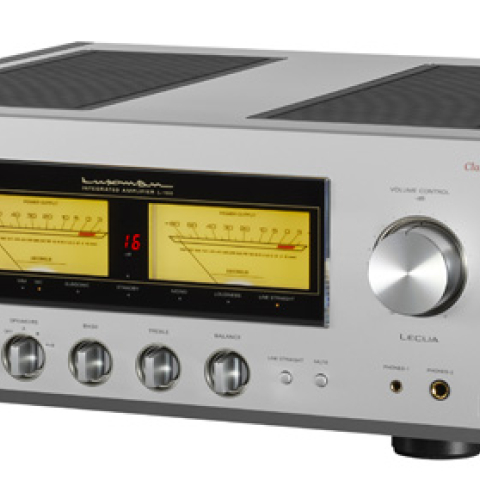
 Listening to the Leben makes what he means rather obvious. The first thing I noticed is the ample drive, grunt, and dynamic freedom—for me, the first and least things a good amp should accomplish. On "Intro" from an LP of 2009's eponymous record by The xx (Young Turks YT031LP), the programmed drums hit with such stupefying force that I sat grinning until the side ended. The Leben rendered those beats with real snap and with vanishingly little temporal smearing or hangover. The record is most remarkable for how effectively the band uses silence and dynamics. This, I thought, is how their music should sound.
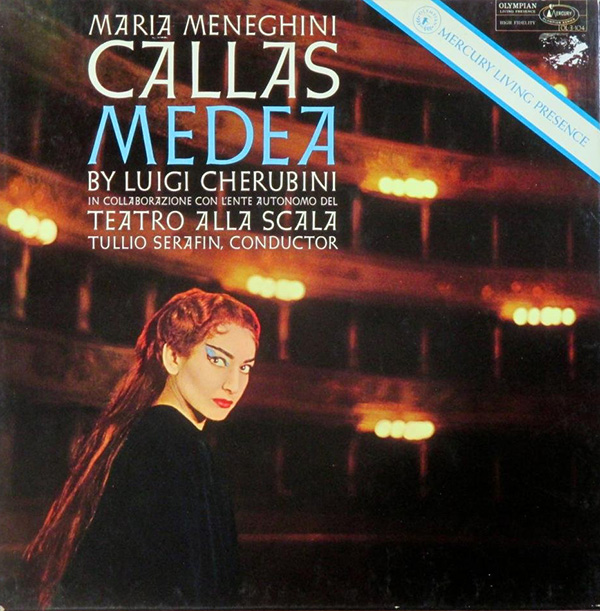
There was also plenty of harmonic richness. Listening to "O Amore, vieni a me!" from a mono LP of Cherubini's Medea (Mercury Living Presence OL-3-104, with a scarily eye-shadowed Maria Callas on the cover), with Tullio Serafin conducting the Orchestra of La Scala in 1957, the strings, brass, and woodwinds sounded fleshed out, timbre accurate, and admirably colorful, which made their contrast with a young Renata Scotto's light-as-air soprano sound goosebump-level exciting. This is Scotto's first recording, and despite the Leben's burnished tone, the amp portrayed her singing with no shortage of propulsion, filigree, and air, refusing to gloss over her vocal textures and technique.
Listening to the Leben makes what he means rather obvious. The first thing I noticed is the ample drive, grunt, and dynamic freedom—for me, the first and least things a good amp should accomplish. On "Intro" from an LP of 2009's eponymous record by The xx (Young Turks YT031LP), the programmed drums hit with such stupefying force that I sat grinning until the side ended. The Leben rendered those beats with real snap and with vanishingly little temporal smearing or hangover. The record is most remarkable for how effectively the band uses silence and dynamics. This, I thought, is how their music should sound.
There was also plenty of harmonic richness. Listening to "O Amore, vieni a me!" from a mono LP of Cherubini's Medea (Mercury Living Presence OL-3-104, with a scarily eye-shadowed Maria Callas on the cover), with Tullio Serafin conducting the Orchestra of La Scala in 1957, the strings, brass, and woodwinds sounded fleshed out, timbre accurate, and admirably colorful, which made their contrast with a young Renata Scotto's light-as-air soprano sound goosebump-level exciting. This is Scotto's first recording, and despite the Leben's burnished tone, the amp portrayed her singing with no shortage of propulsion, filigree, and air, refusing to gloss over her vocal textures and technique.
 I also listened to a record that's new to me. A few weeks ago, I stopped at my favorite local record emporium: a storefront in Red Hook, Brooklyn, labeled Record Shop. Locals call it Bene's, after the memorable owner. As I poked around the bins, the record on the hi-fi kept pulling at me. It was a Brazilian band I'd never heard of, and what they were doing sounded arrestingly beautiful. The LP was by a duo named Burnier E Cartier, which was also the title. The man at the register said it came from Bene's "personal stash" and wasn't for sale. Later, Discogs informed me that it was issued on vinyl exactly once, in 1976, then once on CD, in 2002. All four vinyl copies on Discogs were expensive and located in Brazil. To make matters more annoying, the record doesn't exist on streaming services.
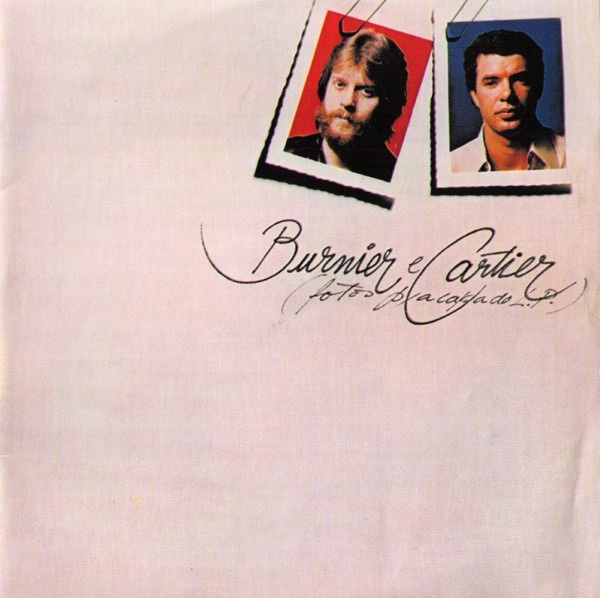 In any case, playing "Lenda Das Amazonas" from the 1976 Burnier E Cartier (EMI EMCB 7017) through the CS-600x showed off the Japanese amp's impressive way with space, raising a soundfield as wide and tall as any amplifier I've heard in my loft. Plenty of air surrounded the guitars, each hanging well above and behind the speakers, and the placement of every element was rock solid. Separation was very good, though lacking the eerily dead silence created by some solid state amps. This beautifully recorded, mostly acoustic music showed the Leben off to its best effect. As Mr. Hyodo suggested, nothing about the presentation stuck out, demanded undue attention, or otherwise interfered with the music's meaning and message. Everything sounded, uhm, natural.
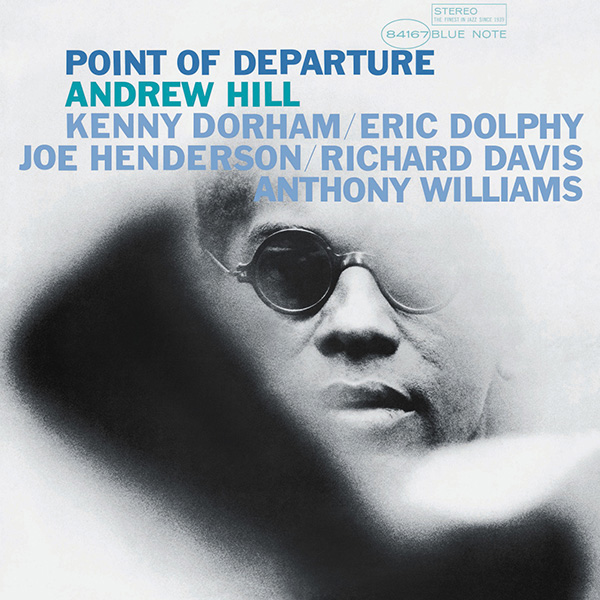 Listening to the mournful "Dedication" from Andrew Hill's essential Point of Departure (24/192 AIFF file) through the Leben and Sennheiser heightened the contrast between the sometimes-comic timbre of Eric Dolphy's bass clarinet and the lump-in-the-throat emotion of his playing on what may be his single greatest solo on record. And the gear blunted none of Hill's knotty ferocity as he worked out his ideas about Thelonious Monk's music on the swaying, staggering "New Monastery." The Leben/HD 650 combination left the can head in me satisfied completely. My only niggle is the Leben's silky stepped potentiometer: With a relatively sensitive can like the Sennheiser, it provides too few useful positions.
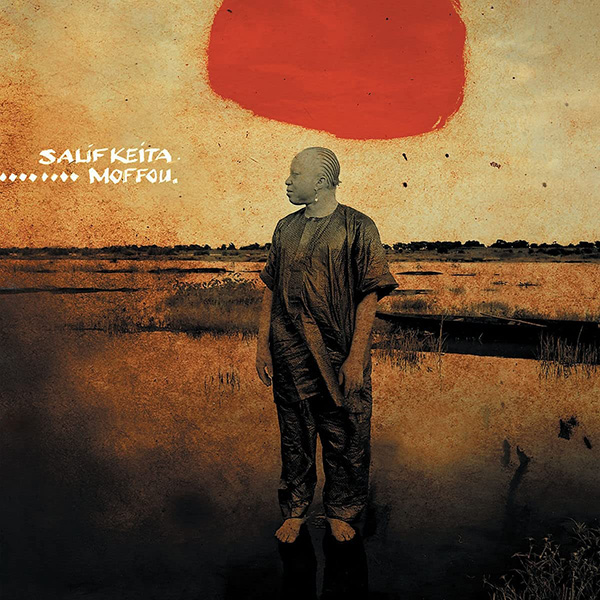 An Afropop gem on vinyl
It's gratifying when goings-on in our nerdy bubble precipitate changes in the wider world. One example is the way audiophile vinyl reissue programs—which often focus on US jazz and boomer-rock releases—have influenced the practices of record companies far and wide. Consider the story of Moffou, the midcareer masterpiece by Malian superstar Salif Keita. One of the most acclaimed Afropop records of the current century, this gorgeous analog recording from 2002 had never been issued on vinyl. And then, on its 20th anniversary, it was. And not just any vinyl. Universal Music has released Moffou in Europe pressed at Optimal on two 45rpm discs. Better yet, it can be found stateside for just over 20 American dollars. We are truly living in an age of wonders. A descendant of Malian royalty, Keita was born with albinism, considered a curse by many in West Africa, and further upset the traditional order by becoming a musician. He spent the 1970s as part of the seminal Rail Band and Les Ambassadeurs (their Mandjou, featuring Keita's unmistakable singing, is a classic), and later became a major player in the world music industrial complex, releasing albums like Soro and the Joe Zawinul–produced Amen. These albums often swamped one of the planet's most recognizable voices in synthesizers, drum machines, heavy funk arrangements, and other crossover production flourishes, ostensibly to appeal to white audiences in the West.