"Art is the only political power," the artist Joseph Beuys once said. If only it were true. Often, when power is wielded against an entire people with enough brutality and efficiency, it reduces the culture to a sickening silence, leaving room only for state-sponsored propaganda. Think of the Soviet Union under Stalin, or Germany during the Third Reich. But in other, rarer cases, repression is met with an efflorescence of great art, like a charred field welling up in a riot of wildflowers. Consider what happened in Brazil.
In 1964, that country's armed forces overthrew the leftist president, João Goulart. The plotters' muscle was provided by the US Navy, Air Force, and the CIA, which aided the coup as part of a clandestine operation known as Brother Sam. The White House portrayed Goulart as a communist menace and hailed the plotters as Brazil's "democratic forces." The military dictatorship the US helped install would remain in power for 21 years.
Beset by mass demonstrations and unrest throughout Brazil, in 1968 the regime issued Institutional Act Number 5. It suspended habeas corpus and most other civil rights, ushering in an era of arbitrary arrests, torture, extrajudicial killings, as well as censorship of all media. The government banned countless songs and almost immediately arrested two of the country's most popular musical artists, Caetano Veloso and Gilberto Gil, eventually forcing them into exile along with thousands of other Brazilians.
Yet 1968–1978, the most brutal period of Brazil's military dictatorship, known as the Years of Lead, saw an outpouring of creativity that has few parallels in the history of popular music. The decade gave rise to hundreds of now-classic recordings that drew not only on native musical forms like samba, forró, baião, and the already world-famous bossa nova but also rock, pop, soul, funk, jazz, and the homegrown avant-psychedelic cultural movement known as Tropicália. Borrowing freely from sounds coming out of the US and UK, Brazilian songwriters and musicians were also keenly attuned to the music of Cuba and Africa and fostered an uncommonly vibrant school of orchestral arrangement. This amalgamation of styles, influences, and traditions was so eclectic and unruly that the results became known simply as Música popular brasileira, usually shortened to MPB. Because of censorship and the music industry's aversion to financial and political risk, the recording careers of some of the era's most gifted artists amounted to a mere one or two releases.
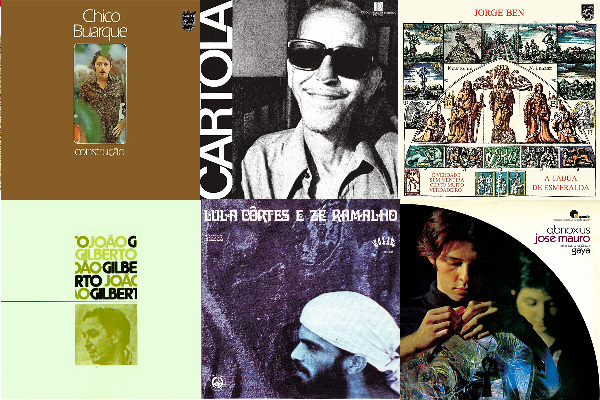
What follows is a handful of favorites—among the most delightful and unclassifiable records of their time—that capture some of the many facets of this bountiful era. The rather free translations of the lyrics are mine, as are the mistakes. Each of these titles can be streamed on the major platforms, though their availability on vinyl varies greatly. And each proves the truth of the phrase disco é cultura, the nationalistic slogan the military regime stamped on the back of every Brazilian record sleeve: The record is culture.
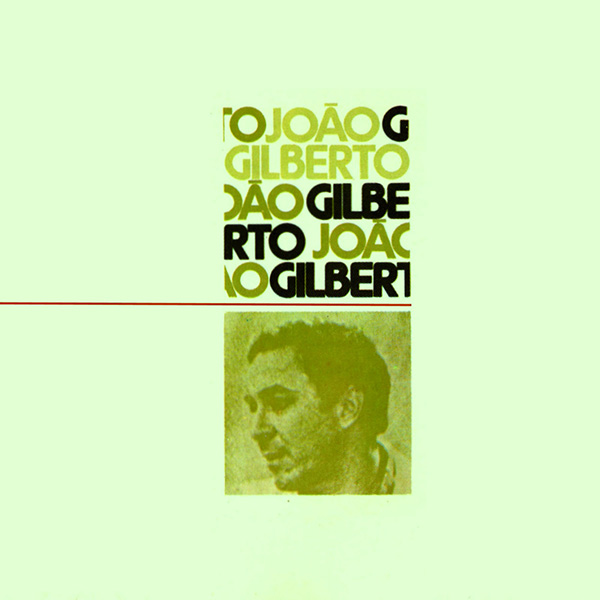 • João Gilberto, João Gilberto (1973)
How strange that the foundational figure of bossa nova, known in Brazil simply as O Mito (The Myth), rarely raised his voice above a near-whisper. To listen to Gilberto framed only by the barely-there drumming of Sonny Carr is to revel in the rhythmic dance between singer and guitar and, in a broader sense, to be astonished by the inwardness of this music. It was committed to tape nearly a decade after the height of the bossa craze (and the classic outing with Stan Getz), but for many this remains the definitive Gilberto recording. It does away with orchestral sweetening, which he never needed, and features him singing a near perfect set, ranging from pre-bossa standards by Ary Barroso and Geraldo Pereira, newer songs from Caetano Veloso and Gilberto Gil, and Antônio Carlos Jobim's recently released but already classic "Águas de Março." On three of the tracks, he doesn't sing at all. That Gilberto can convey so much while surrounded by so much silence borders on the magical. Though it was recorded in New Jersey and engineered by the marvelous Wendy Carlos, João Gilberto was never released in the US and hasn't had a proper reissue on LP since 1989. So finding a vinyl copy of this—one of the most beautiful records ever made—can be an adventure.
• João Gilberto, João Gilberto (1973)
How strange that the foundational figure of bossa nova, known in Brazil simply as O Mito (The Myth), rarely raised his voice above a near-whisper. To listen to Gilberto framed only by the barely-there drumming of Sonny Carr is to revel in the rhythmic dance between singer and guitar and, in a broader sense, to be astonished by the inwardness of this music. It was committed to tape nearly a decade after the height of the bossa craze (and the classic outing with Stan Getz), but for many this remains the definitive Gilberto recording. It does away with orchestral sweetening, which he never needed, and features him singing a near perfect set, ranging from pre-bossa standards by Ary Barroso and Geraldo Pereira, newer songs from Caetano Veloso and Gilberto Gil, and Antônio Carlos Jobim's recently released but already classic "Águas de Março." On three of the tracks, he doesn't sing at all. That Gilberto can convey so much while surrounded by so much silence borders on the magical. Though it was recorded in New Jersey and engineered by the marvelous Wendy Carlos, João Gilberto was never released in the US and hasn't had a proper reissue on LP since 1989. So finding a vinyl copy of this—one of the most beautiful records ever made—can be an adventure.
 • Lula Côrtes and Zé Ramalho, Paêbirú (1975)
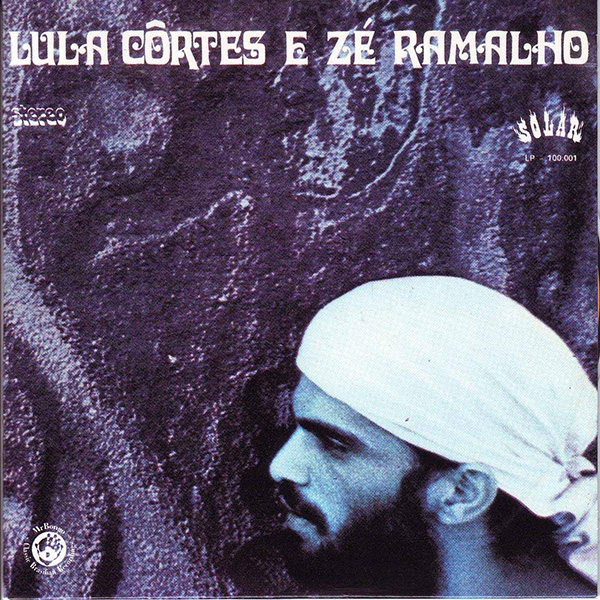
In 1974, musicians Lula Côrtes and Zé Ramalho set off on a trip through the state of Paraíba, the part of Brazil that juts elbow-like into the Atlantic. Having packed little more than a bag of magic mushrooms and their guitars, they went looking for a stone standing in the middle of the winding Ingá River that, some 12,000 years earlier, was incised with petroglyphs that have never been deciphered. The trip became the inspiration for this weird, sublime double album. Côrtes and Ramalho surround the psychedelic strains introduced to Brazilian music by Tropicália with the chanting and drumming of Candomblé ceremonies, pastoral saxophone and flute vistas, fuzz-rock breakdowns, glades of crystalline piano, and lyrics about Sumé, the mythical hero of the Guarani people who was said to have inscribed the Ingá Stone with his teachings. Music being what it is, this description won't give you much of a sense of these four sides, each titled after one of the elements, other than to possibly suggest that they are an aesthetic and sonic mess. Which is too bad, because Paêbirú is brilliantly coherent, with frenzied playing flowing into passages of unexpected stillness with a seamless mystery. The fact that nearly every copy of the album's first pressing reportedly perished in a flood just adds to its otherworldly allure.
• Lula Côrtes and Zé Ramalho, Paêbirú (1975)
In 1974, musicians Lula Côrtes and Zé Ramalho set off on a trip through the state of Paraíba, the part of Brazil that juts elbow-like into the Atlantic. Having packed little more than a bag of magic mushrooms and their guitars, they went looking for a stone standing in the middle of the winding Ingá River that, some 12,000 years earlier, was incised with petroglyphs that have never been deciphered. The trip became the inspiration for this weird, sublime double album. Côrtes and Ramalho surround the psychedelic strains introduced to Brazilian music by Tropicália with the chanting and drumming of Candomblé ceremonies, pastoral saxophone and flute vistas, fuzz-rock breakdowns, glades of crystalline piano, and lyrics about Sumé, the mythical hero of the Guarani people who was said to have inscribed the Ingá Stone with his teachings. Music being what it is, this description won't give you much of a sense of these four sides, each titled after one of the elements, other than to possibly suggest that they are an aesthetic and sonic mess. Which is too bad, because Paêbirú is brilliantly coherent, with frenzied playing flowing into passages of unexpected stillness with a seamless mystery. The fact that nearly every copy of the album's first pressing reportedly perished in a flood just adds to its otherworldly allure.
 • Elis Regina and Antônio Carlos Jobim, Elis & Tom (1974)
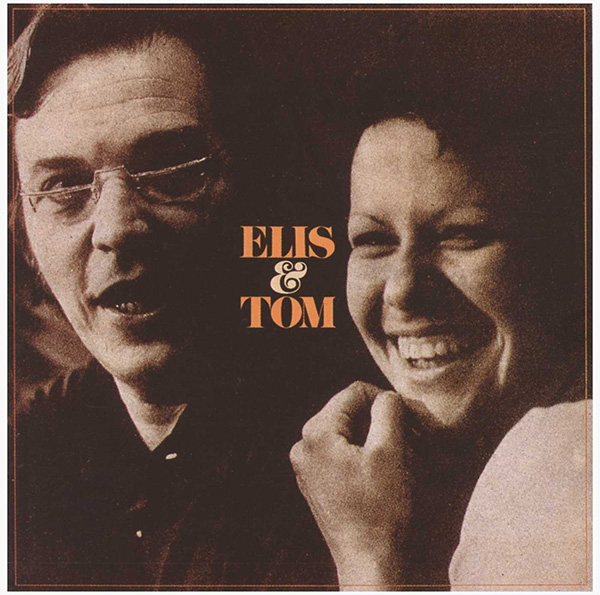
It is difficult to choose a favorite among Jobim's records. Some love the suave jazz on Stone Flower, others the oceanic easy listening on Wave or maybe the fine sessions with Sinatra. There are fans of the Debussy and Villa-Lobos–inspired tone poems on 1972's Jobim and those who prefer the orchestral outback music on Urubu. For me, it's his record with Elis Regina, which started about as poorly as a musical collaboration can.
Gifted with a glorious voice and early success, Regina favored slick arrangements and material that allowed her to showcase her vocal athleticism. She confided to a friend that while Jobim's bossa nova stuff was nice enough, she thought anyone could sing it. What happened then is told entertainingly in Roberto de Oliveira and Jom Tob Azulay's 2022 documentary about the making of this record.
What matters more is that the seriousness and perfectionism of Jobim's work in the studio, and the richness of his songs, unlocked something in Regina. She sings with more feeling than ever before and uses her voice, with its multitude of colors, with more restraint and sensitivity. Footage of her playful duet with Jobim on "Águas de Março" has racked up tens of millions of views on YouTube, but the rest here is even better. Just listen to Regina on "Chovendo Na Roseira," her effortless vocal embodying the rain in the lyric, and then there are the diva-like ballads. When, on "Modinha," she sings "Sad song, leave my chest and sow the feeling that's sobbing in my heart," Regina could be Maria Callas singing "Vissi d'arte." Just a complete banger.
• Elis Regina and Antônio Carlos Jobim, Elis & Tom (1974)
It is difficult to choose a favorite among Jobim's records. Some love the suave jazz on Stone Flower, others the oceanic easy listening on Wave or maybe the fine sessions with Sinatra. There are fans of the Debussy and Villa-Lobos–inspired tone poems on 1972's Jobim and those who prefer the orchestral outback music on Urubu. For me, it's his record with Elis Regina, which started about as poorly as a musical collaboration can.
Gifted with a glorious voice and early success, Regina favored slick arrangements and material that allowed her to showcase her vocal athleticism. She confided to a friend that while Jobim's bossa nova stuff was nice enough, she thought anyone could sing it. What happened then is told entertainingly in Roberto de Oliveira and Jom Tob Azulay's 2022 documentary about the making of this record.
What matters more is that the seriousness and perfectionism of Jobim's work in the studio, and the richness of his songs, unlocked something in Regina. She sings with more feeling than ever before and uses her voice, with its multitude of colors, with more restraint and sensitivity. Footage of her playful duet with Jobim on "Águas de Março" has racked up tens of millions of views on YouTube, but the rest here is even better. Just listen to Regina on "Chovendo Na Roseira," her effortless vocal embodying the rain in the lyric, and then there are the diva-like ballads. When, on "Modinha," she sings "Sad song, leave my chest and sow the feeling that's sobbing in my heart," Regina could be Maria Callas singing "Vissi d'arte." Just a complete banger.
 • Milton Nascimento and Lô Borges, Clube Da Esquina (1972)
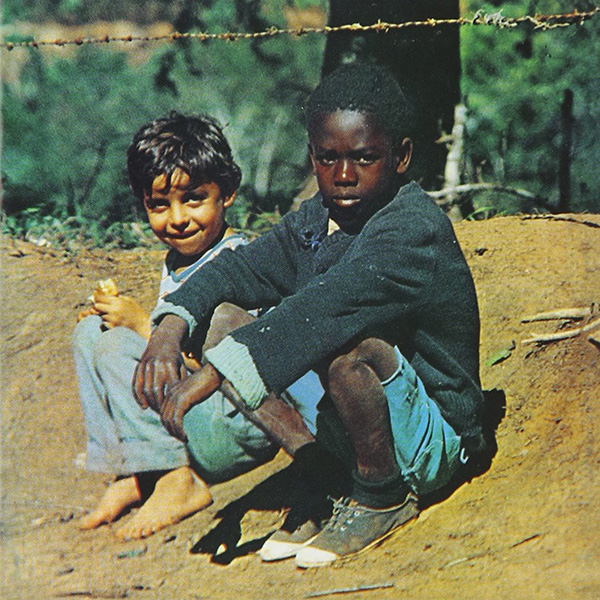
It feels almost wrong to write about a work so sainted and beloved, but somehow I can never get to the bottom of this record. There's its origin story, about a group of desperately young musicians who gather on a street corner in Belo Horizonte; they rent a beach house where they record a masterwork of postwar pop. There's the fact that nearly all went on to have celebrated careers. And then there's Nascimento himself, Brazil's greatest and most recognizable male singer, often referred to as "Voz de Deus." But none of this explains Clube da Esquina's most unique feature, which is the impossibility of classifying it within a genre-based framework. Sections of the double album recall the Beatles, Miles Davis, flamenco, fado, choro, Erasmo Carlos, Ravel, surf rock, and who knows what else, yet all of it somehow fits together as naturally as an avocado and its pit.
Take the track "Clube da Esquina No 2," on which Nascimento hums along with his guitar while a string section plays a contrasting motif arranged by Eumir Deodato. Nascimento's falsetto climbs higher, the strings swell, and all at once the music brings to mind "God Only Knows," Serge Gainsbourg, Jobim's orchestral suites, and the Flaming Lips' Yoshimi Battles the Pink Robots. There's so much more—the sky-high singing of Beto Guedes, the spectacular guitarwork of Toninho Horta, the cosmic poetry of Fernando Brant. This is one of those rare recordings, like Pet Sounds or A Love Supreme, that seems to exist at the outer edge of human capacity and feels utterly inexhaustible.
• Milton Nascimento and Lô Borges, Clube Da Esquina (1972)
It feels almost wrong to write about a work so sainted and beloved, but somehow I can never get to the bottom of this record. There's its origin story, about a group of desperately young musicians who gather on a street corner in Belo Horizonte; they rent a beach house where they record a masterwork of postwar pop. There's the fact that nearly all went on to have celebrated careers. And then there's Nascimento himself, Brazil's greatest and most recognizable male singer, often referred to as "Voz de Deus." But none of this explains Clube da Esquina's most unique feature, which is the impossibility of classifying it within a genre-based framework. Sections of the double album recall the Beatles, Miles Davis, flamenco, fado, choro, Erasmo Carlos, Ravel, surf rock, and who knows what else, yet all of it somehow fits together as naturally as an avocado and its pit.
Take the track "Clube da Esquina No 2," on which Nascimento hums along with his guitar while a string section plays a contrasting motif arranged by Eumir Deodato. Nascimento's falsetto climbs higher, the strings swell, and all at once the music brings to mind "God Only Knows," Serge Gainsbourg, Jobim's orchestral suites, and the Flaming Lips' Yoshimi Battles the Pink Robots. There's so much more—the sky-high singing of Beto Guedes, the spectacular guitarwork of Toninho Horta, the cosmic poetry of Fernando Brant. This is one of those rare recordings, like Pet Sounds or A Love Supreme, that seems to exist at the outer edge of human capacity and feels utterly inexhaustible.
 • Cartola, Cartola (1974)
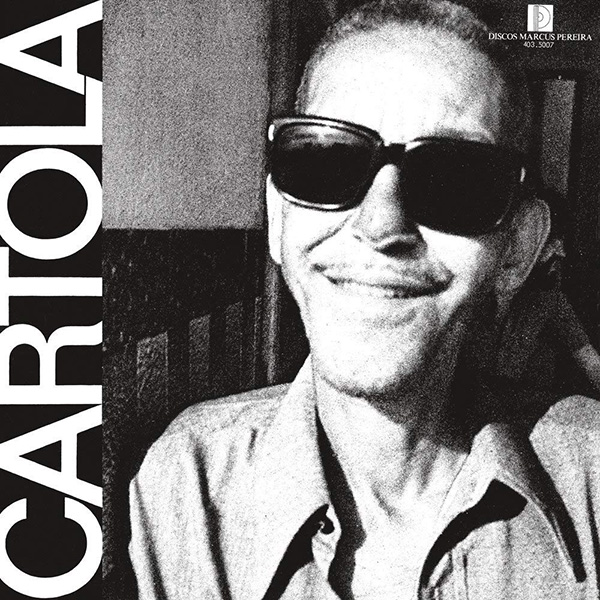
Better known as Cartola ("top hat" in Portuguese), Angenor de Oliveira was a key figure in a musical movement called samba de morro. That name refers to the hillsides surrounding Rio that became home to the city's impoverished favelas, whose residents both created and made up the main audience for this music. Cartola founded a popular samba school and had many influential champions, including Heitor Villa-Lobos, yet spent most of his life in desperate poverty. You might not know it from listening to the more than 500 songs he composed alone and with others. Written in impeccable Portuguese, in their uncommon concision and elegance his lyrics are a little like those of Hank Williams.
Astonishingly, Cartola didn't make this, his first record, until he was 66. At the time, to make ends meet, he was washing cars. Foregrounding his gloriously faded voice and guitar playing, each track is exemplary of its writer's genius for packing meaning into a handful of words. "I intend to live my life smiling/because I cried my childhood away," he sings on "O Sol Nascerá (A Sorrir)," one of his best known sambas, and there's no more affecting version than this one. Though Cartola lived only another six years, this record's release launched a rediscovery of his music as well as his most productive period. The follow-up from 1976, also titled Cartola, might be even better, but the debut sounds like a record that someone had waited a lifetime to make.
• Cartola, Cartola (1974)
Better known as Cartola ("top hat" in Portuguese), Angenor de Oliveira was a key figure in a musical movement called samba de morro. That name refers to the hillsides surrounding Rio that became home to the city's impoverished favelas, whose residents both created and made up the main audience for this music. Cartola founded a popular samba school and had many influential champions, including Heitor Villa-Lobos, yet spent most of his life in desperate poverty. You might not know it from listening to the more than 500 songs he composed alone and with others. Written in impeccable Portuguese, in their uncommon concision and elegance his lyrics are a little like those of Hank Williams.
Astonishingly, Cartola didn't make this, his first record, until he was 66. At the time, to make ends meet, he was washing cars. Foregrounding his gloriously faded voice and guitar playing, each track is exemplary of its writer's genius for packing meaning into a handful of words. "I intend to live my life smiling/because I cried my childhood away," he sings on "O Sol Nascerá (A Sorrir)," one of his best known sambas, and there's no more affecting version than this one. Though Cartola lived only another six years, this record's release launched a rediscovery of his music as well as his most productive period. The follow-up from 1976, also titled Cartola, might be even better, but the debut sounds like a record that someone had waited a lifetime to make.
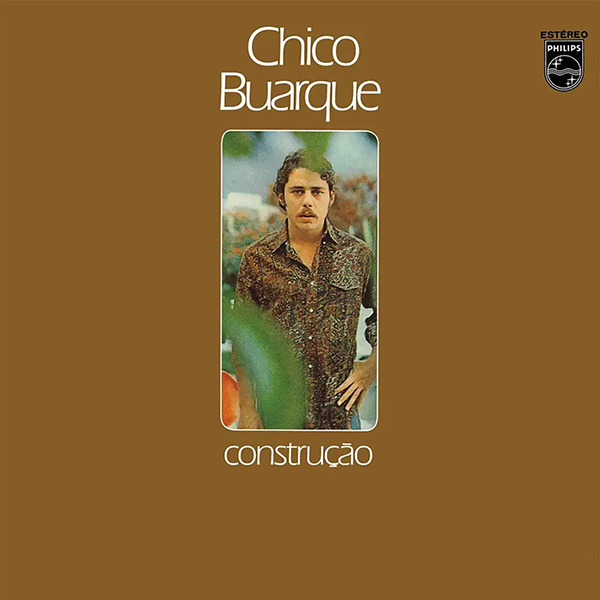 • Chico Buarque, Construção (1971)
I never mourn my lack of fluency in Portuguese more than when I listen to Chico Buarque. The most literary of MPB's scores of literary songwriters, he possessed matinee-idol looks, an aristocratic surname, a warm singing voice, and enough talent to become renowned as a singer, songwriter, novelist, and poet. He was also a relentless critic—and frequent target—of Brazil's regime, couching his lyrics in metaphor and allusion to stay out of jail. On the title track of this flawless album, Buarque tells a story of a bricklayer who leaves his home in the morning to work on a tall scaffolding only to fall to his death. With every repetition, Buarque changes the last word of each line, shifting the story until it could be nearly anyone's. Shadowing the voice, guitar, and percussion like a storm cloud is composer Rogério Duprat's churning, genuinely radical orchestral arrangement, which ratchets up the nearly unbearable tension. Suddenly the melody changes, and Buarque, backed by a small choir, sings the ferocious coda, seeming to speak directly to the country's autocrats: "For this birth certificate and permission to smile/For allowing me to breathe and to exist/May God pay you back." It's another reminder that the stupidity of censors is one of the small blessings of dictatorship.
• Chico Buarque, Construção (1971)
I never mourn my lack of fluency in Portuguese more than when I listen to Chico Buarque. The most literary of MPB's scores of literary songwriters, he possessed matinee-idol looks, an aristocratic surname, a warm singing voice, and enough talent to become renowned as a singer, songwriter, novelist, and poet. He was also a relentless critic—and frequent target—of Brazil's regime, couching his lyrics in metaphor and allusion to stay out of jail. On the title track of this flawless album, Buarque tells a story of a bricklayer who leaves his home in the morning to work on a tall scaffolding only to fall to his death. With every repetition, Buarque changes the last word of each line, shifting the story until it could be nearly anyone's. Shadowing the voice, guitar, and percussion like a storm cloud is composer Rogério Duprat's churning, genuinely radical orchestral arrangement, which ratchets up the nearly unbearable tension. Suddenly the melody changes, and Buarque, backed by a small choir, sings the ferocious coda, seeming to speak directly to the country's autocrats: "For this birth certificate and permission to smile/For allowing me to breathe and to exist/May God pay you back." It's another reminder that the stupidity of censors is one of the small blessings of dictatorship.
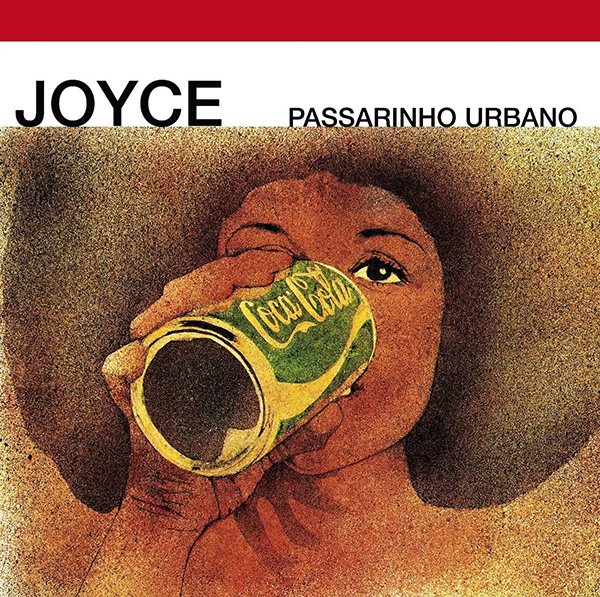 • Joyce Moreno, Passarinho Urbano (1976)
In 1975, singer Joyce Moreno found herself in a studio in Rome. She had just finished a tour with poet and songwriter Vinicius de Moraes and decided to take advantage of being abroad and make a concept album that captured life in Brazil with bracing honesty. Moreno was taking a hiatus from writing and chose songs by artists whose work had been banned by the regime, including Milton Nascimento, Edu Lobo, Caetano Veloso, Paulinho da Viola, and Chico Buarque. Their lyrics spoke about the violence, hunger, and neglect faced by the urban poor. Most of the album's 18 tracks are under two minutes, and like the little bird in the album's title, Moreno flits from one scene to the next, telling an episodic story. Its message is difficult to miss. On "Passarinho," the only song she wrote, she sings, "Those who are here blocking my path/They will pass." As yet another middle finger raised to the dictatorship, which was trying to rid Brazil of foreign products, on the cover Moreno is pictured drinking a Coca-Cola. Yet despite the album's political wallop, what lingers is its spirit of calm. Backed by a bare-bones acoustic band and her guitar, Moreno is a master at using silence and lends these songs a serene, steely beauty that makes them some of the most memorable recorded during the 1970s.
A few months ago, I saw Moreno perform in New York. Though these days she works with a jazz band, her fine voice and clear-eyed poise were in full effect.
• Joyce Moreno, Passarinho Urbano (1976)
In 1975, singer Joyce Moreno found herself in a studio in Rome. She had just finished a tour with poet and songwriter Vinicius de Moraes and decided to take advantage of being abroad and make a concept album that captured life in Brazil with bracing honesty. Moreno was taking a hiatus from writing and chose songs by artists whose work had been banned by the regime, including Milton Nascimento, Edu Lobo, Caetano Veloso, Paulinho da Viola, and Chico Buarque. Their lyrics spoke about the violence, hunger, and neglect faced by the urban poor. Most of the album's 18 tracks are under two minutes, and like the little bird in the album's title, Moreno flits from one scene to the next, telling an episodic story. Its message is difficult to miss. On "Passarinho," the only song she wrote, she sings, "Those who are here blocking my path/They will pass." As yet another middle finger raised to the dictatorship, which was trying to rid Brazil of foreign products, on the cover Moreno is pictured drinking a Coca-Cola. Yet despite the album's political wallop, what lingers is its spirit of calm. Backed by a bare-bones acoustic band and her guitar, Moreno is a master at using silence and lends these songs a serene, steely beauty that makes them some of the most memorable recorded during the 1970s.
A few months ago, I saw Moreno perform in New York. Though these days she works with a jazz band, her fine voice and clear-eyed poise were in full effect.
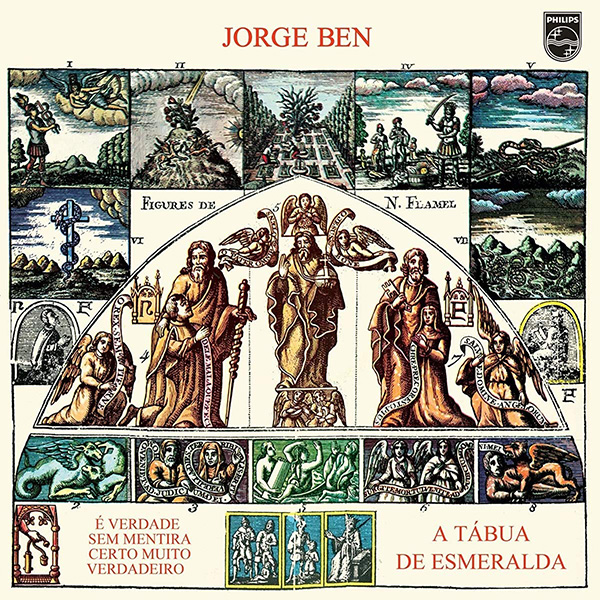 • Jorge Ben, A Tábua de Esmeralda (1974)
Like an exotic Amazonian plant that has sprung up in a manicured garden, Jorge Ben has no peers. He has always operated by his own rules, refusing to take part in artistic movements or make overt political statements. His eccentricity can be glimpsed in his lyrics, which concern soccer, Black liberation, and for reasons that aren't entirely clear to me, the ancient practice of alchemy and prehistoric visitors from other galaxies. What has never been in dispute is Ben's brilliance: No artist in Brazil during the 1970s released a more consistently delightful set of recordings. Gilberto Gil once said that he nearly didn't take up music because he didn't think he could do it as well as Ben.
It can be difficult to choose a favorite, but A Tábua De Esmeralda (The Emerald Tablet) contains everything that makes Ben so magnetic. Sometimes described as samba rock, this music is organized around his voice and distinctive guitar playing; his longtime backing band, Trio Mocotó, is barely in evidence. What sets the record apart is its mood. Ben extracts so much pleasure from these infectious melodies that they seem to give off light. Unlike the bossa nova singers, he doesn't truck in saudade, the melancholic longing that feeds Portuguese and Brazilian soul music like an underground aquifer. He doesn't ignore social and historical issues—just listen to "Zumbi," about the leader of enslaved Afro-Brazilians who rebelled against the Portuguese. Ben just seems to believe that like alchemists turning lead into gold, the sheer elation of music can transmute the darkness of bad times into moments of joy.
• Jorge Ben, A Tábua de Esmeralda (1974)
Like an exotic Amazonian plant that has sprung up in a manicured garden, Jorge Ben has no peers. He has always operated by his own rules, refusing to take part in artistic movements or make overt political statements. His eccentricity can be glimpsed in his lyrics, which concern soccer, Black liberation, and for reasons that aren't entirely clear to me, the ancient practice of alchemy and prehistoric visitors from other galaxies. What has never been in dispute is Ben's brilliance: No artist in Brazil during the 1970s released a more consistently delightful set of recordings. Gilberto Gil once said that he nearly didn't take up music because he didn't think he could do it as well as Ben.
It can be difficult to choose a favorite, but A Tábua De Esmeralda (The Emerald Tablet) contains everything that makes Ben so magnetic. Sometimes described as samba rock, this music is organized around his voice and distinctive guitar playing; his longtime backing band, Trio Mocotó, is barely in evidence. What sets the record apart is its mood. Ben extracts so much pleasure from these infectious melodies that they seem to give off light. Unlike the bossa nova singers, he doesn't truck in saudade, the melancholic longing that feeds Portuguese and Brazilian soul music like an underground aquifer. He doesn't ignore social and historical issues—just listen to "Zumbi," about the leader of enslaved Afro-Brazilians who rebelled against the Portuguese. Ben just seems to believe that like alchemists turning lead into gold, the sheer elation of music can transmute the darkness of bad times into moments of joy.
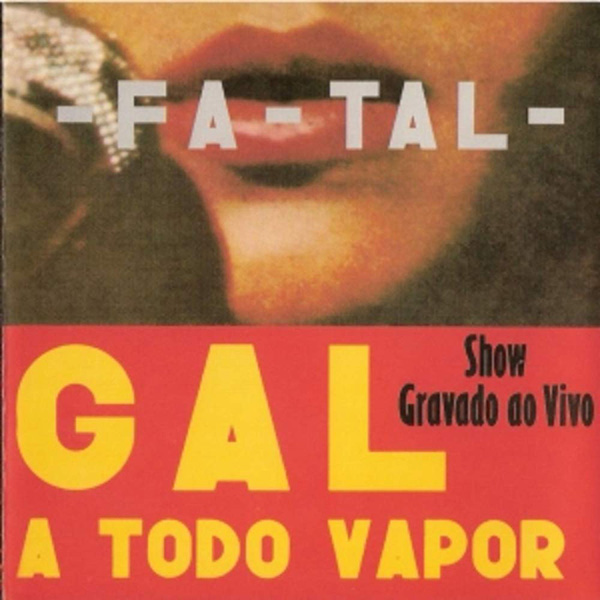 • Gal Costa, Gal a Todo Vapor (1971)
The late Gal Costa was a walking history of Brazilian music. Her debut, the whisper-quiet Domingo which she recorded with her friend Caetano Veloso in 1967, was lilting bossa nova. With Veloso, Nara Leão, Os Mutantes, and others, she next appeared on Tropicália ou Panis et Circensis, a record cum manifesto of the psychedelic, poetic, and stridently political movement that stood in stark opposition to the regime. Costa's next three records continued in this mode. The transformation came in 1972 on the superb Índia, which traded the wailing guitars and glam vocals for Gilberto Gil's warmly sophisticated arrangements. But for me, her finest moment came just before, on the live double album Gal a Todo Vapor (Gal at Full Steam). On the first LP, she appears alone, accompanying herself on guitar and singing with so much clarity, force, and sheer intention that you can almost hear the audience's shocked silence. Just listen to her on Roberto Carlos's lacerating "Sua Estupidez"; I dare you not to be rooted in place by its intensity. On the second half, her terrific and very loud band joins her and burns the place down. Costa cuts through the noise, sounding commanding and dangerous on some tracks and heartbroken and torchy on others. A bracing, overlooked gem.
• Gal Costa, Gal a Todo Vapor (1971)
The late Gal Costa was a walking history of Brazilian music. Her debut, the whisper-quiet Domingo which she recorded with her friend Caetano Veloso in 1967, was lilting bossa nova. With Veloso, Nara Leão, Os Mutantes, and others, she next appeared on Tropicália ou Panis et Circensis, a record cum manifesto of the psychedelic, poetic, and stridently political movement that stood in stark opposition to the regime. Costa's next three records continued in this mode. The transformation came in 1972 on the superb Índia, which traded the wailing guitars and glam vocals for Gilberto Gil's warmly sophisticated arrangements. But for me, her finest moment came just before, on the live double album Gal a Todo Vapor (Gal at Full Steam). On the first LP, she appears alone, accompanying herself on guitar and singing with so much clarity, force, and sheer intention that you can almost hear the audience's shocked silence. Just listen to her on Roberto Carlos's lacerating "Sua Estupidez"; I dare you not to be rooted in place by its intensity. On the second half, her terrific and very loud band joins her and burns the place down. Costa cuts through the noise, sounding commanding and dangerous on some tracks and heartbroken and torchy on others. A bracing, overlooked gem.
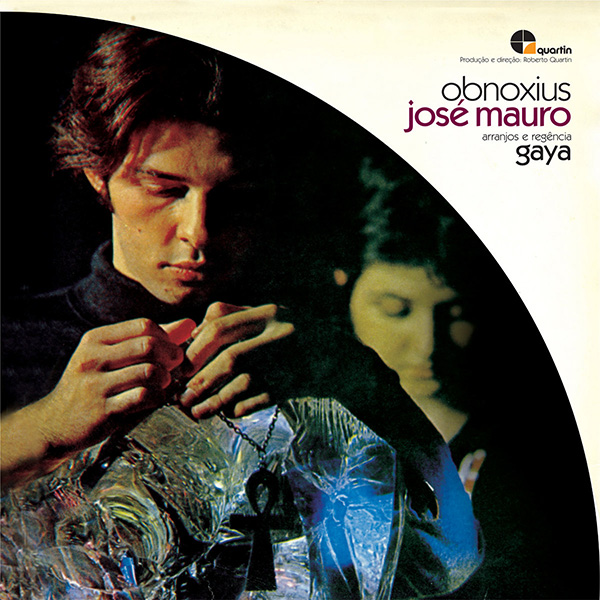 • José Mauro, Obnoxius (1970)
In 1970, José Mauro, a 22-year-old singer and guitar student, and his close friend, a journalist named Ana Maria Bahiana, made a record with an odd title, a Latin word that means "guilty." The unconventional songs were built around Bahiana's surreal, fairly abstract lyrics, full of violence and religious laments. The intimate, melancholy atmosphere brings to mind both Scott Walker and Nick Drake. Even stranger was the stunning orchestral setting composed by one of Brazil's top arrangers, Lindolfo Gaya, a dream of screaming violins, growling harmonicas, ululating cuícas, chromatic outbursts, and Morricone-like sound effects. Nothing like it was coming out of Brazil's studios, but the record failed to attract much attention. A second LP, A Viagem das Horas, recorded concurrently but released six years later, didn't sell either. For decades these LPs were known only to the most dedicated crate diggers and deejays; Madlib sampled a track in 2006. It was not until 2016, when a UK label reissued Obnoxius, that a broader listening public became aware of Mauro and his baroque masterpiece.
It took several more years to locate the reclusive artist, who was rumored to have died in a motorcycle accident or been disappeared by the regime. It turned out that he was living on the outskirts of Rio, having given up music due to Parkinson's disease and, presumably, a lack of public interest. Upon being "found," Mauro said that he was surprised his music had lasted as long as it did, adding, "I always focused on achieving a sense of beauty, a sense of wonder." He passed in September 2024, but his records, reissued in magnificent sound, are more accessible today than ever before.
• José Mauro, Obnoxius (1970)
In 1970, José Mauro, a 22-year-old singer and guitar student, and his close friend, a journalist named Ana Maria Bahiana, made a record with an odd title, a Latin word that means "guilty." The unconventional songs were built around Bahiana's surreal, fairly abstract lyrics, full of violence and religious laments. The intimate, melancholy atmosphere brings to mind both Scott Walker and Nick Drake. Even stranger was the stunning orchestral setting composed by one of Brazil's top arrangers, Lindolfo Gaya, a dream of screaming violins, growling harmonicas, ululating cuícas, chromatic outbursts, and Morricone-like sound effects. Nothing like it was coming out of Brazil's studios, but the record failed to attract much attention. A second LP, A Viagem das Horas, recorded concurrently but released six years later, didn't sell either. For decades these LPs were known only to the most dedicated crate diggers and deejays; Madlib sampled a track in 2006. It was not until 2016, when a UK label reissued Obnoxius, that a broader listening public became aware of Mauro and his baroque masterpiece.
It took several more years to locate the reclusive artist, who was rumored to have died in a motorcycle accident or been disappeared by the regime. It turned out that he was living on the outskirts of Rio, having given up music due to Parkinson's disease and, presumably, a lack of public interest. Upon being "found," Mauro said that he was surprised his music had lasted as long as it did, adding, "I always focused on achieving a sense of beauty, a sense of wonder." He passed in September 2024, but his records, reissued in magnificent sound, are more accessible today than ever before.
• João Gilberto, João Gilberto (1973)
How strange that the foundational figure of bossa nova, known in Brazil simply as O Mito (The Myth), rarely raised his voice above a near-whisper. To listen to Gilberto framed only by the barely-there drumming of Sonny Carr is to revel in the rhythmic dance between singer and guitar and, in a broader sense, to be astonished by the inwardness of this music. It was committed to tape nearly a decade after the height of the bossa craze (and the classic outing with Stan Getz), but for many this remains the definitive Gilberto recording. It does away with orchestral sweetening, which he never needed, and features him singing a near perfect set, ranging from pre-bossa standards by Ary Barroso and Geraldo Pereira, newer songs from Caetano Veloso and Gilberto Gil, and Antônio Carlos Jobim's recently released but already classic "Águas de Março." On three of the tracks, he doesn't sing at all. That Gilberto can convey so much while surrounded by so much silence borders on the magical. Though it was recorded in New Jersey and engineered by the marvelous Wendy Carlos, João Gilberto was never released in the US and hasn't had a proper reissue on LP since 1989. So finding a vinyl copy of this—one of the most beautiful records ever made—can be an adventure.
• Lula Côrtes and Zé Ramalho, Paêbirú (1975)
In 1974, musicians Lula Côrtes and Zé Ramalho set off on a trip through the state of Paraíba, the part of Brazil that juts elbow-like into the Atlantic. Having packed little more than a bag of magic mushrooms and their guitars, they went looking for a stone standing in the middle of the winding Ingá River that, some 12,000 years earlier, was incised with petroglyphs that have never been deciphered. The trip became the inspiration for this weird, sublime double album. Côrtes and Ramalho surround the psychedelic strains introduced to Brazilian music by Tropicália with the chanting and drumming of Candomblé ceremonies, pastoral saxophone and flute vistas, fuzz-rock breakdowns, glades of crystalline piano, and lyrics about Sumé, the mythical hero of the Guarani people who was said to have inscribed the Ingá Stone with his teachings. Music being what it is, this description won't give you much of a sense of these four sides, each titled after one of the elements, other than to possibly suggest that they are an aesthetic and sonic mess. Which is too bad, because Paêbirú is brilliantly coherent, with frenzied playing flowing into passages of unexpected stillness with a seamless mystery. The fact that nearly every copy of the album's first pressing reportedly perished in a flood just adds to its otherworldly allure.
• Elis Regina and Antônio Carlos Jobim, Elis & Tom (1974)
It is difficult to choose a favorite among Jobim's records. Some love the suave jazz on Stone Flower, others the oceanic easy listening on Wave or maybe the fine sessions with Sinatra. There are fans of the Debussy and Villa-Lobos–inspired tone poems on 1972's Jobim and those who prefer the orchestral outback music on Urubu. For me, it's his record with Elis Regina, which started about as poorly as a musical collaboration can.
Gifted with a glorious voice and early success, Regina favored slick arrangements and material that allowed her to showcase her vocal athleticism. She confided to a friend that while Jobim's bossa nova stuff was nice enough, she thought anyone could sing it. What happened then is told entertainingly in Roberto de Oliveira and Jom Tob Azulay's 2022 documentary about the making of this record.
• Milton Nascimento and Lô Borges, Clube Da Esquina (1972)
It feels almost wrong to write about a work so sainted and beloved, but somehow I can never get to the bottom of this record. There's its origin story, about a group of desperately young musicians who gather on a street corner in Belo Horizonte; they rent a beach house where they record a masterwork of postwar pop. There's the fact that nearly all went on to have celebrated careers. And then there's Nascimento himself, Brazil's greatest and most recognizable male singer, often referred to as "Voz de Deus." But none of this explains Clube da Esquina's most unique feature, which is the impossibility of classifying it within a genre-based framework. Sections of the double album recall the Beatles, Miles Davis, flamenco, fado, choro, Erasmo Carlos, Ravel, surf rock, and who knows what else, yet all of it somehow fits together as naturally as an avocado and its pit.
Take the track "Clube da Esquina No 2," on which Nascimento hums along with his guitar while a string section plays a contrasting motif arranged by Eumir Deodato. Nascimento's falsetto climbs higher, the strings swell, and all at once the music brings to mind "God Only Knows," Serge Gainsbourg, Jobim's orchestral suites, and the Flaming Lips' Yoshimi Battles the Pink Robots. There's so much more—the sky-high singing of Beto Guedes, the spectacular guitarwork of Toninho Horta, the cosmic poetry of Fernando Brant. This is one of those rare recordings, like Pet Sounds or A Love Supreme, that seems to exist at the outer edge of human capacity and feels utterly inexhaustible.
• Cartola, Cartola (1974)
Better known as Cartola ("top hat" in Portuguese), Angenor de Oliveira was a key figure in a musical movement called samba de morro. That name refers to the hillsides surrounding Rio that became home to the city's impoverished favelas, whose residents both created and made up the main audience for this music. Cartola founded a popular samba school and had many influential champions, including Heitor Villa-Lobos, yet spent most of his life in desperate poverty. You might not know it from listening to the more than 500 songs he composed alone and with others. Written in impeccable Portuguese, in their uncommon concision and elegance his lyrics are a little like those of Hank Williams.
Astonishingly, Cartola didn't make this, his first record, until he was 66. At the time, to make ends meet, he was washing cars. Foregrounding his gloriously faded voice and guitar playing, each track is exemplary of its writer's genius for packing meaning into a handful of words. "I intend to live my life smiling/because I cried my childhood away," he sings on "O Sol Nascerá (A Sorrir)," one of his best known sambas, and there's no more affecting version than this one. Though Cartola lived only another six years, this record's release launched a rediscovery of his music as well as his most productive period. The follow-up from 1976, also titled Cartola, might be even better, but the debut sounds like a record that someone had waited a lifetime to make.
• Chico Buarque, Construção (1971)
I never mourn my lack of fluency in Portuguese more than when I listen to Chico Buarque. The most literary of MPB's scores of literary songwriters, he possessed matinee-idol looks, an aristocratic surname, a warm singing voice, and enough talent to become renowned as a singer, songwriter, novelist, and poet. He was also a relentless critic—and frequent target—of Brazil's regime, couching his lyrics in metaphor and allusion to stay out of jail. On the title track of this flawless album, Buarque tells a story of a bricklayer who leaves his home in the morning to work on a tall scaffolding only to fall to his death. With every repetition, Buarque changes the last word of each line, shifting the story until it could be nearly anyone's. Shadowing the voice, guitar, and percussion like a storm cloud is composer Rogério Duprat's churning, genuinely radical orchestral arrangement, which ratchets up the nearly unbearable tension. Suddenly the melody changes, and Buarque, backed by a small choir, sings the ferocious coda, seeming to speak directly to the country's autocrats: "For this birth certificate and permission to smile/For allowing me to breathe and to exist/May God pay you back." It's another reminder that the stupidity of censors is one of the small blessings of dictatorship.
• Joyce Moreno, Passarinho Urbano (1976)
In 1975, singer Joyce Moreno found herself in a studio in Rome. She had just finished a tour with poet and songwriter Vinicius de Moraes and decided to take advantage of being abroad and make a concept album that captured life in Brazil with bracing honesty. Moreno was taking a hiatus from writing and chose songs by artists whose work had been banned by the regime, including Milton Nascimento, Edu Lobo, Caetano Veloso, Paulinho da Viola, and Chico Buarque. Their lyrics spoke about the violence, hunger, and neglect faced by the urban poor. Most of the album's 18 tracks are under two minutes, and like the little bird in the album's title, Moreno flits from one scene to the next, telling an episodic story. Its message is difficult to miss. On "Passarinho," the only song she wrote, she sings, "Those who are here blocking my path/They will pass." As yet another middle finger raised to the dictatorship, which was trying to rid Brazil of foreign products, on the cover Moreno is pictured drinking a Coca-Cola. Yet despite the album's political wallop, what lingers is its spirit of calm. Backed by a bare-bones acoustic band and her guitar, Moreno is a master at using silence and lends these songs a serene, steely beauty that makes them some of the most memorable recorded during the 1970s.
A few months ago, I saw Moreno perform in New York. Though these days she works with a jazz band, her fine voice and clear-eyed poise were in full effect.
• Jorge Ben, A Tábua de Esmeralda (1974)
Like an exotic Amazonian plant that has sprung up in a manicured garden, Jorge Ben has no peers. He has always operated by his own rules, refusing to take part in artistic movements or make overt political statements. His eccentricity can be glimpsed in his lyrics, which concern soccer, Black liberation, and for reasons that aren't entirely clear to me, the ancient practice of alchemy and prehistoric visitors from other galaxies. What has never been in dispute is Ben's brilliance: No artist in Brazil during the 1970s released a more consistently delightful set of recordings. Gilberto Gil once said that he nearly didn't take up music because he didn't think he could do it as well as Ben.
• Gal Costa, Gal a Todo Vapor (1971)
The late Gal Costa was a walking history of Brazilian music. Her debut, the whisper-quiet Domingo which she recorded with her friend Caetano Veloso in 1967, was lilting bossa nova. With Veloso, Nara Leão, Os Mutantes, and others, she next appeared on Tropicália ou Panis et Circensis, a record cum manifesto of the psychedelic, poetic, and stridently political movement that stood in stark opposition to the regime. Costa's next three records continued in this mode. The transformation came in 1972 on the superb Índia, which traded the wailing guitars and glam vocals for Gilberto Gil's warmly sophisticated arrangements. But for me, her finest moment came just before, on the live double album Gal a Todo Vapor (Gal at Full Steam). On the first LP, she appears alone, accompanying herself on guitar and singing with so much clarity, force, and sheer intention that you can almost hear the audience's shocked silence. Just listen to her on Roberto Carlos's lacerating "Sua Estupidez"; I dare you not to be rooted in place by its intensity. On the second half, her terrific and very loud band joins her and burns the place down. Costa cuts through the noise, sounding commanding and dangerous on some tracks and heartbroken and torchy on others. A bracing, overlooked gem.
• José Mauro, Obnoxius (1970)
In 1970, José Mauro, a 22-year-old singer and guitar student, and his close friend, a journalist named Ana Maria Bahiana, made a record with an odd title, a Latin word that means "guilty." The unconventional songs were built around Bahiana's surreal, fairly abstract lyrics, full of violence and religious laments. The intimate, melancholy atmosphere brings to mind both Scott Walker and Nick Drake. Even stranger was the stunning orchestral setting composed by one of Brazil's top arrangers, Lindolfo Gaya, a dream of screaming violins, growling harmonicas, ululating cuícas, chromatic outbursts, and Morricone-like sound effects. Nothing like it was coming out of Brazil's studios, but the record failed to attract much attention. A second LP, A Viagem das Horas, recorded concurrently but released six years later, didn't sell either. For decades these LPs were known only to the most dedicated crate diggers and deejays; Madlib sampled a track in 2006. It was not until 2016, when a UK label reissued Obnoxius, that a broader listening public became aware of Mauro and his baroque masterpiece.