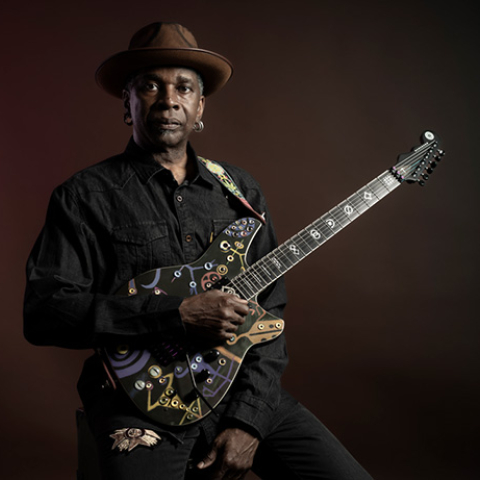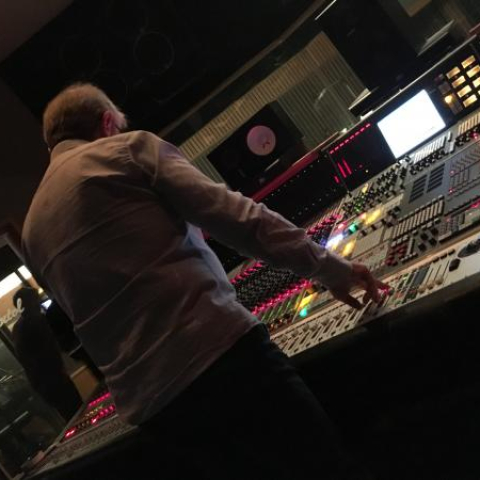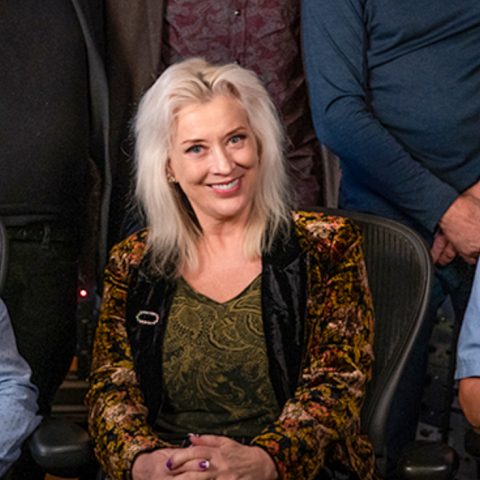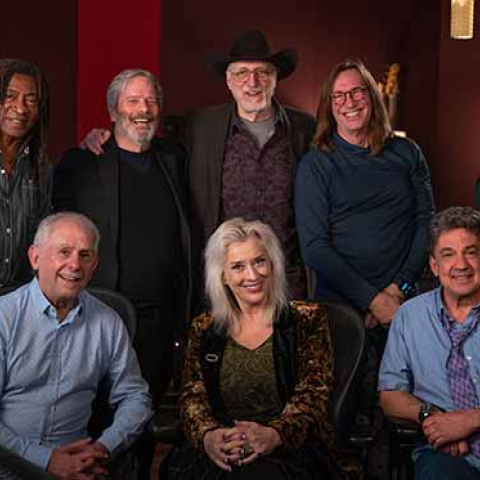
Photo: Chapman Baehler
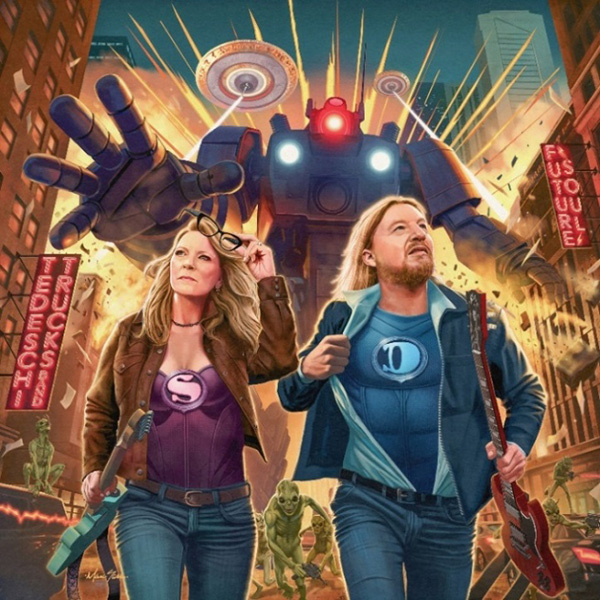
You could say that guitar phenom Derek Trucks grew up in a musical family. His late uncle, drummer Butch Trucks, was a cofounder of The Allman Brothers Band, and his younger brother Duane drums for Widespread Panic. Derek's jam-centric DNA shaped the sound found in the grooves of Future Soul (Fantasy), the sixth studio album from Tedeschi Trucks Band, the 12-piece collective he co-fronts with his wife, vocalist/guitarist Susan Tedeschi. Future Soul was released in March. (Also see Ray Chelstowski's review in this issue's Record Reviews.) That DNA also spills over to what he puts on his turntable.
"When I was a kid, I had a copy of Eat a Peach," (footnote 1) Trucks confided during a recent Zoom interview. "Just recently, my grandfather—my uncle Butch's father, and a World War II vet—passed away at 101 years old, and I now have his vinyl collection. It's mainly records like Glenn Miller and Jim Nabors—but then he had all the Allman Brothers' original pressings, because his son was on those records. I listened to his copy of Eat a Peach the other day, which was really cool. But I was also thinking, 'What did that guy think about this record when it came out?' He probably didn't love it," Trucks concluded with a hearty laugh.
We'll never know the answer to that genre-bending rhetorical question. What we do know is that generations of listeners have connected with the Tedeschi Trucks Band's caretaking and advancement of the jam-band mantle since the Allman Brothers called it quits in 2014.
 Sometimes all it took was leaving the humanity intact, which happened in the last quarter of "Devil Be Gone," at the song's 3:37 mark, when Tedeschi's endearing, self-conscious laugh is heard. "We were trading [riffs], and she played what she felt like was a bad note in her solo, and that's when she's laughing at herself on the mike," Trucks explained. "She laughed right after that note because she felt like she had done something wrong. When we got in the control room, everyone was like, 'That is awesome!'—but she was like, 'We cannot put that on the record.' And we were like, 'We have to put that on the record!' Every time we listened back to it, she would grimace because she was so stressed about it—but we went, 'No, Sue, that's the best note on the whole album. If you really don't want it there, we'll take it off—but we really think it should be there.' She finally came around to it."
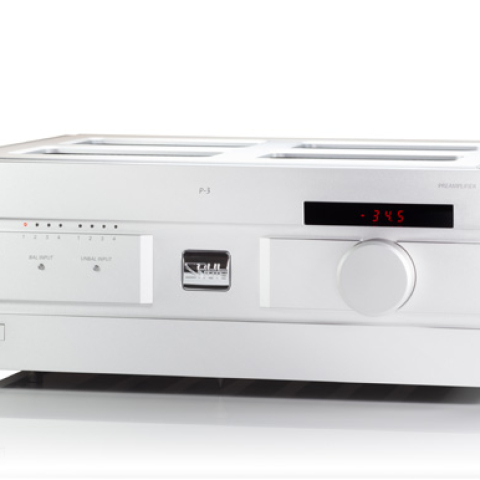
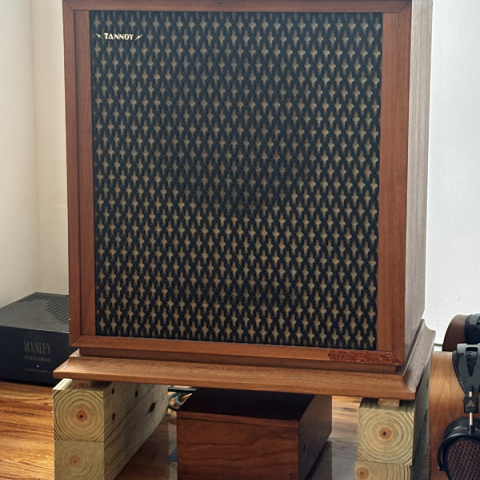
Trucks has a nice home stereo system. It includes a J.Sikora turntable and a Doshi Audio preamplifier. It was pieced together with direct input from Brian Speiser, TTB's front-of-house engineer, who's officially credited on Future Soul as its vinyl supervisor. "I trust his ears with vinyl to the ends of the earth," Trucks asserted. "I listen to my test copy, and he listens to his, and then we share a phone call about it. He's quicker than I am to say what's wrong with a test pressing, and he's the one who tells the professionals what needs to be done. We're one of those bands who take it that seriously." For Trucks, sequencing an album is a matter of capturing a certain vibe. "We sequence our records specifically for those vinyl splits, and you hope it makes people feel something," he said. "When I put on a record, that's what I'm looking for. Sometimes, you're looking for a 'cerebral' thing—but most of the time, you want to put something on that helps you get through a lot of different things. Other times, it makes you feel things you forgot about, and then you reconnect with them. I go back to certain records when I'm out of inspiration, or if I feel like I'm tapped out. When you go back and listen, it reminds you why you do it."
Sometimes all it took was leaving the humanity intact, which happened in the last quarter of "Devil Be Gone," at the song's 3:37 mark, when Tedeschi's endearing, self-conscious laugh is heard. "We were trading [riffs], and she played what she felt like was a bad note in her solo, and that's when she's laughing at herself on the mike," Trucks explained. "She laughed right after that note because she felt like she had done something wrong. When we got in the control room, everyone was like, 'That is awesome!'—but she was like, 'We cannot put that on the record.' And we were like, 'We have to put that on the record!' Every time we listened back to it, she would grimace because she was so stressed about it—but we went, 'No, Sue, that's the best note on the whole album. If you really don't want it there, we'll take it off—but we really think it should be there.' She finally came around to it."
Trucks has a nice home stereo system. It includes a J.Sikora turntable and a Doshi Audio preamplifier. It was pieced together with direct input from Brian Speiser, TTB's front-of-house engineer, who's officially credited on Future Soul as its vinyl supervisor. "I trust his ears with vinyl to the ends of the earth," Trucks asserted. "I listen to my test copy, and he listens to his, and then we share a phone call about it. He's quicker than I am to say what's wrong with a test pressing, and he's the one who tells the professionals what needs to be done. We're one of those bands who take it that seriously." For Trucks, sequencing an album is a matter of capturing a certain vibe. "We sequence our records specifically for those vinyl splits, and you hope it makes people feel something," he said. "When I put on a record, that's what I'm looking for. Sometimes, you're looking for a 'cerebral' thing—but most of the time, you want to put something on that helps you get through a lot of different things. Other times, it makes you feel things you forgot about, and then you reconnect with them. I go back to certain records when I'm out of inspiration, or if I feel like I'm tapped out. When you go back and listen, it reminds you why you do it."
Footnote 1: The Allman Brothers Band's half-live/half-studio two-LP set Eat a Peach was released by Capricorn in 1972. Footnote 2: On his 1972 LP Talking Book (Tamla), Stevie Wonder played a Fender Rhodes piano, Hohner clavinet, T.O.N.T.O. synthesizer, harpsichord, and Moog bass.