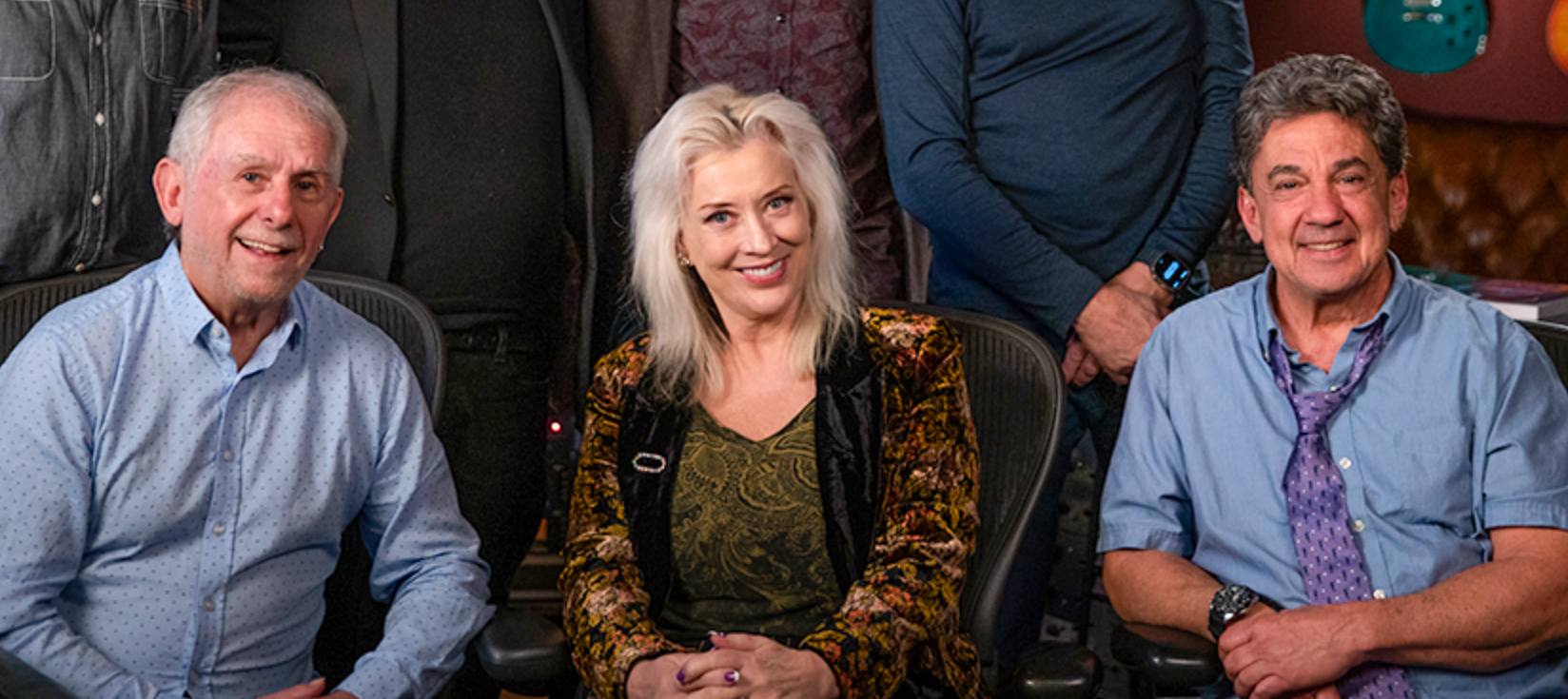
Studio Masters: Close-up on three of the seven producers/engineers participating in the Studio Confidential series. From, l-r: Elliot Scheiner, Sylvia Massy, Niko Bolas.
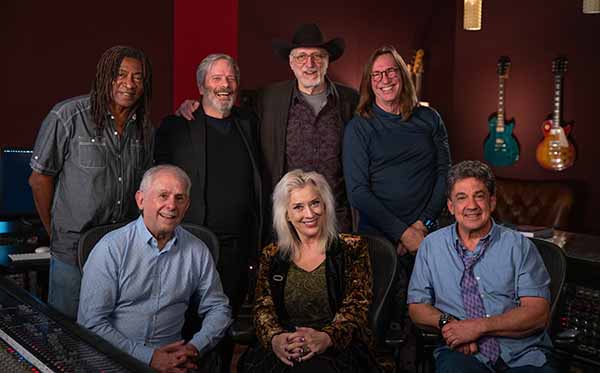
Producers and engineers are the human engines that drive and shape the sound of the recordings we know and love—not to mention the ones we've yet to hear. To get us closer to the music, so to speak, the organizers of Studio Confidential, a month-long series of events held at the Loreto Theater in the Sheen Center for Thought and Culture on Bleecker Street in New York City, have brought together seven of the best behind-the-board progenitors to discuss the ins and outs of what they do.
The Studio Confidential lineup—a.k.a. the Magnificent Seven—is a collective of producers/engineers responsible for harnessing the sound of over 7000 albums at last count: Jimmy Douglass (the Rolling Stones, Aretha Franklin), Chuck Ainlay (Mark Knopfler, Peter Frampton), Sylvia Massy (see above), Niko Bolas (Carole King, Neil Young), Frank Filipetti (Wicked, Carly Simon), Elliot Scheiner (Steely Dan, the Eagles), and George Massenburg (Earth, Wind & Fire; Linda Ronstadt).
Sylvia Massy: I'll start from the beginning. If I'm producing, the first thing I'm looking for are songs. Before we even get started, I wanna hear the songs, and if there's a good song, we're gonna work on it.
 Mettler: Is there one song that stands out to you as the best example of one you knew right away was a "big" song—one you had to get your hands on?
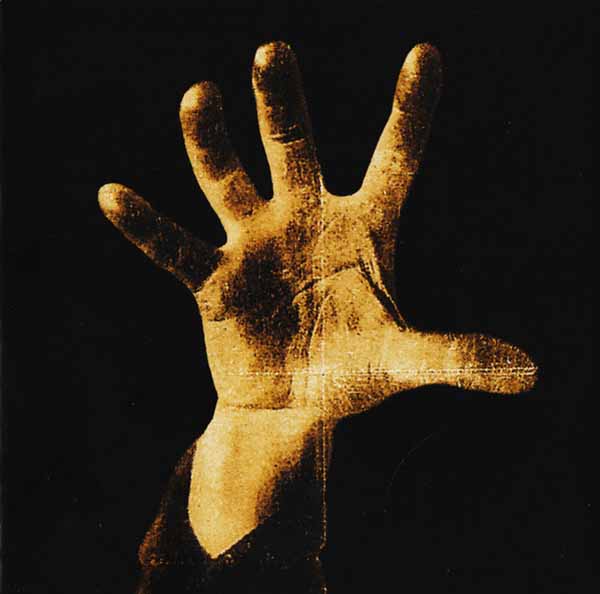
Massy: Wow! Well, when I first sat down with System of a Down and was listening to a demo of theirs, there were several songs on there that I just loved. One was called "Peephole," and I was just like, "I have to work with this band." They have a sense of humor, the songs are really very memorable, and they play like you've never seen anyone play before. They're so fantastic onstage. I fought to get the production gig for their debut album [System of a Down, released on American in June 1998], but Rick Rubin actually got it. I'd been working with Rick for a while. I'm not gonna get in the way of Rick for anything, but I was like, "Rick, do you need an engineer for this? I can step aside and not produce, if you need an engineer." He said, "Yes," and I got the gig—and, yeah, it was great.
 Mettler: Way back in the day, what was the first record that really got to you? Which album was your "talisman record," as I like to call it?
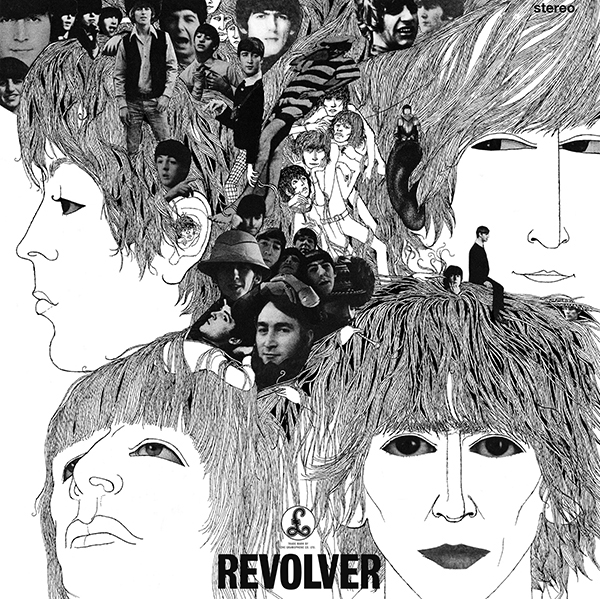
Massy: Oh my God! Well, the Beatles' Revolver was life-changing, in so many ways. Just look at the cover! It's an amazing illustration of the band by Klaus Voorman. He also clipped out pictures and stuck them into this drawing. I was just fascinated with that. As a visual artist, that was important to me. And then, listening to the music—it was fantastic. I'm hearing all these sounds in "Tomorrow Never Knows," and I'm like, "What are those? Are they birds? How did they do that?" As a kid, I'm listening to "Taxman," and the beginning is a countdown, right? "1, 2, 3, 4." That was a fascinating moment for me, because I could see them in the studio. I was like, "Oh, this is them recording." It made it more real instead of fantasy for me. That just piqued my curiosity even more. Mettler: At that point, did you know you wanted to get behind the board? Did hearing Revolver fuel it for you?
Massy: Fueled it—yes, it did. At that point, I was a child, so I was fooling around with cassette recorders in the basement with my neighborhood friends. That was the beginning of all of it.
Massy: Oh my God, yes. I'm the queen of the edit, yeah. [Smiles.] But I don't use tape anymore. I mean, I have a quarter-inch machine—a Studer—at my studio, but it doesn't really get used. We were just looking at a 24-track the other day, and we were like, "Oh, wow. Maybe we should get an old two-inch in the studio again." Mettler: Since you know how to razor-blade tape together, did you ever have something like a "Bohemian Rhapsody" kind of moment where you were close to the edge of losing a track entirely? (footnote 1)
Massy: Oh, well, I would make sure that I got it close to the edge, you know? There was a project I did for Old Hickory [Other Eras. . .Such as Witchcraft, released on A&M in 1997]. I took the 2-inch and cut it into little pieces. We put it all on the floor, and then we put the tape back together in a new order, just to see what it would be like—and then we recorded on top of that. Yeah, that was nice. You can't be afraid to cut the tape. Don't be afraid! It'll be a long time before those oxides fall off.
 Mettler: Tell me about working with Prince.
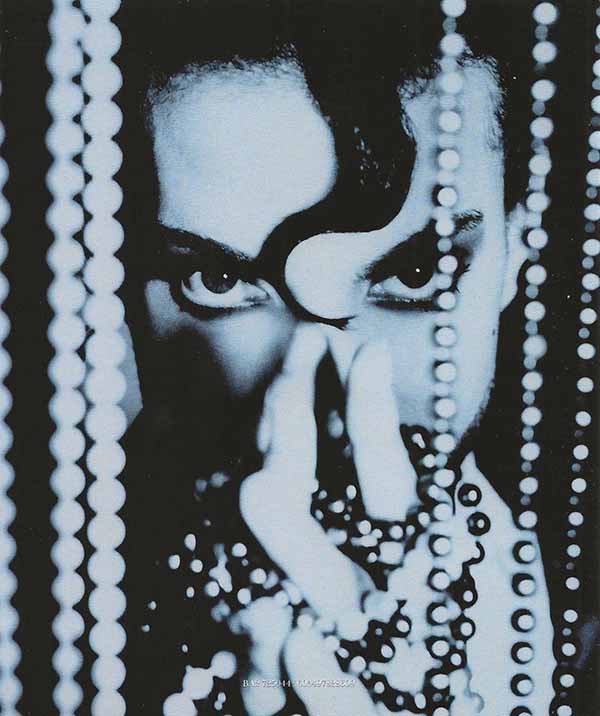
Massy: What Prince would do was, he would put his recordings together by pieces. It was never with a band. He would come in and have me set up a drum machine and a keyboard. He would play the drum machine, live—kick, snare, hi-hat—and then he would play a bass line on the keyboard, and I'd be back there recording everything. He would say, "Okay, here's the verse." "Okay, here's the chorus." And then he would leave the room. I would put all these things together with this little digital sampler that I had at the time, and I would fly things around. Everything was built with pieces. He would come back in the room after I assembled things. He would grab a guitar, and I would put that in record. He'd say, "Okay, here's the verse, da-da-da." "Here's the chorus." And then he would leave again, and I'd be assembling. There's brilliancy in that type of assembly, and it depends on your musician. If they have a final picture in their head, just let them go with it. As a producer or an engineer, I just fill in where I'm needed. If they're doing fine with their ideas and performances, then I won't get in the way of that.
 Mettler: Of those Prince recordings, is there one example that you feel is the best track of his that you worked on?
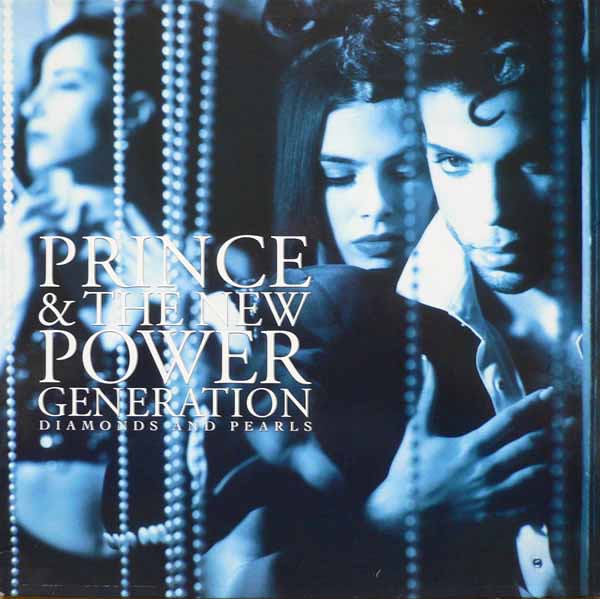
Massy: Well, the song "Cream" was a big hit on [1991's] Diamonds and Pearls. (footnote 2) What an awesome time that was, working with Prince on it. However, he was extremely difficult. I mean, yeah—he was impatient, and [slight pause] impolite. [Laughs.] But, honestly, whenever he would pick up an instrument—any instrument—to play, it was just me and him in the studio. He was spinning on his heels and dancing while he was playing. I'd never seen anything like that in my life! I was assisting on the mix of another Prince song on that album, one that I didn't really like—the song called "Gett Off." He loved that song, but I did not like that song. I was sitting in the back of the room, just journaling about how much I didn't like this song! "There's Prince, sitting on his purple throne"—that's what I'm writing down. [Laughs.] The engineer says, "Hey, Sylvia, go over there and patch this in." So, I'm over there on the other side of the room, and I hear Prince's voice [affects a dramatic tone]: "There's Prince, sitting on his purple throne." He's reading out of my journal! He went on reading out of it, and I ran across the room and grabbed the journal out of his hand. I kept thinking, "I know I'm going to be fired"—but he didn't fire me. In fact, he liked that so much, reading it.
Massy: He had it in his head! He had it all in his head. We were doing a lot of songwriting together, but he would always do his vocals on his own. I would sit outside the studio door and wait for him to finish. It would maybe be four hours that he was in there layering vocals, but he knew how to use all the equipment. We were recording on analog tape, and the pins were always slammed. There's an edge of distortion on his music. You can hear that edginess of his in the sound of a lot of his songs. Honestly, Prince was so good at everything. He was just tolerating the rest of us humans, I swear! [Both laugh.] Part 1 of the Studio Confidential Interview Series with Chuck Ainlay posted on Tuesday, February 24. You can now read it here.
Footnote 1: When Queen and producer Roy Thomas Baker were working on "Bohemian Rhapsody"—the chart-topping, bonafide rock-classic-in-perpetuity that wound up on the band's November 1975 EMI/Elektra LP A Night at the Opera—the story goes that they had cut and edited the tape together so many times that they were only a few passes away from it disintegrating beyond the salvage point before they signed off on the final mix. Footnote 2: Diamonds and Pearls was released on Paisley Park/Warner Bros. in October 1991, credited to Prince & the New Power Generation. "Cream" reached #1 on the US singles chart. Massy, seated in the middle of the bottom row in the photo below, is one of the album's eight credited "2nd engineers."