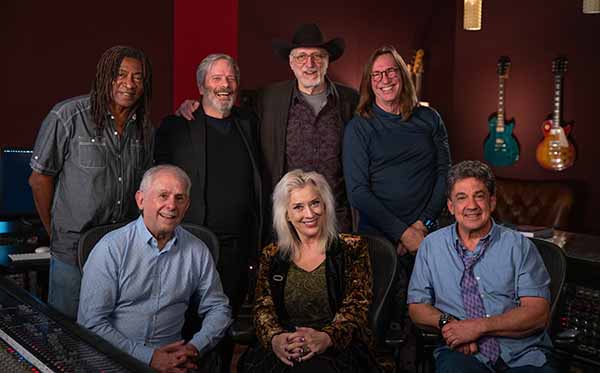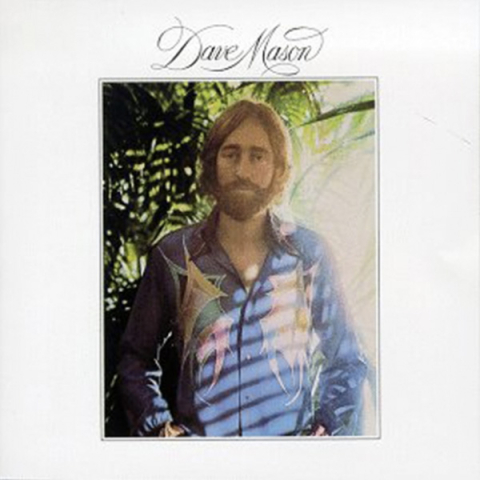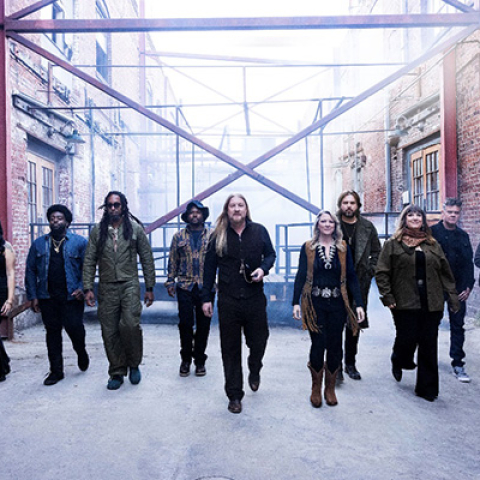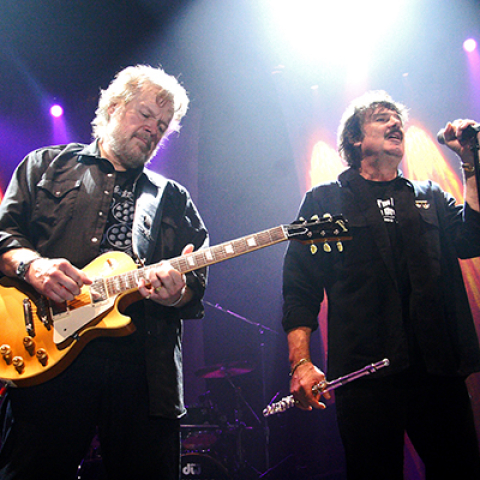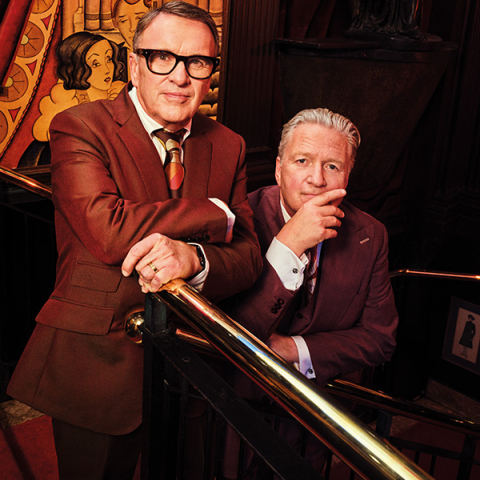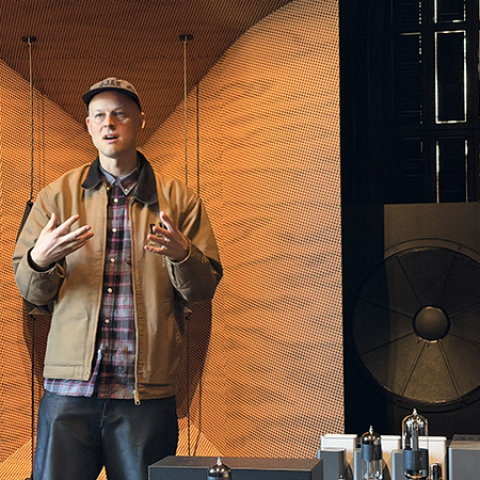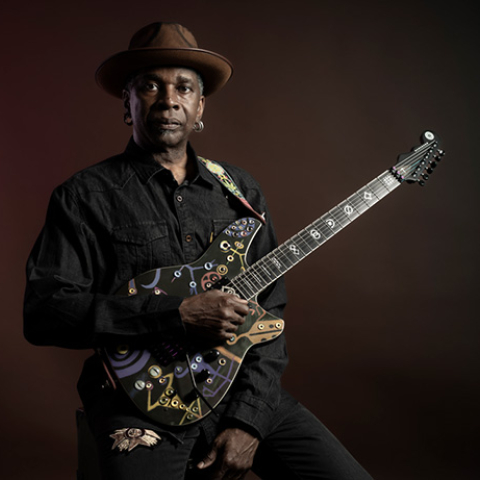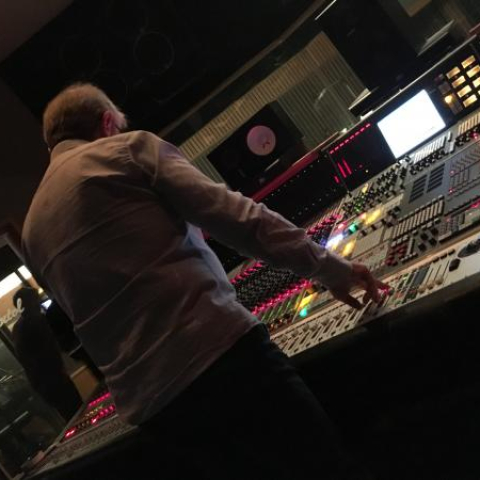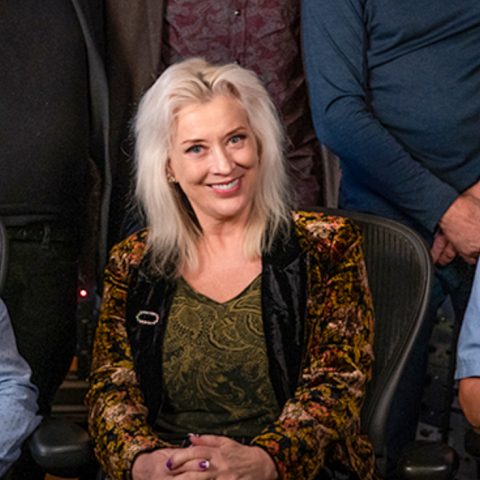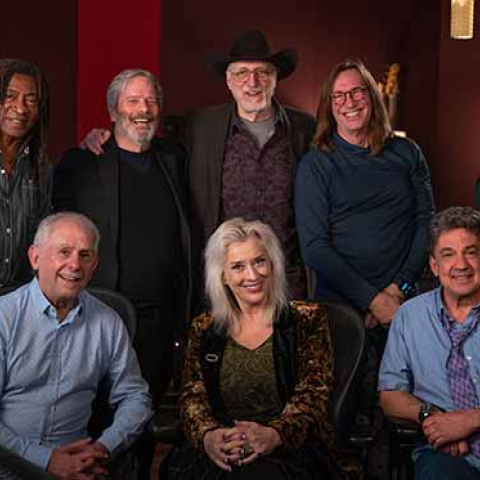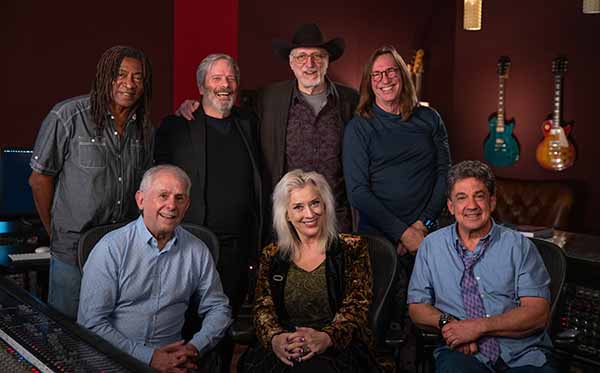
Studio Masters: The Magnificent Seven producers/engineers participating in the Studio Confidential series get behind the board. Top row, l-r: Jimmy Douglass, Frank Filipetti, George Massenberg, Chuck Ainlay. Bottom row, l-r: Elliot Scheiner, Sylvia Massy, Niko Bolas.
If you really want to know how your favorite albums came to be, you can't go wrong talking with the men and women who are in the studio day in and day out with the artists—i.e., the producers and engineers.
The organizers of Studio Confidential clearly agree. For a month-long series of events held at the Loreto Theater in the Sheen Center for Thought and Culture on Bleecker Street in New York City, seven of the best behind-the-board magicians have taken to the stage to, quote, "share behind-the-scenes stories from iconic recording sessions, personal career highlights, and riveting rockstar-studded moments. The show balances reverence for craft with moments of pure comedy." (If you can't laugh at the oxide wearing off the tape you almost razor-bladed into oblivion for just one more edit ...)
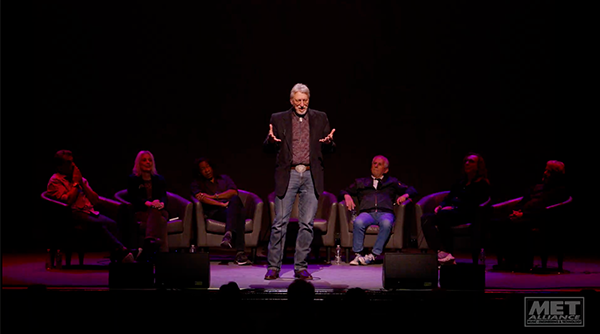
Producer Frank Filipetti tells it like it is.
The Studio Confidential lineup features Jimmy Douglass (The Rolling Stones, Aretha Franklin), Chuck Ainlay (see above), Sylvia Massy (Prince, Jason Isbell), Niko Bolas (Carole King, Neil Young), Frank Filipetti (Wicked, Carly Simon), Elliot Scheiner (Steely Dan, the Eagles), and George Massenburg (Earth, Wind & Fire, Linda Ronstadt). Three more Studio Confidential sessions are scheduled before the month ends—one on Friday (February 27), and two on Saturday (February 28)—so if you’re interested in attending, you can go here for ticket information.
Last week, I had the chance to Zoom separately with three of the above production maestros—Ainlay, Massy, and Scheiner—to get some of these fabled stories firsthand; we'll be presenting those Q&As individually over the next three days at stereophile.com. Here, in Part 1, Chuck Ainlay (standing at the far right in the top row in the photo at the top of this column) discusses his production philosophy and who inspired him to get behind the board in the first place.
Mike Mettler: Do you have a baseline idea of what you're looking for when you go into a recording session? Is it related to any particular technical element, or is it more of an artistic element? What is it that gets you to the point where you can say, "This is great. I think we've got it"?
Chuck Ainlay: Oh, wow. Well, some people have a "sound," right? As in, "this is the sound that they do." I've never really been that way. I've always listened to the music, absorbed who the artist is, and tried to make the music fit that situation, you know? It's more of a "feeling" thing. I don't go about it intellectually like, "Well, I gotta do this to make this record be that kind of record."
Ainlay: The Beatles. The Beatles were all about the "recorded music thing." That's why the Beatles were so significant in my life, because I always wanted to be in the recording studio ever since I was a little kid. You can see it in that Get Back documentary [on Apple TV], how it was all about allowing things to happen. That's always been my role: knowing when to know, "That's a take," or when to say, "Hey, let's keep on going, and see if we can go somewhere else with it." But it's also knowing that you can go, "Maybe we ought to go back and listen to that first or second take, because there's some inspiration there—or maybe that is the take."
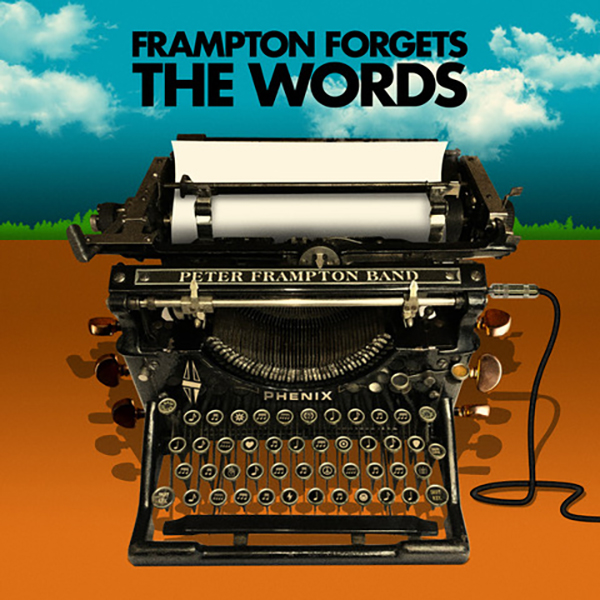 Mettler: You've worked with Peter Frampton in Nashville for a number of his solo albums, like Frampton Forgets the Words [released on UMe in April 2021]. I love that you guys work on that SSL console [a [64-channel SSL 4000G] in his home studio [The Studio Phenix] in Nashville.
Ainlay: He's got an amazing studio, doesn't he? It's got loads of Neve outboard gear, and all those cool compressors—and then I bring all my stuff! It is crazy, the amount of toys that we have there to make sounds with. [both laugh.]
Ainlay: I think British Grove is probably the best studio in the world for the kind of work I like to do in them. I helped Mark design the whole thing, and we did a bunch of records together in there. But I also knew that, when that studio was built, eventually my time with him would come to an end because it's too costly to bring me over there. [chuckles.] Nowadays, he just likes to hang out and make records there at his leisure, rather than grind them out.
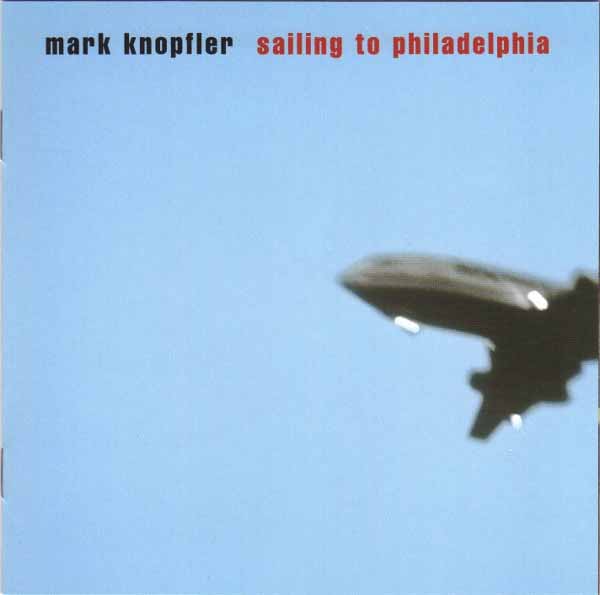
Ainlay: Mark's always been a mentor to a lot of people, and he was a mentor to me. He took me under his wing and let me learn making records for him. The first thing we did in there was the Brothers in Arms album you mentioned, the one that won a Grammy for the best surround album [in 2006] (footnote 1). That was a great record to do—and, of course, I've got an Atmos setup at my house too. Mettler: I think some of the best work you and Mark did together was on Sailing to Philadelphia [released on Warner Bros. in September 2000]. "Speedway at Nazareth" is still a favorite track of mine.
Ainlay: To me, Sailing to Philadelphia was the best Knopfler album ever. When Mark first called me up to do a solo album, "Speedway" was the first song that we tried to record. We were at Sound Emporium [in Nashville], and the arrangement was entirely different. It had an upright bass on it, and it was built from brushes, but it never really achieved that bigness—so we just canned the track. That song was a really hard song to figure out.
Footnote 1: Ainlay mixed Brothers in Arms in 5.1 for its 2005 SACD and DVD-A releases. Longtime Knopfler associate Guy Fletcher mixed Brothers in Arms in Atmos for its 40th anniversary in 2025. You can read more about how BIA saved the CD format in "Rock of Life: The Brothers in Arms CD Turns 40," posted here.