

My New Album!
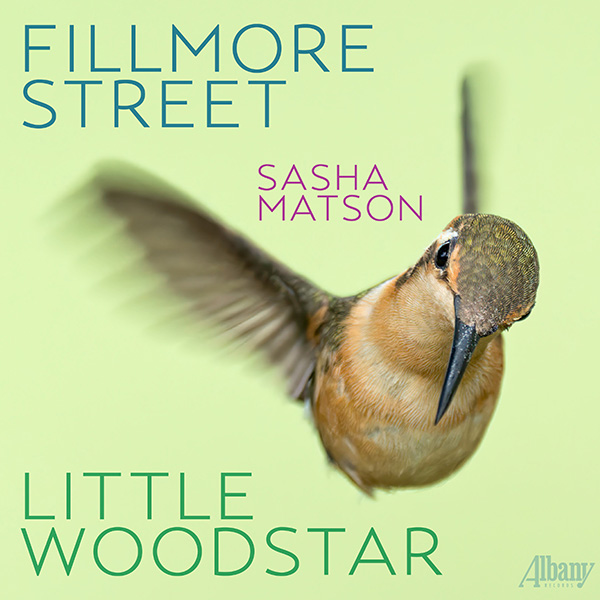
February 2025 marked the release of a new recording of my compositions: Fillmore Street/Little Woodstar. This is the sixth album of my music. My first solo outing as a composerSteel Chords i-5, on AudioQuest Musicwas in 1993.
When I set out to assemble something musical, I don't think in terms of songs, tracks, or playlistsI'm trying to put together an album. Even more old-school: I'm thinking in terms of an album that has two sides, two parts to the program, like an LP. Figuring out what that program should be takes a long time.
In the case of Fillmore Street/Little Woodstar, I decided on a two-piece set consisting of one old composition and one new one. These two works live in two different musical ballparks. Fillmore Street, on side 1 of the LP, is scored for a jazz orchestra. It tells musical stories about three locations in California. The older work on the album, Little Woodstar, which I composed while in grad school, leans classical.
My Triumphant Return to Vinyl
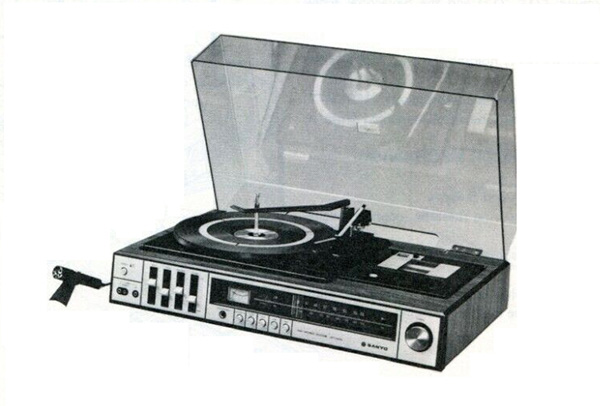
I recently started buying records again after a 30-year hiatus, thanks to my youngest daughter. She was 9, and I was gutting it out through the implosion of my first marriage. I was invigorated by the challenge of outfitting a new apartment on the cheap. I'd walk the aisles of Value Village in search of serviceable kitchen gear, and she loved to come with me, sifting through used books and house dresses while I assessed the quality of a skillet or stovetop percolator. She'd leave wrapped in threadbare pastel, cradling an armful of books by Lemony Snicket and Geronimo Stilton.
One afternoon, as we passed a stack of George Foreman Grills, she saw the record player, a mottled beige-brown box familiar to any Gen-X kid who spent time in their elementary school library. It had the reinforced metal corners and industrial clasps of a steamer trunk and a thick green handle made of indestructible Cold War plastic. Written across the top in black marker: #0027. How this piece of surplus ended up in the wayward-housewares section of a suburban thrift shop was surely an interesting story but not my concern. There it was, shut tight and resolute, perhaps since the 1970s. The price: $8.
Nostalgia for an Age to Come
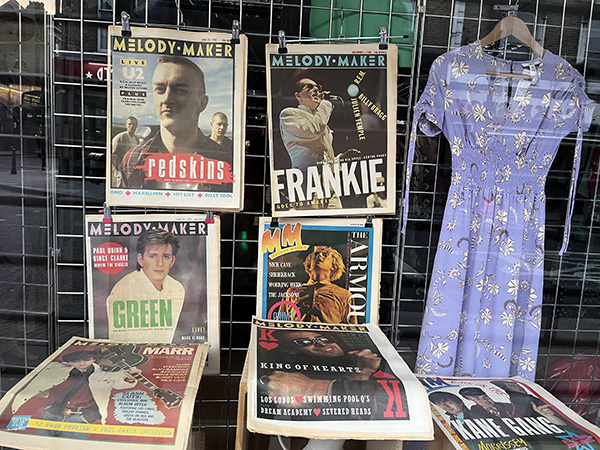
I was surprised to see, in the window of my local charity shop in a corner of north London, a display of 1980s Melody Maker magazines featuring some of my favorite bands. Nestled alongside second-hand frocks and pieces of crockery were The Redskins, Scritti Politti, Johnny Marr, and Frankie Goes to Hollywood.
The Redskins produced one rather fine album, which attempted to marry left-wing politics with northern soul. Frankie was seen as outrageous in its day; "Relax" was banned on several radio shows, and some record shops refused to stock it. Now both appeared proudly in the window of a second-hand shop that raises money for the Royal Society for the Prevention of Cruelty to Animals.
Intrigued, I went in to find out what the story was. I was in luck: The person responsible for the display was working behind the counter. It wasn't, as I had assumed, a middle-aged bloke reliving his youth, reminiscing about a time when he had a full head of hair (that was me), but a young woman, probably born 20 years after those Melody Makers were published.
Notes to a New Audiophile
Dear Newbie: Welcome to the wonderful world of hi-fi! If you're besotted with a desire for audio gear that can make your recorded music sound better than you've ever heard it, you've come to the right place.
And at just the right time: Not only is there an unprecedented amount of sanely priced, excellent-sounding audio gear on the market; there's this thing happening between us right here and nowthe fact that you're reading a letter I wrote especially for you.
On creaks and coughs and candy wrappers

The advantage of a highly resolving music system is that you can hear deeper into recordings. The disadvantage is that you can hear deeper into recordings.
On Radio, Loss, and Music Discovery

The death of KMET in Los Angeles was a turning point in my young father's life. I was 6 years old when it signed off permanently, ending commercial viability of the progressive, freeform rock format on L.A.'s FM dial.
It's also one of my earliest memories: Windows down and heater up on a cloudy February morning, sitting backseat in an Arby's parking lot before kindergarten, the sound of heresy on the airwaves. Its replacement was Smooth Jazz. Wemy father and my 6-year-old selfhated it.
Oscar Peterson: a Centennial, a "World Tour," and a Love Letter
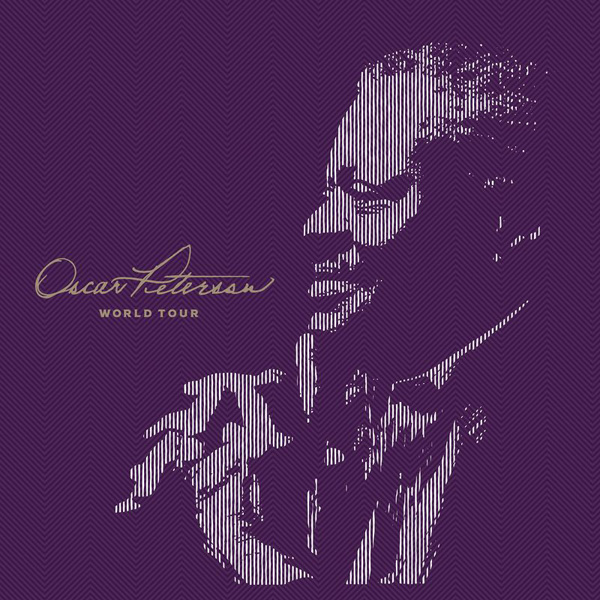
Oscar Peterson was born in 1925. In late 2026, a set titled World Tour was released on the Mack Avenue/Two Lions label. It is advertised as "part of the continued celebration of Peterson's centennial." Consider this article a modest attempt to join the celebration.
Perfect Album Sides
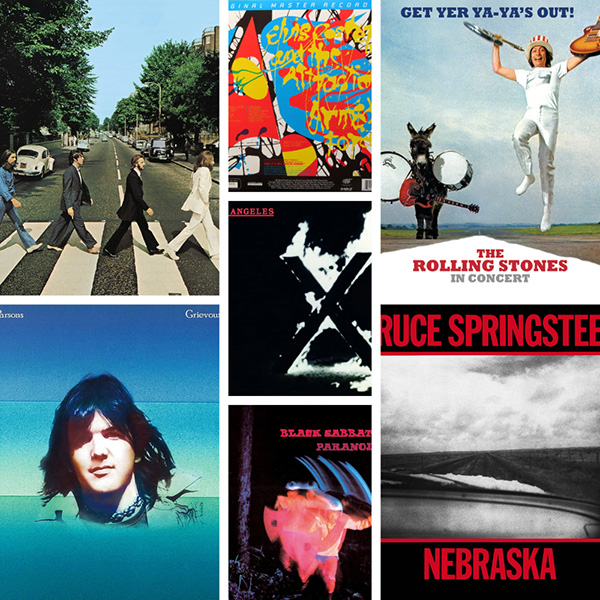
Before the bits and bytes, before the streams, the music business and its most talented artists, producers, and engineers conjured up a notion of musical-sonic holiness: the perfect album side.
Remember albums? The idea is quaint in the era of streaming, a time of "summer songs," one-hit wonders, meme songs, song snippets on TikTok, songs tied to viral videos, robot-generated playlists, and whatnot. Those of us older than the World Wide Web itself, we remember albums. They were 12" slices of happiness, sadness, escape, epiphanyall the feelings.
Quackery, gullibility, and open-mindedness

Gullibility is a disadvantage in any business, but it's a cardinal sin in journalism. During my J-school years, I acquired the occupational deformity that afflicts most reporters: a degree of skepticism bordering on the cynical. In my professional circles, an adage holds that "if your mother says she loves you, check it out."
Ray's Scream
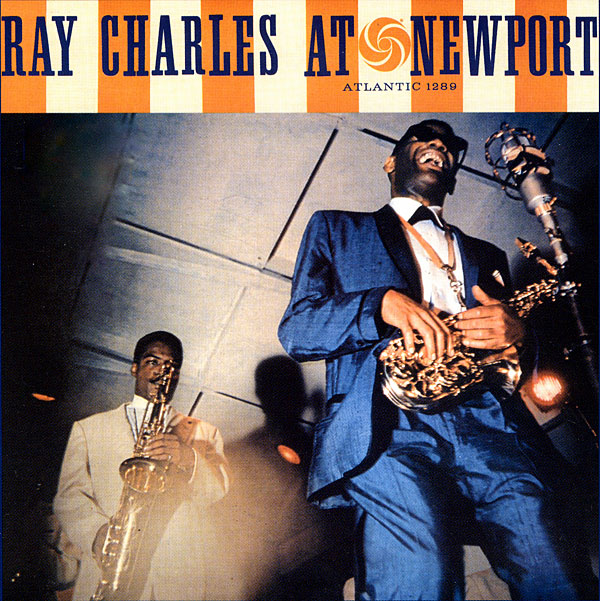
Back in the mid-1960s, I was the unusual white, suburban preteen who, for reasons I've long pondered and never fully understood, was drawn much less powerfully to the Beatles than to blues and R&B. I was a bit of a jazz snob, too. Given these leanings, it's no surprise that one of the half-dozen or so albums that fried my impressionable young brain was that seamless blend of blues, R&B, and jazz, Ray Charles at Newport.