

What Price Perfection?
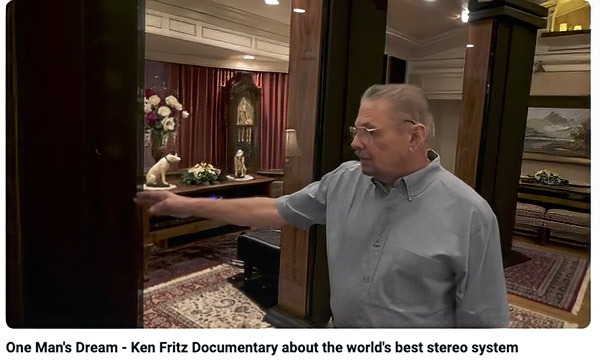
The late Ken Fritz discusses his legendary audio system, from the YouTube video One Man’s Dream
When Ken Fritz died, many people wondered what would become of his stereo system. Fritz's rig was the stuff of legend. The audiophile from Chesterfield, Virginia, had built much of it with his own hands, including line-array speakers too tall to fit in most people's homes. They took 5400 hours to complete and were appraised at more than $200,000. He also designed and built a three-arm turntable that sat on a unique 1500lb antivibration platform. Fritz felt that his "Frankentable" rivaled or bested record players costing well into six figures.
That was just the beginning.What's Wrong With Classical Record Reviews
I attend at least a couple of dozen classical-music performances each year. I also read reviews of recordings and live performances, and have even dabbled in writing them. Why, then, do I find classical music reviews so frequently annoying?
It's the vocabulary. In these reviews I often see words that I rarely see used elsewhere: scintillating, irresistible, delightful. One venerable reviewer for Gramophone magazine has used the word "beguiling" 100 times in some 900 reviews. When I read such words, I envision the poor music critic writhing in his (occasionally her) listening chair, approaching an involuntary state of aesthetic ecstasy. It isn't a pretty image.
Why do you need all those microphones?
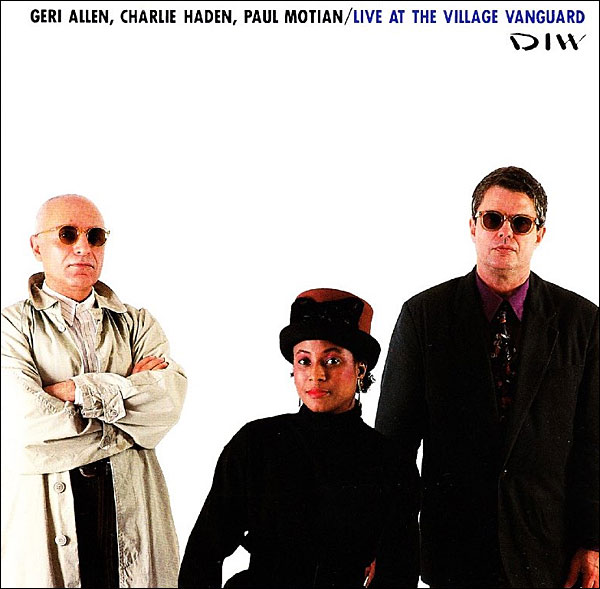
"Why do you need all of those microphones?"
I've been asked this question more than once, by musicians you may have heard of. I'm not going to name names, but if you press me I might. Let's see where this goes.
It's a reasonable question, sometimes. Still.
Why Not Listen to Everything?
I have been haunted for 15 years by these words: "Very often if I was given the choice of listening to a piece of music I really liked or listening to nothing at all, I would choose nothing at all. ... These days I don't listen to a lot of music, and I find a lot of pleasure in no music. There's a kind of silence and just hearing some conversation from outside, or hearing a police car in the distance, just these fragments of daily life are very poetic and very peaceful somehow."
They were spoken by Britisher David Toop, confirmed music-head, someone who has spent his life playing, listening to, and writing about music. Why would a person who amassed such a dragon's hoard of obscure releases that a documentary was made about itwho tried to listen to every darn thing ever recordedat the end of the day prefer regular sounds that would not even fit the dictionary definition of music?
Why the Music We Love Feels Different Now
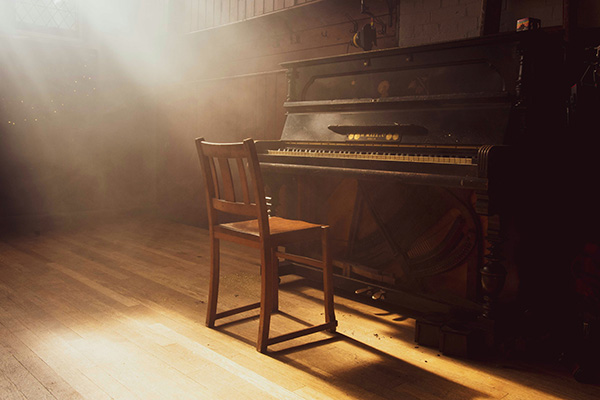
There's a scene in the 2002 movie The Pianist in which Adrien Brody's character, the Polish-Jewish pianist Władysław Szpilman, is hiding in the ruins of a Warsaw villa. The Nazi officer who discovers him asks what he did before the war. "I was a pianist," Szpilman stammers. The German points to a battered grand piano and orders him to play something.
Will the Circle Be Unbroken?
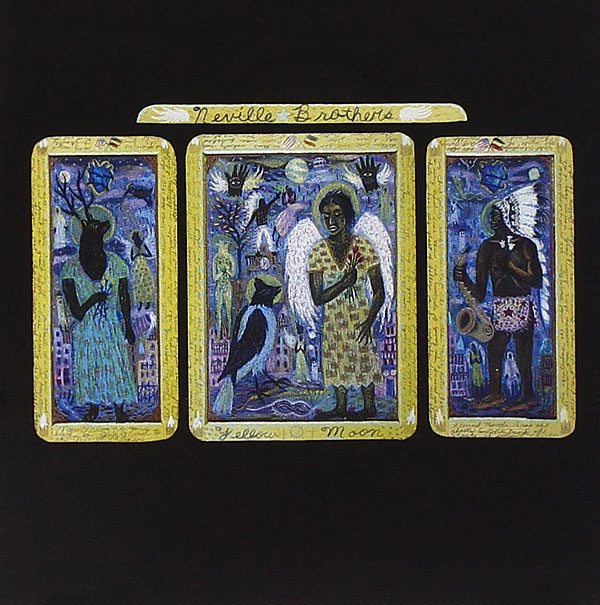
I loved New Orleans music before I even knew what it was.
In the mid-1960s, I went to high school in Williamsburg, Brooklyn, which back then was a bleak, On the Waterfront landscape of dock workers and drifters hanging out in the pool halls along Bedford Avenue. We were warned to watch out on our way to track practice at nearby McCarren Park, because the pool halls were violent and confrontations often spilled out onto the street.
X Marks the End

Photo by Frank Gargan
All bands dissolve eventually, for reasons ranging from commercial failure, personnel dynamics, and death to just running out of steam. The band X, beloved by its niche fanbase and highly influential in punk, hard rock, and even alt-country, decided to control the time and place of its end. Earlier this year, they announced "the final album," Smoke & Fiction. "The End Is Near" tour listed shows through October 2024.Zen & Quality Audio

If you had to describe the kind of audio system that you would like to have, with only one word, what word would you choose? Some would choose the word "quality." In a book titled Zen and the Art of Motorcycle Maintenance: An Inquiry into Values, from 1974, Robert Pirsig considers the word and concept as a fundamental way of thinking about things that encompasses both reason and feelings.