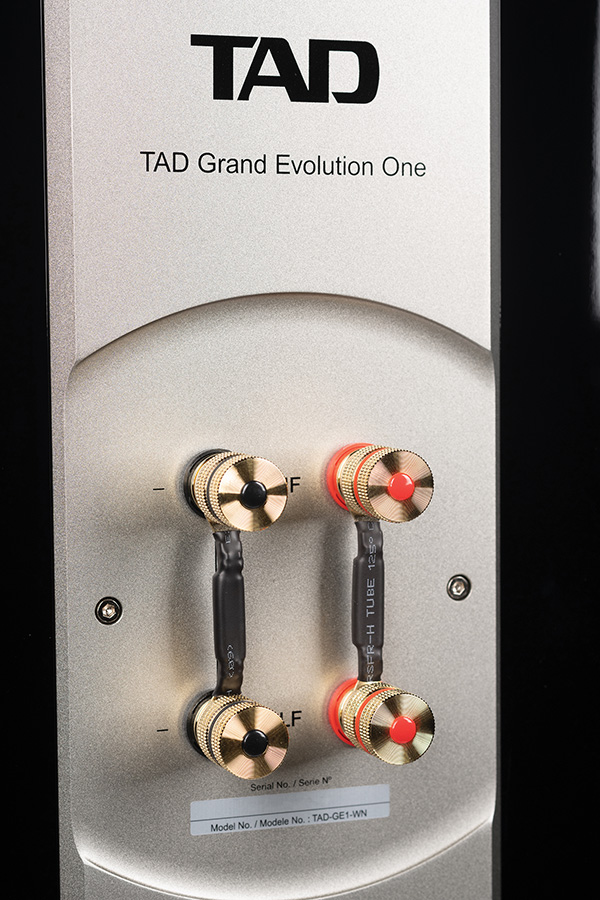
 The GE1's base is substantial. It is shipped attached to the cabinets—not designed to be removed by users. When you look at the aluminum base plate, you see four capped corners—but in typical use, only three spiked cones are used, two for the front and one for the center at back. Those requiring greater stability can add two auxiliary feet at the back corners. Also in the parts box are two magnetically attached woofer grilles; oddly, no tweeter/mid grilles are included. I did not use the grilles in my auditioning.
Currently, my Downstairs System includes a McIntosh MA252 Hybrid Drive integrated amplifier with a tubed preamp stage and solid state output. The power output rating is 160W into a 4 ohm load, which is the GE1's nominal impedance. I do not biwire.
The GE1's base is substantial. It is shipped attached to the cabinets—not designed to be removed by users. When you look at the aluminum base plate, you see four capped corners—but in typical use, only three spiked cones are used, two for the front and one for the center at back. Those requiring greater stability can add two auxiliary feet at the back corners. Also in the parts box are two magnetically attached woofer grilles; oddly, no tweeter/mid grilles are included. I did not use the grilles in my auditioning.
Currently, my Downstairs System includes a McIntosh MA252 Hybrid Drive integrated amplifier with a tubed preamp stage and solid state output. The power output rating is 160W into a 4 ohm load, which is the GE1's nominal impedance. I do not biwire.
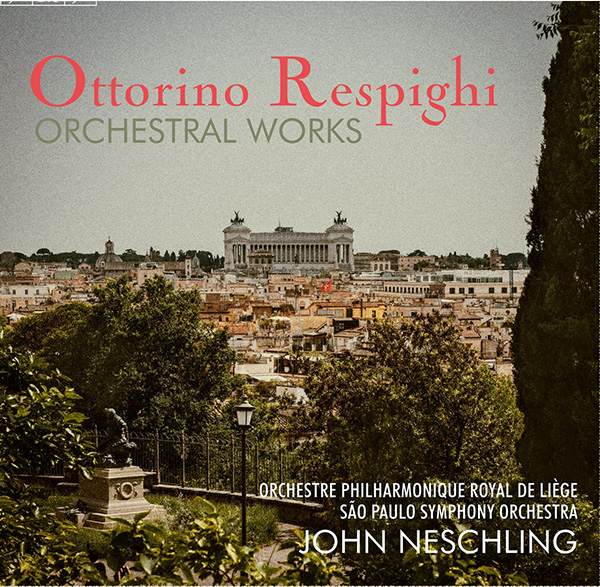 Via Qobuz, I pulled up Respighi: Orchestral Works, recorded by two different orchestras conducted by John Neschling (24/96 download, BIS Records AB2015). If it doesn't contain everything orchestral by Respighi, it comes close. Along with the chestnuts, I encountered several pieces I did not know including the very interesting single-movement Ballata delle Gnomidi from 1919. Why isn't this piece better known? Probably as it was viewed with distaste at the time because of its subject matter: a witch's orgy and a ritual murder of some gnomes. Respighi on acid!
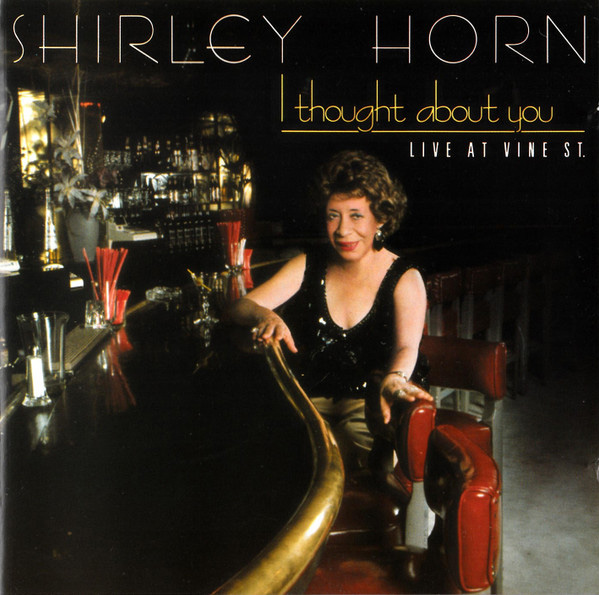 In 1987, Shirley Horn recorded a live album, I Thought About You (Verve 833-2235-2), at L.A.'s best jazz club at the time, the Vine Street Bar & Grill. The recording is from the same period as her masterpiece studio album, Here's to Life. Horn performs here with her trio, as she mostly did throughout her career. Vine St., as it was known, was a small club, perfectly suited to Horn's intimate delivery. This recording captures that sound. You feel like you're sitting at a small two-top table right next to Shirley and her piano. Shirley's signature tune, "Estate," was gorgeous. The TAD GE1's excelled with vocals and acoustic jazz. The rich lower range of Horn's voice and her breathy delivery all shined. The CST concentric driver is a great vehicle for vocals.
Upstairs
In 1987, Shirley Horn recorded a live album, I Thought About You (Verve 833-2235-2), at L.A.'s best jazz club at the time, the Vine Street Bar & Grill. The recording is from the same period as her masterpiece studio album, Here's to Life. Horn performs here with her trio, as she mostly did throughout her career. Vine St., as it was known, was a small club, perfectly suited to Horn's intimate delivery. This recording captures that sound. You feel like you're sitting at a small two-top table right next to Shirley and her piano. Shirley's signature tune, "Estate," was gorgeous. The TAD GE1's excelled with vocals and acoustic jazz. The rich lower range of Horn's voice and her breathy delivery all shined. The CST concentric driver is a great vehicle for vocals.
UpstairsAfter listening for several weeks to the Grand Evolution Ones in the Downstairs System, I took them Upstairs to my reference setup. I placed them in the spots previously occupied by my Wilson Sasha V's, knowing that most loudspeakers sound best there in my quirky room. It was killer! Performance throughout the bass spectrum was outstanding: deep, detailed, and full, without bloat.
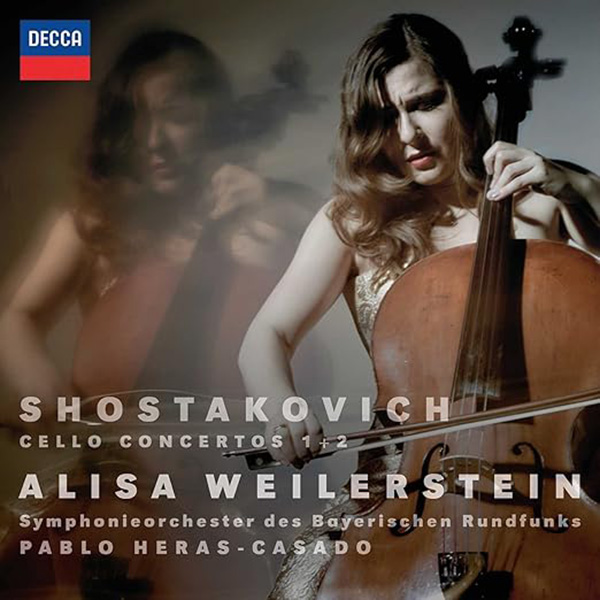 Reaching for a large orchestral palette again, and because I feel the need to listen to him these days, I pulled up Shostakovich, specifically Cello Concertos Nos.1 & 2 with Alisa Weilerstein as cellist and the Bavarian Radio Symphony Orchestra conducted by Pablo Heras-Casado (24/96 FLAC, Decca/Qobuz). Amazing "skin" texture from the timpani. The horns in the third movement of No.2 were like a pack of braying wolves on my tail—hair raising! The solo cello felt that way, too, a totally individual sound that could only be a particular person playing a particular instrument. Microdetails were sorted and tangible. To vocals, I would now add massed strings as musical elements the Grand Evolutions excel in re-creating. First-rate.
A favorite recording of mine, which combines jazz and orchestral textures, is João Gilberto's beautiful album Amoroso (24/192 FLAC, Rhino-Warner/Qobuz). Recorded in 1977, well after the original Bossa Nova craze, João's delicate vocals and guitar play off Claus Ogerman's outstanding arrangements. João's interpretations of songs by his peer Carlos Jobim are definitive. Gilberto was known for being demanding about the quality of his recordings, going so far as to sue EMI for lousy remastering—and winning! (footnote 2)
Reaching for a large orchestral palette again, and because I feel the need to listen to him these days, I pulled up Shostakovich, specifically Cello Concertos Nos.1 & 2 with Alisa Weilerstein as cellist and the Bavarian Radio Symphony Orchestra conducted by Pablo Heras-Casado (24/96 FLAC, Decca/Qobuz). Amazing "skin" texture from the timpani. The horns in the third movement of No.2 were like a pack of braying wolves on my tail—hair raising! The solo cello felt that way, too, a totally individual sound that could only be a particular person playing a particular instrument. Microdetails were sorted and tangible. To vocals, I would now add massed strings as musical elements the Grand Evolutions excel in re-creating. First-rate.
A favorite recording of mine, which combines jazz and orchestral textures, is João Gilberto's beautiful album Amoroso (24/192 FLAC, Rhino-Warner/Qobuz). Recorded in 1977, well after the original Bossa Nova craze, João's delicate vocals and guitar play off Claus Ogerman's outstanding arrangements. João's interpretations of songs by his peer Carlos Jobim are definitive. Gilberto was known for being demanding about the quality of his recordings, going so far as to sue EMI for lousy remastering—and winning! (footnote 2)
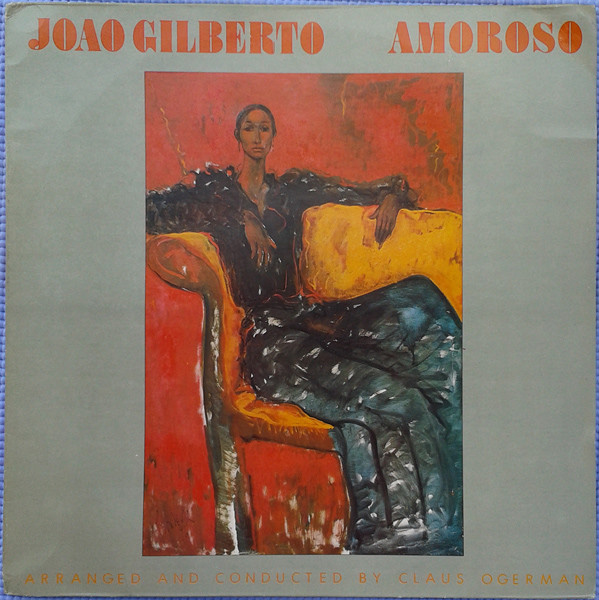 I think even João would have loved the sound I was hearing now via the GE1's, the strings sounding smooth as silk, as his vocals did. Portuguese is the language of love; how did all those poor German composers ever write opera?
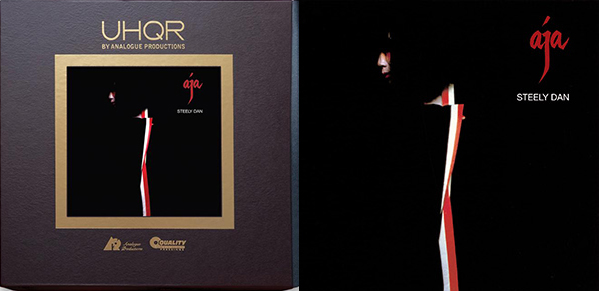 "Aja" was the bees' knees; Steve Gadd's drum outbursts in the second half of the tune, along with all the other colors of the percussion rainbow, were like a fireworks display. Wayne Shorter! When it ended, with that board fade like most of the other tunes on the album, I wanted it to keep going.
Go ask the goddess
"Aja" was the bees' knees; Steve Gadd's drum outbursts in the second half of the tune, along with all the other colors of the percussion rainbow, were like a fireworks display. Wayne Shorter! When it ended, with that board fade like most of the other tunes on the album, I wanted it to keep going.
Go ask the goddessOn the wall of my listening room is a small painting I bought in India, of Saraswati, Hindu goddess of knowledge and music, painted in bright colors, playing the Veena (her instrument) with her four hands. Saraswati is painted on top of some sort of black ink invoice, labeled "Court Fee Stamp Jaipur Government" with numbers checked off.
Footnote 2: The court eventually awarded Gilberto's heirs 150 million Brazilian real, the equivalent of $30 million. Footnote 3: See Revinylization in the January 2024 issue.