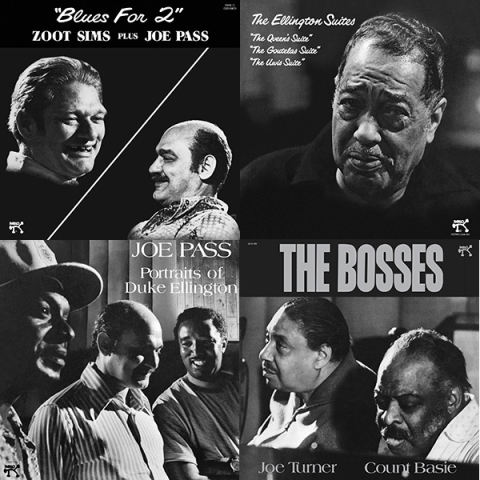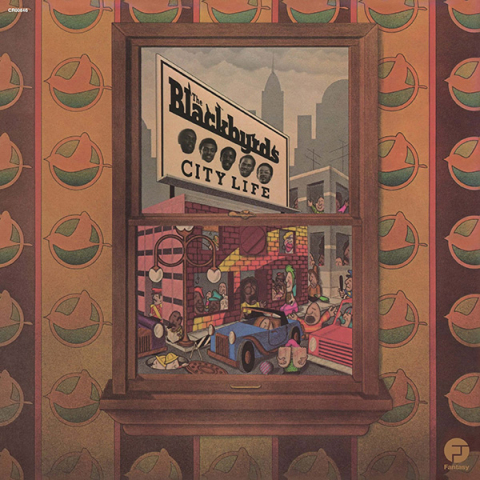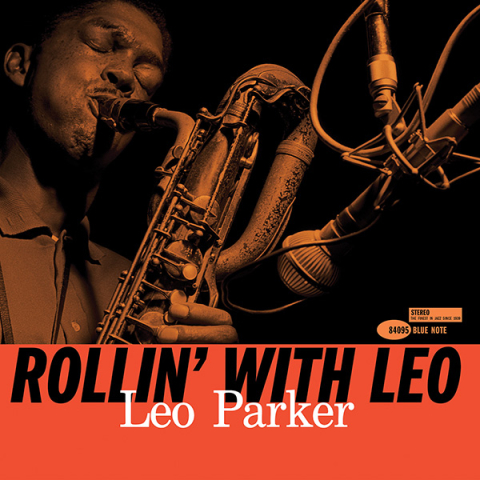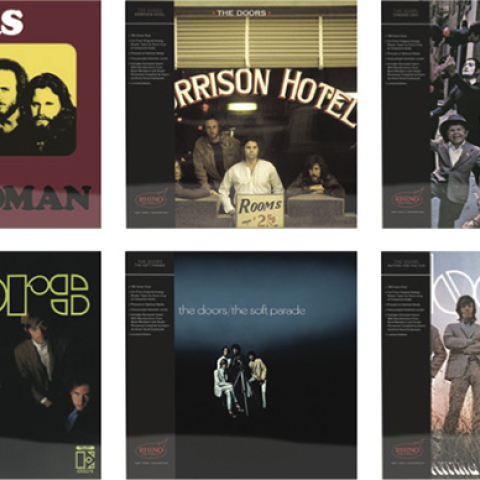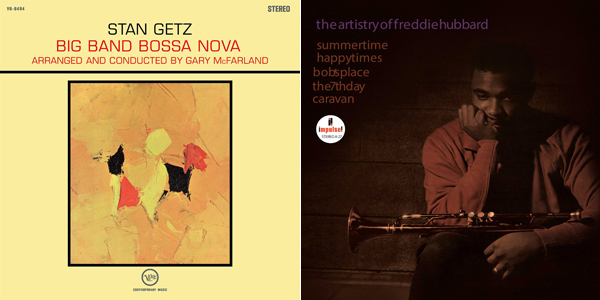
I'm an original/early-pressings kind of guy. Vintage vinyl has a presence, immediacy, and punch that's almost physical—a dynamic snap and directness nothing else quite matches. And the cover art? Indisputably superior colors, design, and graphics. Plus, it's old. It's original. It's real.
The elephant in the room: Original 1950s–'70s jazz pressings are scarce and pricey, and more so every year. Recent auctions at New York's Jazz Record Center, where I work Saturdays, make the point: Ike Quebec's Blue & Sentimental, $1125; Hank Mobley's Hank, $6555; Tommy Flanagan's Overseas, $2693; Ray Bryant Trio, $2479.
But credit where it's due: Labels like Craft Recordings, SAM, Candid, Speakers Corner, Blue Note (Tone Poet and Classic Vinyl), and Rhino are doing superb work reissuing classic jazz titles, with dead-silent backgrounds, resolution that often surpasses my beloved originals, and bass with real weight. And unlike those originals, they're available and affordable.
Two reissue series from the Verve Label Group and Universal Music are bringing the recordings of jazz-label pioneers Norman Granz (Verve) and Creed Taylor and Bob Thiele (Impulse! Records) to a wider audience.
Every record in both series is cut from an original tape. The less exclusive of the two series is called Verve Vault; the retail price on single albums is $27.98, and the vinyl is pressed at Optimal.
In this column I'll write about titles from the more exclusive Verve–Acoustic Sounds series. Single albums from this series cost $37.98, and they get premium treatment, mastered by Matthew Lutthans and pressed at Quality Record Pressings (QRP), Acoustic Sounds' own pressing plant.
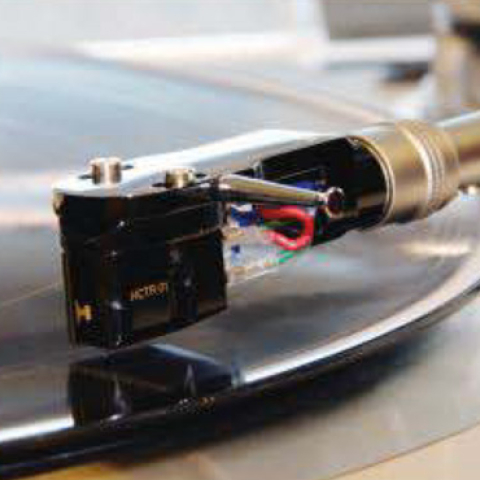
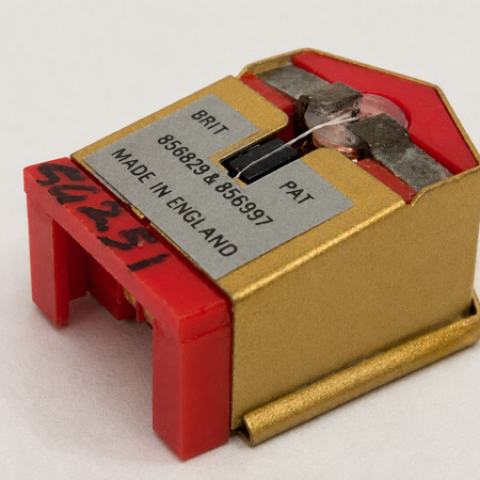
I spun up my Thorens TD 124 turntable and used my Korf TA-SF9R tonearm to lower my Sumiko Oriole MC cartridge down onto some pristine premium vinyl. Here are a few of my favorites (footnote 1).
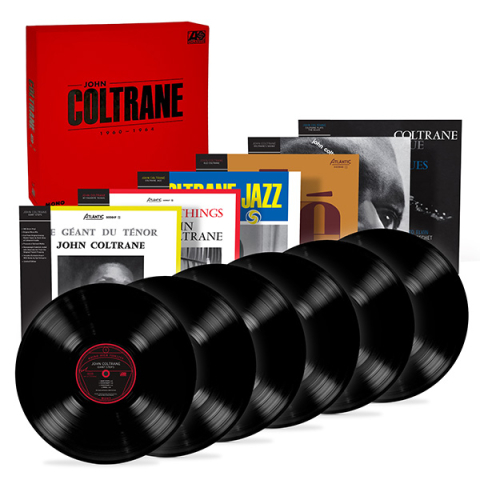
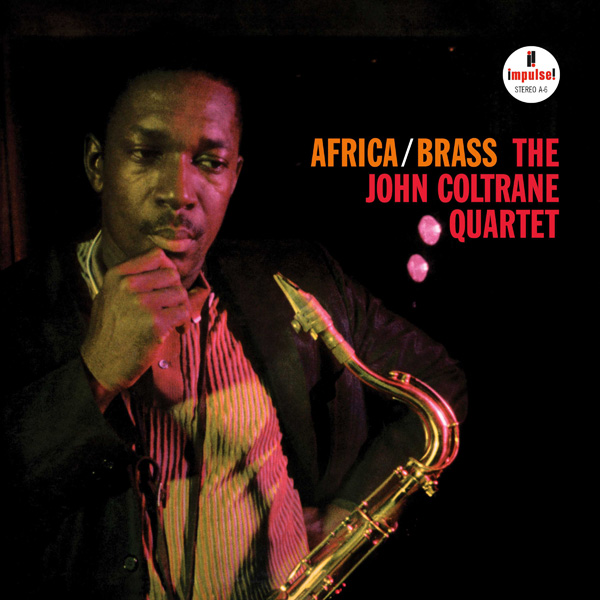 John Coltrane's Africa/Brass (1961, Impulse!) and Impressions (1963, Impulse!) are two of the master composer/saxophonist's most enduring recordings. A founding "spiritual jazz" document alongside Alice Coltrane's Ptah, the El Daoud and Journey in Satchidananda, Africa/Brass employed arrangements by Eric Dolphy and McCoy Tyner that laced tuba, euphonium, French horns, and several saxophones into a fiery backdrop for Coltrane's roving improvisations. "Africa" is anthemic jazz for the ages, a boisterous large ensemble spiraling up to the heavens. Trane's scorching tenor reflects off Elvin Jones's cathartic drumming, horns circling like warring birds. Side 2's "Greensleeves" reimagines the traditional English folk song in a fashion similar to Trane's famous take on "My Favorite Things." The sound is full, meaty, and clean.
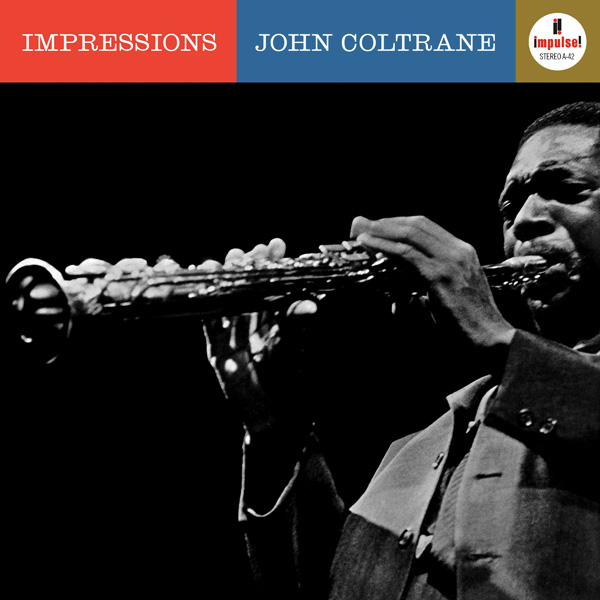 Impressions is an improvisation-driven meteor, far less suite-like than Africa/Brass. The album's core tracks—the title track and "India"—are blistering, levitating cuts from Trane's augmented quartet, recorded live at the Village Vanguard in November 1961. Following these high-velocity live tracks, which were dryly recorded, the studio track "After the Rain" shifts the mood. It's a moment of tranquility and reflection, Coltrane's warm tenor circling McCoy Tyner's subtle chords to forge an atmosphere of reverence and release.
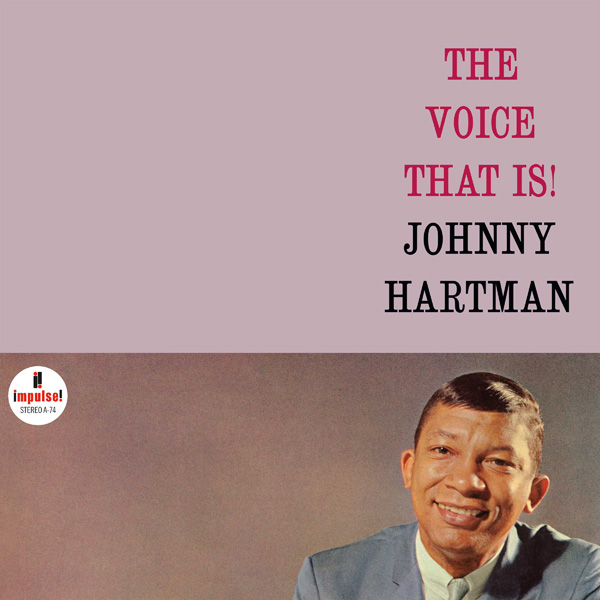 The Voice That Is! (1964, Impulse!) is the third in a trio of Impulse! recordings that also include John Coltrane and Johnny Hartman and I Just Dropped by to Say Hello. The voice in question is vocalist Johnny Hartman's lush, easy baritone, captured in full, unhurried bloom, wrapped around wondrous material, accompanied by pianist Hank Jones, bassist Richard Davis, and drummer Osie Johnson among other class players.
There is no better place to be than wrapped up in Hartman's voice as it glides through "A Slow Hot Wind," "My Ship," and "The More I See You." His delivery seems lighter than air, warmer than a crackling fireplace. He drifts over each melody like a gentle puff of smoke. Hartman's singular voice—guided by an internal clock as locked in as Sinatra's—is unhurried, practically serene; it soothes and satisfies the senses. This reissue is dead-quiet, clear, and rich, letting every hushed consonant come through like brushstrokes on canvas.
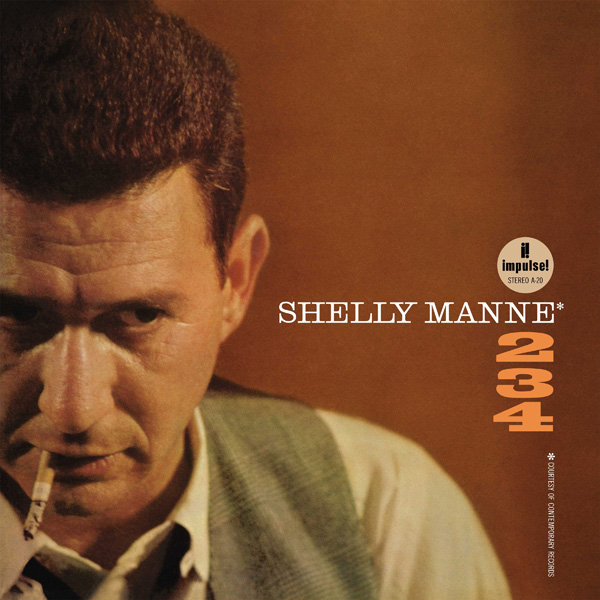 Shelly Manne's 2-3-4 (1962, Impulse!) is an unusual outing from one of the idiom's greatest and most prolific drummers. It's occasionally profound. It's equal parts abstract impressionism, fireball improvisation, lush standards, and exotic drum solos. Its beauty lies in the unlikely choice of musicians and how they interact: Manne lays down a slow swing pattern as Coleman Hawkins's tenor, Hank Jones's piano, and George Duvivier's bass wander nearly freeform, approaching double time. Manne and vibraphonist Eddie Costa lock into a percolating duet. Hawkins's big-chested romanticism is prodded along by Manne's insistent stick jabs. Elsewhere, Manne's rumbling mallet work cushions Hawkins's spirited shouts. Beautifully recorded and criminally underappreciated, 2-3-4 will surprise you.
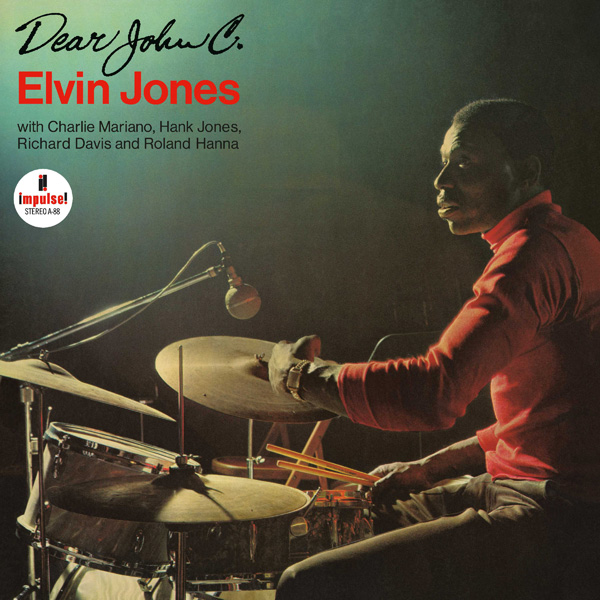 One of the first jazz albums I bought with my own newspaper delivery money, Elvin Jones's Dear John C. (1965, Impulse!) stands out for its common-man touch. Far more inside than his other Impulse! records Illumination! and Heavy Sounds or his run of torrid, exploratory Blue Note dates, Dear John C. sets Jones's pristine, beautifully recorded drums and cymbals against quasi-standards played by the uncommon lineup of alto saxophonist Charlie Mariano, pianist Roland Hanna, and Jones's Coltrane cohort, bassist Richard Davis. The material is the album's strength, from the slow swing of "Smoke Rings" and the quixotic "Love Bird" to Charlie Parker and Dizzy Gillespie's "Anthropology" and Duke Ellington's haunting "Fantazm." It's an unusually intimate recording: Mariano's sinewy tone and Hanna's comforting chords give the often-boisterous Jones a different template to work from. Like being privy to a private, after-hours performance, this is dreamlike music from a brilliant and simpatico cast. The reissue's richness and clarity enhance the spell.
Footnote 1: I realized after writing that all the titles I had selected are on Impulse! I'm not sure why, though Impulse! is over-represented among the most recent titles in the series.
John Coltrane's Africa/Brass (1961, Impulse!) and Impressions (1963, Impulse!) are two of the master composer/saxophonist's most enduring recordings. A founding "spiritual jazz" document alongside Alice Coltrane's Ptah, the El Daoud and Journey in Satchidananda, Africa/Brass employed arrangements by Eric Dolphy and McCoy Tyner that laced tuba, euphonium, French horns, and several saxophones into a fiery backdrop for Coltrane's roving improvisations. "Africa" is anthemic jazz for the ages, a boisterous large ensemble spiraling up to the heavens. Trane's scorching tenor reflects off Elvin Jones's cathartic drumming, horns circling like warring birds. Side 2's "Greensleeves" reimagines the traditional English folk song in a fashion similar to Trane's famous take on "My Favorite Things." The sound is full, meaty, and clean.
Impressions is an improvisation-driven meteor, far less suite-like than Africa/Brass. The album's core tracks—the title track and "India"—are blistering, levitating cuts from Trane's augmented quartet, recorded live at the Village Vanguard in November 1961. Following these high-velocity live tracks, which were dryly recorded, the studio track "After the Rain" shifts the mood. It's a moment of tranquility and reflection, Coltrane's warm tenor circling McCoy Tyner's subtle chords to forge an atmosphere of reverence and release.
The Voice That Is! (1964, Impulse!) is the third in a trio of Impulse! recordings that also include John Coltrane and Johnny Hartman and I Just Dropped by to Say Hello. The voice in question is vocalist Johnny Hartman's lush, easy baritone, captured in full, unhurried bloom, wrapped around wondrous material, accompanied by pianist Hank Jones, bassist Richard Davis, and drummer Osie Johnson among other class players.
There is no better place to be than wrapped up in Hartman's voice as it glides through "A Slow Hot Wind," "My Ship," and "The More I See You." His delivery seems lighter than air, warmer than a crackling fireplace. He drifts over each melody like a gentle puff of smoke. Hartman's singular voice—guided by an internal clock as locked in as Sinatra's—is unhurried, practically serene; it soothes and satisfies the senses. This reissue is dead-quiet, clear, and rich, letting every hushed consonant come through like brushstrokes on canvas.
Shelly Manne's 2-3-4 (1962, Impulse!) is an unusual outing from one of the idiom's greatest and most prolific drummers. It's occasionally profound. It's equal parts abstract impressionism, fireball improvisation, lush standards, and exotic drum solos. Its beauty lies in the unlikely choice of musicians and how they interact: Manne lays down a slow swing pattern as Coleman Hawkins's tenor, Hank Jones's piano, and George Duvivier's bass wander nearly freeform, approaching double time. Manne and vibraphonist Eddie Costa lock into a percolating duet. Hawkins's big-chested romanticism is prodded along by Manne's insistent stick jabs. Elsewhere, Manne's rumbling mallet work cushions Hawkins's spirited shouts. Beautifully recorded and criminally underappreciated, 2-3-4 will surprise you.
One of the first jazz albums I bought with my own newspaper delivery money, Elvin Jones's Dear John C. (1965, Impulse!) stands out for its common-man touch. Far more inside than his other Impulse! records Illumination! and Heavy Sounds or his run of torrid, exploratory Blue Note dates, Dear John C. sets Jones's pristine, beautifully recorded drums and cymbals against quasi-standards played by the uncommon lineup of alto saxophonist Charlie Mariano, pianist Roland Hanna, and Jones's Coltrane cohort, bassist Richard Davis. The material is the album's strength, from the slow swing of "Smoke Rings" and the quixotic "Love Bird" to Charlie Parker and Dizzy Gillespie's "Anthropology" and Duke Ellington's haunting "Fantazm." It's an unusually intimate recording: Mariano's sinewy tone and Hanna's comforting chords give the often-boisterous Jones a different template to work from. Like being privy to a private, after-hours performance, this is dreamlike music from a brilliant and simpatico cast. The reissue's richness and clarity enhance the spell.
Footnote 1: I realized after writing that all the titles I had selected are on Impulse! I'm not sure why, though Impulse! is over-represented among the most recent titles in the series.