Punk rock was never meant to grow old. For their first three studio efforts, The Replacements epitomized the punk ethos. Sorry Ma, Forgot to Take Out the Trash (1981), the EP Stink (1982), and Hootenanny (1983) are loud, bashy fun. Song titles on Stink give a fair idea of the band's level of maturity in those days: "Fuck School"; "White and Lazy"; and "Dope Smokin' Moron." It has been suggested over the years that this most worshipped and mythologized of all '80s indie rock bands weren't just deliberately sloppy but suffered from self-sabotage. Around 1984, the band discovered that punk, even more than most other forms of popular music, had its own credo of unwritten rules, and those rules started to chafe against the band's nonconformist ways.
In 1984, during the recording of the Twin/Tone album that would become Let It Be, the ragged, out-for-a-laugh Minnesota quartet of brothers Bob and Tommy Stinson (guitar and bass, respectively), Chris Mars (drums), and Paul Westerberg (vocals, rhythm guitar) began to find their way. Their then-emerging leader, Westerberg, told Rolling Stone in 2009, "This was the first time I had songs that we arranged, rather than just banging out riffs and giving them titles."
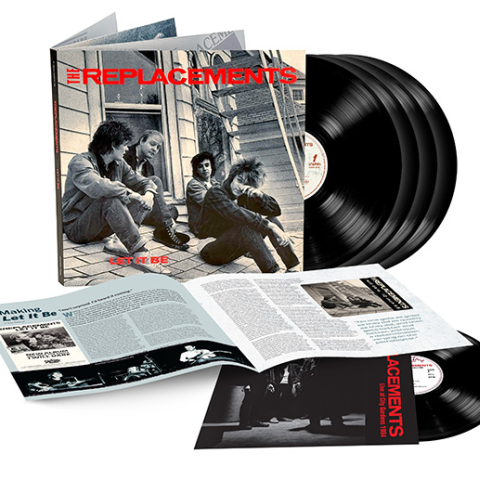
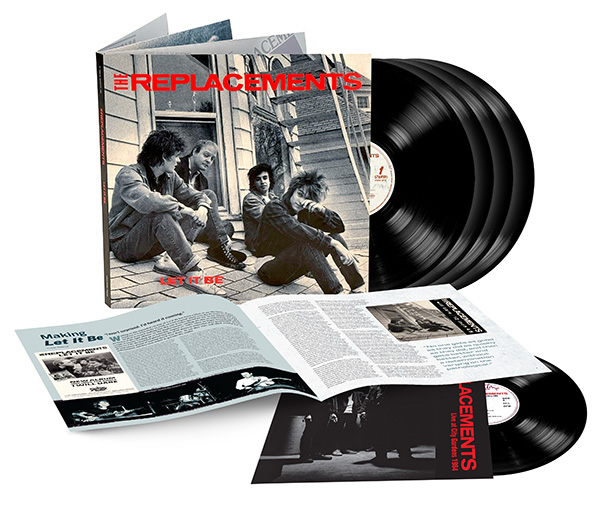
The last member to join the band, Westerberg had asserted himself both in songwriting and in envisioning future possibilities. Either the villain or the hero of the saga of the 'Mats raucous tale—sometimes both—he had written a group of songs that seemed to have potential for wider success, and he was ready to make a more significant album. Unable to resist sneering at a few sacred cows along the way, however—not to mention invoking a typically ballsy comparison—they named the collection Let It Be after agreeing during a band meeting that the next song they heard on the radio would be the title of the new album. More than three decades later, the now-hallowed Let It Be has been given the luxe reissue treatment on Rhino Records' new four-LP set Let It Be (Deluxe Edition).
Westerberg's state of mind during Let It Be was made clear by the title and lyrics of "Unsatisfied," one of the album's three best songs, when he answers his own question with "Look me in the eye/And tell me that I'm satisfied." Taken together with the wonderfully driving "I Will Dare" and the oddly serious piano ballad "Androgynous," the songs made it clear that suddenly this reckless foursome, who possessed what liner-note contributor Elizabeth Nelson calls a "strange acuity for seeming to be manic and lazy at once," had the beginnings of a new plan.
For fans of their punk-rock side, this is when Westerberg's arrogance began to lead the band astray. This was the last album on which Bob Stinson, erratic and prone to excess, played a major part. While several tracks here, "We're Comin' Out" and "Tommy Gets His Tonsils Out," were driving and simplistic enough to keep the band's punk-rock fans happy, the growth on Let It Be was unmistakable. This was just a great rock'n'roll album. A cover of Kiss's "Black Diamond" was the icing, seasoning the album's mix with one of the 'Mats' charming goofs.
For fans of the band who care about the quality of the recorded sound, Let It Be has always presented a quandary. To track the album, the band returned to Blackberry Way Studios in Minneapolis, where they'd recorded their first album and their first EP with engineer Steve Fjelstad. The original release had awkward, audible edits, lots of bleed between recording tracks, and a generally muddy sonic profile.
The current Deluxe Edition ups that dilemma even further by including a 1984 live show from the Cubby Bear club in Chicago, sourced from a cassette-board tape with what can charitably be called less-than-pristine sound. Yet another example of the age-old bootleg dilemma between worthy content versus compromised sound quality, this show is front-loaded with songs from Let It Be, before spinning off into the usual unpredictable fracas of covers including, in this case, "Help Me, Rhonda" (The Beach Boys), "Hitchin' a Ride" (Vanity Fare), and "Can't Get Enough" (Bad Company).
As for the original 11-track album, complemented here by five previously released bonus tracks, this fresh remastering is the richest, most multidimensional sounding yet. It's a significant improvement over previous US remasterings, from 2002 and 2008. It's obvious from the force of Chris Mars's initial drum hits and the clarity of guest Peter Buck's guitar in "I Will Dare" that this Let It Be is improved sonically. The air that's been blown into the mix has much improved the separation between instruments everywhere, but this is especially apparent in "Favorite Thing." Because of the limitations of the final master, this will never be a clean, razor-sharp digital recording. Which of course leads to the eternal dispute over whether faster digital sampling rates or the warmer grays of an analog signal produce more lifelike reproduced sound.
Of this new remastering, Twin/Tone Records co-owner Peter Jesperson writes in the liner notes to this new reissue, "The remastering of the original Let It Be album by our colleague and friend Justin Perkins from Mystery Room is, to me, a revelation. I've never heard this album sound better. I am so grateful to Justin for his fastidious technical ability, superior ears, and the heart he puts into his work."