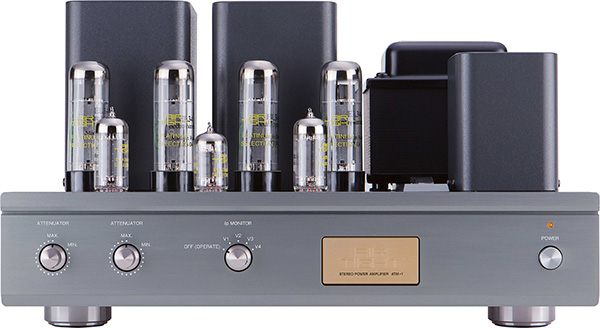
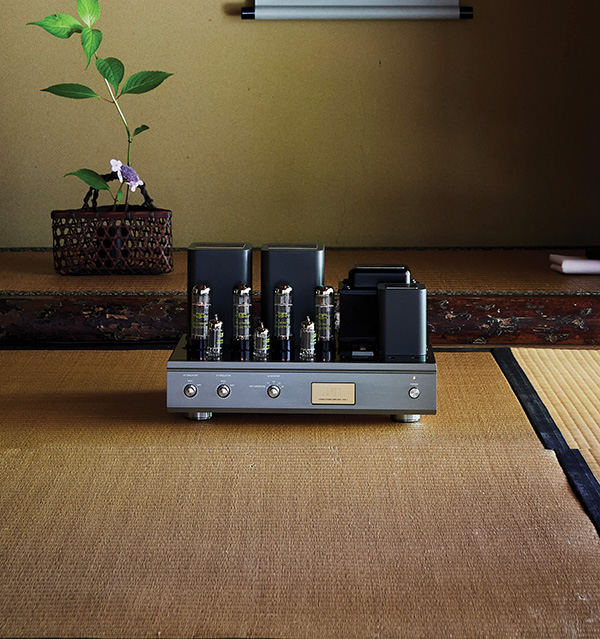
 The ATM-1E has just four main user controls: a pushbutton for power, separate attenuation knobs for the left and right channels, and an identical-looking knob for checking and bias, labeled "IP Monitor" ("I" for current, "P" for plate). This five-position knob—"Operate" plus a position for each power tube—lets you adjust the plate current using a meter and four trim pots on the top panel, adjacent to the choke enclosure.
Installation and setup
The ATM-1E has just four main user controls: a pushbutton for power, separate attenuation knobs for the left and right channels, and an identical-looking knob for checking and bias, labeled "IP Monitor" ("I" for current, "P" for plate). This five-position knob—"Operate" plus a position for each power tube—lets you adjust the plate current using a meter and four trim pots on the top panel, adjacent to the choke enclosure.
Installation and setupI positioned the easy-to-lift ATM-1E on top of four A/V RoomService Ltd. Equipment Vibration Protectors (EVPs). Norman Varney's EVPs are the best blocks I've heard (or not heard) to isolate components from the vibrations and resonance nasties that invade the top floor of this 120-year-old building. While I reviewed the ATM-1E with my standard review setup, I also employed several exciting products I have in for review including the DeVore Fidelity Gibbon Super Nine loudspeakers, the J.Sikora Standard Max Supreme turntable, the Manley Chinook phono pre, and the EMT JSD Pure Black MC cartridge (used in the review of the EMT 928 II turntable). From my own kit, I used the Shindo Laboratories Allegro preamplifier, Auditorium 23 speaker cables, and Triode Wire Labs interconnects. With equipment both familiar and strange, I immersed myself in extended listening sessions aiming to understand the ATM-1 2024 Edition's true character.
I often have friends over, including Stereophile writers and other industry folk, as I listen to a component under review. I watch them and listen as they share their observations, testing them against my own. "This is a way more dynamic sounding amp than the ATM-1," Jeff Fox, major domo at Command Performance AV of Falls Church, Virginia, proclaimed seconds into Kraftwerk's epic Tour de France (Kling Klang 50999 9 66109 1 6). I never heard the ATM-1, but Fox has some of the best ears in the business.
 Next up, a new release from beloved jazz pianist and composer Chick Corea. His eight-LP box set Trilogy (Concord Jazz ACONC 59362) features his trio of bassist Christian McBride and drummer Brian Blade in live performances spanning the globe and the years 2010–2016. Primarily covering the American Songbook (plus his own classics "Spain" and "La Fiesta"), Trilogy isn't up to the innovative brilliance of, for example, 1968's trio record Now He Sings, Now He Sobs or the torrid free-jazz trio interplay of ARC (ECM 1009 ST), but it confirms Corea as a standards master on par with contemporaries Keith Jarrett, Cedar Walton, and Herbie Hancock. Corea's melodious approach is enlightened by his distinctive, inimitable rhythmic feel and his trio's superlative support.
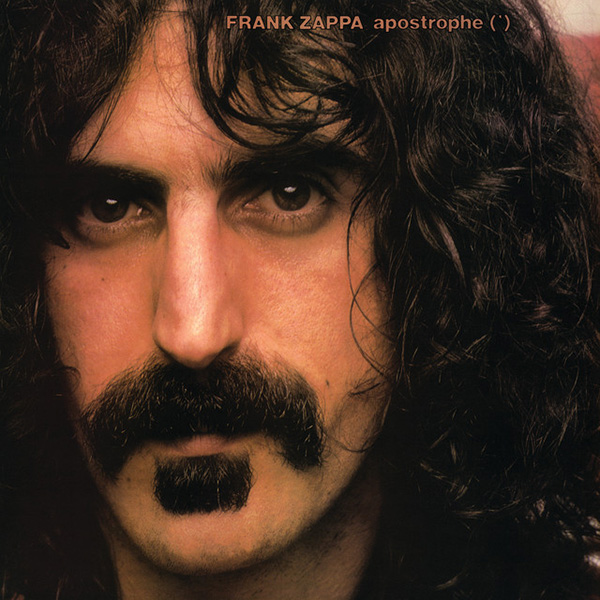 Though it's a push-pull amplifier and the EL34 is a pentode, the ATM-1E occasionally evoked a fine single-ended triode amp—though at other times it seemed to draw inspiration from both the Shindo Laboratories Haut Brion stereo push-pull amp and the Luxman L-509X, a transistor-based integrated. The ATM-1E combined the Shindo's warmth, opulent tone, naturalness, and expansive soundstage with the Luxman's precision and orderliness, though with its exceptional separation and layering, the ATM-1E surpassed both. Its bass was controlled, solid, and abundant, while its transparency made it feel like a neutral conduit, allowing the other components to shine. It offered a unique blend of emotionally engaging musicality and, somehow, transparency to both the source and the performance.
After a few more Corea and Zappa records, I swapped out the DeVore Super Nines (91dB/W/m) for the Voxativ Ampeggio 2024s (97dB/W/m), two distinct voices reflecting the perspectives of two of my favorite speaker designers, John DeVore and Inès Adler. The AirTight ATM-1E had no trouble driving the Super Nines, but how will the amp fare matching its personality to the larger (more sensitive), German-made Ampeggio with its single full-range driver?
Greg Roberts's Volti Audio is top-of-the-horn-heap for highly sensitive, well-made, horn-loaded speakers, and the Razz is no exception. A three-way bass reflex/horn hybrid floorstander, the Razz is a sonic amalgam—sonically, maybe, a cunning blend of DeVore and Voxativ. I stuck with the AudioQuest cables. The Volti/AirTight pairing was a celestial conjunction. The AirTight extracted the Razz's sumptuousness, silken sweetness, and opulent presence while fortifying its subterranean bass. Low notes coiled around the room like dancing Buddha. The duo swayed like a rhythm section possessed by a divine muse: Billie and Lester, Billie and Finneas, Hepburn, and Tracy.
Switching out the J.Sikora/EMT/Manley front-end for my Thorens TD 124 turntable with the Korf TA-SF9R tonearm and the Kuzma CAR-30 MC cartridge, the sound underwent a seismic shift, yet the AirTight's core character remained. The music was less atmospheric, less detailed, and slightly more recessed, yet the stage remained vast, populated with palpable images. The decay of notes seemed endless.
 Conclusion
A tube amp fanboy to my core, I've long stalked the aisles at hi-fi expos, eyes peeled for that telltale AirTight gleam. Their exquisite craftsmanship and captivating sonics have, in my mind, elevated them to the status of sonic royalty, their mere presence inspiring reverence. When he reviewed the ATM-1S a decade ago, Art Dudley concluded that it was "right up there with the best I've heard." I'll go him one better: The AirTight ATM-1 2024 Edition is the finest amplifier I've hosted in my sonic sanctuary.