Powerline Accessory Reviews

Sort By: Post DateTitle Publish Date

Brilliant Corners #26: Racks, Cleaners, Cables, Resonators
Some years ago, I visited the home of a well-known American author who happened to be an audiophile. His cramped, dimly lit listening room contained a tube amp, a DAC, and a pair of inexpensive floorstanding speakers surrounded by what looked like a museum of audio tweaks. I recall a scarecrow-like contraption with swiveling wood-and-metal arms that rearranged magnetic fields, assorted boxes and panels that promoted "quantum proton alignment," mysterious dots covering the walls like a rash, and nearly a dozen things dangling from the speakers' binding posts that were supposed to do something I can't remember. The author had an almost mystical belief in the power of these objects to bend the laws of physics and told me that he'd spent more on them than on the rest of the system, because in his opinion they were more important to the overall sound.


The thing that surprised me most is that despite the tweaks—or maybe because of them—his hi-fi sounded pretty terrific.
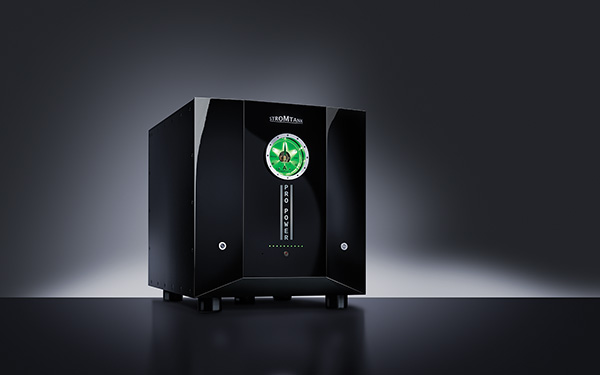
Stromtank S-4000 ProPower MK-II XT computer-controlled battery power source

In my enthusiastic 2022 review of the Stromtank S-1000 ($16,900), I described the Stromtank as a computer-controlled lithium iron phosphate (LiFePO4) battery array that, coupled with its AC inverters and all the trimmings, supplies clean, constant, stable off-grid AC power to hi-fi components. By softly depressing a single button on the front panel, Stromtank owners can easily switch from wall-connected mode (when the Stromtank's dimmable front-panel meter is blue) to a disconnected, battery-only state (when the meter is green). At the end of a listening session, users can return to blue mode to recharge the battery array.

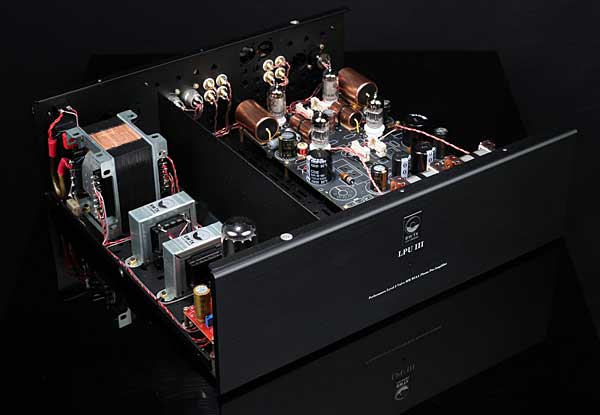
Analog Corner #324: Phono Cartridge Standards, SW1X LPU III Balanced phono preamplifier, Sumiko Wellfleet phono cartridge

Whenever I do turntable-setup seminars, I complain to the participants about the lack of cartridge-pin diameter and clip-opening standards. Anyone who does their own setup has experienced it: The connection is too tight or too loose. Forcing the clip onto the pin usually results in a broken-off clip that most end users don't have the soldering skills needed to repair; in the worst case, it can even result in damage to the cartridge when you try to remove the clip from the pin.

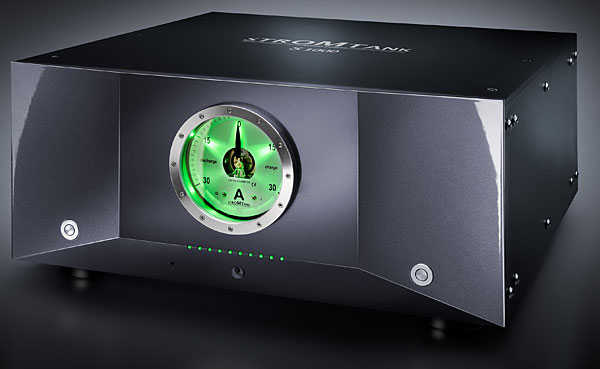
Stromtank S 1000 computer-controlled battery power source

The Kingdom of Audiophiledom rests on a paradox. Inanimate audio systems and rooms aim to deliver music that animates our senses and touches our souls. The inherently lifeless exists to bring music to life.


This holistic reality—that systems and rooms function as living organisms where every part is interconnected and interrelated—came home to me when, during one of the first AXPONAs in Chicago, I entered a long, cavernous basement room with several spongy "conference room" walls. "There is no way that any setup can deliver good sound in this room," self said to self. Yet, the system sounded unbelievably good.

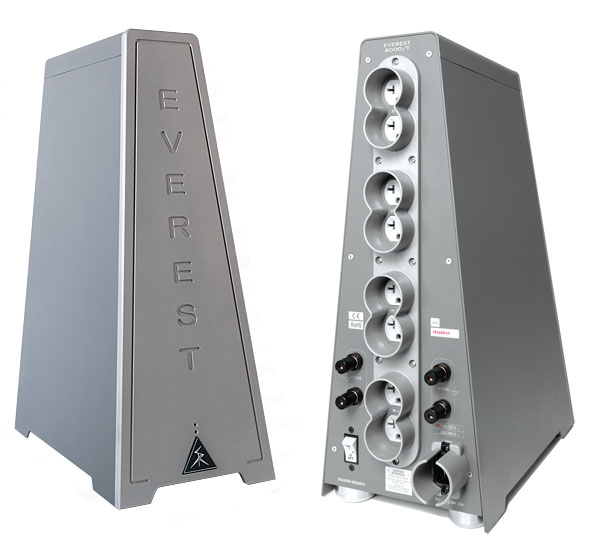
Shunyata Research Everest 8000 power conditioner

Shunyata Research is the brainchild of Caelin Gabriel, whose résumé includes stints at NSA, in military R&D, and in the computer industry, first digging weak signals out of noise then developing very high-speed network devices. He is also a lifelong audiophile.


Shunyata's roots are in the scientific understanding and engineering base Gabriel has developed during his career. I've long been impressed by those scientific underpinnings—which extend not only in audio but also to other fields including medical devices—and by how open the company is in talking about its technologies.

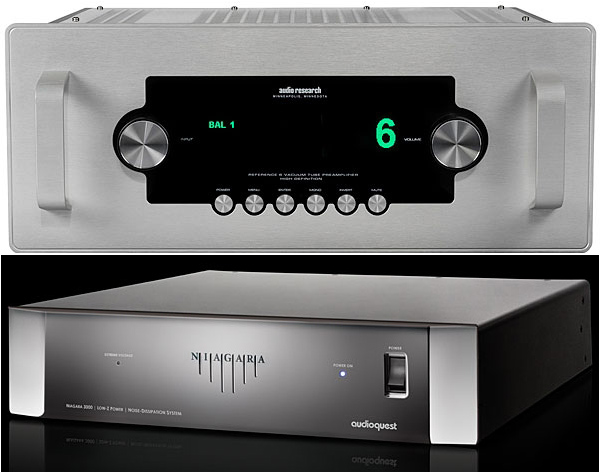
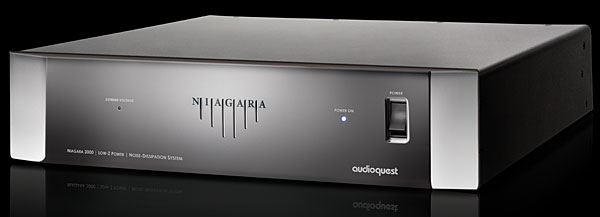
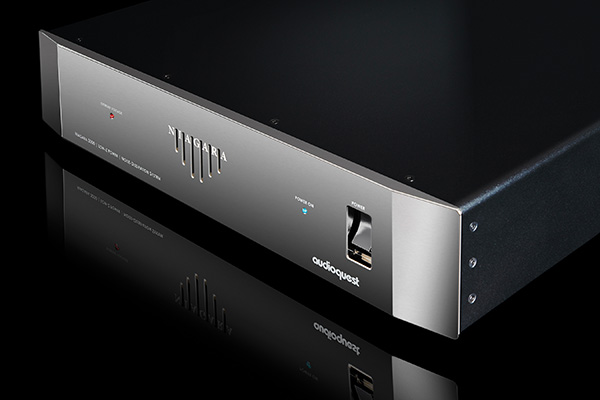
AudioQuest Niagara 3000 AC power conditioner

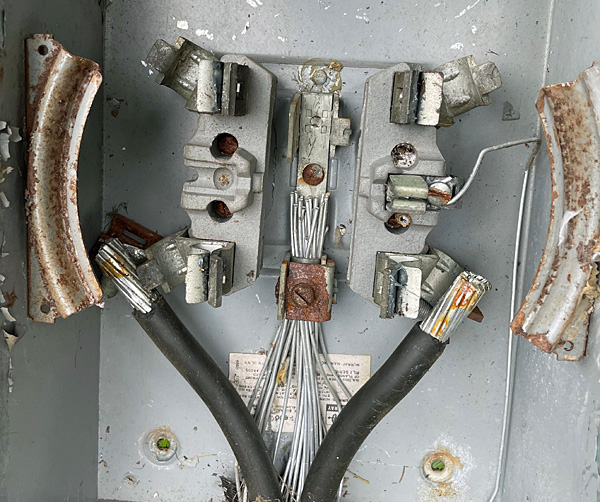
It stands to reason that any audiophile system would benefit from improved AC power. The rooms in most older homes are equipped with a single duplex receptacle on each wall, maybe two per wall in homes employing more modern construction practices. Behind the wall you're likely to find standard 14-gauge Romex, passing through via receptacles that typically sell for about a buck each. The electrical work meets local code, but audiophiles aren't involved in setting local electrical codes.
Advertisement
Advertisement
Advertisement