Phil Brett
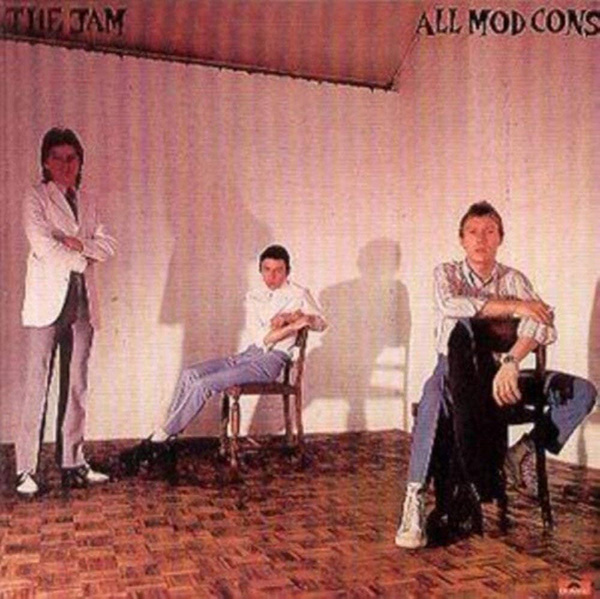 The Jam: All Mod Cons
Polydor Records. 0602537459100. Vic Coppersmith-Heaven, prod.; Peter Schierwade, eng. Paul Weller was running out of ideas, so he turned to his hero Ray Davies for song-writing inspiration. The immediate result was a vibrant cover of The Kinks' "David Watts." "Down in the Tube Station at Midnight" followed—an epic story on 45rpm. Both are included on All Mod Cons, an album that retains the punk edge and attitude, but it's articulate, it has breadth—harmonies even! Each song is a vignette of British life. But what really shocked the 16-year-old me were the two acoustic love songs ("Fly" and "English Rose"). Weller was maturing, and so was I.
 Jimmy Smith: Back At The Chicken Shack
Blue Note Records. BST 84117. Alfred Lion, prod.; Rudy Van Gelder, eng. I was working in a record shop in London's Oxford Street and had exhausted the music I liked, but it was my turn on the turntable. At that moment, I was unpacking >Back at the Chicken Shack from the Blue Note delivery. Knowing nothing about jazz, I'd never heard of Jimmy Smith. But the sleeve was cool, so I put it on. Seconds into the title track, and wow! Right there, in 1985, I fell in love with Jazz. I heard—and felt—perfection. Years later, and it still makes my spine tingle whenever I (frequently) listen to it.
Ray Chelstowski
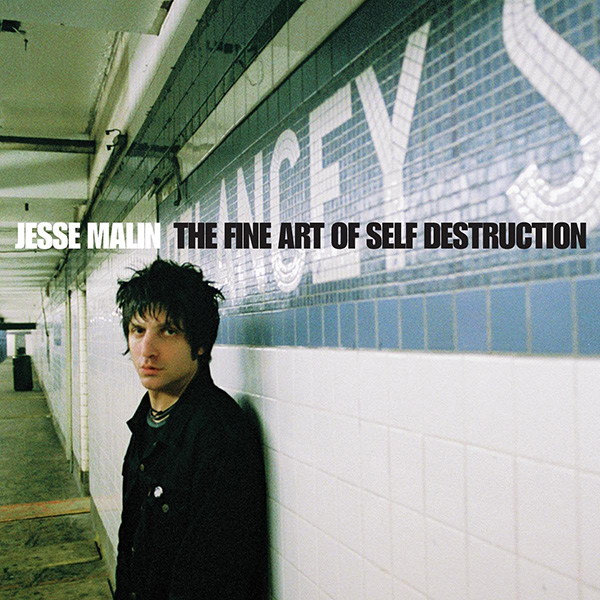 Jesse Malin: The Fine Art Of Self Destruction
Artemis Records 99675 11582 (CD). 2003. Ryan Adam, prod.; Tom Schick, eng. Jesse Malin had already made a name for himself as a fixture in Manhattan's Lower East Side rock scene when his solo debut, The Fine Art of Self Destruction, arrived. Unlike the music of his glam punk–fueled past, this record presented a troubadour more like Tom Waits, who delivers stories about underdogs and outcasts across songs with great melodies and candied guitars. They are seen through the sonic prism of a city rarely absent of grime and grit, with vocals that have the conviction of someone who's telling you tales of his own fractured past, often fiery and sometimes just heartfelt.
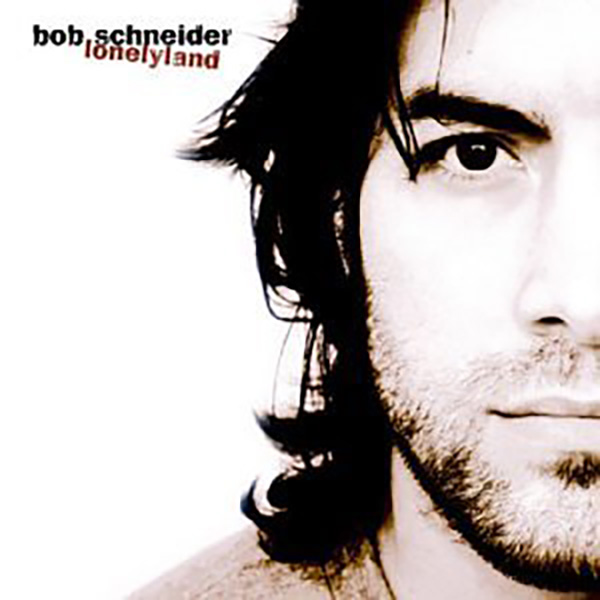 Bob Schneider: Lonelyland
Universal Records 440 013 369-2 (CD). 2001. Carl Thiel, Bob Schneider, prods.; Carl Thiel, eng. This Austin-based singer/songwriter's music is impossible to define, and this solo debut is perhaps the best reflection of his many influences. Songs about lost love, sobriety, and a happiness that is just out of reach are delivered with an offbeat humor and razor-sharp angst that he has become known for. They are presented through songs that blend world music, opera, straightforward rock, and elements of hip hop that are incredibly infectious and remain the centerpiece of his live shows. They are knitted together through remarkable musicianship and arrangements that aren't always predictable but that always stick their landing.
Thomas Conrad
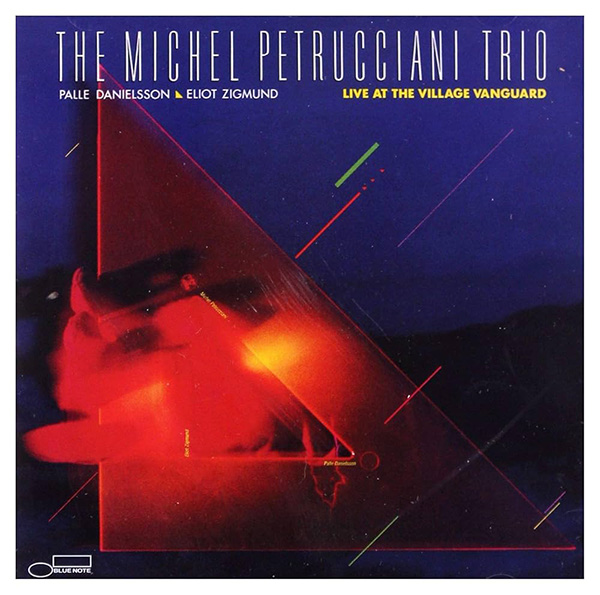 Michel Petrucciani: Live At The Village Vanguard
Petrucciani, piano; Palle Danielsson, bass; Eliot Zigmund, drums
Blue Note 7243 5 40382 2 8 (CD). 1985/2002. Gabreal Franklin, prod.; Tom Arrison, Gabreal Franklin, engs.; Michael Cuscuna, reissue prod. Michel Petrucciani made his best records when he was young. This one was recorded in 1984, when he was 22. Even more than most jazz musicians, Petrucciani needed to be seen live. Only then could you witness the miracle: that someone so disabled, who weighed less than 60lb, who had to be carried to the stage, could make a piano surge with music, like the sea, and become the very voice of the invincible creative human spirit. He died at 36. Records are all we have now. If you don't know Petrucciani, start with this one. Then keep on.
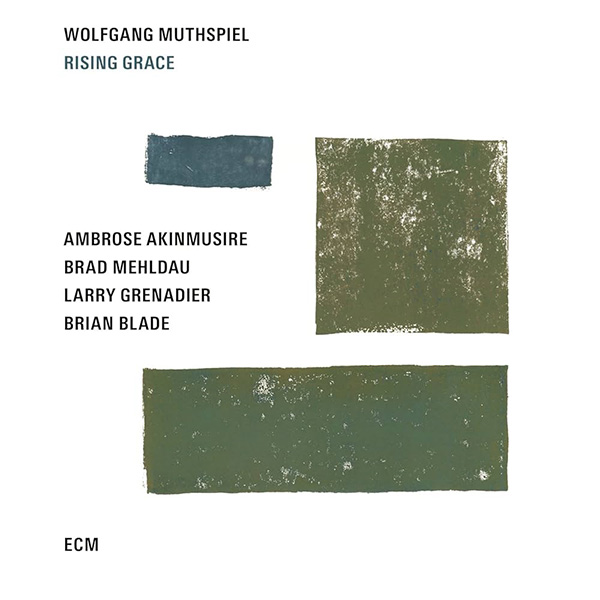 Wolfgang Muthspiel: Rising Grace
Muthspiel, guitar; Ambrose Akinmusire, trumpet; Brad Mehldau, piano; Larry Grenadier, bass; Brian Blade, drums
ECM 2515 (CD). 2016. Manfred Eicher, prod.; Gérard de Haro, Nicolas Baillard, engs.