
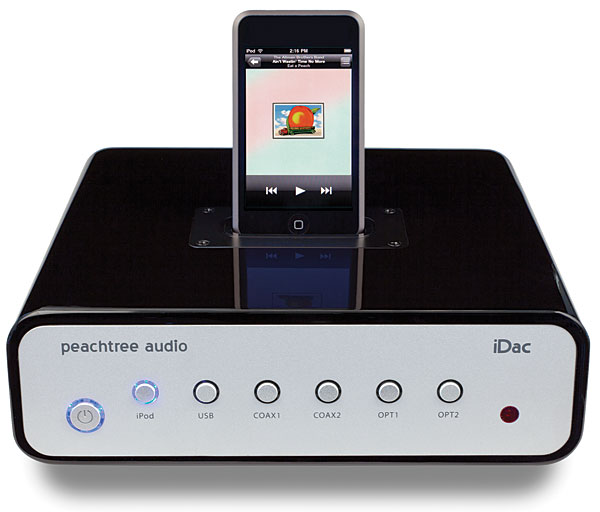
Peachtree iDac D/A converter
Oh boy, another new DAC review. Some folks think DACs, once you get past the features, all sound pretty much the same. I mean, it's just digital. Well, they're right. Pretty much. Just as two new cars of a particular make, model, color, and options package both look the same, sitting there on the lot.
But if you discover a ding in the door of one of them, where most folks still see only a new car, you now see the ding. It might have been there all along, undetected the first few times you walked around the carmaybe your buddy even had to point it out to you. It's insignificant in the scheme of all that a new car is, but once you've seen it, you always see it. Now you can easily tell the two cars apart, and we both know which one you'll drive home.
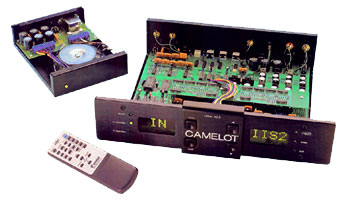 The apparent demise of Audio Alchemy left a niche in the marketplace for a supplier of innovative, high-value digital components to provide the less-than-wealthy audiophile with state-of-the-art technology. Although Camelot Technology existed before Audio Alchemy went away, they have quickly taken over this niche with some interesting components. And I understand that some of the former AA technical personnel consulted for Camelot in the development of these products. (A recent press release indicates that Genesis Technology also played a major role in their design.)
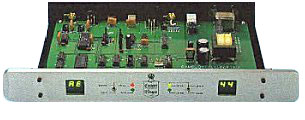 The Dragon Pro is, I believe, the most eagerly awaited of the Camelot products. Since the disappearance of Audio Alchemy's DTIPro 32, no comparable anti-jitter and resolution-enhancement product has come along to replace it. (Yes, there are simpler anti-jitter boxes, and there is the
 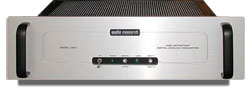 The past 12 months have seen some remarkable developments in digital playback. Standards of digital musicality are far higher than they were a year ago, both on an absolute performance basis and in terms of what you get at various price levels. No other component category has seen such tremendous gains in value for money or number of new products introduced. It seems hard to believe that since Vol.13 No.6 (12 issues ago), we've reviewed such noteworthy digital processors as the
  The rapidly evolving world of the late 20th century is the source of much stress. Changes in the status quo, whether wrought by social, political, or technological forces, are often accompanied by anxiety brought on by the struggle to assimilate new patterns of thought. New ideas necessitate abandoning or modifying one's old ideas, thus creating conflict (footnote 1). However, these periods of rapid change can also be exciting, allowing one to chart a course of discovery and growth.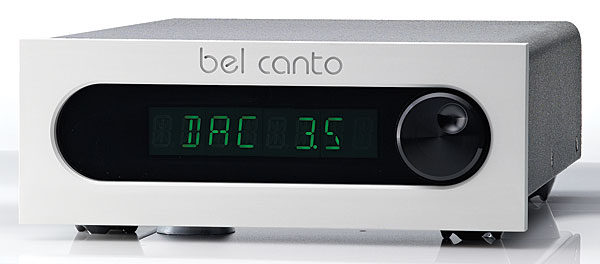
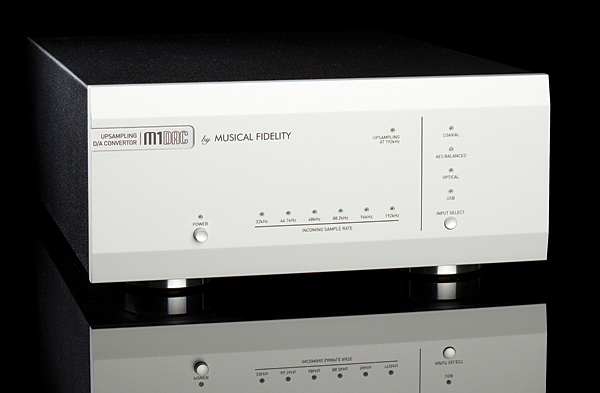
 As explained by Ken Kessler elsewhere in this issue, the English A&R Cambridge company made their name by producing one of the UK's most successful integrated amplifiers, the 40Wpc A60. This neatly styled model was in production for a decade or so and was the basis for a large number of good-sounding but inexpensive audio systems. These days, the company, whose products in the US sell under the Arcam banner, is a major British hi-fi manufacturer, with a product line that includes integrated amplifiers, tuners, loudspeakers, cartridges, and even a CD player. A&R was, I believe, the first UK manufacturer to obtain a player-manufacturing license from Philips, and with the product under review here, has broken new territory for a supposedly "audiophile" company in having a custom LSI chip manufactured to their own requirements.