Interviews

Sort By: Post DateTitle Publish Date

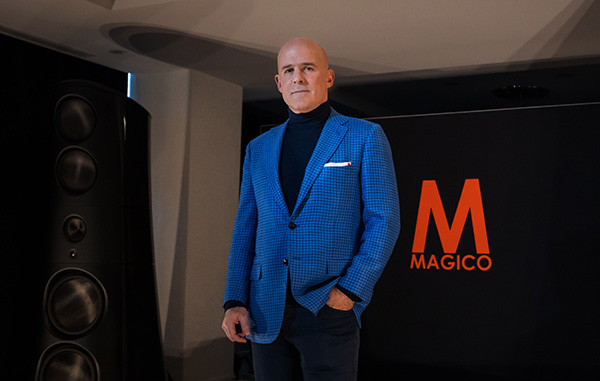
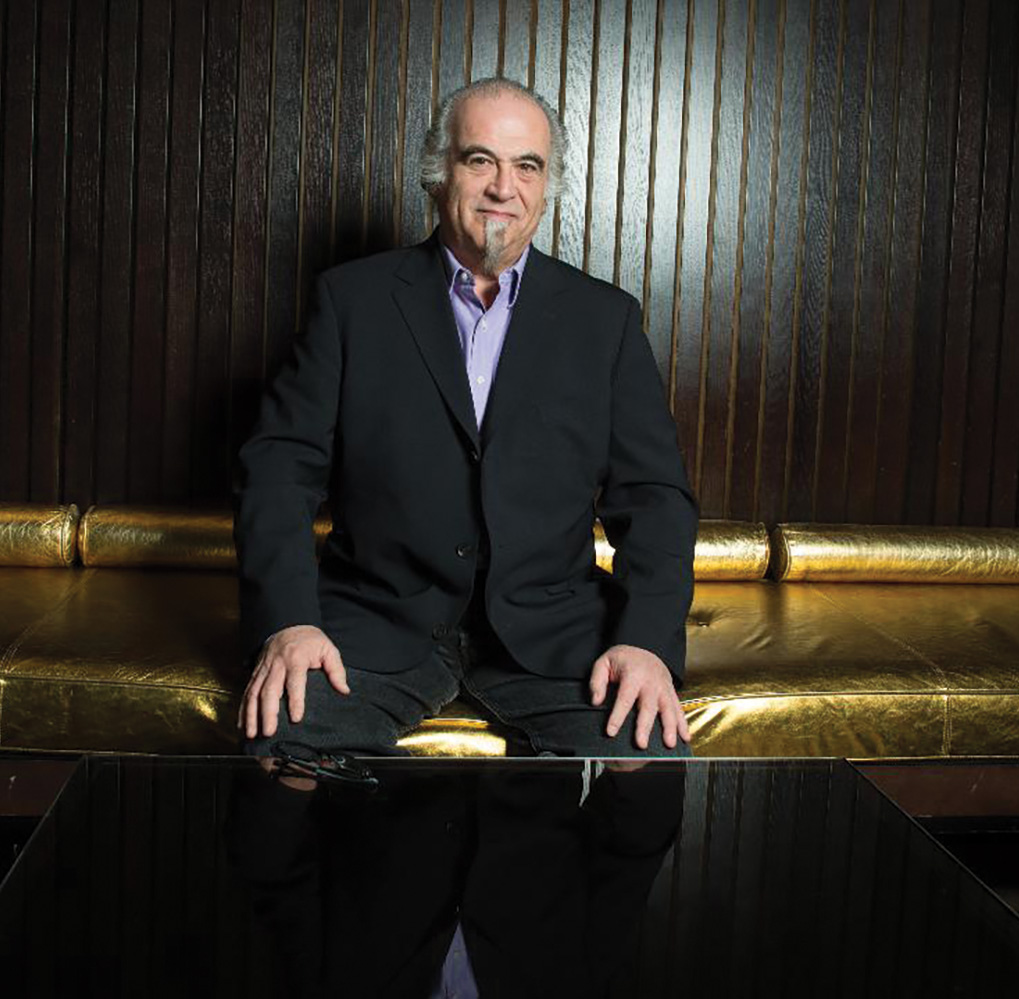
Steve Berkowitz: A Record Man For All Seasons

Photos by M. van Dorp.


Does anyone use the term "record man" these days? In an earlier era, it would have been used in the same way the term "ad man" was used, as a particularly American job description. People who spend their careers in and around the music business. Some of these record men are known by the public—some of it anyway—whereas others may be familiar only to colleagues.


I met Steve Berkowitz under the best of circumstances: sitting in a basement listening room hearing beautiful recordings made in 1958 that I'd never heard before, by the Miles Davis Quintet. It was the recently issued Miles Davis—Birth of the Blue (Analogue Productions APJ 172). The album was, the credits state, "Supervised by Steve Berkowitz." The name rang a bell, though prior to this meeting, I didn't have a face to go with the name.

James Farber: Capturing the Live Event...in the Studio

Photo by Ken Micallef


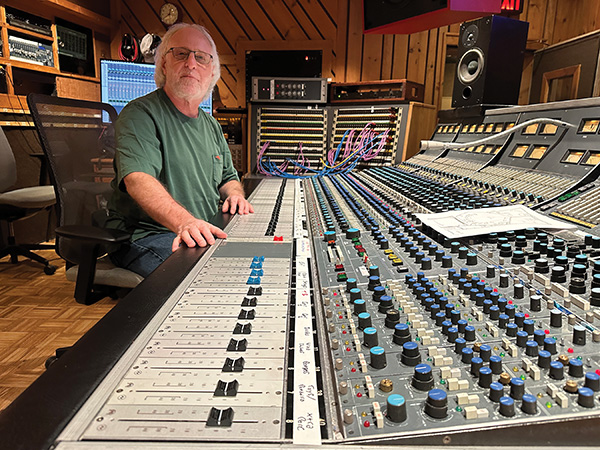
Ask the average jazz-loving audiophile to list his favorite recording engineers, and such icons as Rudy Van Gelder, Roy DuNann, and Fred Plaut would top their lists. but if you asked a handful of current and recent New York City jazz musicians to cite their favorites, one name would leap to the front of the pack: James Allen Farber.

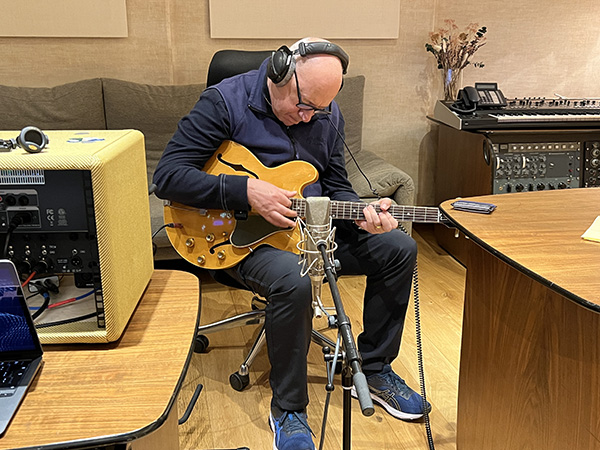
Policed: the Complex Simplicity of Andy Summers

Summers photos By Rogier Van Bakel


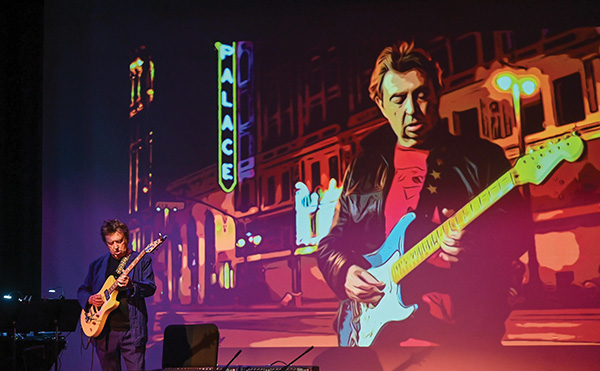
"That's pretty odious," Andy Summers says to me. "An odious comparison." His blueish eyes darken. Roughly an hour into our 90-minute face-to-face interview, I'd asked if it bothers him that in terms of reach and staying power, his solo oeuvre will never match his work with The Police.


To me, the observation seemed factual and uncontroversial, like saying that the sun rises in the east. The Police sold more than 75 million records and played some of the largest venues in the world. The night before our interview, I'd watched Summers perform a show in a 400-seat theater in rural Waldoboro, Maine.

Planet of Sound: Harnessing that Magic Pixies Dust

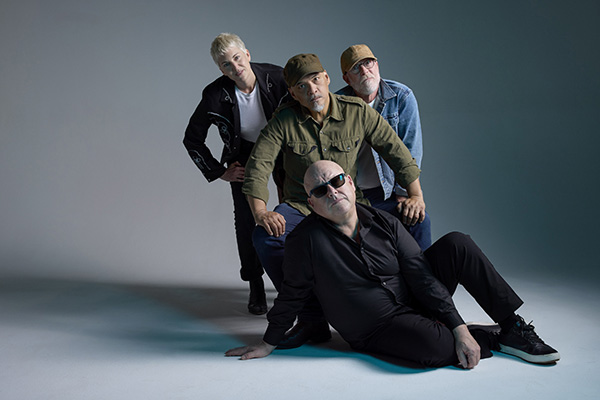
Photo © Travis Shinn


If there's one word that best describes the sound of the Boston-bred alt-rock quartet known as Pixies, it has to be "dynamics." It's a musical milieu Pixies have deftly presented for 37 years and counting, right from the outset of the sinister janglefest known as "Caribou," the opening track on their inaugural September 1987 EP on 4AD, Come On Pilgrim.


From there, short, sanguine, sweet, succinctly titled songs like "Debaser," "Velouria," "Monkey Gone to Heaven," "Gigantic," "Here Comes Your Man," "Gouge Away," and "Where Is My Mind?" have all served to cement the bedrock of Pixies' planet of sound. Chief Pixies songwriter and vocalist/guitarist Black Francis—born Charles Thompson—recently described it in an interview for Stereophile as this: "Let's be quiet. Now, let's be loud. Let's be whispering. Now, let's be explosive." That's a precise four-sentence descriptor not only of their entire prior CV but also of Pixies' latest, and ninth studio album, the forebodingly titled The Night the Zombies Came, which was released by BMG in October 2024.

Art Of Noise at SFMOMA: Instantly Iconic

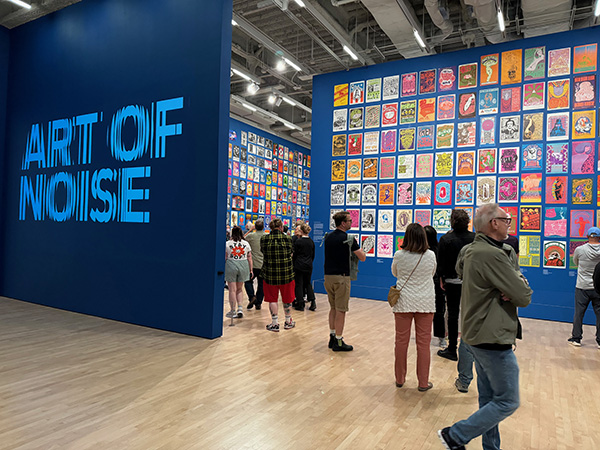
From May 4 through August 18, 2024, the San Francisco Museum Of Modern Art (SFMOMA) staged the largest multisensory installation cum performance art exhibition in its history. Entitled Art Of Noise, the multi-room show, which occupied 14,000ft2 on the museum's seventh floor, drew an estimated 140,000 visitors, boosting museum attendance by over 33% from the same period in 2023. Even accounting for postpandemic attendance declines, that's an impressive figure.


The exhibit, designed to celebrate "pioneering designs shaping our music experiences," was the creation of two visionaries: Museum Curator Joseph Becker, 40, and New York–based audio salon host/entrepreneur/system and fashion designer Devon Turnbull, aka Ojas, 45.

Return to Analog's Pierre Markotanyos

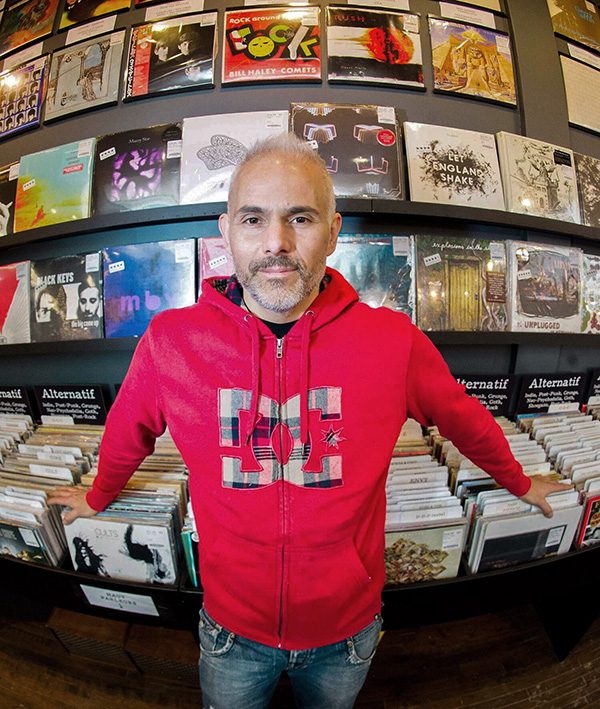
The return of vinyl, which has stayed popular and profitable since its resurgence, has now developed a surprising nuance. Pierre Markotanyos, the owner of the reissue label Return to Analog and Montreal record store Aux 33 Tours (which refers to the speed at which an LP spins), has noticed a distinct change in the makeup of who's buying vinyl these days. "In the late 2000s," Markotanyos reflects, "it was mostly 55-to-70-year-old guys who were coming in, buying records to play on their high-end stereos that they bought at the audio show in Montreal." [Sound familiar, Stereophile readers?] "They were the purists and the true believers."

Electropop Pioneer Boris Blank's Blank Canvas

Yello's Boris Blank poses at an outdoor cafe in old town Zurich. (Photo by Rogier van Bakel.)


Boris Blank has a cold, and three days after meeting him in his hometown of Zurich, I do too. This seems apt. Metaphorically, he's been infecting me for decades.


For almost 45 years, Yello, the pioneering Swiss band that Blank formed with singer Dieter Meier, has created witty electropop that provokes joy and awe in attentive listeners. You can dance to most of this music, of course—it's often hard not to—but its allure, its spell, goes deeper. For one thing, Yello's music is delightfully visual. Cinema for the ears.

Mark Knopfler, Straits Shooter

All photos by Guy Fletcher


For a guy born in postwar Glasgow who spent his formative years across the border in Northern England, Mark Knopfler has a knack for writing songs based in an American ethos.


Since disbanding Dire Straits, which he led from 1977 to 1992, Knopfler has evolved from headband-sporting guitar hero to acclaimed observational songwriter. Commencing with his 1996 solo debut Golden Heart (Warner Bros.) and continuing through One Deep River, his just-released 10th solo studio album, on the jazz-centric Blue Note label, Knopfler tells character-focused stories in arrangements that might cause listeners to think he's from Nashville, not Northumberland.

Advertisement
Advertisement
Advertisement