Stand Loudspeaker Reviews

Sort By: Post DateTitle Publish Date

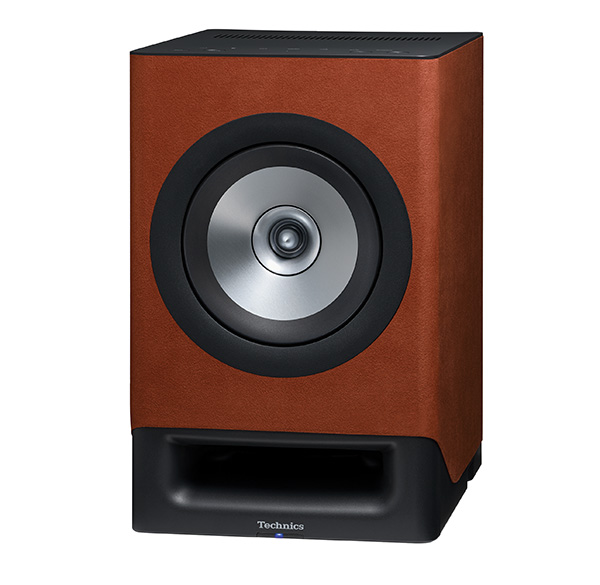
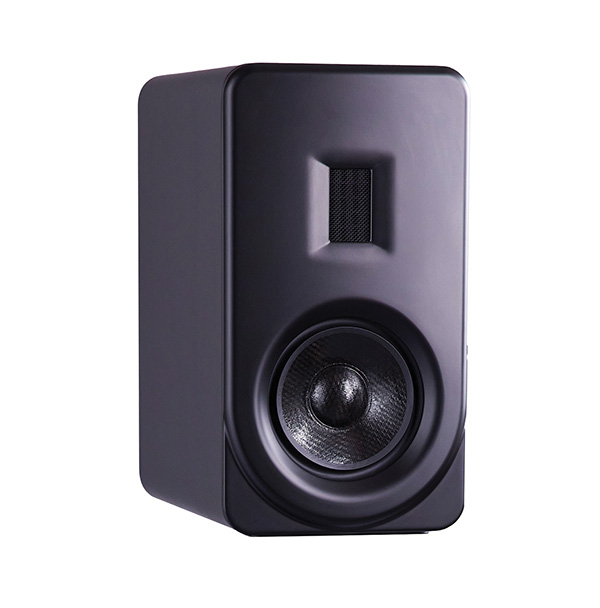
Technics SC-CX700 active loudspeaker system

The usual Specifications sidebar in this review is a nuts-and-bolts listing of the electrical and physical properties of the Technics SC-CX700 loudspeaker ($2999.99/pair), who made it and where, and a widely varying amount of information about its electrical and acoustical performance. The information comes from the included literature, available downloads, and whatever I could find on the manufacturer's website.


Note the complete absence of the usual technical information about the design or construction of the coaxial driver or about the crossover frequency and slope. Missing, too, are performance specifications for frequency response, sound-pressure level, and distortion. That disappoints me because I like numbers, but all the really interesting stuff about these speakers—though expressed without as many numbers as I'd wish—can be found on the Technics website. These include: what Technics calls "Acoustic Solitude Construction," which isolates the electronics from the loudspeakers structurally and spatially; "Model Based Diaphragm Control," which adjusts diaphragm movement in real time; and "Space Tune," which includes four acoustical presets and two levels of measurement-based room correction.

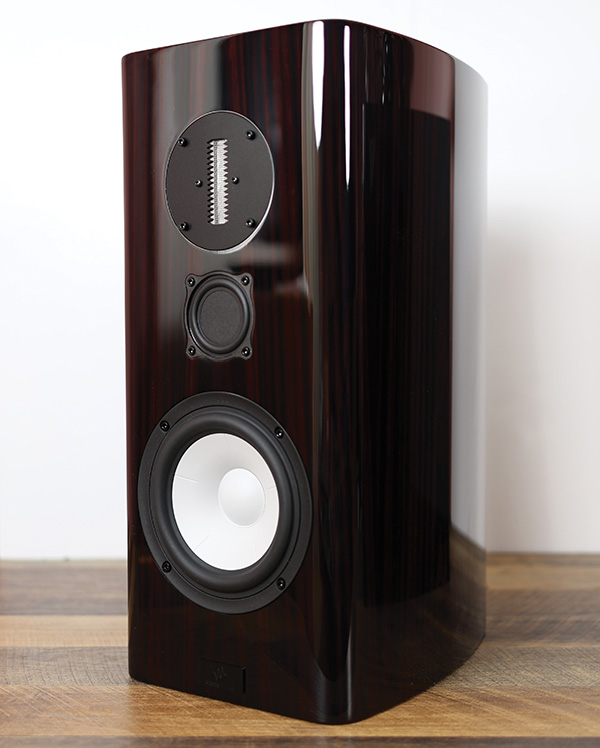
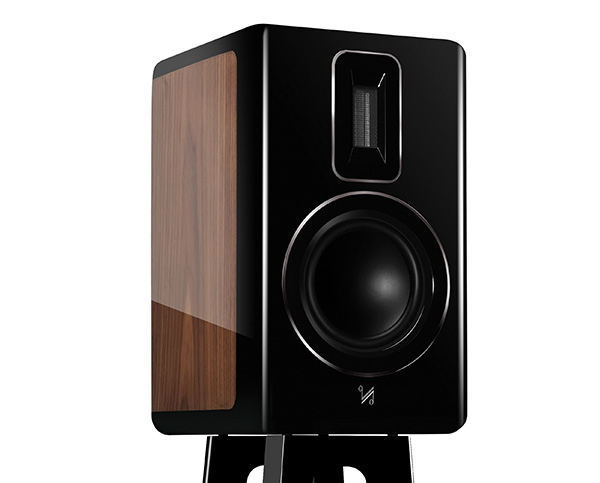
Philharmonic Audio BMR Monitor loudspeaker

Let's get this out of the way: The BMR Monitor may be a monitor, but it isn't a bookshelf or desktop speaker any more than a yacht is a dinghy. Heave a slick-surfaced, 32lb BMR from its shipping carton, then wrap your arms around its svelte figure, with its fancy array of drivers and rich-colored piano-lacquer finish, and you'll understand this speaker deserves better than to be tucked away amid books or flanking a computer screen.


I was so enamored by the look of the BMR Monitor, I initially thought its name didn't do it justice. It sounded too nondescript. But with time and growing familiarity, I came to find the BMR moniker fitting—dare I say sleekly masculine sounding, like a phonetic cross between "Bimmer" and a wolf growl. The BMR Monitor—there's also a BMR Tower—is so named for its midrange driver—a Balanced Mode Radiator. We don't come across many of these in our hobby, but it's not new: The technology was invented in 1925.

Totem Acoustic Element Fire V2 loudspeaker

Totem Acoustic was founded in 1987, in Montreal, Canada, by a former high school math teacher named Vince Bruzzese. The company's first product, the Model 1 loudspeaker, impressed me so much I bought a pair.


These little boxes steered the music straight into my brain—just like Quads and Snells...Today, those speakers look and sound like vintage pipe-and-slippers standmounts. This is especially true when compared to Totem Acoustic's brand-new Element Fire V2. Totem's new Fire looks Maybach-level glossy, and windswept, and trés moderne, but also smart and down-to-business, as befits its made-in-Canada roots.

PS Audio Aspen FR5 loudspeaker

I remember the first PS Audio product: a simple phono stage. It was so simple—a passive RIAA EQ filter flanked by a pair of primitive op-amps—that when the schematic was made public, I built one myself; I was in the midst of my DIY years. I thought it was, to use a word from that time, nifty. Paul McGowan went on to other things and other companies, eventually reviving PS Audio and building it into its present form with a wide range of interesting and substantive products. Most recently, PS Audio added a line of loudspeakers inspired by Paul's erstwhile partner in other ventures, the late Arnie Nudell.


The PS Audio Aspen speaker line has four models, three 3-way floorstanders (FR30, FR20, FR10) and a single two-way standmount (the FR5, $3499/pair).

Quad Revela 1 loudspeaker

Hi-fi's vintage-tech revival feels like a Don Draper fever dream. You know Draper, right? The smooth-talking ad man from Mad Men? In one episode, he pitches a new Kodak slide projector, but instead of focusing on the science and the specs, he calls it a "carousel"—think bouncing painted horses—and says it will take people back to a simpler time.


For its early-'60s moment, that slide projector is high-tech—and "technology is a glittering lure," Draper tells the assembled group of cigarette-smoking suits around a conference room table. Draper mentions Teddy, a Greek former colleague Draper says taught him the ropes years ago. Teddy says that "new" is the most important idea in advertising, but he also talks about a deeper bond that can sometimes be established with a product. "Nostalgia. It's delicate, but potent."

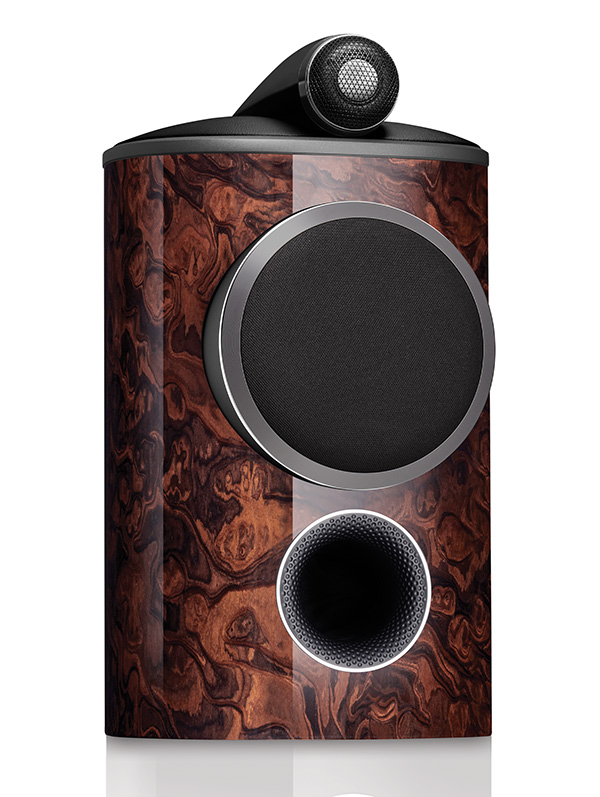
Bowers & Wilkins 805 D4 Signature loudspeaker

The "Bowers" in the name of British manufacturer Bowers & Wilkins (B&W) refers to founder John Bowers, whom I got to know fairly well before he passed in 1987. In recent years, I've reviewed two Bowers & Wilkins loudspeakers: the 705 Signature two-way standmount in the December 2020 issue and the Diamond Series 804 D4 three-way floorstander in the January 2022 issue. More recently, Tom Fine reviewed the three-way, floor-standing Signature Series 801 D4 in March 2024.


Currently there are two models in the Signature Series, which was launched in 2023 to pay tribute to the company's groundbreaking John Bowers Silver Signature from the early 1990s: the 801 D4 and the subject of this review, the two-way 805 D4 standmount, which B&W describes as its "highest performance standmount ever."

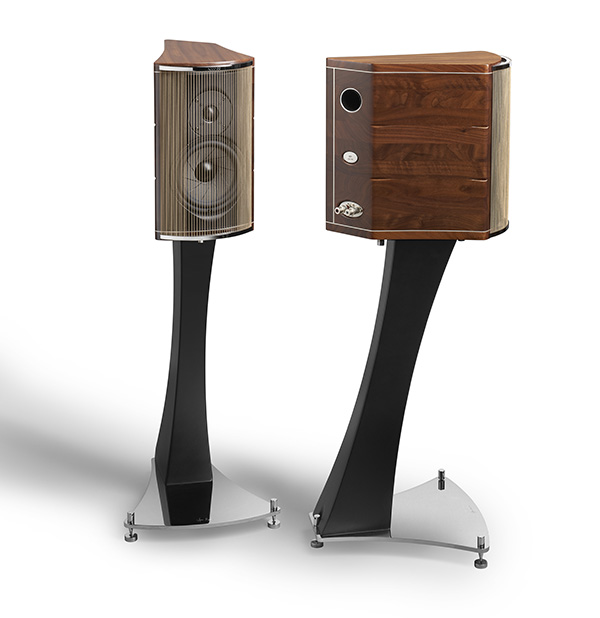
Franco Serblin Accordo Goldberg loudspeaker

As founder and chief designer of Sonus Faber, Franco Serblin designed and manufactured many loudspeakers of acclaimed high quality, mainly in box form. Nevertheless, he remained painfully aware that such conventional rectangular parallelepiped constructions inevitably possessed an inherent and hard-to-suppress resonant signature characteristic of box-form cabinetry, significantly differing from that for a musical instrument. Franco had long obsessed over the sound and construction of classical string instruments, violins, violas, and cellos made by grand masters over centuries. He valued highly those richly resonant, expressive, complex sonic signatures.

McIntosh ML1 MkII loudspeaker

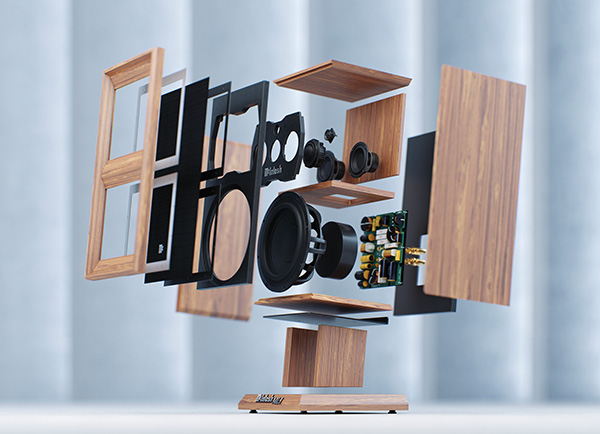
What was old is new again. McIntosh Laboratories has been in business long enough that they are able to bring new design thinking, materials, and construction methods to products from their extensive back catalog. Example: McIntosh's first successful loudspeaker, the ML1. The venerable Binghamton, New York, hi-fi company recently released a redesigned "Mk II" version ($12,000/pair, stands included).


In this, McIntosh is not unique; KLH, JBL, Klipsch, and other companies have rethought and reworked vintage products for the current marketplace, employing new approaches and technologies. Think of it as remastering classic hardware.

Wharfedale Heritage Series 90th Anniversary Dovedale loudspeaker

When I first got interested in audio in the UK, in the 1960s, four English brands dominated the domestic loudspeaker scene: Goodmans (founded in 1923), Celestion (whose first loudspeaker was launched in early 1925), Tannoy (which started making loudspeakers in 1928), and Wharfedale. Wharfedale was the youngest of these brands, founded in 1932 in Yorkshire—the land of the Dales—by Gilbert Briggs.


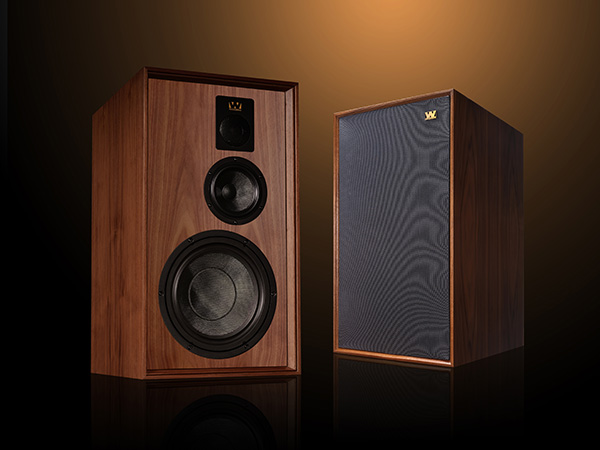
Wharfedale is still a British brand, with its R&D department in the UK, but it's now owned by the IAG Group, which was founded in Hong Kong in 1991 and is based in Shenzen, China. In addition to Wharfedale, IAG owns the Audiolab, Castle Acoustics, Leak, Luxman, Mission, and Quad brands. In recent years, Wharfedale has been introducing redesigned versions of some of its classic speakers. Herb Reichert favorably reviewed the three-way Linton Heritage loudspeaker in September 2019; then, at the 2022 Munich High End Show, Wharfedale introduced the subject of this review, the Heritage Series 90th Anniversary Dovedale.

Advertisement
Advertisement
Advertisement