New Age. Most of it was acoustic. While there were vocals here and there, much of it featured instrumentalists playing solo or in groups. Some of it was meant to alleviate stress. Some of it was marginally connected to a similarly named movement in spirituality. Environmentalism and respect for nature were constant themes. Some New Age artists created moody, ambient sounds that were intended as background music, to promote healing and relaxation.
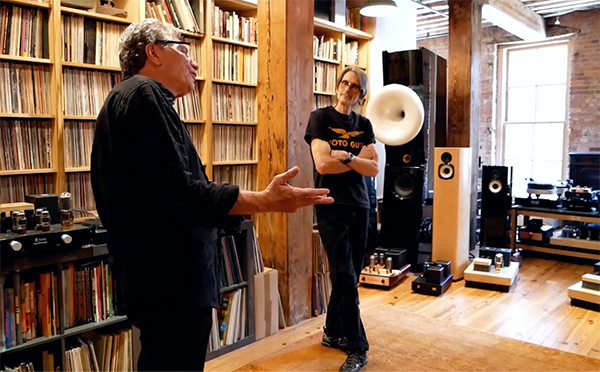
High-End Dealer Jeffrey Catalano Talks Horns, Tubes, & LPs with Herb Reichert
Jun 26, 2017
This video is about Jeffrey Catalano and his shop High Water Sound, located in Manhattan's South Street Seaport, right under the Brooklyn Bridge. Though it was my first time meeting Jeffrey, I had long been familiar with his nameoften associated with good sound at audio shows and a true appreciation for music.
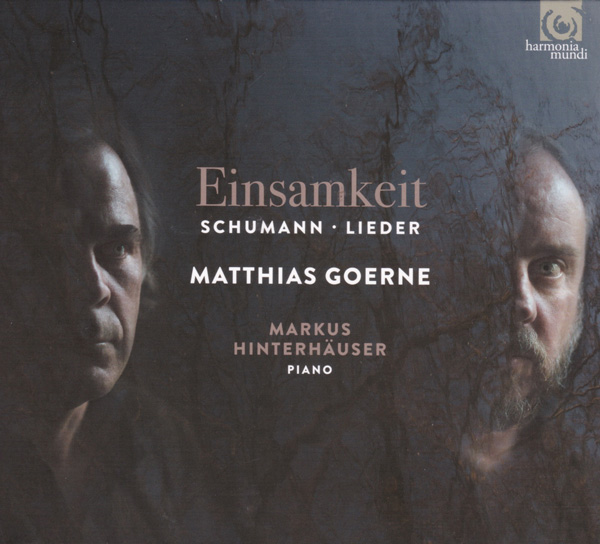
Mellifluous Schumann from Baritone Matthias Goerne
Jun 24, 2017
For his fourth Schumann disc since the 1998 Dichterliebe; Liederkreis collaboration with Vladimir Ashkenazy, the great German baritone Matthias Goerne joins pianist Markus Hinterhäuser in a 19-gem collection of heart-touching songs by Robert Schumann entitled Einsamkeit (Solitude). The singing on the Harmonia Mundi recital is gorgeous throughout, and the repertoire deeply communicative. This is especially the case in hi-rez from HDtracks, where the duo's artistic brilliance shines strongest.
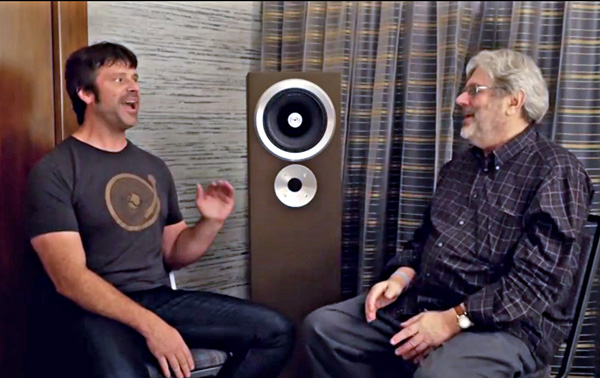
At the Los Angeles Audio Show, held June 24, John Atkinson spoke with Zu Audio's founder, owner, and chief engineer Sean Casey about the Zu Audio Druid (pictured), Sean's background and his "unconventional" approach, and historic speaker designs. And toward the end of the video, Sean Casey turns the tables on JA by interviewing him about the role of the audio reviewer!
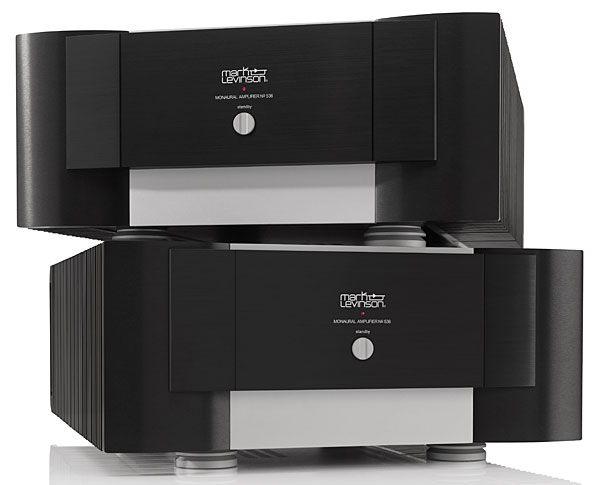
Dinesh Paliwal, CEO of Harman International Industries, was addressing engineers and the audio press in a crowded conference room at the opening of Harman Luxury Audio's new Engineering Center of Excellence (ECOE), in Shelton, Connecticut. Paliwal singled out as the ECOE's first beneficiary the Mark Levinson brand, with the goal of revitalizing it as Harman's flagship marque. (Other brands in the HII stable include Harman Kardon, Infinity, JBL, Crown, AKG, Lexicon, and Revel.) To achieve this, he gave the ECOE team access to Harman's R&D budget of $400 million; brought on Todd Eichenbaum, formerly of Krell, to be its Director; and hired 11 more engineers.