 Listening
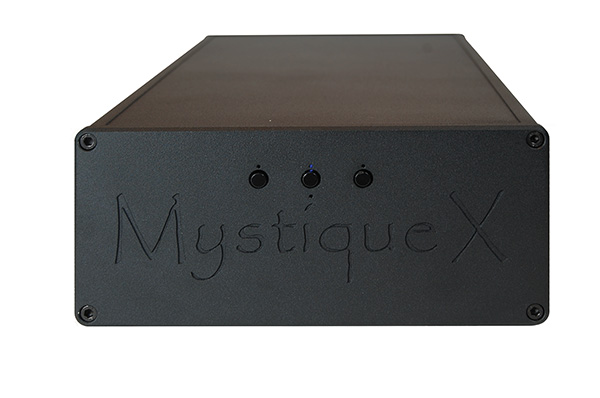
Since installing the Mystique X SE DAC in my system about four weeks ago, I have not taken it out. The Mojo's extremely natural, easy-flowing sound trumped every inclination I had to do comparisons with some other digital source. Its nuclear-level pheromone emissions led me amorously from one streaming track to another. In most ways, that's the main story of this review. That's the effect the Mystique had on me and my system. Nevertheless, I must earn my shilling and sixpence, so I will commence with a few descriptions from my listening experiences. One night, a few days into the new year, I put on this live, 1986 recording I really love called Horowitz in Moscow (16/44.1 FLAC Deutsche Grammophon/Qobuz) and as I listened, all I could think was, "Damn! Horowitz in Moscow feels like Hendrix Live at Monterey." It's that kind of performance. When the 82-year-old Horowitz finished, I felt certain everyone in the audience knew: He was the alpha dog of Russian pianists. At least that's how I felt about his performance when I listened to it early in January.
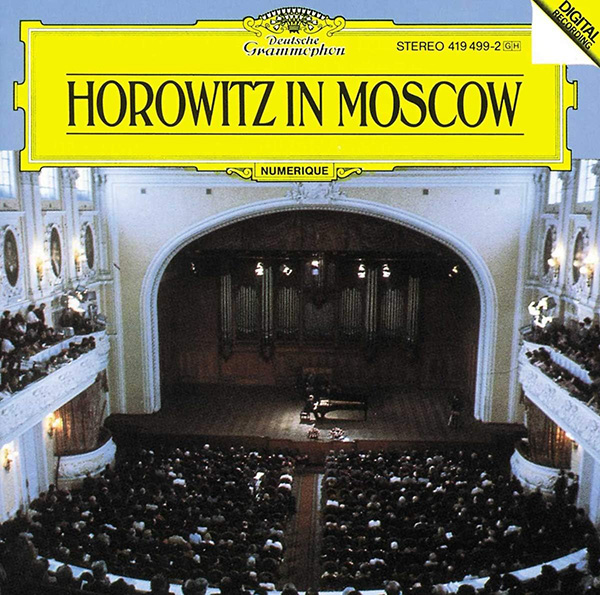 What caused me to feel this was how the Mojo DAC made piano tones glow and whisper, how all the little quiet notes—ones I don't usually hear—got through, letting me enjoy their unique expressiveness and admire them individually. (I mean, what's more admirable than a little note?) The Mystique X SE transmitted the position of at least two on-stage microphones, which didn't just pick up wood hammers striking steel strings; they picked up the air surrounding the piano and the intensity of Horowitz's persona.
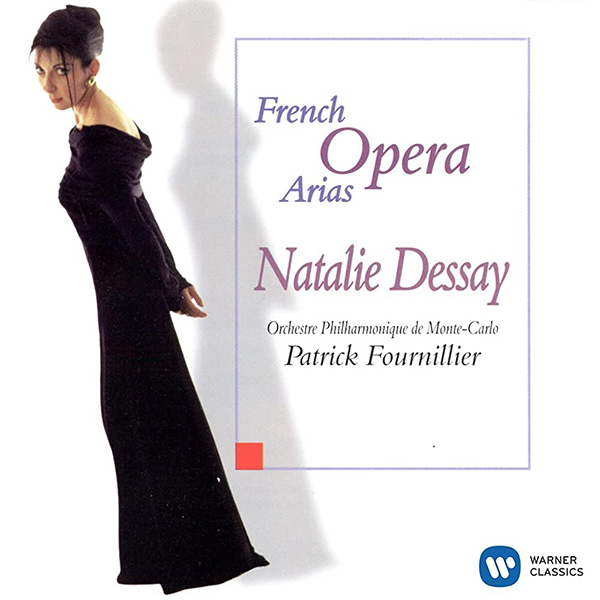 Right from the start, I enjoyed how the Mystique X reproduced sopranos. Natalie Dessay singing French Opera Arias (footnote 4) backed by the Orchestre Philharmonique de Monte-Carlo (16/44.1 FLAC, Warner/Qobuz) and the fantastic Yana Mann singing Paisaje Nihilista (16/44.1 FLAC Irreverence Group/Tidal) were both stunningly portrayed. This was shake-your-head, hold-your-breath, goosebump-level sound. With the Mojo, both artists' voices came through creamy smooth and radiant, displaying the purest of tones bathed in silky harmonics.
Curious whether these recordings would sound as silky-good through a less-expensive, NOS-only R-2R converter, I replaced the Mojo Mystique X with my $3098 KTE version of HoloAudio's Spring3 DAC. When I experience sonic wonders, like I did with those sopranos through the Mojo, I can never tell how real or relevant my observations are until I compare what I heard to some type of known reference. I chose the Spring3 because it was the DAC I was using most before the Mystique X arrived.
To make this comparison, I connected both DACs with AudioQuest ThunderBird interconnects through Lab 12's Pre1 line-level preamp into Parasound's Halo A 21+ amplifier powering the Heretic AD614 loudspeakers (reviewed in this issue's Gramophone Dreams).
Right from the start, I enjoyed how the Mystique X reproduced sopranos. Natalie Dessay singing French Opera Arias (footnote 4) backed by the Orchestre Philharmonique de Monte-Carlo (16/44.1 FLAC, Warner/Qobuz) and the fantastic Yana Mann singing Paisaje Nihilista (16/44.1 FLAC Irreverence Group/Tidal) were both stunningly portrayed. This was shake-your-head, hold-your-breath, goosebump-level sound. With the Mojo, both artists' voices came through creamy smooth and radiant, displaying the purest of tones bathed in silky harmonics.
Curious whether these recordings would sound as silky-good through a less-expensive, NOS-only R-2R converter, I replaced the Mojo Mystique X with my $3098 KTE version of HoloAudio's Spring3 DAC. When I experience sonic wonders, like I did with those sopranos through the Mojo, I can never tell how real or relevant my observations are until I compare what I heard to some type of known reference. I chose the Spring3 because it was the DAC I was using most before the Mystique X arrived.
To make this comparison, I connected both DACs with AudioQuest ThunderBird interconnects through Lab 12's Pre1 line-level preamp into Parasound's Halo A 21+ amplifier powering the Heretic AD614 loudspeakers (reviewed in this issue's Gramophone Dreams).
Mojo Audio's Mystique X SE converter presented recordings in a manner that felt more graceful, atmospheric, and evocative than my reference dCS Bartók or my memories of Mola Mola's similarly priced Tambaqui DAC—which, in my system, displayed its own brand of potent dynamism that made every other DAC, no matter its price, seem shy. Those two DACs, the Tambaqui and the Bartók, played recordings with a firmer touch, a more meticulously organized spatiality, and a starker clarity than the Mystique X SE—or any other DAC I've reviewed. Not surprisingly, the Mystique X did feel very similar—flow, tone, color, and spatiality-wise—to my reference HoloAudio May and Denafrips Terminator Plus DACs, which are also NOS R-2R converters. The Mystique X SE displayed the same grainless, saturated color those DACs are famous for. But the Mystique's subjective effect was different. In NOS mode, the HoloAudio May delivers a nuanced, Kodak-film type of beauty. In NOS, the Denafrips mixes uncanny vivid-osity with raw force and LSD detail. Mojo's Mystique X SE didn't showcase any of those things. Instead, it presented an understated, naturally balanced arrangement of all those traits—as the program required. As a result, it disappeared from my listening awareness more than any DAC I'd previously encountered, and that made it hard to stop using it.
Footnote 4: The 1996 album, not to be confused with Airs d'opéras français, with the Orchestre National du Capitole de Toulouse conducted by Michel Plasson, which was released in 2003.