

BRIAN DAMKROGER
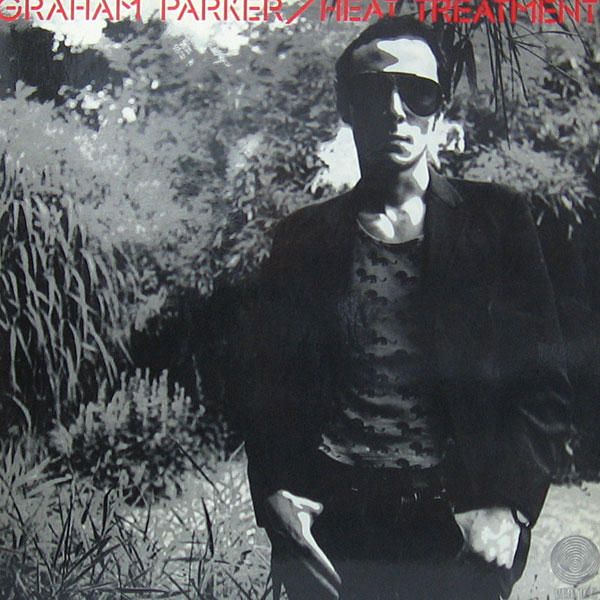 Graham Parker: Heat Treatment
Mercury SRM-1-1117 (LP). 1976. Robert John Lange, prod., eng.; Dave Charles, Pete Kelsey, engs. AAA. TT: 35:41 Heat Treatment is Graham Parker's second and most upbeat album—or, more correctly, the one that comes closest to being upbeat. A friend once described it as "Graham Parker for beginners," a characterization that seems even more apt today, 35 years and 50 or so albums later. It's an engaging mix of up-tempo numbers and ballads, and Parker's edgy singing is served well by the Rumour's backup and Mutt Lange's production. True, Heat Treatment isn't as brilliantly caustic as such later albums as Squeezing Out Sparks, but it's the one I reach for first and most often. Jimmy Buffett: Changes in Latitudes, Changes in Attitudes
ABC AB-990 (LP). 1977. Norbert Putman, prod.; Marty Lewis, Alex Sadkin, engs. AAA. TT: 41:28
ROBERT DEUTSCH
Young Frankenstein: The New Mel Brooks Musical
Music & lyrics by Mel Brooks
Decca 80010374-2 (CD). 2007. Doug Besterman, prod.; Frank Filipetti, eng. DDD. TT: 67:01 Mel Brooks's musical version of his film Young Frankenstein received mixed reviews when on Broadway, being often unfavorably compared to his previous musical-from-film, The Producers. However, the show received just about every Broadway.com Audience Award, and has been hugely successful in regional theater. I'm with the audience; I think Young Frankenstein is not only very funny, but has a more melodic score than almost all musicals of recent years (and certainly better than that of the much-hyped Book of Mormon). Brooks has a knack for writing tunes that at first sound familiar but then go their own way. The score is eclectic, with dramatic scenes, ballads, vaudeville, Kurt Weill, and even Gilbert & Sullivan thrown into the mix. The cast, led by Roger Bart, is topnotch, and the recording has a lively "Broadway" sound.
Elisabeth Schwarzkopf, Hanna; Eberhard WÑchter, Danilo; Hanny Steffek, Valencienne; Nicolai Gedda, Camille; Philharmonia Orchestra, Lovro von Matacic
EMI CDS 7 47178 8 (2 CDs). 1963/1990. ADD. TT: 79:28 When opera companies develop financial difficulties because of dwindling audiences, there's one tried-and-true way of increasing the size of audiences: put on an operetta. Which operetta? Why, The Merry Widow! It's fun, and has some great music. Mind you, performing an operetta like this is not just a matter of playing and singing the notes as written in the score. There is the matter of style. And if the conductor and cast are insufficiently familiar with Viennese operetta style, they could not do better than to listen to this classic recording. Schwarzkopf is the most seductive of all widows, and Wächter is a blustery Danilo, with Gedda easily tossing off a high C in the pavilion aria. This 1963 recording made good use of what was then the new stereo technology.
ART DUDLEY
J.S. Bach: The Unaccompanied Violin Sonatas, Vols. 1–3
Johanna Martzy, violin
EMI/Electric Recording Company 33CX 1286/1287/1288 (3 mono LPs). 1954/2013. Pete Hutchison, reissue prod.; Sean Davies, reissue eng. AAA.
MICHAEL FREMER
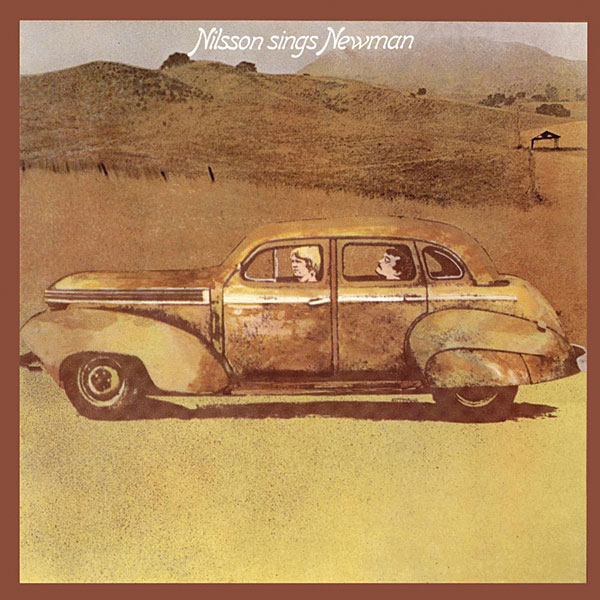 Harry Nilsson: Nilsson Sings Newman
RCA/Speakers Corner LSP-4289 (180gm LP). 1970/2013. Harry Nilsson, prod.; Grover Helsley, others, engs.; Willem Makkee, mastering. AAA. TT: 25:17 Released in February 1970, three months before Randy Newman's 12 Songs catapulted him to übercult status, Harry Nilsson's Nilsson Sings Newman is a short, sweet, complex tribute to the then-obscure Newman, who here accompanies the singer on piano. Nilsson pre-recorded Newman's piano and his own basic vocals at RCA Hollywood, then took the tapes to Wally Heider's, in San Francisco, where he added obsessive, complex, coke-fueled, background vocal overdubs and some instrumental accents. The deeper you listen, the more you'll appreciate Nilsson's impassioned singing, Newman's writing, and the intimate production, particularly the multipart background vocal overdubs. On quiet vinyl for the first time.
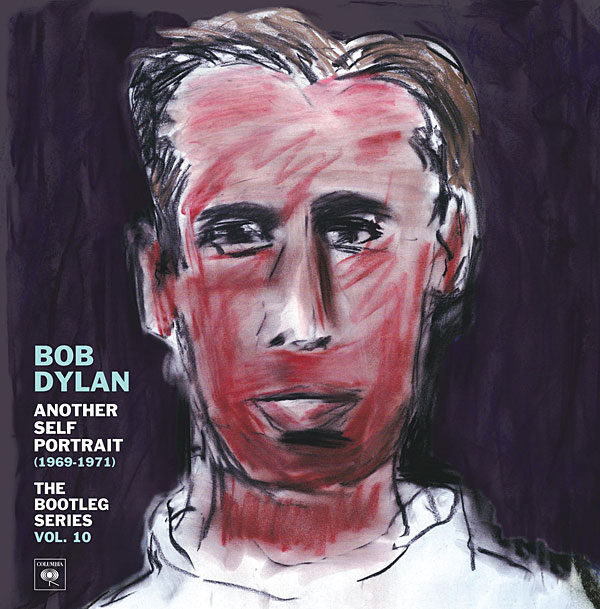 Bob Dylan: The Bootleg Series Vol.10: Another Self-Portrait (1969–1971)
Columbia/Legacy 88883-73489-1 (3 180gm LPs, 2 CDs). 1969–1971/2013. Bob Johnston, Al Kooper, orig. prods.; Neil Wilburn, Don Puluse, Glyn Johns, orig. engs.; Jeff Rosen, Steve Berkowitz, prods.; Greg Calbi, mastering. AAA/AAD. TT: 113:27
LARRY GREENHILL
 Christopher Herrick: Organ Fireworks IV
Music by Batiste, Bonnet, Bourgeois, Buck, Johnson, Handel, Lefébure-Wély, Lemare, Shostakovich, Vierne, Whitlock, Widor
Christopher Herrick, Organ of St. Bartholomew's Church, New York
Hyperion CDA66605 (CD). 1992. Paul Spicer, prod.; Christopher Greenleaf, eng. DDD. TT: 75:00 A fellow pipe-organ and subwoofer devotee and Stereophile reader clued me in to Christopher Herricks's 11 volumes of Organ Fireworks: recordings of 19th- and 20th-century organ music. Vol.IV features Herrick playing the 1918 Skinner/Hutchings pipe organ of St. Bartholomew's Episcopal Church, in New York City. Revised in 1971 by Aeolian-Skinner, it comprises 168 stops and 225 ranks. The recording captures the power and massiveness of the deep bass pedal chords, particularly in the Allegro of Widor's Organ Symphony 6. The clarity of the instrument's flute, orchestral reed, and brassy trumpet stops is startlingly evident in Dudley Buck's rousing Concert Variations on "The Star-Spangled Banner." The explosive, fortissimo ending of Shostakovich's Passacaglia will test the limits of any woofer, and makes this a recording I can't forget. No other recording quite yields the organ's sustained musical power or so clearly delineates its descending scales, or makes it so easy to determine a subwoofer's pitch definition or eases its ability to create "room lock" in my large listening area.
Music by Barber, Bingham, Copland, Dupré, Franck, Howells, Walton, Willan
Scott Dettra, Great Organ of Washington National Cathedral
Loft LRCD-1114 (CD). 2009. Roger W. Sherman, prod., eng., mastering. DDD. TT: 65:15 Scott Dettra's program of "large-pipe organ" favorites was the final recording made of the Washington National Cathedral's Great Organ before it was replaced. Installed in 1938 and upgraded in 1975, the instrument had four manuals and 189 ranks. The pedal rank consisted of 37 pipes, including one 64', four 32', and eight 11' pipes. The liner notes detail the engineer's use of "proprietary 24-bit" technology, and the absence of any transformers in the signal path that might have produced upper-bass boom when reproducing the deepest pedal chords. Majestus has the widest dynamic range of any pipe-organ CD in my collection, justifying its warning label: "can damage your equipment if played too loudly." That warning should be heeded: Track 1, Copland's Fanfare for the Common Man, features two 8' pedal ranks and explosive bass-drum whacks. Thunderous pedal chords engaged the full power of a Revel Rhythm2 subwoofer (review in progress), producing terrific room lock and a sense of massive pressure—as I also heard with Dupré's Prelude and Fugue in B, Op.7 No.1, and Walton's Coronation March: Crown Imperial. The power, dynamic range, and great deep-bass extension of Majestus make it my reference recording for deep-bass pipe-organ music.
STEVE GUTTENBERG
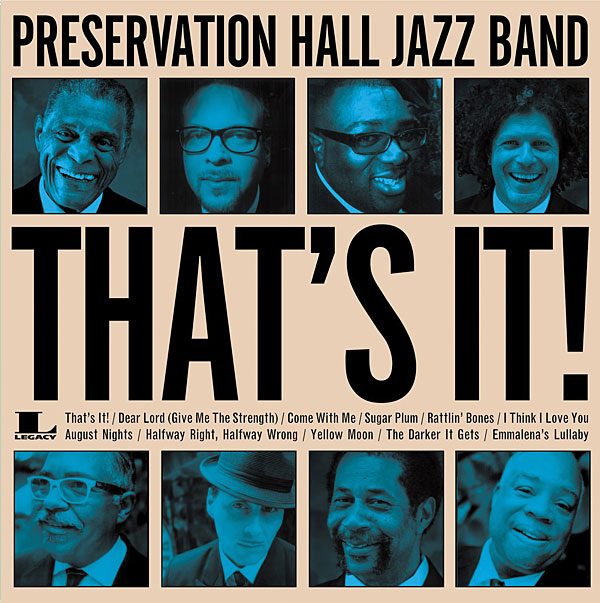 Preservation Hall Jazz Band: That's It!
Charlie Gabriel, clarinet, tenor saxophone; Clint Maedgen, tenor & baritone saxophone; Mark Braud, trumpet; Freddie Lonzo, trombone; Ronnell Johnson, tuba, piano; Ben Jaffe, tuba, string bass, banjo, percussion; Rickie Monie, piano; Joe Lastie Jr., drums
Columbia/Legacy 88883715212 (CD). 2013. Jim James, Ben Jaffe, prods.; Kevin Ratterman, eng.; Bob Ludwig, mastering. AAD? TT: 45:16
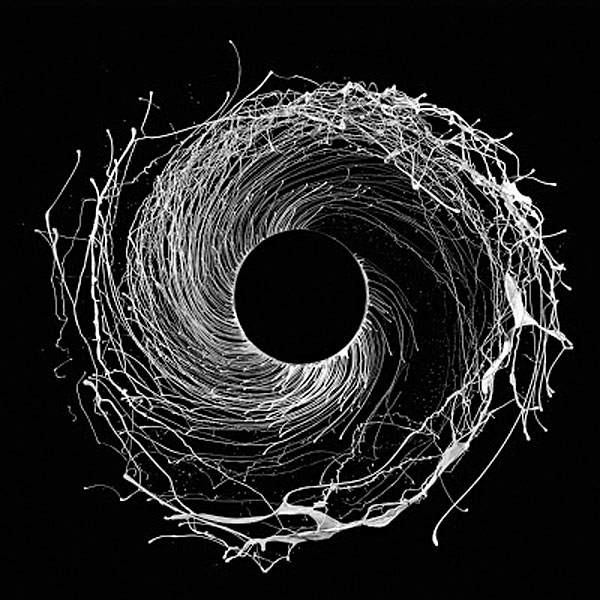 Dawn of Midi: Dysnomia
Amino Belyamani, piano; Aakaash Israni, bass; Qasim Naqvi, drums
Thirsty Ear THI 57206 2 (CD). 2013. Prod. unknown; Henry Hirsch, eng.; Simon Davey, mastering. AAD. TT: 46:54 Dysnomia is a jazz piano-trio recording like no other. The three players lay down deceptively simple lines that sound like tape loops, but Dawn of Midi played the entire, 47-minute long piece (divided into nine tracks) in one take, live to two-track, 2" analog tape. No samples or digital effects were used, but the band's shape-shifting harmonics and mesmerizing rhythms can at times sound electronically enhanced. Pianist Amino Belyamani played the keys with his right hand; his left was on the strings, partially muting them. The three players' lines orbit each other, creating dense patterns. I can't get enough of this CD.















