Media Server Reviews

Sort By: Post DateTitle Publish Date

Autonomic Controls Mirage MMS-5A media server
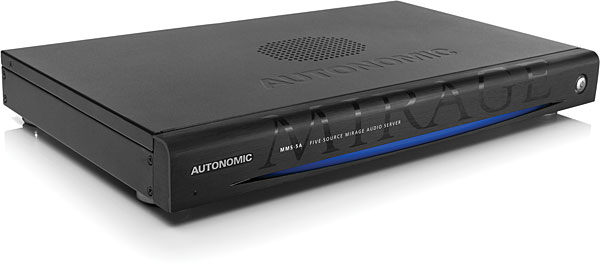
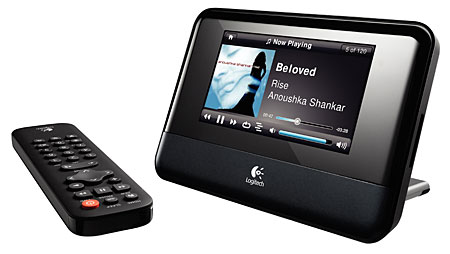
I bought a Slim Devices Squeezebox network player in the spring of 2006 and my life changed. Having audio files on a server and being able to play them through my high-end rig via the Squeezebox's S/PDIF output liberated my music from the tyranny of a physical medium. As I wrote in my review, "physical discs seem so 20th century!" After Wes Phillips reviewed the Squeezebox's big brother, the Transporter, in February 2007, I bought the review sample and lived happily ever after in the world of bits rather than atoms—at least until the summer of 2010, when Slim Devices' new owner, Logitech, brought out the Squeezebox Touch. The Touch did everything the Transporter did, with a full-color display, at one-eighth the price!
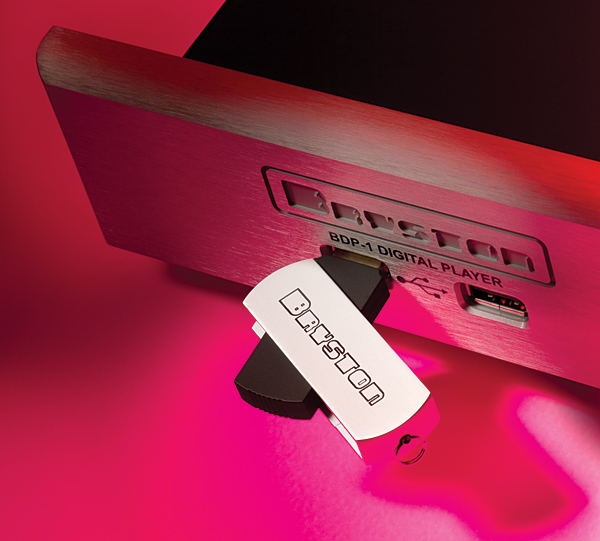
Bryston BDP-1 digital audio player

James Tanner, VP of marketing at Bryston Ltd., was frustrated. He'd borrowed a Music Vault 4000 music server to play high-resolution digital music files at Bryston's exhibit at the 2009 Consumer Electronics Show. Most of the time, the server delivered some of the best sound at that event. The rest of the time, there were dropouts and crashes. Tanner later experienced similar dropouts and crashes when he streamed hi-rez digital files over his home network to a Bryston BDA-1 digital-to-analog converter (see my review in the February 2010 issue).


I found a more relaxed Tanner at the 2010 CES. This time, he'd borrowed an Auraliti L-1000 digital file server ($3000 at www.auraliti.com), a box with no front-panel controls, no display, no hard drive, no fans, and no CD drive. Instead of a Windows operating system, the L-1000 ran a stripped-down version of the Linux open-source operating system. Its simplicity of design solved the reliability problems Tanner had encountered the year before.


Then and there, Tanner decided to ask Auraliti to help Bryston create a simple digital music file player. The result is the BDP-1.

Head-Direct HiFiMan HM-602 Digital Audio Player


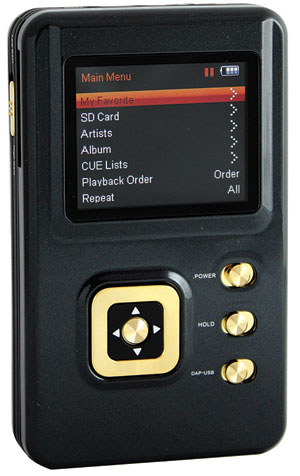
Head-Direct's HiFiMan HM-602 is the second in a growing line of perfectionist-quality portable music players designed by Fang Bian, a 31-year-old audiophile and student of nanotechnology at the City University of New York's Hunter College. Bian's first HiFiMan design was the larger, heavier, more versatile HM-801 ($790; see my review here). In building the HM-602, Fang sacrificed the '801's removable amplifier module, 15V rechargeable battery, and coaxial input, thus creating a smaller, more portable product. Much sleeker and less substantial than the '801, the HM-602 measures approximately 4" L by 2.5" W by 1" D and weighs just 7oz—it can rest comfortably in the palm of a hand or a coat's inner pocket.

Overall, the HM-602 has a handsome, rather serious appearance: With its gold controls and its fine metallic finish, which at times seems a deep green and at others takes on a smoky charcoal, the HM-602, like its predecessor, exhibits an air of elegance and sophistication. And while the HM-801 proudly takes after Sony's famed Walkman—Fang Bian once owned every available model of the now-discontinued portable cassette player—the HM-602 much more closely resembles Apple's iPod Classic. On its front panel, below the 2" LCD screen, the HM-602 has a four-way control ring similar to the iPod's scroll wheel, and three sliding switches: Power, Hold (deactivates controls while music is playing), and DAP/USB.

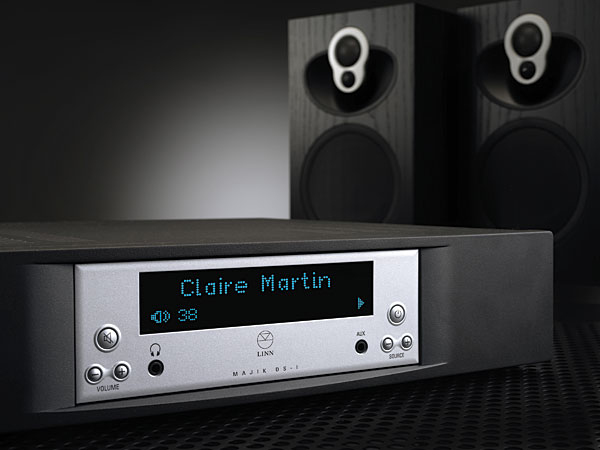
Linn Majik DS-I D/A integrated amplifier

My quandary on receiving for review the Linn Majik DS-I: What, precisely, is it supposed to do? Does the Majik DS-I contain a hard disk and music-ripping software, so I can use it to store all the music in my CD collection? Does it have a graphical user interface (GUI) that at least matches the one provided by the endearingly free Apple iTunes? Does it include a DAC that allows it to play the music files I've already put on my computer?

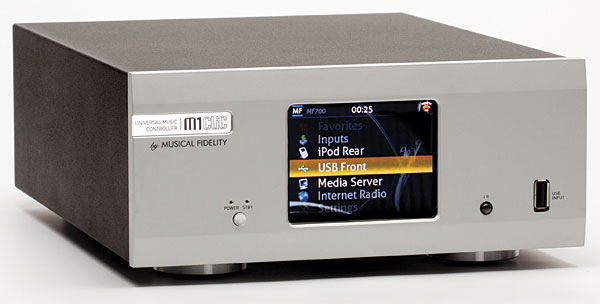
Logitech Squeezebox Touch network music player


When it comes to ripping CDs and downloading music, I've been sitting on the sidelines feeling more than a bit of envy. Stereophile's reviews of various media servers have whetted my appetite, but not so much as to overcome my timidity about getting into a new realm of technology in which I would be a beginner all over again. Still, I've sneaked a few peeks.

T+A Music Player Media Streamer


"Two years ago I discovered my latest guilty pleasure: Internet radio. As long as it's 192k or higher. My whole buying/download cycle had been reduced. The pleasure and savings have increased. If they succeed in killing Net radio, I'm done with the hobby."—Reader Peter DeBoer, in response to a recent Stereophile online poll.

Music Served: Extracting Music from your PC

"Physical discs seem so 20th century!" That's how I ended my eNewsletter">http://www.stereophile.com/images/newsletter/406Bstph.html">eNewsletter review of the Logitech (then Slim Devices) Squeezebox WiFi music server in April 2006, and it seems that increasing numbers of Stereophile readers agree with me. In our website">http://cgi.stereophile.com/cgi-bin/showvote.cgi?551">website poll of January 5, 2008, we asked, "Are you ready for an audiophile music server?" The response to that question was the highest we have experienced: 32% of respondents already listen to music via their computer networks, many using home-brewed solutions, and 44% intend to. We've published a lot of material on this subject in the last five years, and it seemed a good idea to sum it up in this article.


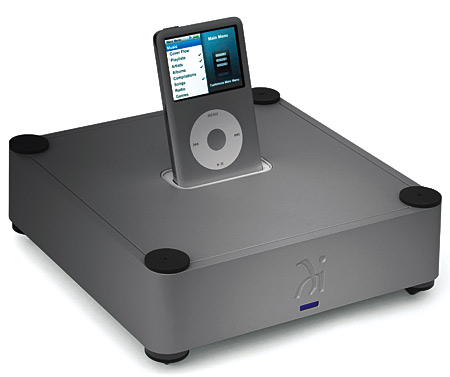
Wadia Digital 170iTransport digital iPod dock

Last December, when Wadia Digital announced that it was releasing an iPod docking cradle that could access the digital signal before it had passed through the player's own D/A converter, many audiopundits were surprised. I was disbelieving, and nearly told Wadia's John Schaffer that he was shining me on. After all, Apple has tiptoed around the whole issue of consumers being able to digitally copy their iTunes files, going so far as to wrap its iTunes Music Store files in digital rights management (DRM) code.


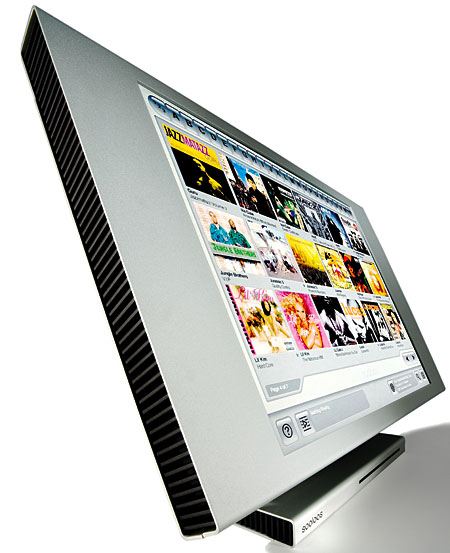
Sooloos Music Server System

Earlier this year, in an online">http://cgi.stereophile.com/cgi-bin/showvote.cgi?551">online poll, we asked the magazine's readers if they were ready for a music server. The response was startling: 32% of you had already set one up, and 44% were ready to. Only 7% responded "probably not" or "never." In the polls we conduct online, we rarely get this kind of positive consensus about anything audio.


Advertisement
Advertisement
Advertisement