Digital Processor Reviews

Sort By: Post DateTitle Publish Date

Channel Islands Audio Transient Mk.II & VDC•5 Mk.II USB D/A processor & power supply
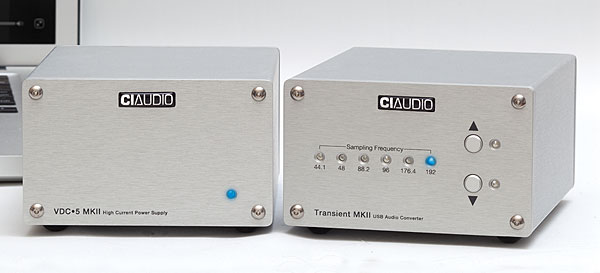
Most folks don't even know they exist, but the Channel Islands are a chain of eight moderately sized mountains poking through the Pacific Ocean along the coast of southern California, between Santa Barbara and San Diego. The most famous of these is Catalina Island and its city, Avalon, which sit opposite San Clemente. The other Channel Islands are relatively wild and have been preserved mostly uninhabited.
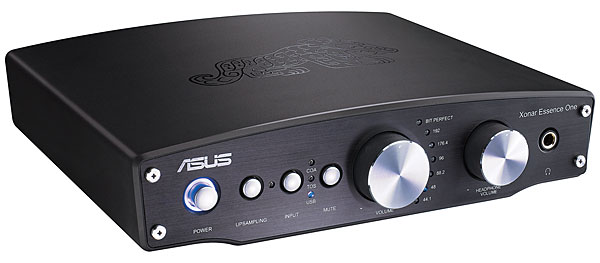
ASUS Xonar Essence One Muses Edition D/A processor–headphone amplifier

Back in the summer of 2009, USB-connected D/A processors that could operate at sample rates greater than 48kHz were rare. Ayre Acoustics had just released its groundbreaking QB-9, one of the first DACs to use Gordon Rankin's Streamlength code for Texas Instruments' TAS1020 USB 1.1 receiver chip. Streamlength allowed the chip to operate in the sonically beneficial asynchronous mode, where the PC sourcing the audio data is slaved to the DAC. But high-performance, USB-connected DACs like the Ayre were also relatively expensive back then, so in the January 2010 issue of Stereophile I reviewed a pair of soundcards from major computer manufacturer ASUS , the Xonar Essence ST and STX, which, at $200, offered a much more cost-effective means of playing hi-rez files on a PC.

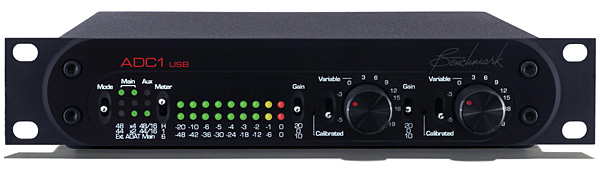
Benchmark ADC1 USB A/D converter


Erick Lichte's review of Benchmark's DAC2 HGC D/A converter in this issue gave me an ideal opportunity to spill some ink on the company's ADC1 USB A/D converter. The ADC1 is housed in the same small case as the DAC (one rack unit high, half the rack unit width), and is offered with a black front panel with rack ears, or a silver aluminum panel without ears, either for $1795.

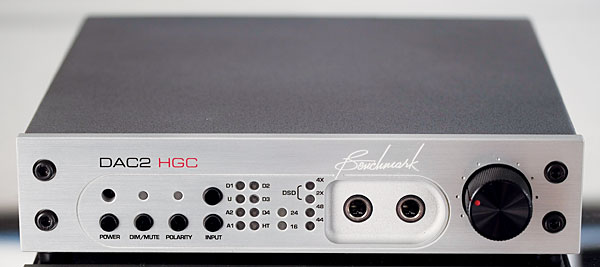
Benchmark DAC2 HGC D/A processor/headphone amplifier

I totally called this one.


In 2007, I spent time with Bel Canto Design's e.One DAC3 D/A processor. In his review of the DAC3 in the November 2007 issue, John Atkinson quoted my comparison of it with the Benchmark DAC1, which I called "the Swiss army knife of audio" and "one of the only future-proof source components you can buy these days."

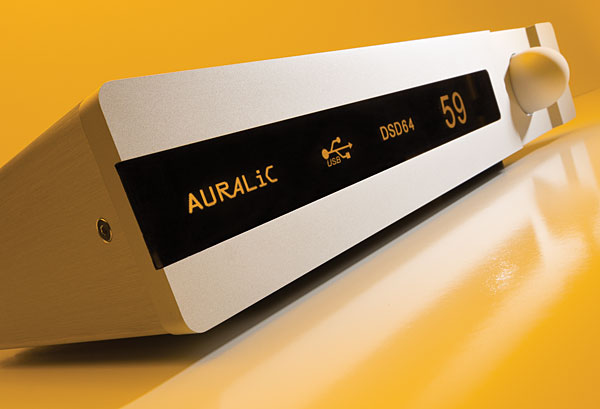
AURALiC VEGA D/A processor

I was alerted to the new VEGA D/A processor from Chinese manufacturer AURALiC by Michael Lavorgna's rave review for our sister site AudioStream.com in April 2013: "Everything I played through the Auralic Vega was equally wow-inducing. Everything. . . . Music I've heard hundreds of times was presented with a crisp, clean, and delicate clarity that was simply uncanny and made things old, new again. . . . Its ability to turn music reproduction into an engaging and thrilling musical experience is simply stunning."

Music in the Round #64

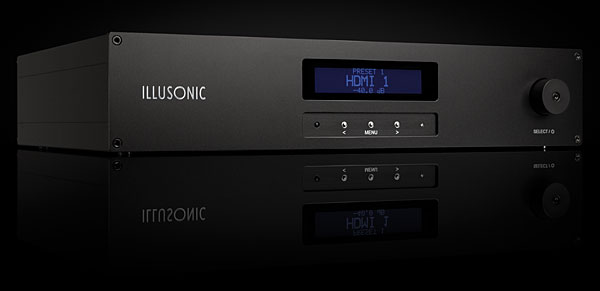
In my November 2013 column, I looked at the NuForce AVP-18 multichannel preamplifier-processor ($1095) and the exaSound e28 multichannel DAC ($3299), each of which offers fresh options in its category that break with the predictability of mainstream products. That predictability is the result of market analysis that supposedly tells manufacturers which features users want most. However, it's just as true that users can buy and choose among only those components and features already offered. Many of us are more peculiar in our demands—what's generally offered doesn't always fit our needs. This month, I look at an unusual pre-pro and a multichannel digital equalizer at opposite ends of the price spectrum.

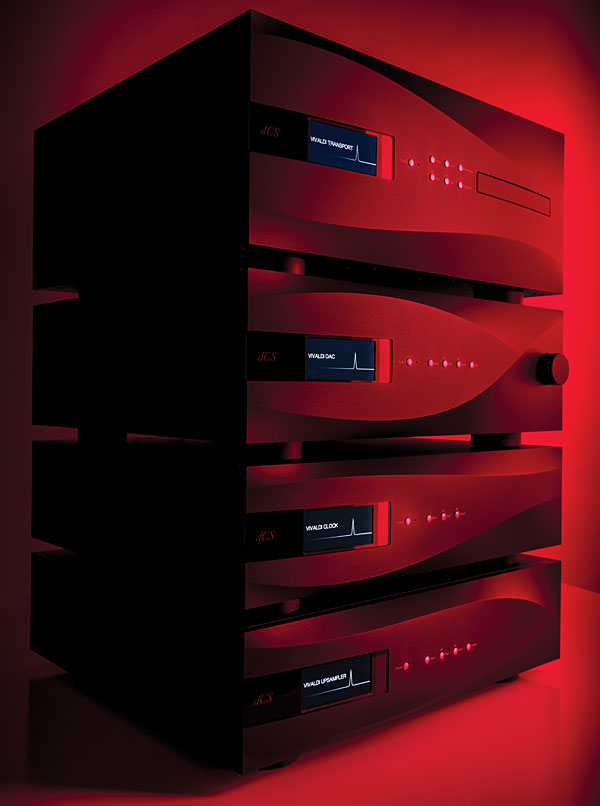
dCS Vivaldi digital playback system

More than a decade ago, Data Conversion Systems, aka dCS, released the Elgar Plus DAC, Purcell upsampler, and Verdi SACD/CD transport, for a total price of $34,000. In 2009 came the Scarlatti—a stack of four components for $80,000, also available individually (see my August 2009 review). The latest variation on the English company's theme are the four Vivaldi components, launched at the end of 2012 for a total price of $108,496.

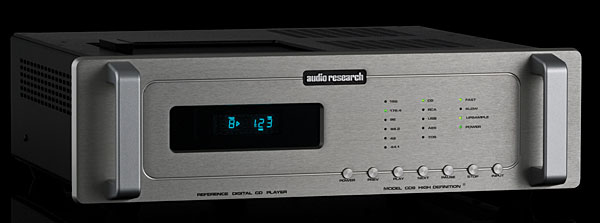
Audio Research Reference CD9 CD player/DAC


Now entering its fourth decade, the Compact Disc player seems to have reached a stage of maturity where the best models within a given price range will sound pretty much alike. The technology of the Compact Disc itself is set, its possibilities and limitations are well understood; and the designers of CD players who figure out how to stretch the former and finesse the latter wind up at about the same sonic place (again, for the same price), even if they've taken different routes to get there.
Advertisement
Advertisement
Advertisement