

The Reviewer's Lot
"Time to write another equipment report," thought the Great Reviewer, aware that the IRS would soon require another small donation to keep the country running on track. Deftly donning his Tom Wolfe vanilla suit, he sat at the antique desk acquired on one of his many all-expenses-paid research trips to Europe, patted the bust of H.L. Mencken that invariably stood by the word processor, ensured that his level of gonzo awareness was up to par, arranged his prejudices and biases in descending order of importance, checked that the requisite check was in the mail, coined a sufficient number of Maileresque factoids appropriate to the occasion, and dashed off 3000 words of pungently witty, passionately argued, convincingly objective, and deeply felt prose.
The Revolution That Never Was
Not too many years ago, high-fidelity movement was being hailed from all quarters (and many halves) as a revolution. In the sense that it took the country storm, and made billions of dollars for many entrepreneurs during heyday, it was indeed a revolution. But now the public has grown tired of high fidelity and is turning other electronic diversions—video, video games, and computering. And what, as of this summer of 1982, do we have to show for the high-fidelity revolution?
The Right Thing To Do
"There are two kinds of fools: One says, 'This is old and therefore good.' The other says, 'This is new and therefore better.'"—Bob">http://www.digido.com">Bob Katz
The Road to Analog-Sounding Digital: Are We There Yet?
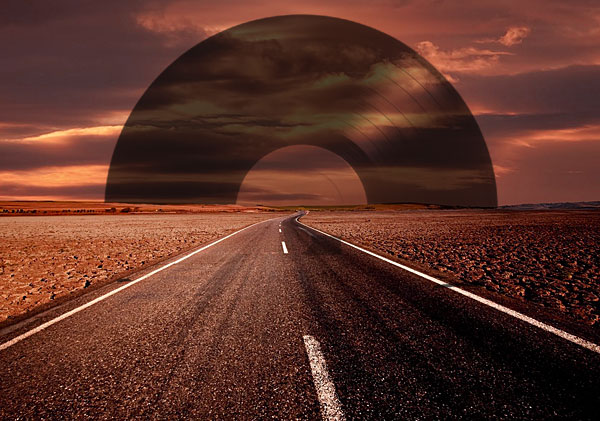
To say that a digital source "sounds like analog" has always struck me as coming up short. The notion that one format sounds like another is not really sensible or even ideal. While I love listening to LPs, there are some physical attributes of vinyl that, ideally, you don't want to reproduce. You know what I'm talking about because, every chance they get, LP haters remind us about pops, ticks, skips, surface noise, inner-groove distortion, etc. So when we say that a digital source sounds like analog, what we're really saying is that it doesn't sound like digital.
The Search for Musical Ecstasy
Every once in a while, some mainstream journalist discovers the audiophile underground.
The Second Sense
When it comes to video, most audiophiles are insufferable snobs. These normally reasonable people, who are among the first to admit that great sound in a motion picture theater makes a great film much more enjoyable, nonetheless. scoff at the very idea of augmenting their own sound with images, or of trying to create the kind of audio-visual experience in their home that they routinely enjoy at the cinema. Doing that involves video, which they equate with TV, which they equate with LCD (footnote 1) dross. This is unfortunate, because visuals can enhance good sound, and good sound can do wonders for non-TV video programs like Hollywood motion pictures.
The Shifting Audio Showscape
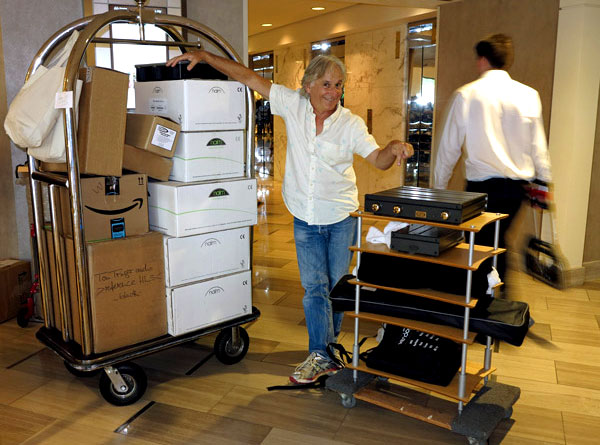
The 2018 audio show season is about to start and it's not just Stereophile's coverage of high-end audio showswhich has taken a leap forward with the inclusion of Jana Dagdagan's binaural videosthat's changing. The shows themselves are on the move.
The Silent Minority
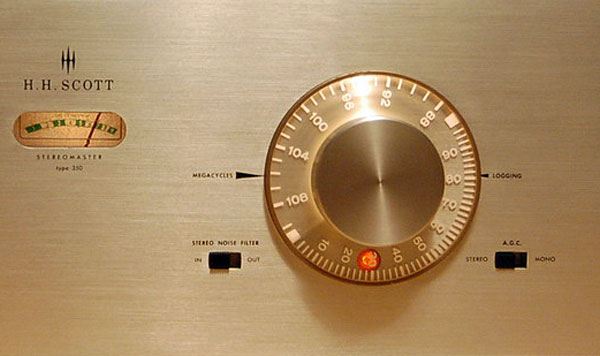
Until about nine months ago, in the fall of 1970, FM radio station WFLN, Philadelphia, was just another one of that dying breed: the classical FM station. Like its counterparts in the few remaining classical-radio cities, it provides the major part of the high-fidelity listener's radio diet, and also like most similar classical stations, its fidelity was nothing to brag about.
The Skating Force Phenomenon
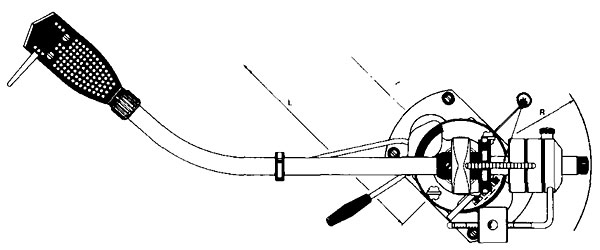
At the beginning of last month's As We See It, I wrote that I've lately been focused on "analog things." I proceeded to write about refurbishing and modding my old McIntosh tuner. That's "analog thing" #1. So, what other analog things have I been focused on? Here's #2...
The Soul of a New Medium
Successful new prerecorded audio media emerge, on average, every two decades—one human generation. The LP made its debut in 1948, 21 years after the introduction of electrical recording ended the adolescence of the record industry and the acoustic 78rpm disc. This was almost coincidental with Jack Mullin's retrieval of analog tape technology from the wreckage of post-WWII Germany and its subsequent commercialization by Bing Crosby's Ampex company (footnote 1). The compact cassette made its appearance in 1963, followed almost 20 years later by the CD, in 1982. And now, as I mentioned in the October issue's "As We See It," we have Sony and Philips' Super Audio CD and the DVD Forum's DVD-Audio to contend with (not forgetting MP3 and the Internet).