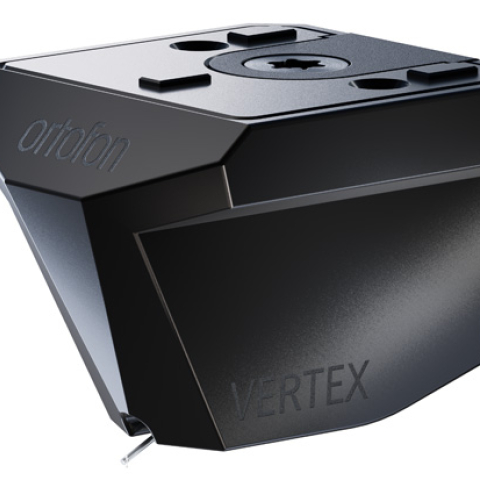
 The Ortofon 2M line is familiar to my ears. I own a 2M Blue that once belonged to Art Dudley (RIP). My reference cartridge in studio is a 2M Bronze. (Its microline stylus is reputed to be so close to a cutting stylus that it's safe to play a lacquer with it—only once—before sending it out for plating.) The 2M Red has the same moving magnet engine as the 2M Blue, with a bonded elliptical stylus instead of a nude elliptical. The 2M Red has high output, at 5.5mV. The output level of the Audio-Technica AT-VM95C included on the SL-40CBT is 4mV (see later). So the first thing I listened for was overload distortion in the SL-50C's built-in preamp.
I listened to some records known to be mastered loud: Rolling Stones' Tattoo You (Rolling Stones Records COC 16052) and Megadeth's Peace Sells ... But Who's Buying? (Capitol ST-12526). "Neighbours," the final cut on side 1 of Tattoo You, is loud and loaded with midrange energy, near the black disc's inner diameter. Some cartridge/tonearm systems can't track it without crackling distortion. The SL-50C tracked it fine, and there was no preamp fuzz or clipping. The title track of Peace Sells..., third track on side 1, located about equally from the outer diameter and the deadwax, is punchy, full of bass energy and furious beats. Watching the McIntosh amp's meters, it was clear that the beat was punching through but not clipping the SL-50C's preamp. (The annoying upper midrange reminded me why I prefer the digital versions of this album. The LP sounds the same on any system: like it's being played on a 1970s all-in-one "record player" with some extra bass.)
The Ortofon 2M line is familiar to my ears. I own a 2M Blue that once belonged to Art Dudley (RIP). My reference cartridge in studio is a 2M Bronze. (Its microline stylus is reputed to be so close to a cutting stylus that it's safe to play a lacquer with it—only once—before sending it out for plating.) The 2M Red has the same moving magnet engine as the 2M Blue, with a bonded elliptical stylus instead of a nude elliptical. The 2M Red has high output, at 5.5mV. The output level of the Audio-Technica AT-VM95C included on the SL-40CBT is 4mV (see later). So the first thing I listened for was overload distortion in the SL-50C's built-in preamp.
I listened to some records known to be mastered loud: Rolling Stones' Tattoo You (Rolling Stones Records COC 16052) and Megadeth's Peace Sells ... But Who's Buying? (Capitol ST-12526). "Neighbours," the final cut on side 1 of Tattoo You, is loud and loaded with midrange energy, near the black disc's inner diameter. Some cartridge/tonearm systems can't track it without crackling distortion. The SL-50C tracked it fine, and there was no preamp fuzz or clipping. The title track of Peace Sells..., third track on side 1, located about equally from the outer diameter and the deadwax, is punchy, full of bass energy and furious beats. Watching the McIntosh amp's meters, it was clear that the beat was punching through but not clipping the SL-50C's preamp. (The annoying upper midrange reminded me why I prefer the digital versions of this album. The LP sounds the same on any system: like it's being played on a 1970s all-in-one "record player" with some extra bass.)
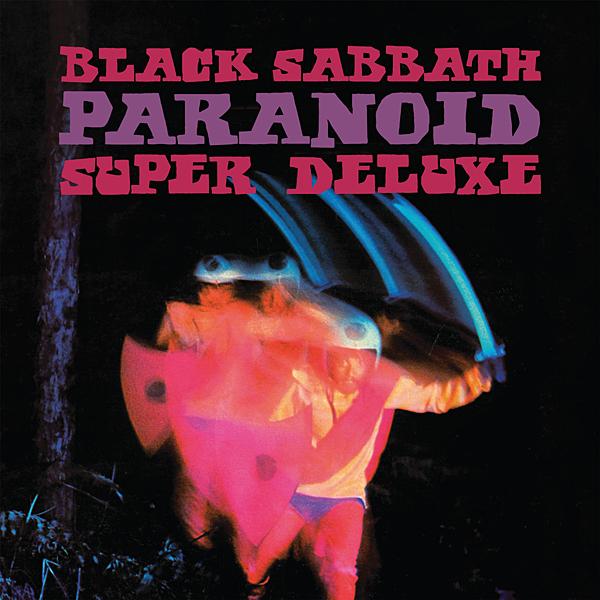 Continuing in a metal way, I spun Black Sabbath's Paranoid, the Rhino deluxe reissue (R1 556692), which is also cut plenty loud, with way more bass and treble than the original Warner Bros. LP. Wowzer, that one never fails to excite. The modest Technics rig brought forth all the fury. RIP, Ozzy.
 There is something to be said for keeping things simple, focused on playing music. In this situation (small speakers, run-of-the-mill records, listening for enjoyment rather than picking apart the sound), the Technics SL-50C mated with the Ortofon 2M Red cartridge excelled.
I moved the SL-50C to the living room and connected it to my reference system. At the time of this review, my Bowers & Wilkins 808 speakers were stored in the home gym, and EgglestonWorks Andra 5 full-range speakers stood in their places (see my review of the Andra 5 in the February 2026 issue). First, I compared the factory-stock SL-50C playback system to my reference rig: Technics SL-1200MK5 with fluid damping, three-speed mod and tonearm rewiring by KAB and Pro-Ject Phono Box RS2 phono preamplifier. At the business end of the SL-1200 tonearm was The Vessel A3SM cartridge (moving magnet, nude microridge stylus on an aluminum cantilever). I connected the SL-50C's preamplifier output to my Benchmark LA-4 line-level preamp. The two record-playing systems sounded different, for sure. My reference setup tended to transmit a more detailed soundstage, with low bass going all the way to the bottom and percussion dynamics wider and more precise. Still, the SL-50C held its own with many of the records I compared. What it lacked in precision, detail, imaging, and the nth degree of low bass was somewhat offset by its coherence of scale. The music fit together well, and blood-and-guts humanity shone through.
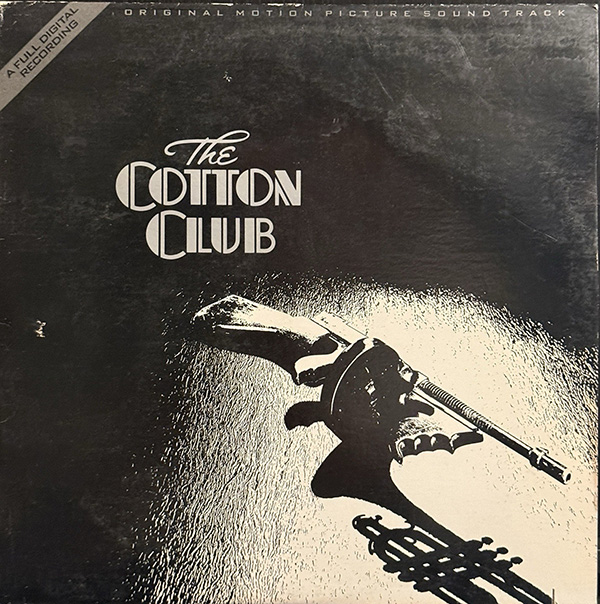 "The Mooche," a Duke Ellington composition, opens side 1 of The Cotton Club soundtrack album (Geffen GHS-24062, first-edition Bob Ludwig cut). This album was often used as an audiophile showcase of early digital recording, and to this day it sounds very good if somewhat shiny and glistening at the top end. The SL-50C/Ortofon 2M Red proved perfect for this record because it shaved off some digital edge yet preserved enough of the precise imaging and dynamic percussiveness to retain what's pleasing about the record.
On the other hand, "Sonora Pass" from Sasha Matson's Fillmore Street/Little Woodstar (Albany TROY 1985) didn't sound as good through the SL-50C system. The big synthesized bass of the original Moog at Sear Sound Studios and the deep pounding of timpani were seriously curtailed. The bells heard in the middle of the track were dulled down, and the drum set toward the end was less percussive and dynamic. Also, oddly, for whatever reason, surface noise was more noticeable.
"The Mooche," a Duke Ellington composition, opens side 1 of The Cotton Club soundtrack album (Geffen GHS-24062, first-edition Bob Ludwig cut). This album was often used as an audiophile showcase of early digital recording, and to this day it sounds very good if somewhat shiny and glistening at the top end. The SL-50C/Ortofon 2M Red proved perfect for this record because it shaved off some digital edge yet preserved enough of the precise imaging and dynamic percussiveness to retain what's pleasing about the record.
On the other hand, "Sonora Pass" from Sasha Matson's Fillmore Street/Little Woodstar (Albany TROY 1985) didn't sound as good through the SL-50C system. The big synthesized bass of the original Moog at Sear Sound Studios and the deep pounding of timpani were seriously curtailed. The bells heard in the middle of the track were dulled down, and the drum set toward the end was less percussive and dynamic. Also, oddly, for whatever reason, surface noise was more noticeable.
 Next, I swapped out the Ortofon 2M Red for my Ortofon 2M Blue (same moving magnet engine, nude instead of bonded elliptical stylus). Top-end detail improved, and with it, the illusion of width, height, and depth. The bottom end became more focused without losing power or drive. However, none of these changes were so dramatic that I would strongly recommend swapping out the 2M Red stylus for a Blue, or not right away. To upgrade this system, start with the phono preamp. A better cartridge can come later.
I now swapped out the 2M Blue and swapped in The Vessel cartridge/headshell rig, borrowed from my SL-1200MK5. Playing the same records on the SL-50C as I had played on the SL-1200MK5 earlier in the day, I heard no appreciable differences. I listened especially for width, stability, and detail of the stereo image, because my colleague Michael Trei said those might be affected if the new tonearm bearing mechanism behaved differently from the traditional SL-1200 design. Based on what I heard, Technics has succeeded in designing a simpler, more compact tonearm. In general, I was very impressed with how the SL-50C sounded with my reference phono preamp and my reference MM cartridge. Technics has succeeded in creating true value: similar mechanical and audio performance at a substantially lower price.
Next, I swapped out the Ortofon 2M Red for my Ortofon 2M Blue (same moving magnet engine, nude instead of bonded elliptical stylus). Top-end detail improved, and with it, the illusion of width, height, and depth. The bottom end became more focused without losing power or drive. However, none of these changes were so dramatic that I would strongly recommend swapping out the 2M Red stylus for a Blue, or not right away. To upgrade this system, start with the phono preamp. A better cartridge can come later.
I now swapped out the 2M Blue and swapped in The Vessel cartridge/headshell rig, borrowed from my SL-1200MK5. Playing the same records on the SL-50C as I had played on the SL-1200MK5 earlier in the day, I heard no appreciable differences. I listened especially for width, stability, and detail of the stereo image, because my colleague Michael Trei said those might be affected if the new tonearm bearing mechanism behaved differently from the traditional SL-1200 design. Based on what I heard, Technics has succeeded in designing a simpler, more compact tonearm. In general, I was very impressed with how the SL-50C sounded with my reference phono preamp and my reference MM cartridge. Technics has succeeded in creating true value: similar mechanical and audio performance at a substantially lower price.
 Listening 3: One more comparison
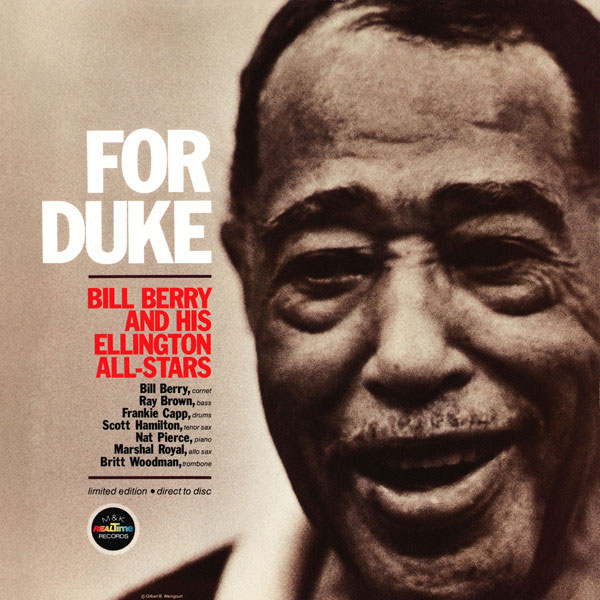
I was so impressed with how the SL-50C/Ortofon 2M Red combo sounded that I wondered how the same turntable/preamplifier platform would sound with the Audio-Technica AT-VM95C cartridge included on the SL-40CBT. I was curious enough to spend $32 for the conical stylus, which I attached to my AT-VM95 cartridge body. Through my McIntosh MA6500/Amphion One18 system, I compared the sound of an old audiophile chestnut: For Duke by Bill Berry (M&K RealTime RT-101, recorded direct-to-disc). This recording has quick, pronounced dynamics but also a shine, each instrument's tone tending brighter. The 2M Red did a nice job of taming the brightness and bringing out what richness there was in the low end. It also minimized surface noise on my well-enjoyed copy, which was given to me by a friend. I installed the AT-VM95C cartridge/headshell and rebalanced the tonearm, setting tracking weight at Audio-Technica's recommended 2gm. Right away, I noticed a lower output level and remembered that the AT-VM95C is rated at 4mV vs 5.5mV for the 2M Red. I re-installed the 2M Red in the tonearm and played the 1kHz alignment tone on The Ultimate Analogue Test LP (Analogue Productions AAPT 1), noting the meter reading on the McIntosh MA-6500 front panel. Then I installed the AT-VM95C, played the same tone, and increased the volume until the meters read the same.
Technics applied some good engineering to shrink their direct-drive turntable platform, with a smaller and simpler tonearm, a built-in phono preamplifier, and a lower price.