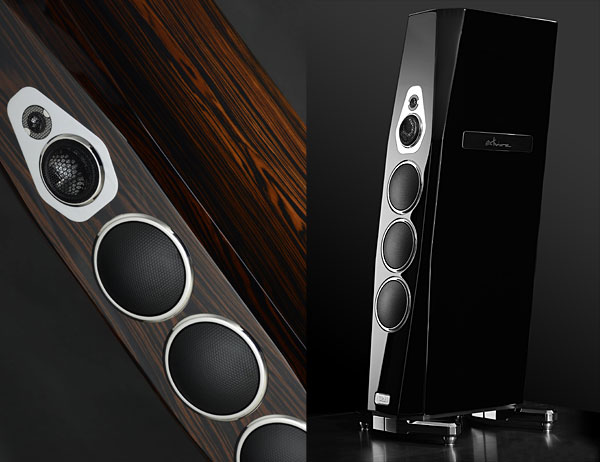
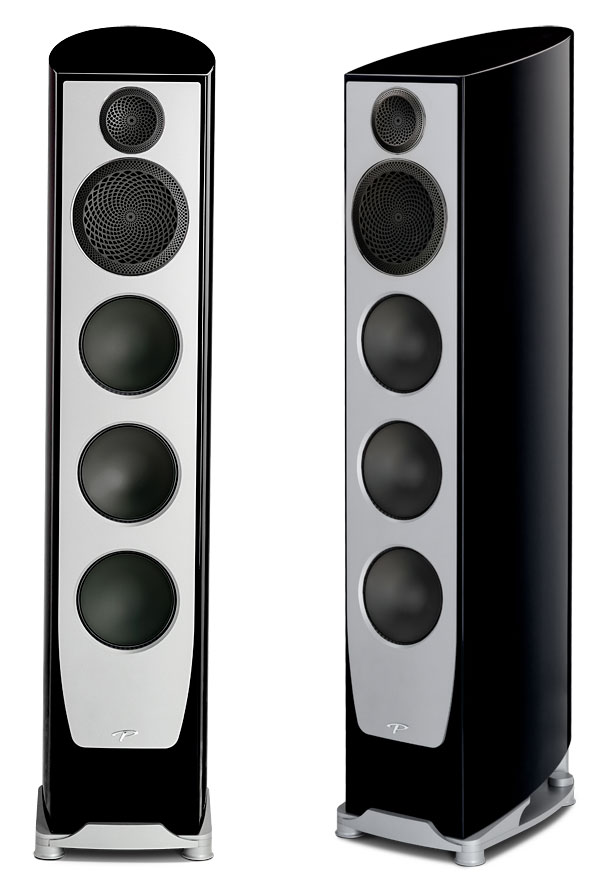
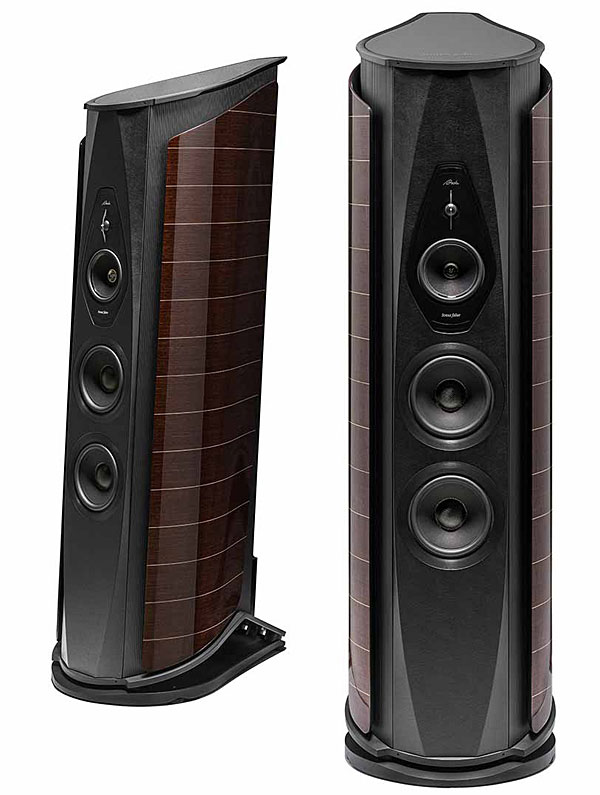
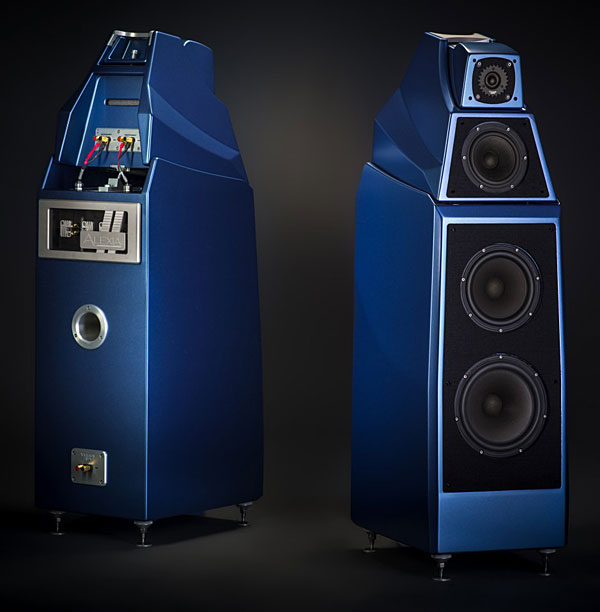
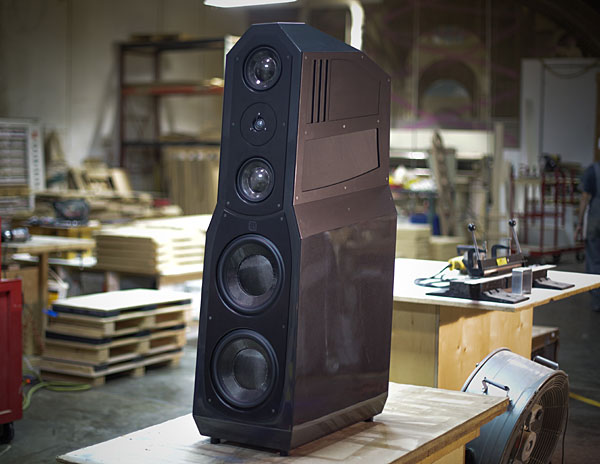
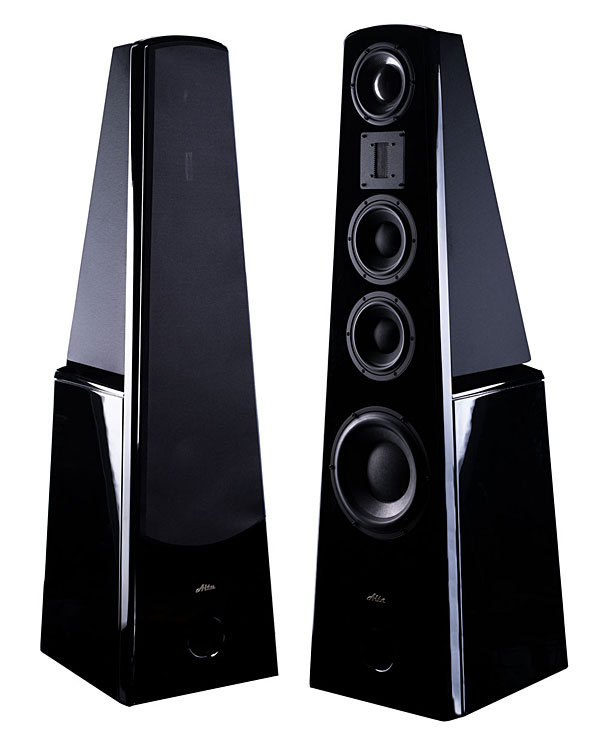
Wilson Audio Specialties Alexia Series 2 loudspeaker
One of the benefits of being a reviewer is that, of the large number of products that pass through my listening room, occasionally there are those that I really would like to see take up more permanent residence. One of these was Wilson Audio Specialties' Alexia loudspeaker, which I reviewed in December 2013. "Its clarity, its uncolored, full-range balance, its flexibility in setup and optimization, and most of all its sheer musicality, are, if not unrivaled, rare," I wrote, and concluded: "If I were to retire tomorrow, the Wilson Alexia would be the speaker I would buy to provide the musical accompaniment to that retirement." Nothing I subsequently heard disabused me of that dream, though a couple of other speakers, in particular Vivid Audio's Giya G3 and KEF's Blade Two, joined the Alexia on my bucket list.
One of the joys of reviewing loudspeakers is that there are always intriguing aspects of any particular design. The problems involved in producing a speaker that has an even tonal balance, well-controlled directivity, good bass extension, and a smooth integration of the outputs from often widely disparate drive-units have what appears to be an infinite number of solutions. The result is often a speaker so different from the norm that it just cries out to be auditioned.
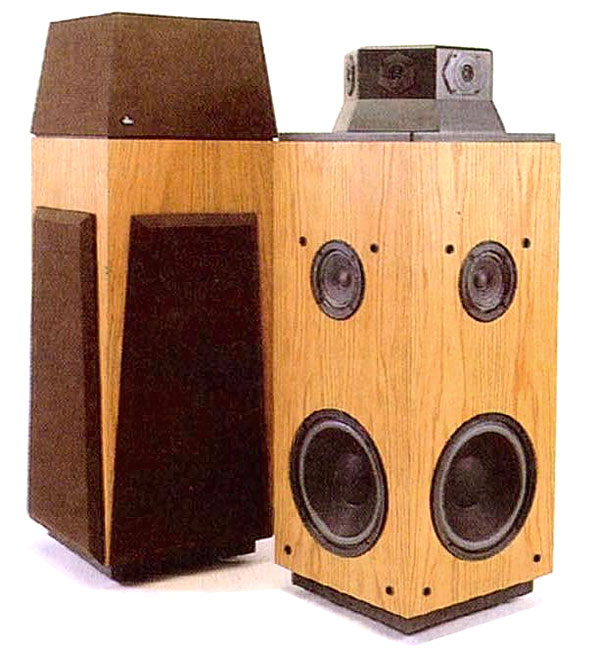
Such was the case with the Delaware Acoustics DELAC S10, which costs $629/pair. Only sold factory-direct, this would therefore have been low on Stereophile's priority list for review if it weren't for two things: first, the fact that the S10 was designed by one Ralph Gonzalez, a name that should be familiar to readers of Speaker Builder magazine for having written a very useful speaker design and analysis program; second, as implied in the first paragraph, the S10 is one of the weirdest speakers I have ever laid ears on.