Digital Processor Reviews

Sort By:  Post Date TitlePublish Date

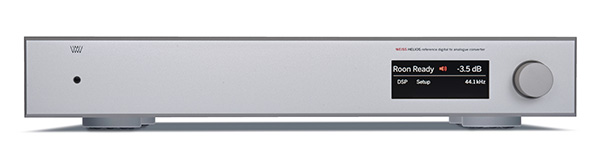
Weiss Engineering Helios D/A processor

When standalone digital/analog processors made an appearance a quarter-century ago, they were limited to the CD medium's 16 bits of resolution—at best. These days, almost every DAC can process at least 24 bits, and many models offer between 20 and 21 bits of real-world resolution. Modern models from Benchmark, dCS, , Merging, Mola Mola, Okto, and Weiss illustrate not just the skill of the circuit designer but also that of the engineer who laid out the printed circuit board.

One of the first digital processors I encountered that offered 21 bits of resolution was the Weiss DAC202, which Erick Lichte reviewed in January 2012. Subsequent processors from this Swiss company have consistently performed well, not just on the test bench but also in the listening room.

Ferrum Wandla D/A preamplifier

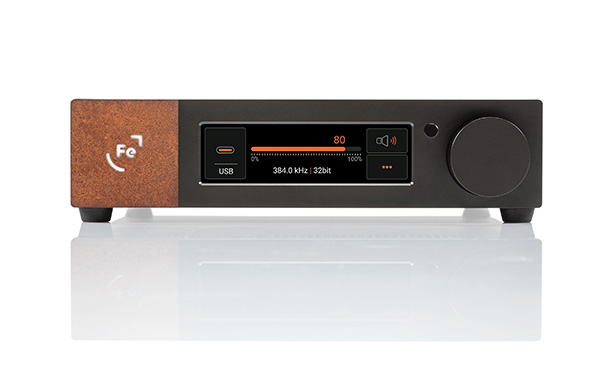
I can roll out of bed and install a $10,000 phono cartridge while finishing my coffee, but I postpone DAC installations until I am in the exact right mood to handle the potential stress—especially DACs with a touch screen and a complex menu. To my delight, Ferrum Audio's new Wandla digital converter was completely stress-free to install. It took only minutes to connect the USB-C cable, the Cardas Audio Clear Beyond interconnects, and 24V DC power adapter.

Connecting the power adapter caused a power-switch symbol to appear on the front panel touch screen. The moment I touched it, I smiled like the Cheshire Cat, because I saw a USB-C symbol, a loudspeaker symbol, three dots in a box, and a volume control bargraph. That told me the Wandla recognized my chosen input and was waiting for a signal. All that remained was for my Roon Nucleus+ server to recognize and enable the new DAC, which it did without prodding or reprimand. For me, that was a wow moment, a good start to what promised to be an interesting review.

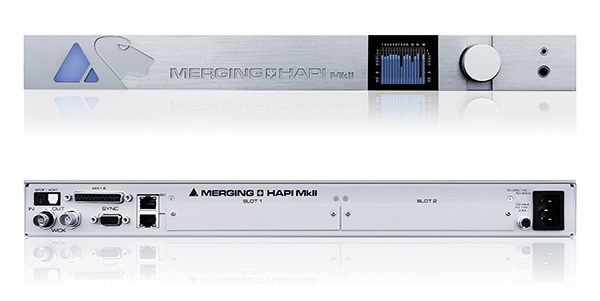
Merging Hapi MkII multichannel digital processor

I've been running a 5.1 system for years. Recently, I expanded it to 5.3 with the addition of two more subwoofers. This system is manageable with one of my eight-channel DACs.

Even more recently, I dipped my toe into Dolby Atmos, which made it necessary to lash up at least four more channels. That was a big problem, since neither JRiver nor Roon can support and sync more than one output device at a time, and the multichannel DACs I already owned tap out at eight channels.

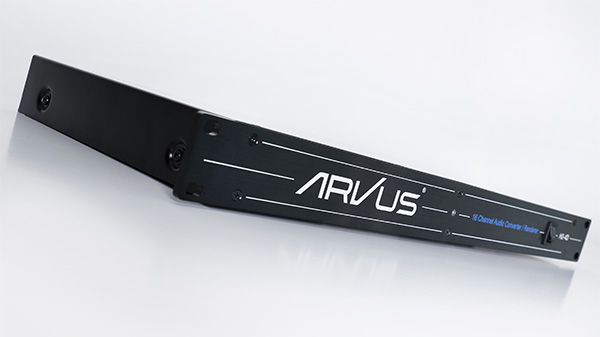
I turned to the Arvus H2-4D Renderer, which offers 16 channels of digital output over AES3 and 16 channels of balanced-analog output. This worked, but piping everything through the Arvus meant forswearing DSP, including DiracLive. I really needed a DAC with at least 12 channels.

The Merging+Hapi has been around for years...

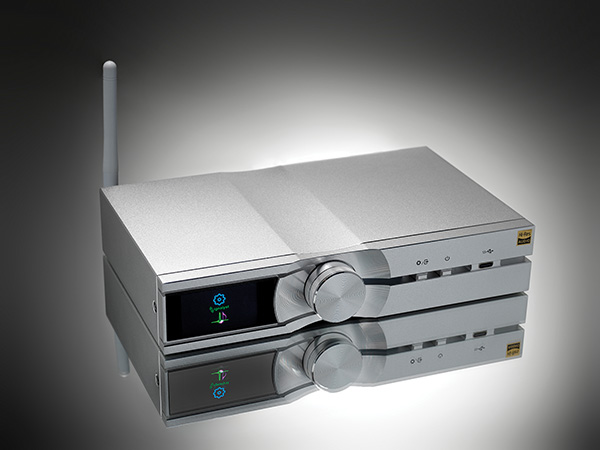
iFi Audio NEO Stream streaming D/A processor

Stereophile writers and website commentors often speak to the topic of the ongoing rise in retail pricing at the upper levels of the hi-fi market. Companies producing cost-no-object designs make regular appearances in the hardware reviews published here. However, a countervailing vector is also at play in the consumer hi-fi sector: a trend toward bringing to market products that are smaller and more economical than the competition while offering an ever-increasing variety of features and continually improved performance, notably in terms of measurable specifications.

This dialectic can sometimes play out within the same company. Abbingdon Music Research (AMR), which is based in Southport, UK, was founded in 2000. At first, under the AMR brand, the company focused on high-end audio component separates with price points toward the upper end of the spectrum. The world has a way of intervening, though, even with the best-laid business plans. AMR Director Vince Luke describes in a video how his company made a deliberate choice to "pivot from high end to low end" following the financial crash of 2008. AMR's iFi Audio division debuted at the Rocky Mountain Audio Fest in 2012, offering a handful of portable products. They were a hit. The iFi line has since expanded to include more than 50 designs, and new products are introduced with impressive frequency.

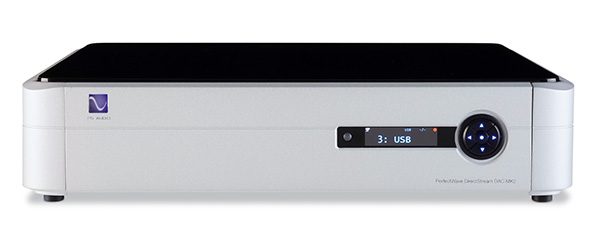
PS Audio PerfectWave DirectStream MK2 D/A processor

When Art Dudley reviewed the original PS Audio PerfectWave DirectStream D/A processor in Stereophile's September 2014 issue, he very much liked what he heard. "For those who've waited for a computer-friendly DAC that offers, with every type of music file, the best musicality of which DSD is capable, the PerfectWave DirectStream may be in a class by itself," he concluded. It was computer-friendly because, with an add-in card, you could connect it with USB or to an Ethernet cable and use it with, for example, Roon or JRiver.

PS Audio discontinued the original DirectStream DAC in 2022, introducing its replacement, the DirectStream MK2, priced at $7999, in January 2023. At 17" × 4" × 14", the MK2 is the same size as its predecessor, and with its gloss-black MDF top panel, it looks very similar.

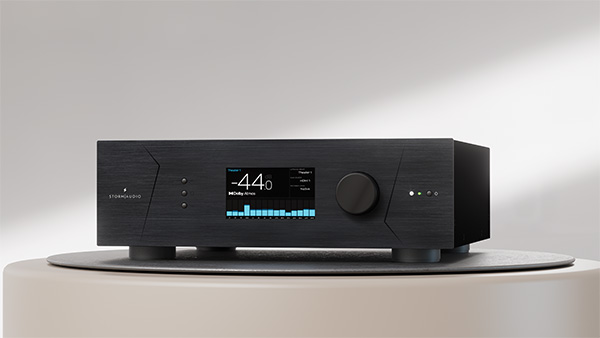
Arvus H2-4D multichannel Dolby Atmos digital processor

It has taken almost three years, but Dolby Atmos is now permeating the music-streaming sites; note that most of the recent Grammy winners are available in Atmos.

Up to now, access to Atmos has been largely restricted to HT hardware; its success for music will depend on wide availability and non-HT options for audiophile music lovers to stream and to play discs or files in Atmos, especially in lossless versions. Enter the Arvus H2-4D.

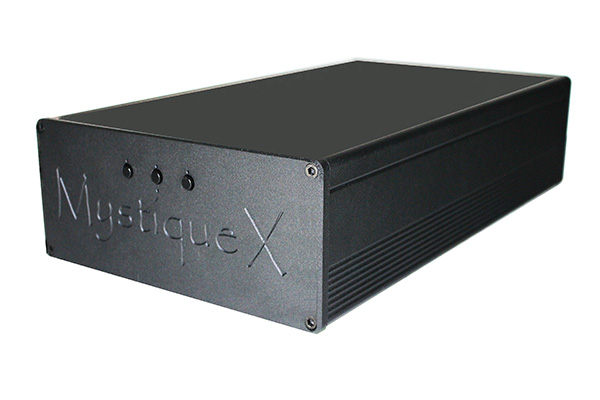
Mojo Mystique X SE D/A processor

When I survey the realms of fancy-pants audio, the first thing I notice are cohorts of luxury-brand manufacturers selling pride of ownership with emblematic faceplates. After that, I spot another type of manufacturer, one that mocks the first type and aims its products at a younger, more working-class demographic, seducing potential customers with how much "truth" they are offering for only $15. But sometimes, when I look beyond the full-page ads and big rooms at audio shows, I discover a rogue manufacturer that is peddling a very specific type of listening experience, which they believe is the best. A listening experience only they could have created. I am grateful for manufacturers like this. They make my job more interesting, and I admire them for their courage in betting on their own taste in music reproduction.

I am relating these observations because this month I'm reviewing a digital converter from an off-the-paved-road audio manufacturer named Benjamin Zwickel. He operates a company called Mojo Audio, which is located in Albuquerque, New Mexico.

dCS Vivaldi Apex D/A processor

Within seconds after hitting play on the 2006 remaster of "The First Time Ever I Saw Your Face," played back with the dCS Vivaldi Apex DAC, what I thought would be a lovely opportunity to wax nostalgic morphed into something far deeper. The first few bars of the song grabbed us like nothing else we'd listened to over the past 10 days. Flack's complete calm, unwavering focus, and unapologetic intimacy took our breath away. The soundstage was wide, the silence profound, the presentation pristine. The beauty of Flack's voice and passion, enhanced by John Pizzarelli's guitar, Ron Carter's bass, and Ray Lucas's drums, transformed the music room into a holy sanctuary. Toward the end of the first verse, right before "To the dark and the endless skies," I rose long enough to turn off the lights. We sat together in silence, barely breathing.
Advertisement
Advertisement
Advertisement