

Acoustic Research AR-M2 hi-rez portable player
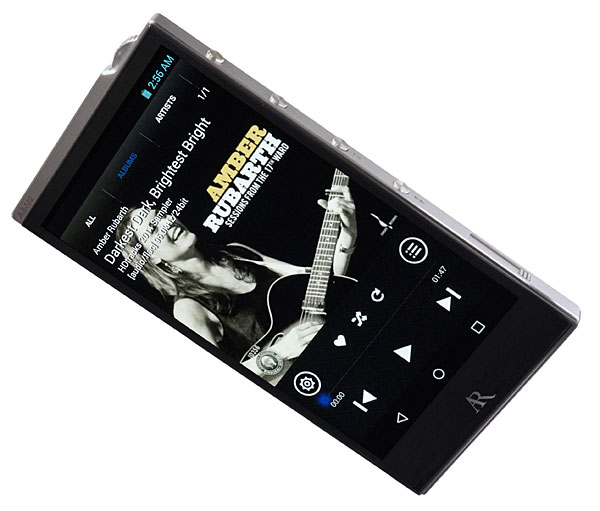
In the early 1970s, I lived in a village 40 miles north of London, England, and regularly drove through an only slightly larger village called Houghton Regis. And every time I did so, this budding audiophile was thrilled to see a factory in the High Street with a nameplate proudly announcing that it was the site of Teledyne Acoustic Research's European operations. I was aware of the American brand because of a chance encounter with a pair of Acoustic Research LST speakers, and the geographical connection led to an increased interest in their speakers (footnote 1). A sort of local-boy-, er, local-multinational conglomerate-makes-good story. Sort of.
Antipodes Audio K50 music server
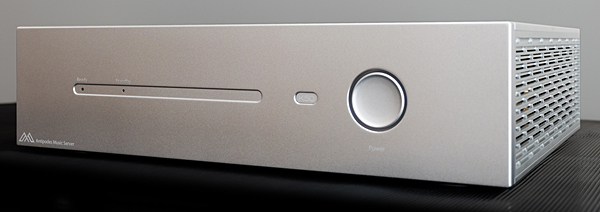
On the face of it, playing and streaming digital music files is a straightforward process. You direct data from various sourcessome local, some "in the cloud"perhaps via a reclocker/signal conditioner to a digital-to-analog converter (DAC). "And the music comes out here."
Not so simple. Bits, it seems, aren't bits, or not only. A digital datastream is also an analog signal. Noise and other signal errors endemic to multi-function computers not designed primarily for music playback can affect how music sounds. And then there are the practical issues of setting up and connecting everything optimally, and then organizing music files correctly, which can be especially difficult when ripping files from multidisc sets.
Antipodes DX Reference music server
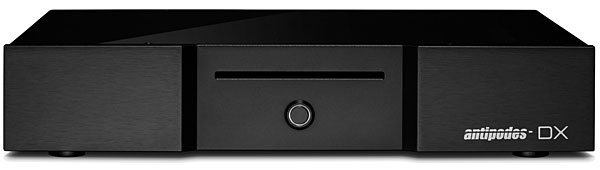
Perhaps because I grew up in post-WWII England, with austerity and food rationing the norm, I learned at an early age the value of frugality. It was a financial stretch for me to buy, in the late 1960s, my first real audio system: Garrard SP25 turntable with Audio-Technica cartridge, Kenwood integrated amplifier, Wharfedale Super Linton speakers. Even when I could afford to upgrade the system, other than replacing the Garrard with a Thorens TD 150 and the Audio-Technica with a Shure, I went the DIY route. Back then, in the early '70s, I assumed that the advent of op-amp chips like the Fairchild Semiconductor µA741 would make it possible for me to design and make, for example, a good-sounding preamplifier for a lot less than it cost to buy one from an established manufacturer. That assumption turned out to be wrong, of course, but frugality was, by then, a habit: too ingrained for me to shake entirely.
Antipodes Oladra server/streamer/reclocker
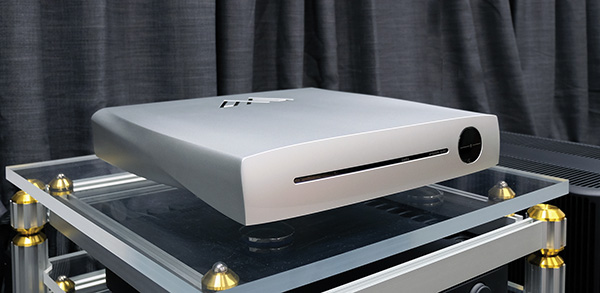
Servers, servers, servers. How we who embrace digital hi-fi love them for their potential to make files and streams sound better (more alive, vital, streams sound better (more alive, vital, musical, moving, transparent) than music served from a computer. How we curse them when we experience the limitations of their software. How we despair when, shortly after ascending to Peak Digital Mastery, we download a software update that hurls us back into the Valley of Digital Unknowns.
I've climbed then slid down multiple hi-fi peaks as I've moved from computer to a Roon-equipped NUC, Roon Nucleus+, and Innuos Statement Next-Gen music servers. Along the way I've reviewed the original Innuos Statement from Portugal and the Antipodes Audio K50 from New Zealand. Now I'm exploring Antipodes's top-of-the-line server/streamer/reclocker, the Oladra ($25,000), which is designed for precise clocking, low noise, and high bandwidth.
Apple iPod portable music player
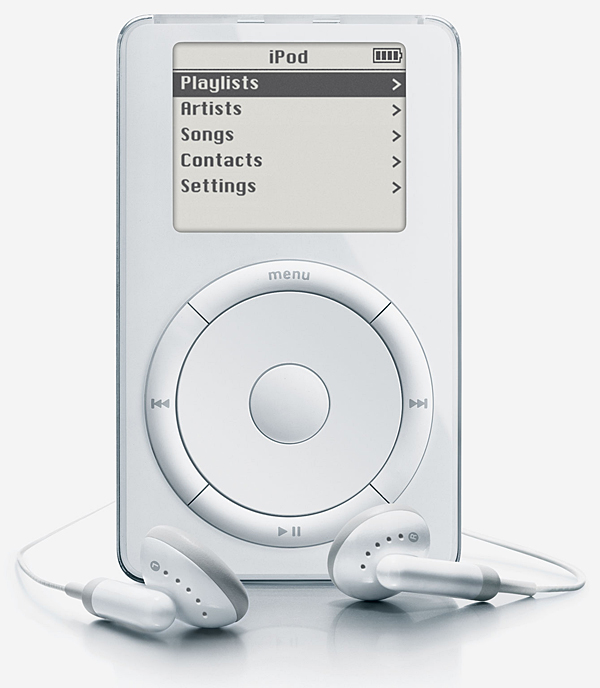
It was John Atkinson, that legendary ornithologist, who first pointed it out: "Have you noticed how frequently you see women using the iPod?"
Astell&Kern A&ultima SP1000 portable audio player
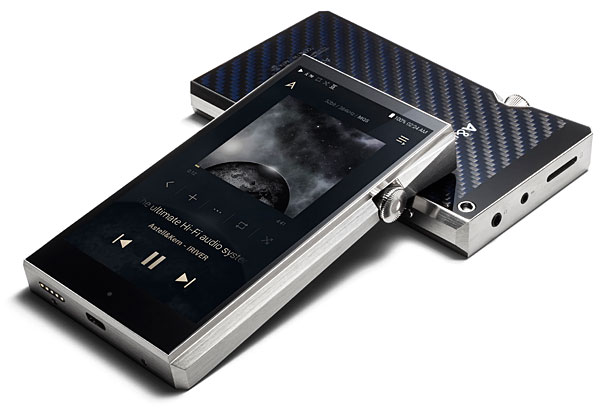
People often ask me how I listen to music when I travel. I play MP3s on my iPhone.
That answer always surprises, and sometimes disappoints: "You listen to MP3s?"
The response is moderately tempered when I add that I use good in-ear monitors (IEMs)either Westone ES50s (ca $995) or Jerry Harvey Audio Laylas (ca $2725), both with eartips made from molds of my ear canals.
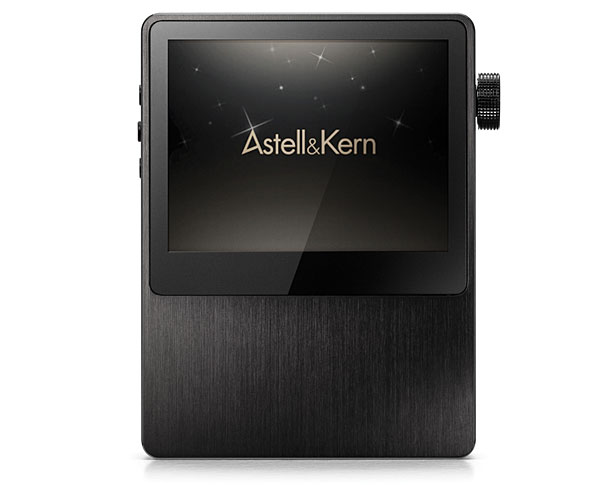
Astell&Kern AK100 portable media player
Apple's iPod came of age in the fall of 2003, when, with the release of iTunes 4.5, the player was no longer restricted to lossy compressed MP3 or AAC files. Instead, it could play uncompressed or losslessly compressed files with true "CD quality"; users no longer had to compromise sound quality to benefit from the iPod's convenience.
Enter Astell&Kern. At the beginning of 2013, this brand from iRiver, a Korean portable media company, introduced its AK100, a portable player costing a dollar short of $700 and capable of handling 24-bit files with sample rates of up to 192kHz.
Astell&Kern AK240 portable media player
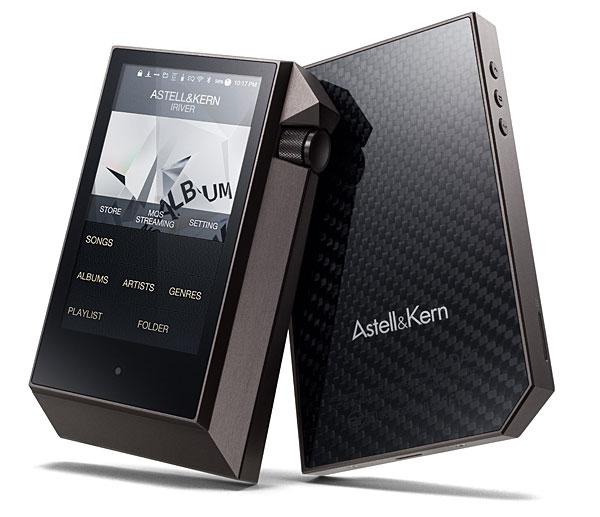
Do you travel? Commute, perhaps? Just like to listen to music privately around the house? No matterthe Astell&Kern AK240 is the luxury choice in high-resolution portable music players (footnote 1). It even comes with a lovely leather case that beautifully cradles its angular beauty. The AK240 can play all of your PCM files, up to a resolution of 24-bit/192kHz, as well as DXD and single- and double-rate DSD, natively, and can do so from its internal storage, from a microSD card, or from your computer via WiFi or a wired connection. It can also function as a DAC or USB-to-TosLink converter. I'm not so sure there's much left wanting.
Aurender A10 network music player/server
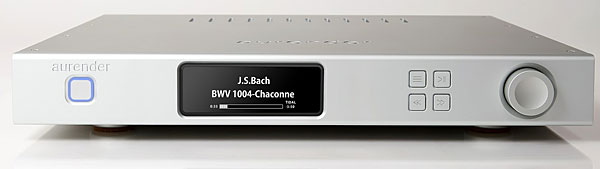
A huge fuss was made over Aurender's first music server, the S10, when it premiered in 2011 at the California Audio Show. While I didn't feel that the room acoustics and setup were good enough at CAS to permit an honest appraisal, the looks and features of the S10 (now discontinued) thrust Aurender into the spotlight. So when John Atkinson, who had very favorably reviewed Aurender's N10 server in April 2016, asked if I would evaluate Aurender's new A10, the opportunity to serve so many audiophiles with a single review elicited from me an unequivocal "Yes!"
Aurender N10 music server
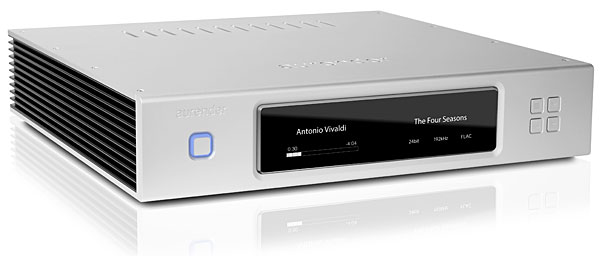
When I reviewed the Antipodes DX Reference in October 2015, that $7500 media server made musical mincemeat of my regular computer audio setup: a headless 2.7GHz i7 Mac mini fitted with 8GB of RAM and Pure Music and Audirvana apps. Coincident with the publication of that review, Aurender launched its N10 music server ($7999) at the 2015 Rocky Mountain Audio Fest. I had been impressed with Aurender's Flow USB headphone amplifier when I reviewed it in June 2015, so I asked for an N10.