

Spectral SDR-2000 Professional D/A processor
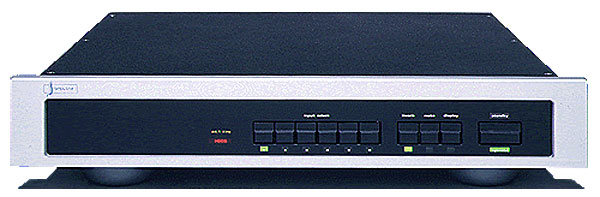
Spectral is a bit of an enigma in the high-end audio world. Although nearly 20 years old and one of the founders of the American high-end audio industry, Spectral isn't a name that comes quickly to mind when considering the best of the best in high-end.
Spectral's low profile is of their own choosing. They advertise very little, their products are demonstrated in a small number of stores, they almost never send products to magazines for review, and they are very quiet about their accomplishments.
StormAudio ISP Evo immersive sound preamp/processor
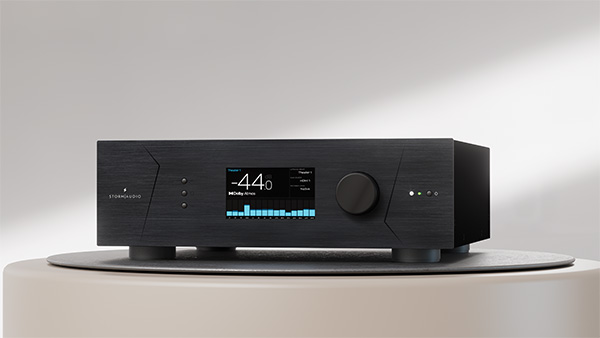
One thing that interested me about the StormAudio ISP Evo is that, despite its obvious hi-fi function, it's more like a computer than a typical "prepro." While it does offer a few "legacy" analog inputs, it is for the most part all-digital, input to output, including network connections on both ends. Consequently, it is less likely to leave sonic fingerprints on the music than devices that convert digital to/from analog or modulate their signals with active amplification or attenuation. It is notable that, despite its audio function, the Storm completely lacks traditional audio specificationsdistortion, dynamic range, and so on.
Yes, that aspect of the product was appealing, but the real trigger for me was that when I began this review, the StormAudio ISP Evo was the only consumer device to fully incorporate the latest version of Dirac Live Active Room Treatment (ART).
Sumo Theorem D/A processor
The $799 Theorem was originally shown at the 1992 WCES in a very small chassis that prohibited adding features or upgrades. Sumo has since become more ambitious, putting the Theorem in a full-sized chassis and offering several upgrade options that would have been impossible in the truncated version.
Sutherland Engineering 12dAX7 USB DAC/preamplifier
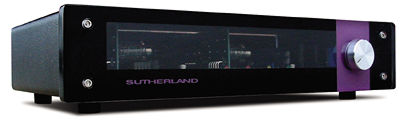
Computers and vacuum tubes go together like Trent Lott and flyaway hair, right? The last time filaments glowed in computers was during the 1960s, when a computer was a building. I remember laughing at the ponytailed computer-science dweebs back then, who spent their college days playing nursemaid to a football field's worth of electronics capable of little more than adding two plus two. Chained to a computer half the day, as most of us now are, guess who had the last laugh?
T+A Elektroakustik DAC 8 DSD D/A processor

"They're so damn hard to tell apart!"
So exclaimed my longtime pal and fellow audiophile Bruce Rowley when I revealed to him that T+A Elektroakustik's new DAC 8 DSD digital-to-analog converter ($3995) had arrived for review, just after I'd finished writing up the Ayre Acoustics Codex DACheadphone amp ($1795). Bruce had recently compared his own brand-new Codex with a DAC he'd owned for a couple years, both costing about the same but built to very different designs. He was surprised that, after carefully matching levels and working to eliminate any other variables, they sounded more alike than not, and only slightly different even after hours of listening. Technically, these were two very different animals.
TEAC UD-701N streaming D/A preamplifier
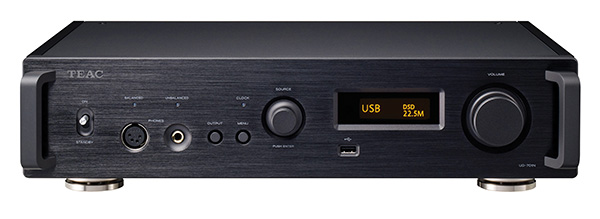
In Gramophone Dreams #88, I described the sound of TEAC's VRDS-701T CD transport as "dense and precise in a way I had never previously heard from digital." I went on to explain, "by 'dense,' I mean there was a tangible corporeality effected by seemingly infinite quantities of small, tightly packed molecules of musical information."
What I noticed most during the review period was the extraordinary volume of data the 701T was vacuuming off those pits and lands and turning into music. As I have gotten to know it better, what I've noticed most is how the 701T sorts and delivers all that data in a manner that makes every DAC I pair it with sound more corporal and dynamic.
As I wrote that review, I wondered how the 701T would perform partnered with its matching UD-701N converter/streamer/preamplifier and how the TEAC flagship DAC's sound character would compare to flagship DACs from HoloAudio, Denafrips, and dCS.
Theta Digital Cobalt 307 digital processor
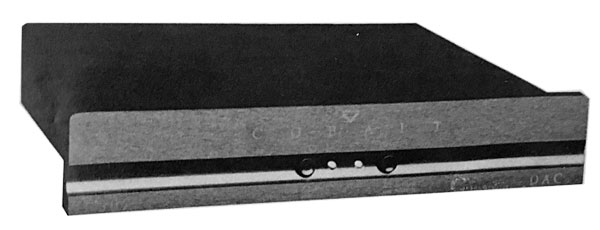
One measure of a high-end product designer's talent is the musical success of his top-of-the-line product. This is his statement to the world of what he can accomplisha kind of "personal best" that defines the upper limits of his talent. Because he knows of no way to make the product better, the component stands as the ultimate testimonial to his skill.
Theta Digital DSPro Basic D/A processor
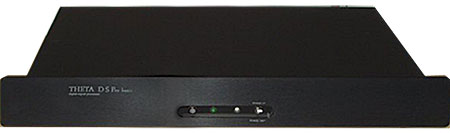
As an equipment reviewer, I find it helpful to talk to audiophiles and music lovers about their systems and upgrade plans. Fortunately, Stereophile's computer supplier and troubleshooter, Michael Mandel, also happens to be an avid audiophile. I say "fortunately" because I rarely get a chance to talk to people who put down their hard-earned money for hi-fi components. Instead, I usually converse with equipment designers, technicians, and marketing types, hardly people who reflect the buying public. It is thus a valuable education to get feedback from real-world consumers to find out what kind of products they want, their priorities, and how much they're willing to spend for certain levels of performance. They have a view distinctly different from that of the often jaded reviewer who is used to enjoying the best (albeit temporarily) without agonizing over its cost.
Theta Digital Generation VIII D/A converter
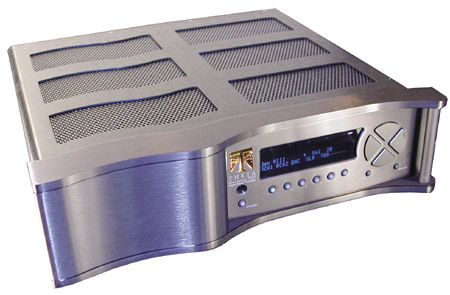
We audiophiles are ever hopeful that, however satisfying our present equipment and setup, we can achieve even greater enjoyment with a tweak or an upgrade. And we never stop: It was only 16 years (and three turntables) ago that I bought what I declared would be my last turntable, and there's no doubt that this "dead" format has improved substantially since then. Now, even as we make another (but less paradigm-shifting) format transition, from CD to SACD and DVD-Audio, new two-channel DACs continue to appear that show us how far we still are from wresting all the music from the original "Red Book" 16-bit CD format. I reviewed the wonderful Weiss">http://www.stereophile.com/digitalsourcereviews/781">Weiss Medea DAC in February 2003, and there are still on my auditioning rack are two more Swiss DACs that might redefine the category: the Orpheus 1 and the Nagra DAP.
Theta DS Pro Generation III digital processor

A visiting manufacturer recently expressed the idea that digital processors and transports are the worst value in high-end audio. He contended that, because they all sound bad, their differences and degrees of imperfection are meaningless. In his view, the very best digital differed very little from the worst. His advice? Buy a moderately priced CD player and enjoy your LPs.