

Oracle Delphi turntable
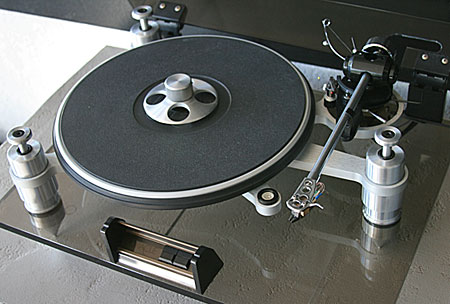
The Oracle Delphi Mk.II ($1250) is both a turntable and work of art. It is a visually stunning product, retaining a level of styling that, in my view, has never been equalled by any other audio component. It also adds enough sonic improvements to the original Delphi that it ranks close to the VPI HW-19, and is superior, in naturalness of sound quality, to the SOTA Star Sapphire.
Pear Audio Blue Kid Howard turntable & Cornet 2 tonearm
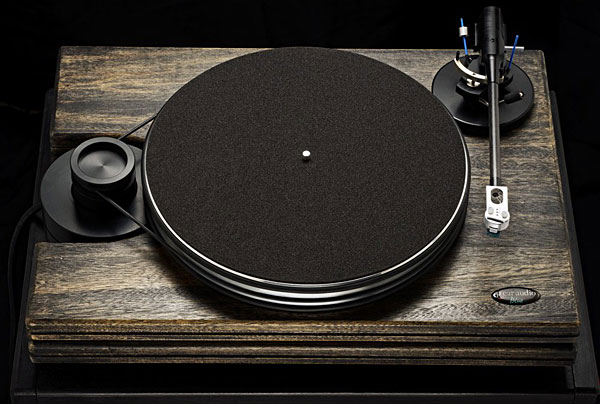
There's nothing new under the sun, or so we are told. Nevertheless, in the early 1990s, a British designer named Tom Fletcher upset the audio status quo with a turntable that combined otherwise-familiar elements in a manner that was, at the very least, new with a lower-case n. Fletcher's product, the Space Deck, was perhaps the first original design in British phonography since the Roksan Xerxes of 1985; and his company, Nottingham Analogue, went from nothing to something in no time at all.
Pro-Ject Debut Carbon EVO turntable
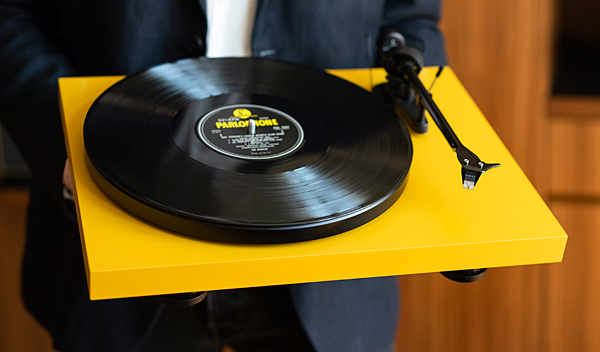
A few months ago, a friend asked me to recommend a record player. This friend knows and loves music as much as I do; when he visits, we spend our time drinking wine and listening to records. Last time, it was Scott Walker, Fela, Joni Mitchell, Jacques Brel, Burzum, and both glorious sides of The Chronic.
"How much do you want to spend?" I asked cautiously. His answer: $500, tops.
Pro-Ject Debut III record player
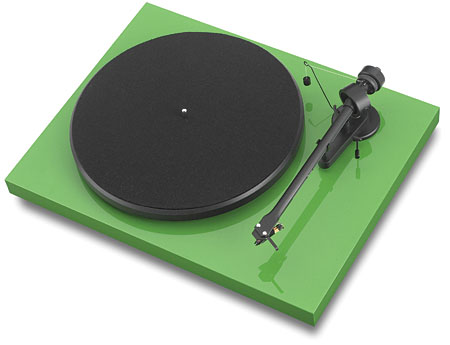
In the January 2010 issue of Stereophile I gushed">http://www.stereophile.com/integratedamps/marantz_pm5003_integrated_amp… effusively about the $450 Marantz PM5003 integrated amplifier. Not only was I impressed with the sound, build quality, and features of this very affordable component, but, intrigued by how it might be combined with other gear to build a complete entry-level system for about a thousand bucks, I began to ponder other entry-level components that might nicely complement it. My goal here, of course, is to inspire a new generation of young audiophiles. I felt a turntable would be a good place to start.
Pro-Ject Debut PRO record player
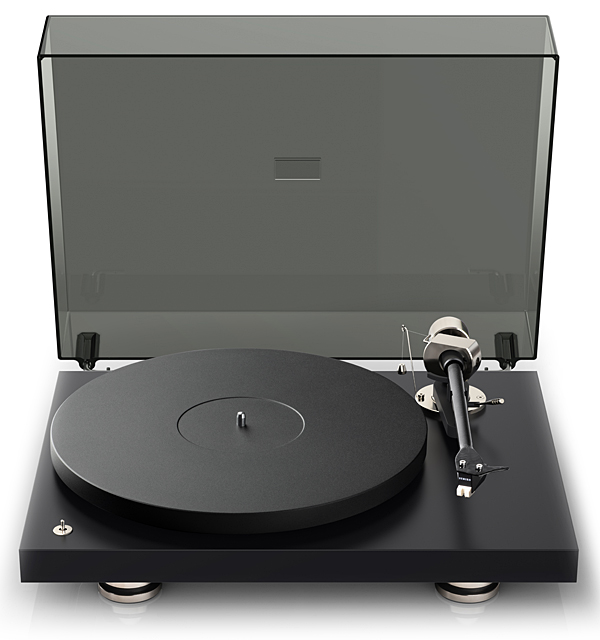
I enjoy few things more than setting up a turntable. Whether it's for myself or for a friendwhether it's a budget model with a layered MDF plinth and nonadjustable tonearm, or a megabuck, state-of-the-art behemothI relish the ritual.
Back in the day, I used to huff and puff, scream and shake, thanks to the heebie-jeebies I'd get when attempting to raise a turntable to ultimate performance. But with experience comes wisdom. My buddy and Sound & Vision contributor Michael Trei makes turntable setup look like child's play. I've learned by watching Mike that, when a turntable setup tries your patience, the thing to do is keep calm and carry on.
Pure Fidelity Harmony Record Player
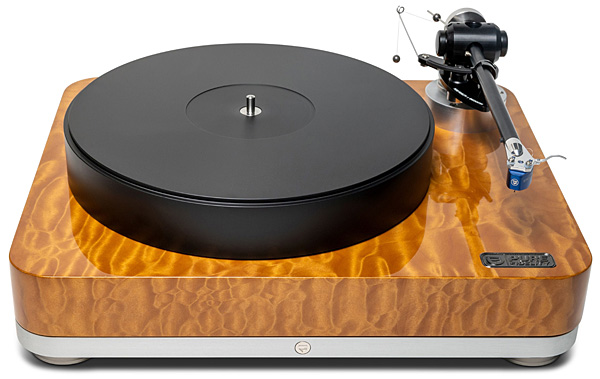
When scouring the labyrinthine halls of big audio shows for products to review in Stereophile, I use three main markers to determine which rooms to visit: a must-hear designation from Editor Jim Austin; a company or brand whose products always light my fire; and systems fellow Stereophile correspondents have described, in a text or an in-person conversation, as worth checking out. Other times, though, I just follow my nose.
Rega P1 record player
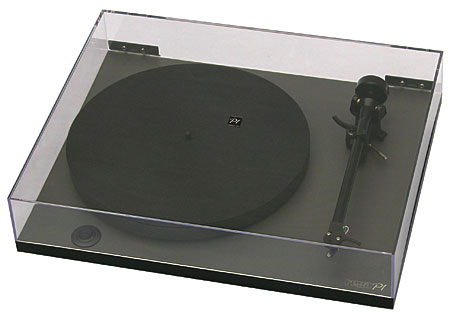
For a word that first appeared in print only 35 years ago, prequel has a lot of impact—if only in a commercial sense. The television series Smallville has become a staple of American broadcasting. Film producers gambled millions on the chance that audiences would want to know what happened when Batman began. And while moviegoers have turned their backs on the apparently awful Hannibal Rising, the book of the same name is doing brisk business indeed.
Rega P3-24, RB301, & Elys 2 turntable, tonearm, & phono cartridge

It's now been eight years since a Rega P3 turntable passed through my listening room. While the new P3-24 superficially resembles the P3 (and virtually every other Rega 'table), the company has made some significant changes, including upgrading to the high-quality, low-voltage (24V), electronically adjusted motor used in the more expensive P5, P7, and P9. As in those models, an electronic circuit trims the phase angle of the P3-24's motor coils, thus substantially reducing motor vibrations. In 1998, during a factory tour, a Rega engineer demonstrated the circuit's effectiveness to me. As he adjusted the circuit board's pot, vibrations from the motor dramatically decreased, until it was difficult to tell if the motor was spinning or not. Back then, this "hand-trimmed" motor technology was available only in the P9. The P3-24 uses a less sophisticated version of the same basic idea.
Rega Planar 25 turntable
I literally dropped everything when Rega's new Planar 25 turntable arrived a few weeks ago. I'd heard the 'table compared with the Planar 3 at designer Roy Gandy's house when I visited Rega last fall—see "Analog Corner" in the January '99 Stereophile—and was anxious to audition it in my own system and tell you what I heard.
Rega Planar 3 turntable
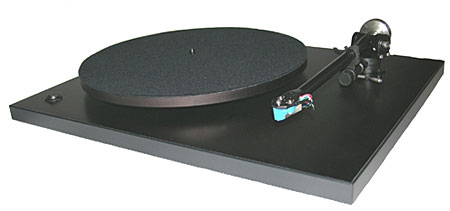
Among British turntables, there is the Rega Planar 3, which sells here for $550 (approximately double the UK price). I've owned a Rega for three years and know it well.