

Kirksaeter Silverline 60 loudspeaker
One of the nicest surprises at any audio show is encountering a new—to me, at least—manufacturer whose products seem to stand out from the competition. At the 2002 Consumer Electronics Show, one such standout was the Kirksaeter line of loudspeakers from Germany. I spent quite a few minutes listening to and enjoying the performance of these modestly sized and priced speakers, but since my writing assignment was electronics, I tucked the experience away in the back of my mind and moved on.
Klipsch RB-15 loudspeaker
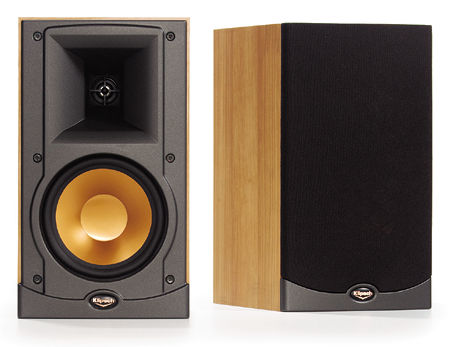
Bob Reina has been doing more than his share of reviewing inexpensive speakers in the past couple of years. I thought it only fair to shoulder some of the load, therefore, by reviewing a small design that had sounded interesting when I heard it at a press preview, the Klipsch RB-15.
Klipsch Reference Premiere RP-600M loudspeaker
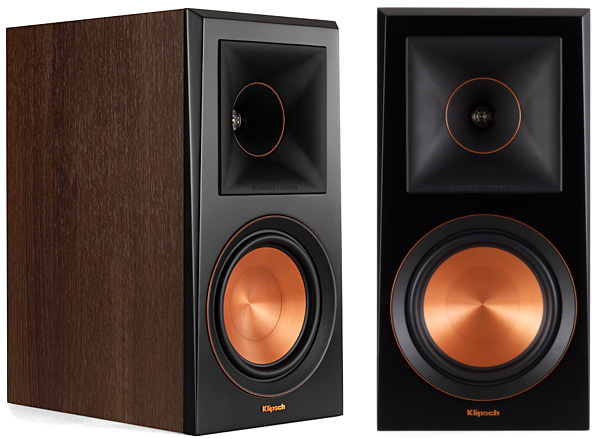
If you've ever dipped your toe into some form of high-performance motor sport, you know: The best race-car engines spin torque and exhale horsepowerwith intoxicating ease. They're engineered to be responsive. Depress the clutch, toe the throttle, and watch the tachometer instantly pin itself. Engage the clutchyour chest contracts and your head gets light. Then later . . .
Back in your Ford Fiesta, its revving engine sounds distant, muffled. Your body can't feel the powerplant's power. In gear, the Ford feels soft and hesitant, not responsive.
Klipsch The Nines integrated loudspeaker system
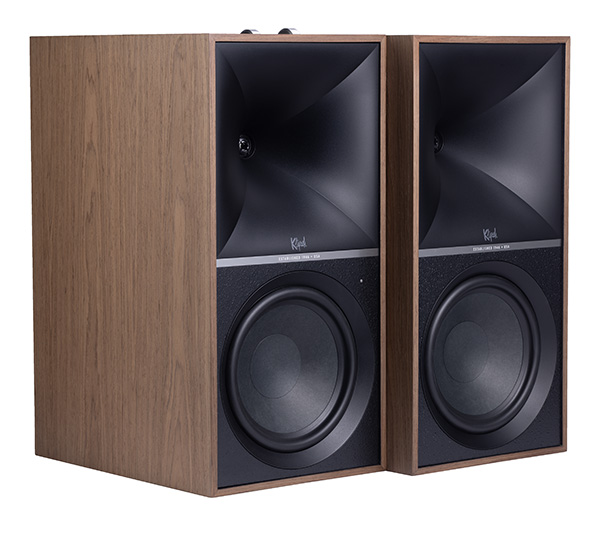
Do you remember your first really decent hi-fi system? It opened up your music, teased your brain with the possibilities of thrilling aural excitement, of dives to the bottom of the musical ocean. Perhaps it was all you needed, but more likely it was the beginning of a quest for your own ultimate sound-induced bliss.
That quest may be ongoing and never-ending, because our tastes and preferences evolve over time, money comes and goes, and we're simply never satisfied. And even if we are, eventually, we're audiophiles, and the industry always offers something interesting and new, or something old that's new again.
My time with a pair of Klipsch The Nines speaker-gadgets reminded me of the exciting, youthful bloom of my first serious sound system: a Technics SL-D2 turntable with Audio-Technica cartridge, a Philips 45Wpc receiver, and New Advent Loudspeakers.
LAiV Harmony µDAC D/A processor

Today I'll be describing an "acorn" DAC, the least-expensive yet. LAiV Audio's new µDAC is small, costs just $994 ($1049 as of January 1 2026), and is dancing at the same party as the high-intensity, high-priced DACs. It offers listeners a unique perspective on what quality digital can sound like.
Leak Stereo 230 integrated amplifier

Sometimes I think expensive componentsI'll let you decide what constitutes expensiveshould come with a big red sticker on the box that reads "WARNING! This product will probably not meet your expectations!" That's because when you spend a lot of money on something, you expect that something to have no flaws and to sound nigh perfect. Why else would you have paid so much? As you gaze at it, touch it, and listen to it, it constantly reassures you that you made the right decision by picking it over all the other, less pricey candidates. It has to be unambiguously better than any component of its nature that has passed through your system, or else, what was the point in all that upgrading?
Prior to this review, I had expectations about the product under review, the Leak Stereo 230 ($1695 with the walnut enclosure), based on, among other factors, price.
Lindemann & Stello USB-S/PDIF converters
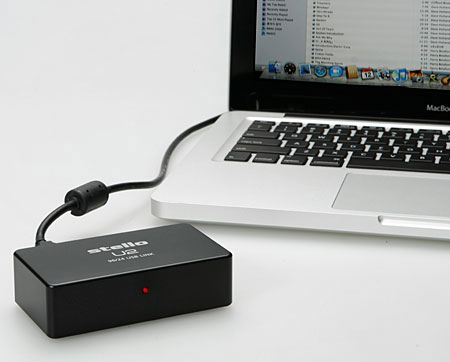
As someone who wrestled endlessly with the nine-pin serial ports and the RS-232 protocol with which early PCs came fitted (footnote 1), I welcomed the Universal Serial Bus (USB) interface when I first encountered it a decade ago, on the original Apple iMac. Plug it in. Don't worry. Be happy. The computer peripherals work as they should, which was often not the case with RS-232. It was a given, therefore, that the then-new USB port would be seen as a natural means of exporting audio data from a PC (footnote 2), but the first generation of USB-connected audio devices offered disappointing performance.
Linn Majik 109 loudspeaker
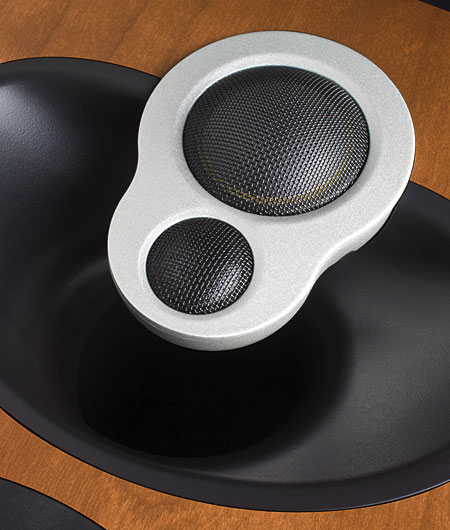
I've always wanted to review a Linn product.
Listening #4
We were having trouble with the power in our home—the wall current, I mean, not the dynamics of our marriage—so I called the local utility. While the technician was here, he let me watch what he was doing. I had a chance to look inside our meter box, which is the junction between the utility's power lines and the circuit-breaker box in the cellar.
Listening #47
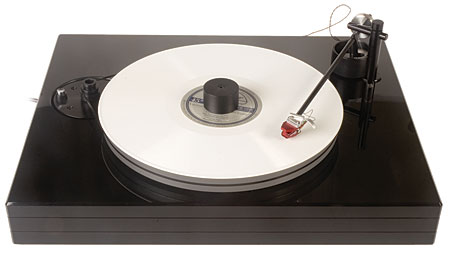
"Hail, mortal!"
—Michelle Pfeiffer as Titania, reacting to Kevin Kline as Bottom, when he succeeds in operating a phonograph
—Michelle Pfeiffer as Titania, reacting to Kevin Kline as Bottom, when he succeeds in operating a phonograph