

Totem Acoustic Element Fire V2 loudspeaker
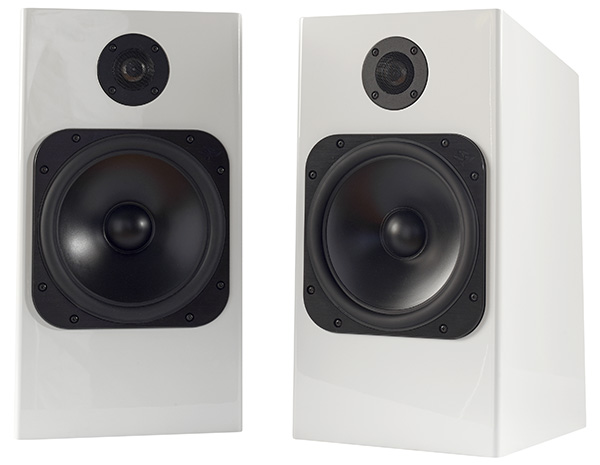
Totem Acoustic was founded in 1987, in Montreal, Canada, by a former high school math teacher named Vince Bruzzese. The company's first product, the Model 1 loudspeaker, impressed me so much I bought a pair.
These little boxes steered the music straight into my brainjust like Quads and Snells...Today, those speakers look and sound like vintage pipe-and-slippers standmounts. This is especially true when compared to Totem Acoustic's brand-new Element Fire V2. Totem's new Fire looks Maybach-level glossy, and windswept, and trés moderne, but also smart and down-to-business, as befits its made-in-Canada roots.
Totem Acoustic Mani-2 loudspeaker
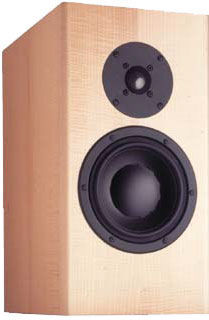
Following my review of two high-performance minimonitors last November (footnote 1), I received a letter asking why I recommended a stand-mounted speaker at all when it was possible to buy a floorstanding design with more bass for the same amount of money. Furthermore, the correspondent went on, when you consider that the minimonitor sitting on its stand occupies as much floorspace as the floorstander, it's hard to see why a market for minimonitors exists at all.
Totem Acoustic Model 1 loudspeaker
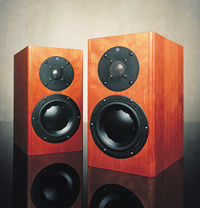
The word totem is powerful in its own right. Totems have conscious and unconscious meanings, depicting powerful supernatural forces in nature and within us. Native Americans of the Northwest Coast tribes, starting with the Chippewa, or Ojibwa, used the term for the animals or birds associated with their clans. Tall wooden columns were carved with the clan totem, which could be a bird, fish, animal, or plant. Later, the Kwakiutls of the Pacific Northwest held feasts called Potlatches, during which poles carved with family and clan emblems were erected. Totems were also involved in worship and rites of passage. So elemental were the forces depicted by these symbols that Freud used totem to depict basic cultural laws, both spoken and unspoken, that guide daily behavior and proscribe what remains forbidden. It is fitting that the Totem loudspeaker reviewed here comes from Canada, the home of the enduring Kwakiutl Potlatch, where totems were so powerful.
Totem Acoustic Rainmaker loudspeaker
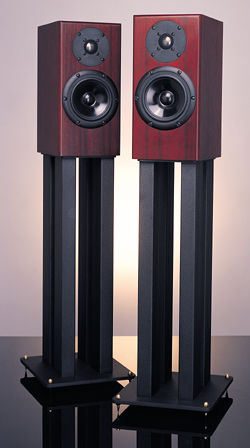
I have concluded that I am blessed.
Totem Acoustic Signature One loudspeaker
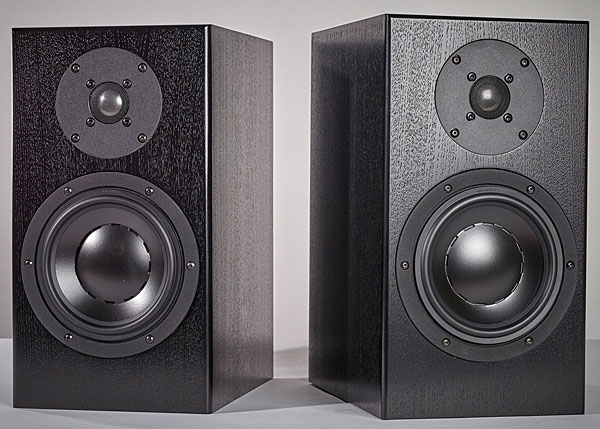
New York City, 1989: I had a music and audio-guru friend named George, who worked at both Tower Records and Stereo Exchange. Every Saturday I'd slip him a Grant and, over the following week, he would choose $50 worth of used Tower LPs he thought I should own. One midweek afternoon, on my way home from work, I dropped in on George at Stereo Exchange, to chat and maybe see what was new. Grinning, he led me to a back room and pointed to a pair of small speakers mounted on stands. "Tell me what you think of these." He walked out and left me to listen alone.
Totem Acoustic Skylight loudspeaker
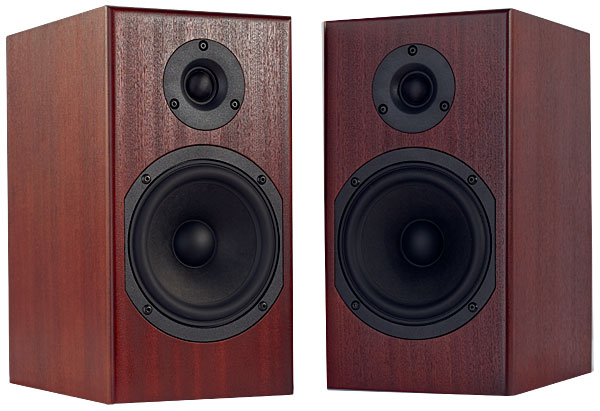
Reviewing a new loudspeaker from Totem feels like destinyas if a formative moment 30 years ago has come full circle. That's because the first genuine audiophile speaker I ever owned was Totem's now-iconic Model 1, a product whose arrival altered many audiophiles' expectations of how much greatand wide-rangesound a small speaker can deliver. It's still being made today, at least in spirit.
Totem Acoustic Tabù loudspeaker
I first heard the Totem Acoustic Tabù loudspeakers at HI-FI '96, Stereophile's Home Theater & Specialty Audio Show at the Waldorf=Astoria in New York City last June. A startlingly realistic vocal recording drew me to Totem's sixth-floor demo room. Vincent Bruzzese, the speaker's designer, was playing Michael Jonasz singing "Si si si le ciel" from la fabuleuse histoire de Mister Swing (WEA 2292-42338-2, imported by May Audio Marketing). The small, two-way Tabù cast a holographic, palpable musical image with clear highs and sizzling dynamic pace. I was bitten, and set things in motion for this review. And two other things drew me to the Tabù: its capacitor-less crossover and its similarity to Totem's Model">http://www.stereophile.com/standloudspeakers/820">Model 1.
Totem Dreamcatcher loudspeaker
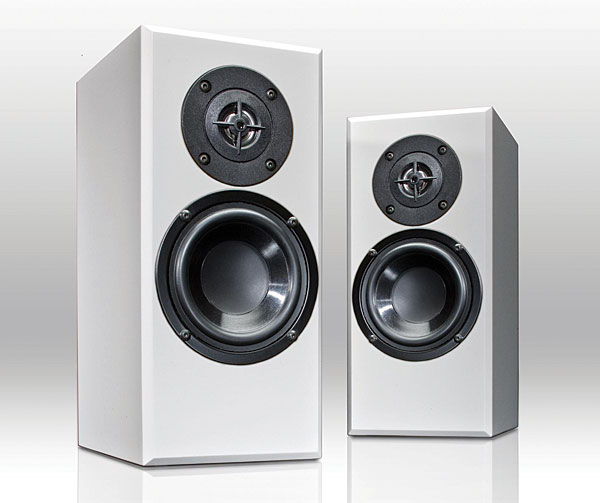
The two-way, biwirable, rear-ported Dreamcatcher is designed and manufactured in Canada; its drive-units are designed by Totem, but made and assembled in Europe. The 1" titanium-dome tweeter, manufactured by German Acoustik, is mated to a 4" Scan-Speak woofer. Totem founder Vince Bruzzese feels very strongly about sourcing his drivers in the West. In the past, he got his small woofers from Peerless in Denmark, but switched to Scan-Speak when Peerless started manufacturing in China. Bruzzese also pointed out that the tweeter used in the Dreamcatcher costs him 16, more than 15 times as much as most similar Asian-made tweeters.
Trenner & Friedl Sun loudspeaker

Roughly half the size of a breadboxremember those?the Trenner & Friedl Sun ($3450/pair) is arguably the smallest stand-mounted loudspeaker presently available for serious home listening: only 8.5" high by 6.25" wide by 5.5" deep and weighing just 7.5 lbs. The Sun is the entry-level model from this Austrian loudspeaker manufacturer, and its ported, solid-birch cabinet is designed and built to golden-ratio proportions (footnote 1) It has a single, coaxial driver from SEAS and a crossover made by Mundorf. The Sun boasts a frequency response of 55Hz25kHz, +0/3dB; friends of mine have heard the speaker plumb remarkable depths when paired with the right amplifier. And though they're barely bigger than a pair of Audeze LCD-4 planar-magnetic headphones, the Suns do play louder!
Triad Design System Seven satellite/subwoofer loudspeaker
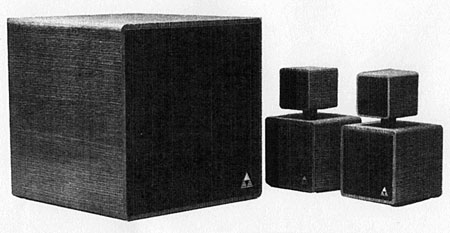
Triad Speakers has been designing and manufacturing three-piece (woofer and two satellites) loudspeaker systems since 1982. The company was formed that year by designer Larry Pexton and has enjoyed steady growth in their market niche. Their original three-piece loudspeaker was a collaboration with Edward M. Long, of "Time-Align" fame, and Ron Wickersham. It was felt that the ideal loudspeaker would have the least cabinet interference, thus the design decision to keep the woofer separate and the midrange/tweeter enclosure small. Triad speakers were selected for inclusion in the Consumer Electronics Show's Innovations 1990 Design and Engineering Showcase, the sixth time the company's products have been selected for this award.