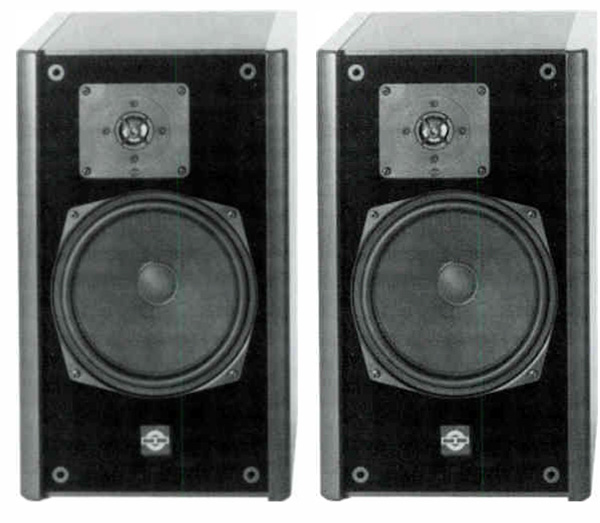
A new name to me, West German company MB Quart GmbH is, in fact, the reincarnation of the Peerless loudspeaker company that until 1983 used to be owned by New Yorkbased Electro Audio Dynamics (EAD). The company has been in existence for over 20 years and under either name has an excellent reputation for its drive-unit technology, MB being one of the first manufacturers to offer an OEM metal-dome tweeter. Their 1" titanium-dome unit, for example, was featured in Dick Olsher's Dahlia-Debra DIY design (footnote 1), and I became quite enamored of the effortlessly clean nature of that speaker's treble.
Analog Corner #265: Notes from the Road (Hi-Fi Shows & MQA)
Sep 06, 2022First Published:Sep 01, 2017
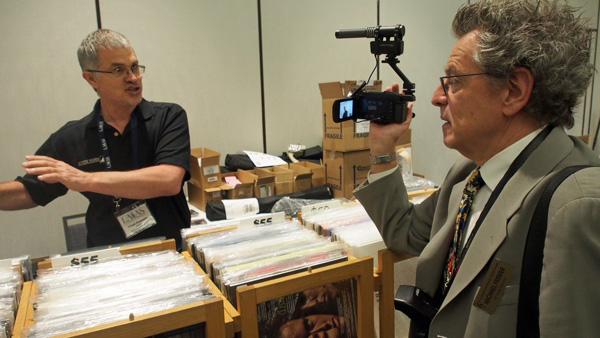
At audio events held by the Los Angeles and Orange County Audio Society, I'm usually called on to speechify about one thing or another, or to roast an honoree at one of the Society's December Galas. But at the spring 2017 Los Angeles Audio Show, Bob Levi, the Society's president, quipped, "This is one awards dinner where you won't have to entertainso relax and enjoy!"
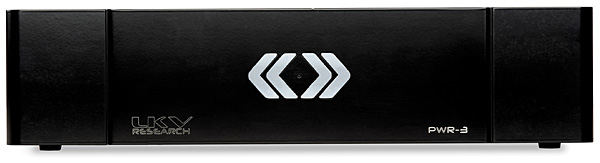
Reviewing LKV Research's Veros PWR+ power amplifier in the September 2020 issue, Senior Contributing Editor Herbert Reichert enthusiastically opined, "the class-D LKV amp played equally rich and atmosphere-soaked through the entire audio band. It did atmospheric dreamy like class-A does atmospheric dreamy." Herb concluded, "Sound quality and music enjoymentwise, the LKV Research Veros PWR+ amplifier sits on a higher mountain than any other class-D amp I've encountered."
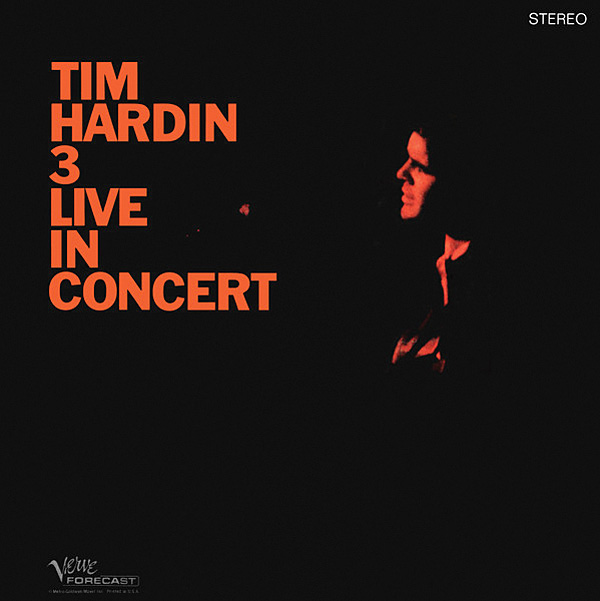
It would have been in the spring of 1967 that Tim Hardin's music first wafted in over my transom. I was 13. My older brother, who loved Hardin at least as much as I did and was something of a fetishist besides, forbade me to touch his copy of Hardin's debut album, Tim Hardin 1, not even the jacket. He had to be present when I auditioned it. Tim Hardin 2 didn't especially float my boat, so my brother had it to himself. But the moment I heard Tim Hardin 3 Live in Concert, I took matters into my own hands, so to speak, and plunked my own $5 down.
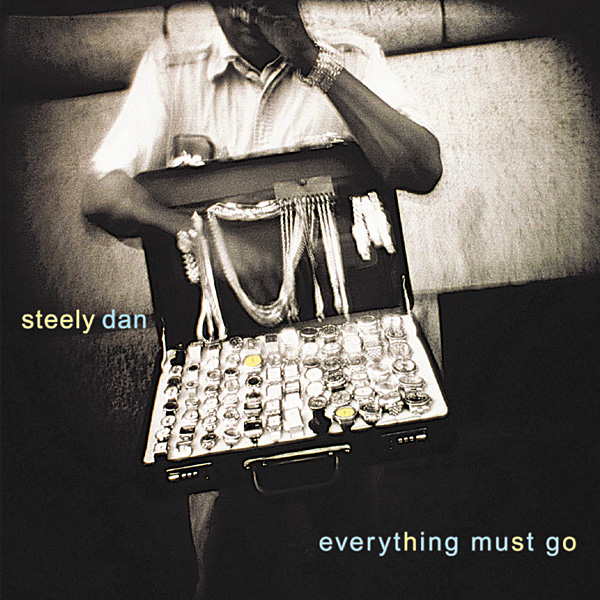
Steely Dan's last two studio albums, Two Against Nature (2000) and Everything Must Go (2003), are anomalies. The music is stellar, at or near the level of the band's best early work, but it's almost unknown, even among fans. (Back in 2011, one night of a week-long gig at the Beacon in New York City was supposed to highlight songs from these two albumsthe program was called "21st-Century Dan"but the idea was dropped when almost nobody bought advance tickets.)