Dave Grohl deserves respect if for no other reason that he’s gone from playing drums in Nirvana (i.e. staying with Kurt and Krist) to playing guitar and being the singer and loquacious front man of The Foo Fighters. That last quality however, being a tawker, combined with his burning need to be in the spotlight (is there a musical event he’s not a part of?), also makes Grohl nauseating at times. Clearly, the concept of overexposure never enters his mind.
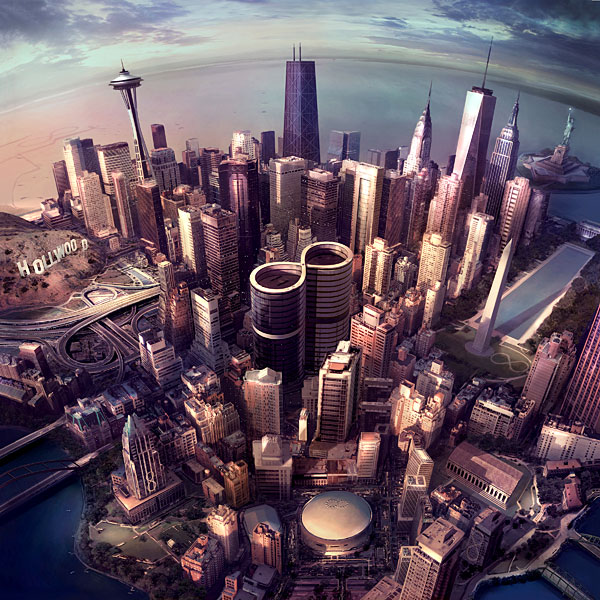
Between tree trimming, over imbibing and driving my wife to the brink of full blown mental illness with the up down, jet engine-like roar of the trusty and everpresent VPI 16.5 record cleaner, I’ve spent the time since Thanksgiving catching up on my Dave Grohl, specifically, Grohl’s HBO rockumentary series, Sonic Highways. Here is a man who could endlessly stare into a mirror with little to say other than the not so subliminal—LOOK!, LOOK!, LOOK!, DAVE GROHL! HE’S SUPER COOL! And yet the hair, the beard, the faux self-deprecation he evinces when he sees old photos of himself, especially those taken during his unfortunate hat period (“What a fucking asshole,” he says in one episode pointing at a photo of himself in a hat), has not dragged down what is a pretty fabulous series on American music as he and the band traveled to the country’s most musical cities, where he serves as interviewer and narrator for a short but on target and respectably deep and informative survey of that city’s popular music history. He then records a tune with the Foo Fighters in a storied studio in each of these same chosen burghs. The tracks were then combined into an album also called Sonic Highways, which like most Foo Fighters records (with the possible exception of The Colour and the Shape), is loud, overdriven rock that sounds a lot alike and lacks any memorable hooks. Like Jack White’s many activities on Third Man Records, particularly his recent restoration of the Paramount Records catalog, Grohl’s respect of what came before, for the vital history of American popular music is super commendable, exemplary even. But unlike White who has the good taste to be a semi-recluse, Grohl loves being a public persona. Too much.
When the Sonic Highways films stick to music history however, they are absolutely excellent. In many cases the vintage footage included in each episode is outrageously great. In the Austin episode for example, the 60’s TV footage of Roky Erickson is rarely if ever seen. The same goes for Tom Waits playing Austin City Limits, which has never been commercially released and is probably the most requested bit of ACL footage and audio yet to be released. In every case all the right people are interviewed. In Seattle for instance, producer/engineer Jack Endino, wacko studio owner Robert Lang, Sub Pop founders Jonathan Poneman and Bruce Pavitt, photographer Charles Peterson are all interviewed as are Nancy Wilson from Heart and Larry Parypa from The Sonics.
In the series finale which focused on NYC, the well-worn tale of the musical history of Gotham was told complete with among others, Woody’s daughter Nora Guthrie, Paul Stanley of KISS, Thurston Moore of Sonic Youth, a rare interview with Rick Rubin and Steve Rosenthal owner of the recording studio, The Magic Shop. While the tangent on the underground streams that run under Manhattan, and impeded Jimi Hendrix from building Electric Lady Studios was fascinating, there were some notable omissions in this episode (I'm a New Yorker, of course there’s something wrong) beginning with just a slight mention of jazz (by Thurston Moore) and continuing through the usual Manhattan centric viewpoint. When the discussion turns to the future of New York music, all we hear is one lame-assed comment from James Murphy of LCD Soundsystem about being 44 years old and never going out at night. I mean WTF? Anyone ever hear of Brooklyn where there endless combinations of cellos, computers and live drums, not to mention trumpets, pedal steel guitars and singers (able and not so much) plowing brave new turf every night? Clearly, this was an enormous subject, and cuts had to be made for the sake of clarity and brevity, but damn Dave, did all this wonderful American music you respect and are so in love with really stop in 1989? Other than the brave work of The Foo Fighters, of course, have all the musical frontiers really been closed? The final interview with President Obama was great—what other president living, dead or living dead could use the term “garage band” correctly in conversation?— but it did not save the day. See Sonic Highways for the history, yet be puzzled by the sense that all America’s musical glories are in the past and by Dave Grohl’s desire to be everywhere, ALL THE TIME.