 Listening
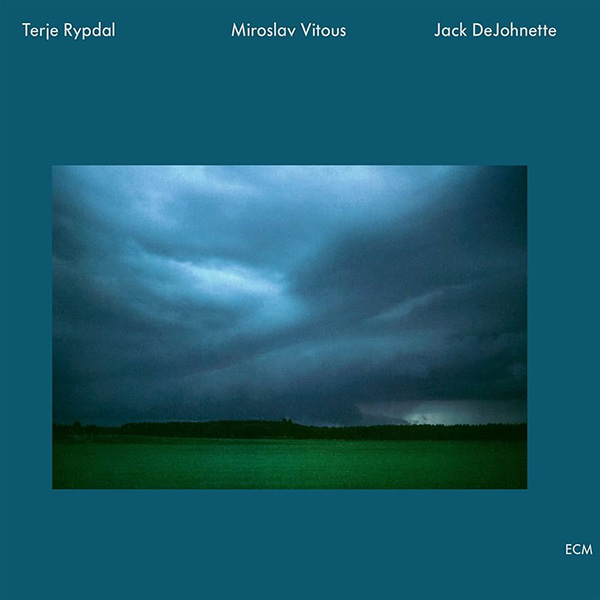
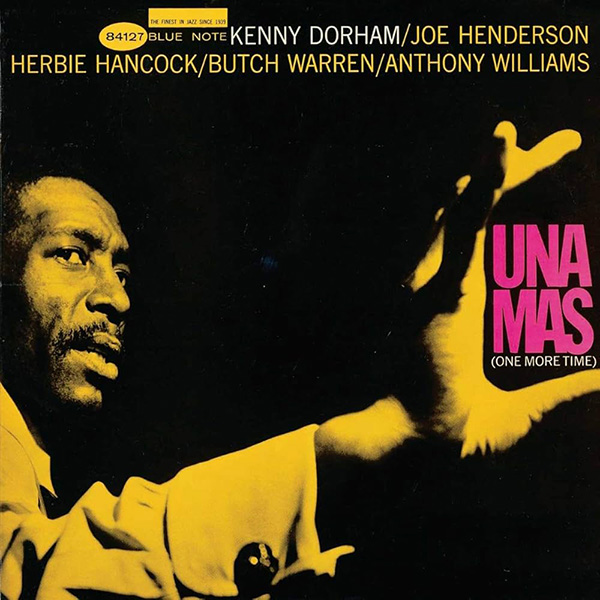
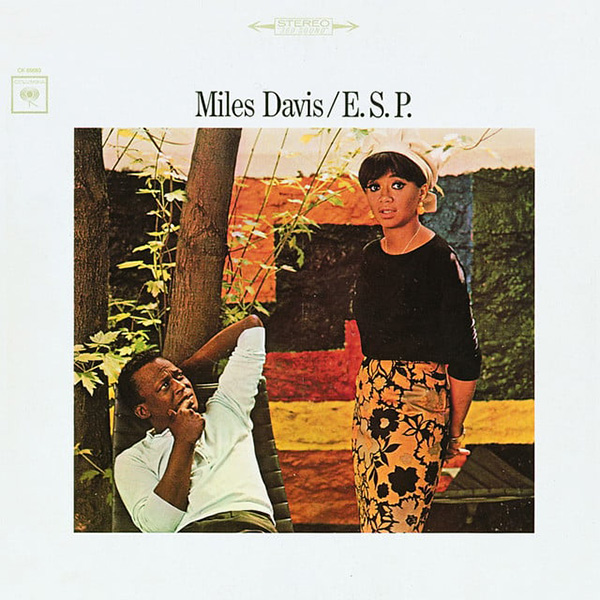
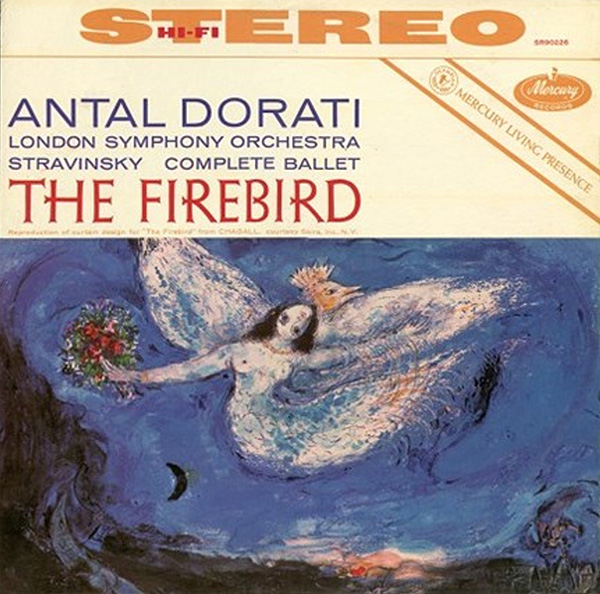
The HFSA-01 played well with all kinds of music, its forward-motion pacing, exacting clarity, and exceptional coherency making it a fine dance partner regardless of the tune. For old-world stereo, I played Guem Et Zaka Percussion (1978, Le Chante De Monde LDX 74674), jazz trumpeter Kenny Dorham's Una Mas (1966, Blue Note Liberty BST 84127), Terje Rypdal, Miroslav Vitous, Jack DeJohnette (1978, ECM 1125), and Antal Dorati conducting the London Symphony Orchestra performing The Firebird (1997, Mercury SR90226). Forq's Big Party (GroundUP) brought 2024 stereo action. Eager to hear the HFSA-1's mono capabilities, I turned to classic mono LPs: Miles Davis's E.S.P. (Columbia CL 2350) and Miles Smiles (CL 2601), Beatles '65 (Capitol T 2228) from the new mono box set, Horace Silver's Silver's Serenade (Blue Note BLP 4131), and Frank Sinatra's Swing Easy! (Capitol W-587).
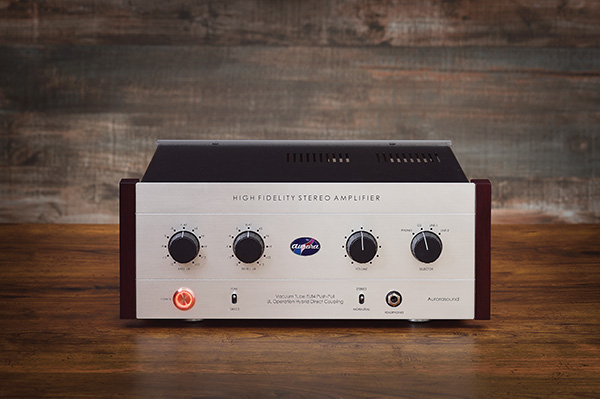
 There was nothing tepid, small, or diffuse about the Aurorasound's delivery. The HFSA-01 played music with liveliness, buoyancy, and rhythmic drive. This smallish amplifier produced sound that was full-bodied, dynamic, and large in scale. With stereo discs, the little amp offered a wrap-around-the-head experience. Instruments were well layered and fleshed out; bass was surprisingly taut and extended. I heard fresh details, arranged in a beautiful, well-organized soundfield.
Next, I removed the Chinook and mounted a Rega Nd3 moving magnet cartridge ($345) which now fed the HFSA-01's internal phono stage. Playing the Blue Note and ECM discs, the wraparound immersion and intricate layering of the previous setup lessened, but the music gained a more raw, visceral quality. The soundstage, though slightly smaller and flatter, was engaging and impactful. It's not apples and oranges to compare a $3068 Kuzma CAR-30 cart into a $3000 Manley phono stage to a $345 Rega MM cart feeding the internal MM stage of the Aurorasound. The ears tell the tale. I found both setups engaging. The HFSA-01 rose to the challenge and delivered fantastic sonic goods.
There was nothing tepid, small, or diffuse about the Aurorasound's delivery. The HFSA-01 played music with liveliness, buoyancy, and rhythmic drive. This smallish amplifier produced sound that was full-bodied, dynamic, and large in scale. With stereo discs, the little amp offered a wrap-around-the-head experience. Instruments were well layered and fleshed out; bass was surprisingly taut and extended. I heard fresh details, arranged in a beautiful, well-organized soundfield.
Next, I removed the Chinook and mounted a Rega Nd3 moving magnet cartridge ($345) which now fed the HFSA-01's internal phono stage. Playing the Blue Note and ECM discs, the wraparound immersion and intricate layering of the previous setup lessened, but the music gained a more raw, visceral quality. The soundstage, though slightly smaller and flatter, was engaging and impactful. It's not apples and oranges to compare a $3068 Kuzma CAR-30 cart into a $3000 Manley phono stage to a $345 Rega MM cart feeding the internal MM stage of the Aurorasound. The ears tell the tale. I found both setups engaging. The HFSA-01 rose to the challenge and delivered fantastic sonic goods.
 Rolling Sovteks
How could I resist the temptation to tweak such a versatile amplifier? I acquired a quartet of vintage EL84 tubes, circa 1960s, that still test well. The amplifier's core character remained intact, but it gained a more expansive sound, richer atmosphere, and finer detail. For just $45, the amplifier's performance and satisfaction levels soared. Aurorasound meets Volti Audio Razz
Greg Roberts's 93dB/2.83V/1m–sensitive Razz floorstanders have long proved reliable audiophile companions. The HFSA-01 drove them effortlessly, unlocking the potential of its compression tweeter and horn-loaded midrange.
 Aurorasound + DeVore Fidelity
John DeVore's Gibbon Super Nines are in-house for an upcoming review, so I couldn't not listen to them with the HFSA-01.
 Returning to Forq's Big Party with the Bob's Devices SUT inline, "Into Bright" played with an even deeper sense of that freakish bass traction. Melody instruments floated in a sun-showered aura, like '80s funk trio Cameo meeting a deranged Akai MPC drum machine with maniacal keyboard and guitar solos. For Big Party, Forq alternated four bass guitar players, two drummers, and two guitarists; on "Into Bright," keyboardist Henry Hey is joined by guitarist Chris McQueen, drummer Jason "JT" Thomas, and bass guitarist James Genus. Forq deserves some of your hard-earned funk dollars.
 Conclusion
The HFSA-01's clearheaded, precise character makes it easy to enjoy. It is very expressive. It delivers the heart and heat of music with a dancelike, easy on its feet, whirlwind intensity. As spirited as a pup, a first-season baseball player, or a minty fresh sportscar, the Aurorasound absolutely zips through music with the kind of speed and dynamics I associate with well-made solid state amps but with the tonal flavoring of the best tube amps.