Music and Recording Features

Sort By:  Post Date TitlePublish Date

Bruckner: Symphony 9 (with Finale)

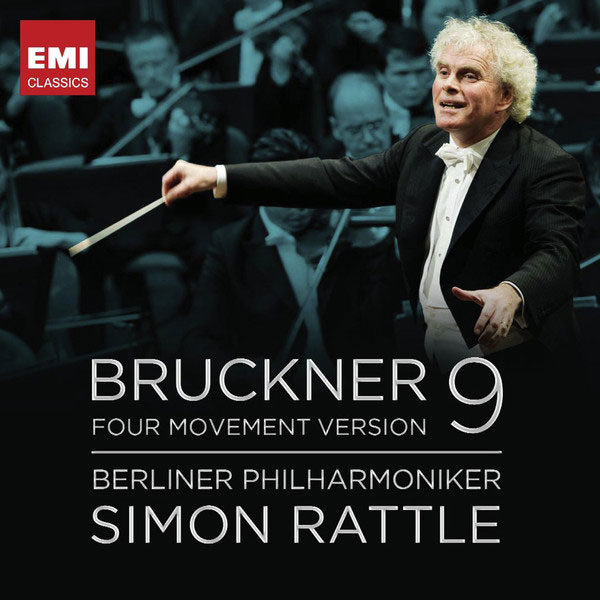
This reconstruction of the Ninth's Finale is the result of 30 years' work by Bruckner scholars Nicola Samale, John A. Phillips, Benjamin-Gunnar Cohrs, and Giuseppe Mazzuca (SPCM). (See March 2010 feature story.) For this new "Conclusive Revised Edition 2012," SPCM shortened by 18 bars the coda, of which little of Bruckner's writing survives, and reworked it to include, based on Bruckner's description, a development of the trumpets' "Alleluia" in bar five of the Adagio. This works well, though the coda now seems a bit short. A further "final" edition is in the works.

Center Stage: Guitarist Albert Lee in surround sound

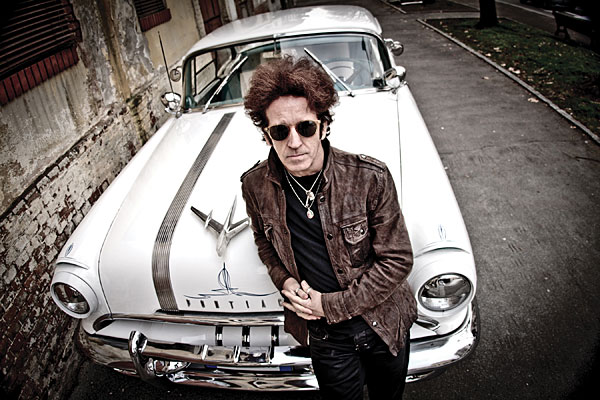
Humble, unprepossessing, modest are not words normally associated with lead guitarists, or lead singers, or lead anything. But Albert Lee, the Fender Telecaster devotee, has, by all accounts, always been refreshingly down to earth. The other unusual quality about Lee is that he's an English guitarist who, in country music, can hold his own against any American player.

The Solti Ring Remastered...Again

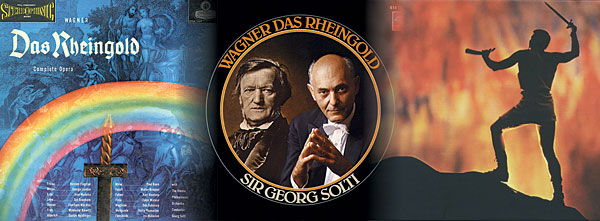
A few conductors have perhaps equaled Georg Solti in their conducting of Richard Wagner's baton-breaking Der Ring des Nibelungen—Karl Böhm, Daniel Barenboim, Herbert Keilberth, and Reginald Goodall have all had coherent visions of the work which they were able to translate effectively to disc. But no one has ever equaled what Solti, producer John Culshaw, and what looks increasingly like a hitherto unsuspected golden age of Wagner singers, together accomplished: what is still the recording art's crowning achievement.

EMI Remasters Its Classical Catalog for SACD

It's the first rule of being a stereophile: sound quality is serious business. Simon Gibson, one of the engineers at Abbey Road Studios who worked on EMI's new Signature Collection of hybrid SACD/CDs, knows the drill: remaster and change the sound of a much-loved classical recording from the label's glorious back catalog and you risk becoming a target of blogs and forums. Gibson's aware that the more hallowed the recording, the more quickly knives come out at the mention of remastering.

Rush: Working Men

"We tried to do some work between the legs of . . .

"Ummmm . . . that sounds weird."

Rock musicians—do they ever think about anything but sex?

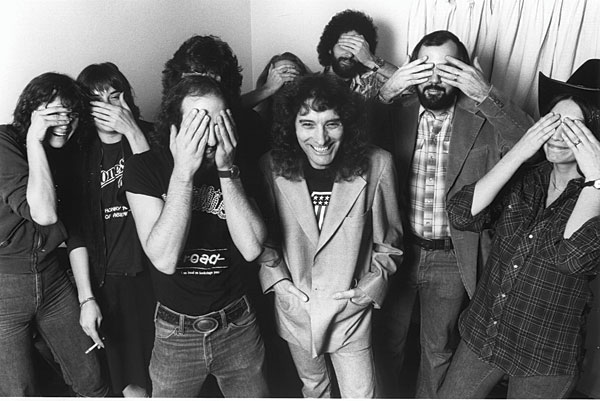
Rush guitarist Alex Lifeson chuckles. He explains that what he meant to say was that he, singer-bassist Geddy Lee, and the exalted, formerly mustachioed object of Planet Earth's most fervent drummer cult, Neil Peart, were trying to write songs during a break in a recent tour.

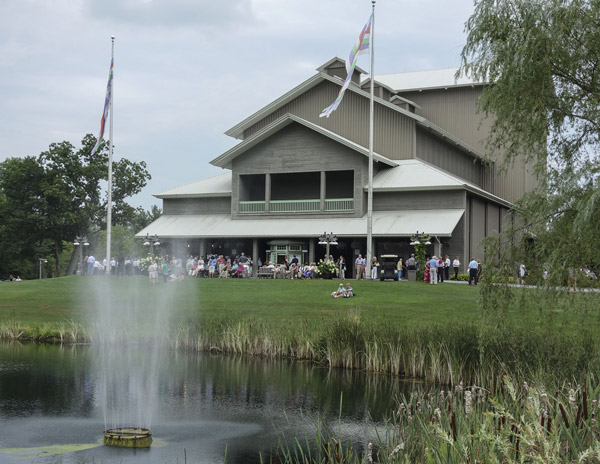
Visiting Glimmerglass Opera

I'm a great fan of the musical theater: musicals, operetta, and opera, more-or-less in that order. A typical summer vacation for my wife and me involves driving from Toronto to the East Coast, stopping off to see musicals (and some plays) at places like the Barrington Stage Company in Pittsfield, MA, the Goodspeed Opera House in East Haddam, CT, the Paper Mill Playhouse in Millburn, NJ, , and the Ogunquit Playhouse in Ogunquit, ME. The Glimmerglass summer opera festival, near Cooperstown, NY, is not far from the route we usually take, but I never thought of visiting it because my impression has been that they specialize in performances of modern and obscure operas, which are not quite our cup of tea.

My discovery of the fact that Glimmerglass has greatly expanded the range of its offerings came about through sheer serendipity. . .

A Fine Art: The Mercury Living Presence Recordings

It is perhaps the most cherished tale from hi-fi's primordial past: In 1951—when music was first being recorded on magnetic tape, when the use of much-improved microphones became a mix of science and art, and when Stereophile's founder, J. Gordon Holt, was still a little nipper, years away from his first martini (though I wouldn't swear to that)—the team of Robert (Bob) and Wilma Cozart Fine began to build a legendary catalog of recordings of classical music. It eventually included the work of conductors Rafael Kubelik, Antal Doráti, and Frederick Fennell; the Chicago and Minneapolis symphony orchestras; the pianists Byron Janis and Gina Bachauer; and the cellists Mstislav Rostropovich and János Starker—all released with often wildly colorful covers under the still-evocative title of Mercury Living Presence.

Book Review: Norman Granz: The Man Who Used Jazz for Justice

Norman Granz: The Man Who Used Jazz for Justice
By Tad Hershorn. Berkeley: University of California Press, 2011. 470pp. Hardcover, $34.95.

One night in 1942, Billie Holiday was singing at a Los Angeles nightclub. Between sets, she crossed the street to have a drink with Norman Granz. She was in tears because some black friends who had come to hear her had been turned away.

Chad Kassem Brings the Blues to Salina

Up on the old church altar, under the ceiling's massive and ornate wooden arches, in front of an array of stained glass whose center panel has been replaced with a modern rendering of a trio of bluesmen, singer and harmonica player Phil Wiggins and singer-guitarist Corey Harris are nearing the end of their set. Wiggins pauses, looks at his watch, and smiles.

"Time flies when you're playing blues in a church."

Advertisement
Advertisement
Advertisement