Integrated Amp Reviews

Sort By:  Post Date TitlePublish Date

AVM Ovation A 6.2 ME integrated amplifier
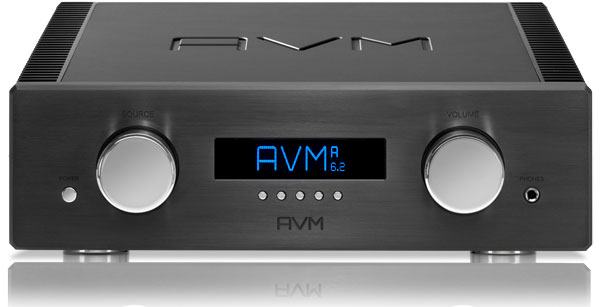
During my 100 years on earth, I've owned mostly separate amps and preamps, but only because that is where I started—or I should say, that is where my audio-savvy friends directed me when I began asking for guidance. Nevertheless, the audio system I've used the longest (unchanged for almost 10 years) consisted of 1984 Rogers LS3/5a loudspeakers (15 ohms, with factory wall mounts) powered by a proletarian-looking Creek 4330 integrated amp sourced by an Oppo CD player.
Two Recent FollowUp Reviews

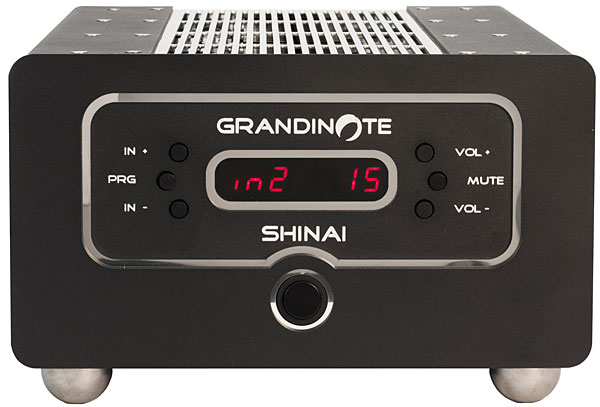
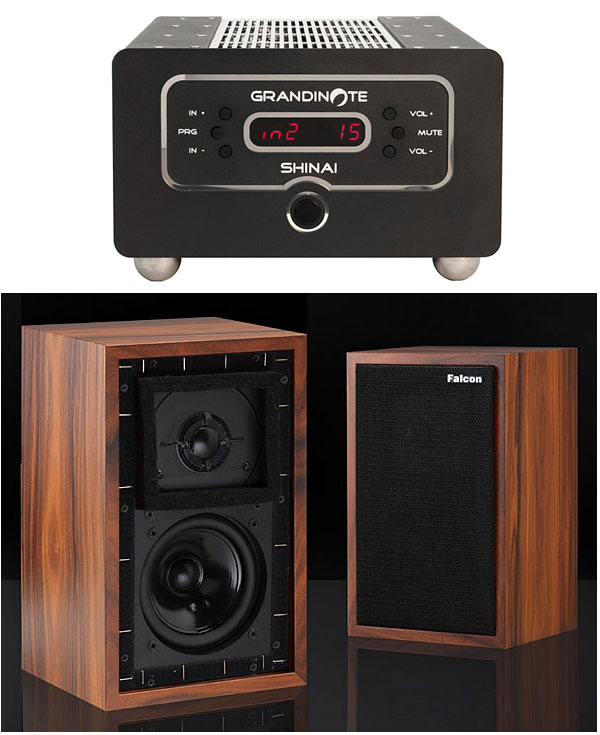
Stereophile has reviewed two somewhat controversial products in recent issues. The Italian Grandinote Shinai integrated amplifier, which Robert Schryer wrote about in November 2020 is a solid-state design but with an output stage that resembles that of a typical push-pull tube amplifier. Falcon's "Gold Badge" edition of the BBC-designed LS3/5a minimonitor, which Herb Reichert reviewed in April 2021, is a re-engineered version of a design that will soon be celebrating its 50th birthday.

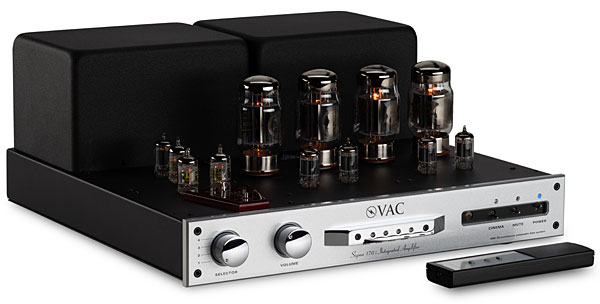
VAC Sigma 170i IQ integrated amplifier

All my earliest hi-fi memories involve tube amplification: as a young girl, staring at the tubes' glowing filaments and listening to music with my audiophile father. I was mesmerized by the glow of those tubes, too hot to touch, but even more so by the music, which often was classical or opera. How those tubes worked was a mystery to me, but I knew they played a big part in the magic coming from the speakers.

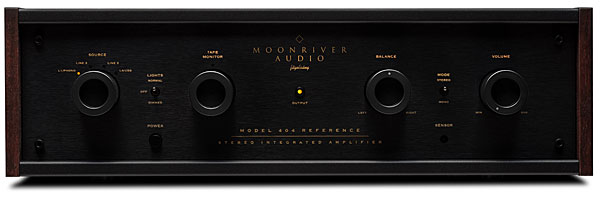
Moonriver 404 Reference integrated amplifier

Joy. It's all about the joy.

Joy manifests during those moments when the critical mind suspends, the lens clears, and only union between you and your experience exists. When joy arises, time stands still, all sense of separation vanishes, and only wonder remains.

Many of us live for those moments. Moments of understanding that transcend verbiage and mental chatter and affirm what is real and eternal about the human condition.

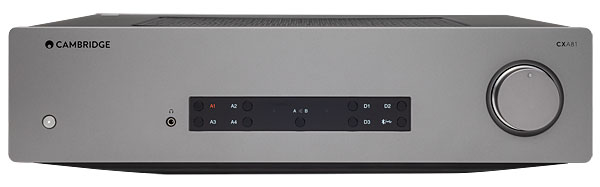
Cambridge Audio CXA81 integrated amplifier

During my tenure as a Stereophile writer, I've reviewed a lot of integrated amplifiers. The mostly moderately priced integrated machines I've reviewed have included the Heed Audio Elixir ($1195), Luxman SQ-N150 ($2795) and L-509X ($9495), NAD C 328 Hybrid Digital ($549), Octave Audio V 80 SE ($10,500), Rega Brio ($995), and Schiit Ragnarok 2 ($1799 as equipped). Regardless of price, all these integrated amplifiers engaged my senses and made engaging, dynamic, colorful music from LP grooves and ones and zeros.

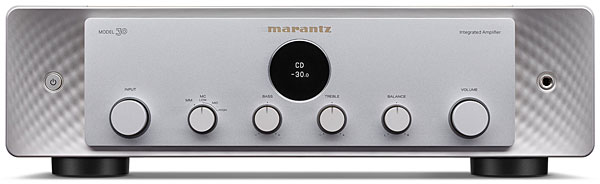
Marantz Model 30 integrated amplifier

DeKalb, Illinois, 1971: When I was in college, my anthropology professor would invite me and a few of his other favored students to his house for fondue parties. We sat on shag carpet around a glass-topped coffee table, drank wine, and dipped vegetables in molten cheese. The stated purpose of this rite was to discuss Margaret Mead or Franz Boas, but that was obviously a ruse. The gathering was really about excessive pot smoking accompanied by coughing fits and the telling of ridiculous stories, all while playing LPs on his top-of-the-line Dual turntable/record-changer.

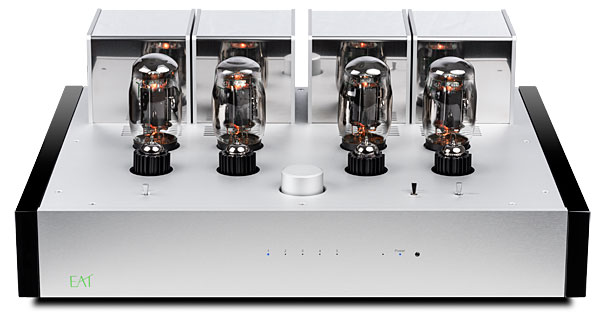
E.A.T. E-Glo I integrated amplifier

The story behind European Audio Team (E.A.T.) is that of one woman, company owner and CEO Jozefína Lichtenegger.

While studying for her MBA at the University of Economics in Bratislava, Slovakia, Lichtenegger (née Krahulkova) sold vacuum tubes for her brother-in-law, Alesa Vaic, then owner of Czech Republic–based tube brand VAIC. After VAIC shuttered in 2003, Lichtenegger founded her own retail business and engaged 100-year-old tube manufacturer Tesla Vršovice to supply 300B and KT88 tubes made to her specifications. When the owner of Tesla retired, she bought the company. She christened her new endeavor E.A.T. (The original Tesla continues as TESLA ElectronTubes, s.r.o.)

Advertisement
Advertisement
Advertisement