Audio Skies Michael Vamos - YG Acoustics, JMF Audio, Ideon at Capital Audiofest 2025
The Listening Room and Fidelity Imports - Diptyque DP-160 Mk.2 at Capital Audiofest 2025
Fidelity Imports Audia Flight and Perlisten System
Fidelity Imports Wilson Benesch and Audia Flight System at Capital Audiofest 2025
J Sikora Aspire, Innuos Stream 3, Aurender N50, Gryphon Antileon Revelation, Command Performance AV
Bella Sound Kalalau Preamplifier: Interview with Mike Vice
BorderPatrol Zola DAC – Gary Dews at Capital Audiofest 2025
Audio Note UK TT3 Reference Turntable Debut at Capital Audiofest 2025
Kevin Hayes of VAC at Capital Audiofest 2025
2WA Group debuts Aequo Ensium at Capital Audiofest 2025
Capital Audiofest 2025 lobby marketplace walk through day one
Lucca Chesky Introduces the LC2 Loudspeaker at Capital Audiofest 2025
Capital Audiofest 2025 Gary Gill interview
Sponsored: Pulsar 121
Acora and VAC together at Capital Audiofest 2025
Scott Walker Audio & Synergistic Research at Capital Audiofest 2025: Atmosphere LogiQ debut
Sponsored: Symphonia
Sponsored: Symphonia Colors

LATEST ADDITIONS

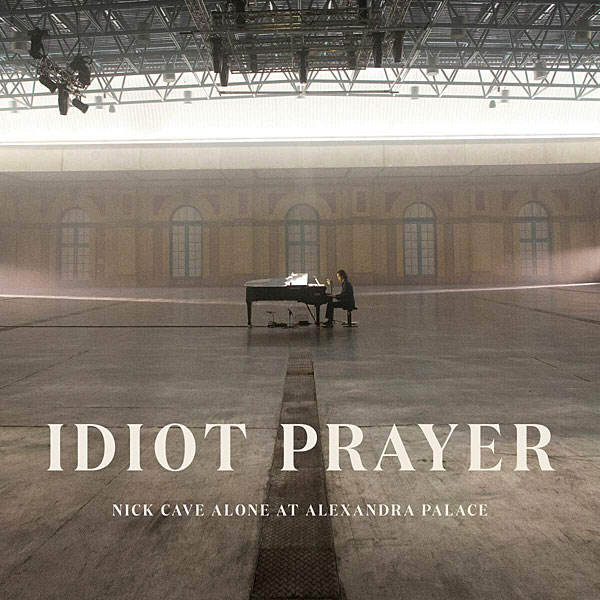
Recording of March 2021: Paranoid Super Deluxe

Black Sabbath: Paranoid Super Deluxe
Rhino/Warner Records R1 556692 (5 LPs). 1970/2020. Rodger Bain, original prod.; Hugh Gilmour, reissue prod.; Barry Grint, LP mastering eng.
Performance *****
Sonics ***

The reviewer venturing to identify the birth bed of heavy metal music risks wrath. So be it.

The heavy metal genre has many roots. The idea of power chords and music centered on ominous, mythological, and vaguely threatening lyrics goes back centuries; consider the use of European church music in various eras to literally scare the hell out of believers. But heavy metal as we know it started 50 years ago with Black Sabbath's Paranoid.
Continue Reading »

February FollowUp RoundUp

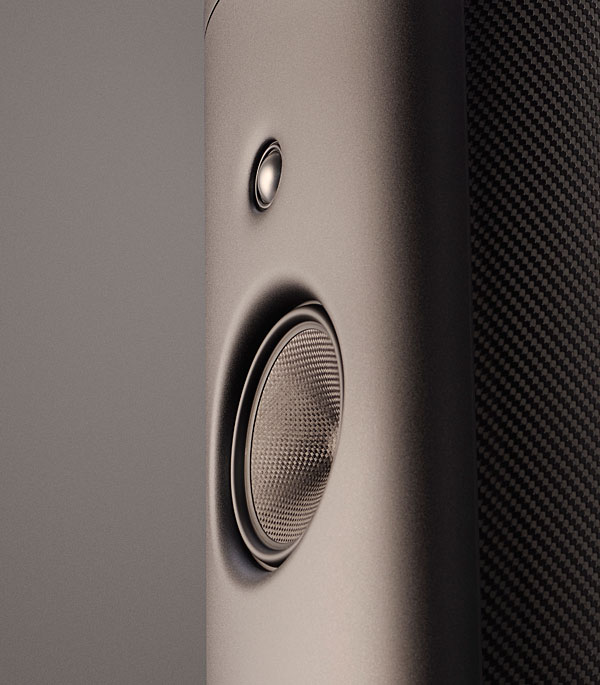
When Stereophile publishes a followup review in the print magazine, we add it as a "child page" to the website reprint of the original coverage. We have recently done so with three significant products: the Magico M2 loudspeaker, the Linear Tube Audio Z10e tubed headphone amplifier/integrated amplifier, and the Okto Research dac8 PRO multichannel D/A processor.
Continue Reading »

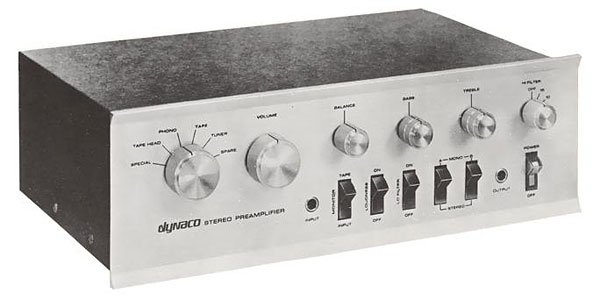
Dynaco PAT-4 preamplifier

This review of one of the first solid-state preamplifiers was published in 1968. It includes some of JGH's first thoughts on the ongoing subject of "Accuracy vs. Musicality."

Preview, from July 1968 (Vol.2 No.6): Overall sound extremely good, but phono sounds slightly lacking in deep bass, despite impeccable measurements. Scratch filter judged very highly effective, but tone controls felt to be less than ideal be cause of excessively coarse action and marked tendency to affect midrange output. Spring-return Tape Monitor switch probably will not appeal to serious tapesters. This preamp is slated for a full report in the next issue.

Continue Reading »

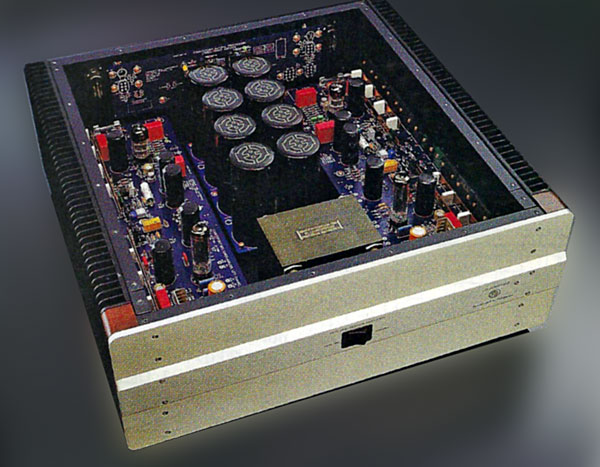
Counterpoint Natural Progression NPS-400 power amplifier

Amplifier designers have frequently looked for ways to marry the advantages of tubes to those of solid-state devices. Hybrid designs of various stripes have appeared over the years, most of them using tube input stages with transistor output stages, eliminating the major weaknesses of tube amplifiers: eg, they run hot, are unreliable in that tubes have a finite life, are more expensive than a similarly powerful solid-state design, and have power-hungry output tubes and output transformers.
Continue Reading »

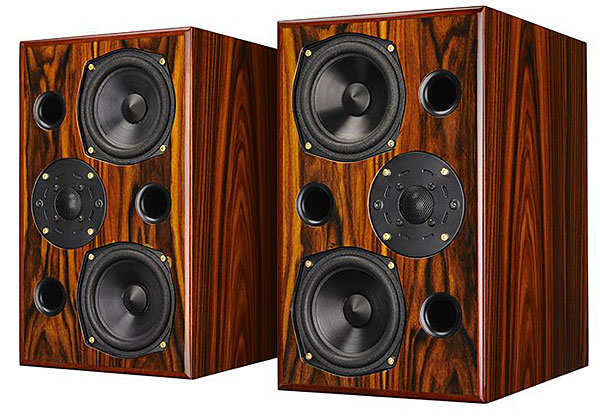
Acoustic Energy AE2 loudspeaker

In the September 1988 issue of Stereophile, I wrote a rave review about the first speaker, the AE1, from what was to me a totally unknown English company, Acoustic Energy. Though tiny, and possessing an intrinsically limited low-frequency response, the $1500/pair AE1 was one of the most musical loudspeakers I have ever used, throwing a deep, beautifully defined soundstage, and possessed of a clean treble and a sweet, if rather forward-balanced, midband.
Continue Reading »

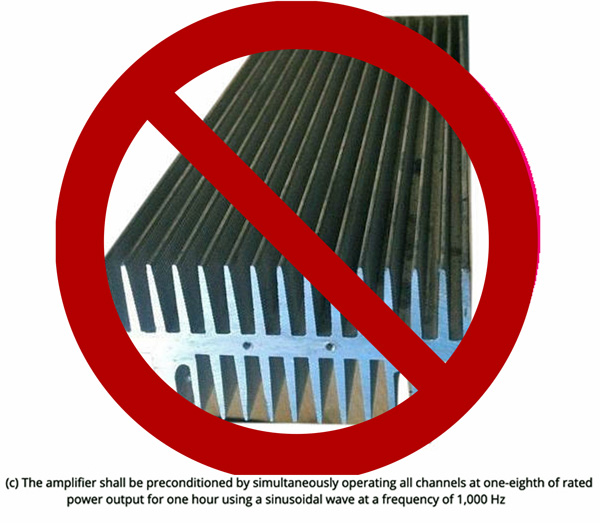
The FTC Proposes Eliminating Its "Amplifier Rule"

When I joined Hi-Fi News in the mid-1970s, one of that magazine's stable mates reviewed cars. An automotive writer appeared in the pub one lunchtime—"I rolled another one," he said, as he joined us at the bar. It turned out that one of his tasks was to take a car he was testing to the skid pad to see how many lateral G's the car could handle. Of course, the chances of a consumer turning that car over were minimal, but the reviewer was investigating the edges of the performance envelope.

As I became familiar with audio measurements, it struck me that the equivalent of the skid pan test was the thermal preconditioning we perform when we get an amplifier on the test bench. Even if an end-user doesn't drive his amplifier into thermal meltdown, the edges of the envelope need to be explored.

Continue Reading »
Advertisement
Advertisement
Advertisement