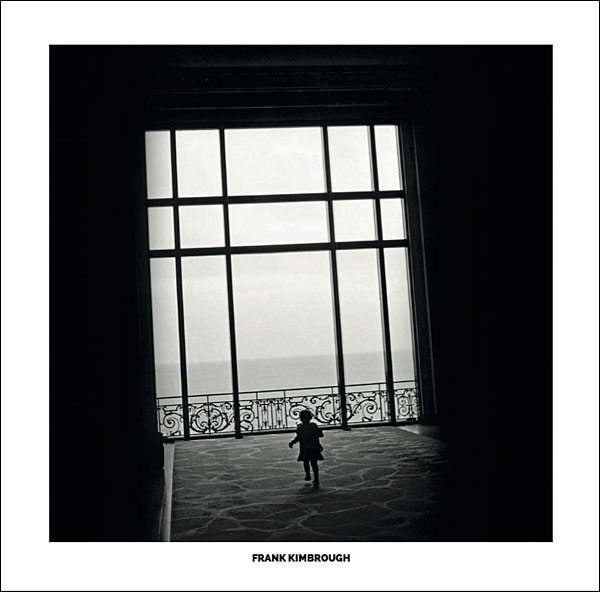
Upside Down: More Marketing, Less Music.

What exactly is the message here?
Continue Reading »



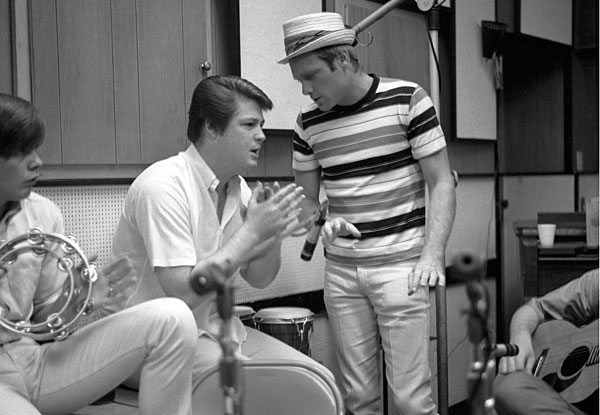
Although there was a fall chill in the air, the front windows were open, and the sounds of perhaps the greatest Beach Boys ballad of all wafted into the Massachusetts night.
Perched on the edge of the couch, dear friend and Stereophile contributing music editor David Sokolformer editor-in-chief of New Country and Disney magazines, a man who's written about music for over 40 years and has yet to lose his passion for the stuffwas waxing poetic and weeping, ever so slightly, as the room filled with the intricate mix of voices that is "Kiss Me, Baby."
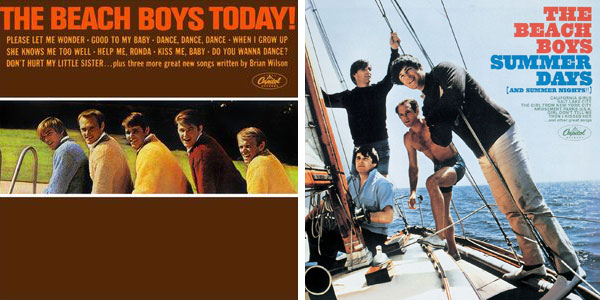
It's a classic case of addition by subtraction. On December 23, 1964, on a flight from Houston to Los Angeles, Brian Wilson had a panic attackor, perhaps, a full-fledged nervous breakdown. Two more such episodes followed in quick succession, and Brian realized that he could no longer tour with the Beach Boys. At first, Glen Campbell was brought in to replace him in the band's touring edition, until Bruce Johnston permanently took his spot. In an interview conducted by Earl Leaf, quoted by Tom Nolan in the October 28, 1971, issue of Rolling Stone, Wilson had this to say about his decision:
"I told them I foresee a beautiful future for the Beach Boys group but the only way we could achieve it was if they did their job and I did mine. They would have to get a replace ment for me ... I didn't say 'they' I said 'we' because it isn't they and me, it's 'us.'
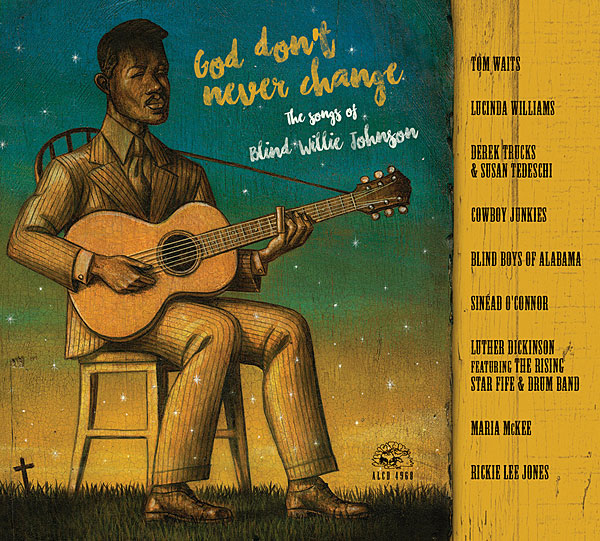


Over the years, I've felt obligated to ask this question of several friends who somehow concluded that their life's work involved founding a record label.
"That is the best question isn't it?" Shane Buettner said with a big laugh. "Why do I want to hurt myself this badly and spend a lot of money doing it?" He smiled again, with a mild shake of the head.
"Actually, yesthat's exactly what I mean."