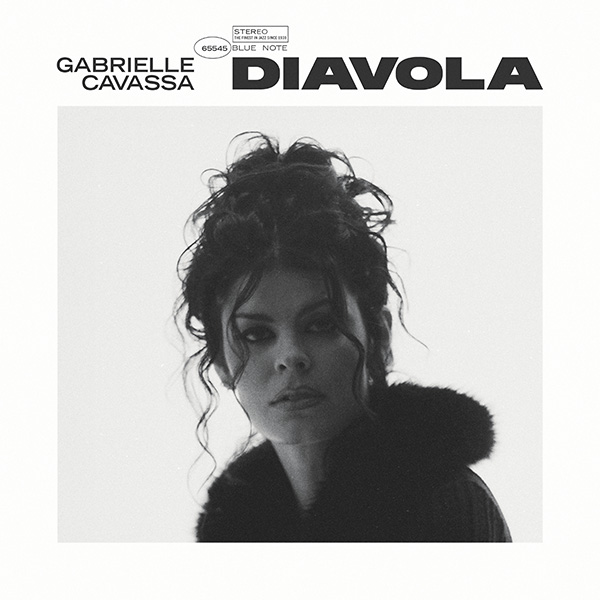
Gabrielle Cavassa: Diavola; Miroslav Vitous: Mountain Call; Pepper Adams Quintet; Cecil Taylor Unit: Fragments: The Complete 1969 Salle Pleyel Concerts; Javon Jackson: Jackson Plays Dylan.
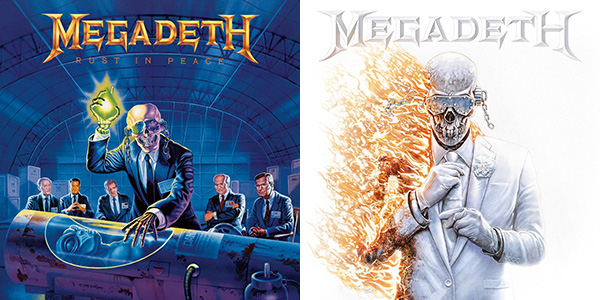
After ignominious dismissal from Metallica shortly before that band's debut recording, guitarist Dave Mustaine could have easily become a Greg Walls–esque footnote in metal history. But his seething anger, easily audible in his subsequent discography, led him to retaliate by forming Megadeth, which, if not as lucrative as Metallica, was just as influential.
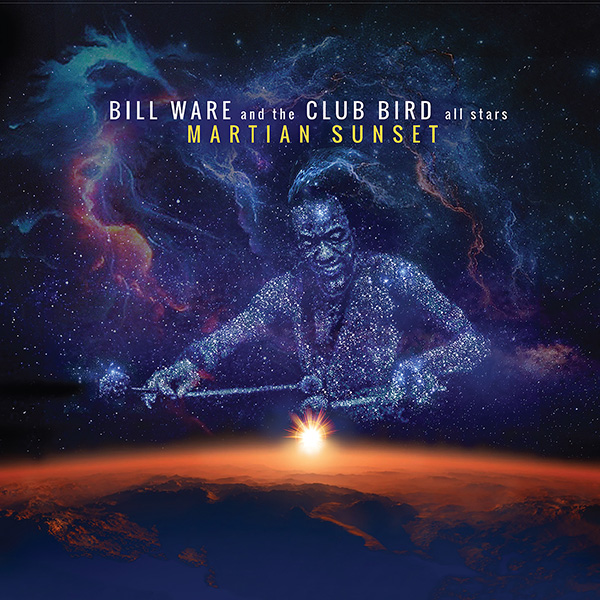
ill Ware and The Club Bird All Stars: Martian Sunset; JD Allen: Love Letters (The Ballad Sessions); Pat Bianchi: Confluence; Melissa Errico: I Can Dream, Can't I? (Illusions and Conversations from the Great American Songbook); Joel Ross: Gospel Music.
There's widespread consensus that Shohei Ohtani's performance in Game 4 of the 2025 National League Championship Series was the greatest in baseball history: at the plate, 3 for 3 with three home runs; on the mound, six innings with 10 strikeouts and only 2 hits allowed. That defines double threat. Almost seven decades earlier, jazz's original triple threat made his first record—Triple Threat—for the King label.
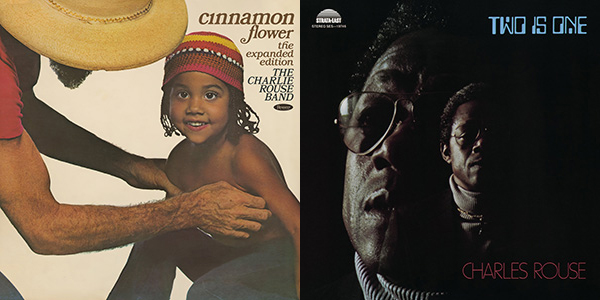
In Robin D.G. Kelley's definitive, 450-page biography of Thelonious Monk, Monk and tenor saxophonist Charlie Rouse first meet on p.100, in 1944. Their next encounter comes 91 pages (11 years) later, when Rouse is working with Monk at the Music Barn concert series in the Berkshires.
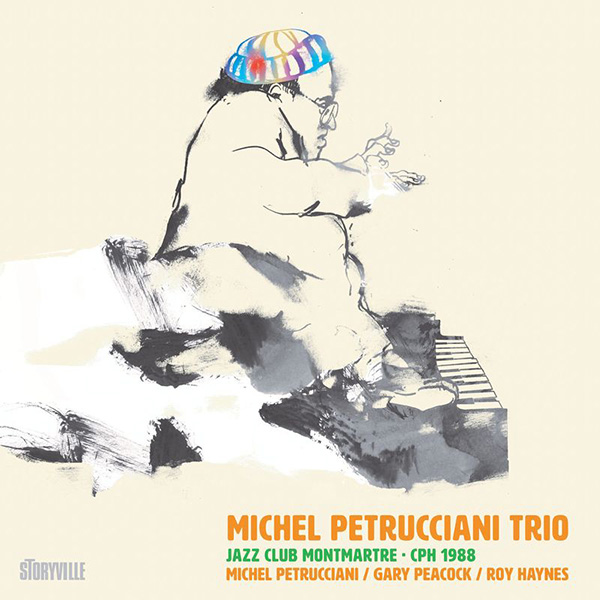
Michel Petrucciani Trio: Jazz Club Montmartre - CPH 1988; Fred Hersch Trio: The Surrounding Green; Francesco Cafiso: From Then Till When; John Zorn/Dave Lombardo: Memories, Dreams, and Reflections; Joe Farnsworth: The Big Room; David Murray: Birdly Serenade
Linda May Han Oh: Strange Heavens; Julian Shore Trio: Sub Rosa; Pete McGuinness Jazz Orchestra: Mixed Bag; Mark Masters Ensemble: Dance, Eternal Spirits, Dance!.