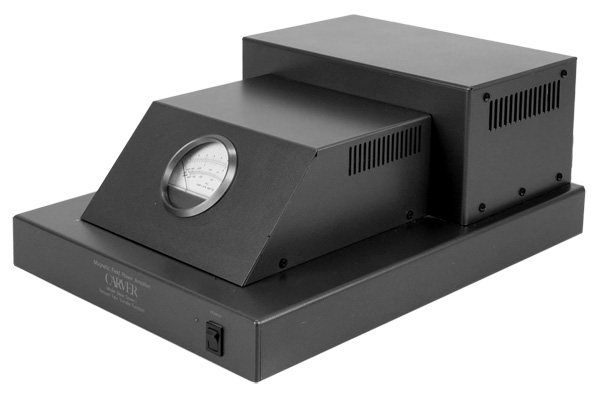
Counterpoint SA-100 power amplifier
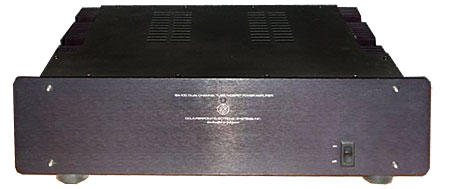
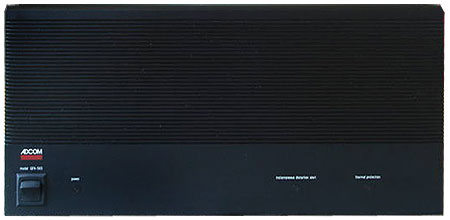
The $1200 Counterpoint SA-100 amplifier came up to bat fourth in my listening sessions, behind (in order of appearance) the Adcom">http://www.stereophile.com/solidpoweramps/678">Adcom GFA-555 II (not reviewed here, but sent along by JA for comparison purposes), the VTL">http://www.stereophile.com/tubepoweramps/491vtl">VTL Tiny Triode monoblocks, and the Muse">http://www.stereophile.com/solidpoweramps/491muse">Muse Model One Hundred. Thus, my progression went from bipolar solid-state to tube to MOSFET, with a wide spread of sonic characteristics between them: stygian bass from the Adcom; uncanny spatial presentation and vocal reproduction from the VTLs; and an overall superior sound from the Muse. I was therefore eager to see where the tube/MOSFET hybrid Counterpoint would fall in this group of very different-sounding amplifiers.
 Michael, who might be termed our typical audiophile (if anything in Santa Fe can be termed "typical"), may have found his digital processor, but he's still in a quandary about choosing the right power amp to drive his new loudspeakers. He has listened to a number of them over the past few months, and has been unable to find one which satisfies him in every way. I suspect he has a lot of company. The thorny problems of room acoustics and placement aside, loudspeakers are easier. Their signatures are pronounced and generate strong feelings one way or another; it's usually no problem to narrow down one's choices in this category.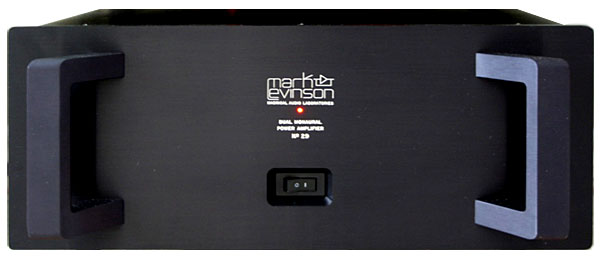
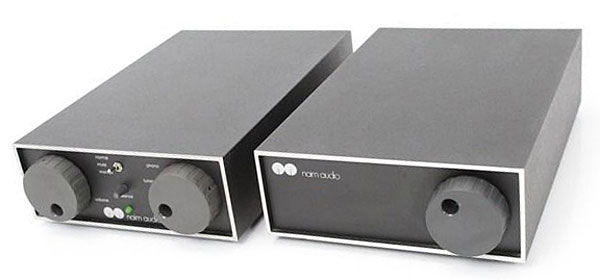
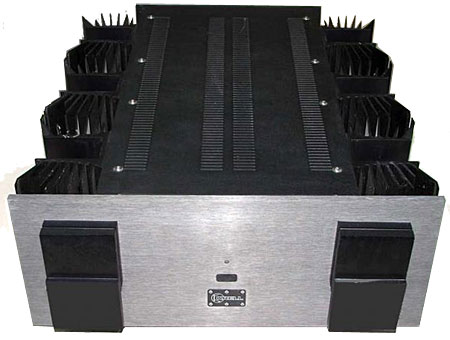
 Cycles can be seen in the fortunes of companies. Likewise cycles can be seen in the performance of companies' products. A particular range will appear to have got it just right, whatever "it" is. The designer may have hit a winning streak and thus steal a lead over the competition. C-J set a new state-of-the-art preamp standard in the late '80s with their
 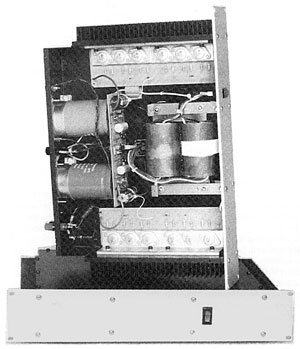 The name Muse Electronics is probably unfamiliar to most audiophiles, requiring some background on the company. Muse is the hi-fi offshoot of a company called Sound Code Systems, a manufacturer of professional sound-reinforcement speaker cabinets and power amplifiers. Founded in 1980, SCS enjoyed some success with its line of MOSFET professional power amplifiers. In 1988, SCS's Michael Goddard and Kevin Halverson, both audiophiles and tube aficionados, redesigned their amplifier for the high-end hi-fi market.