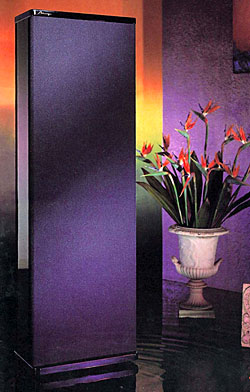
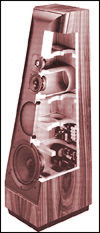
NHT 3.3 loudspeaker
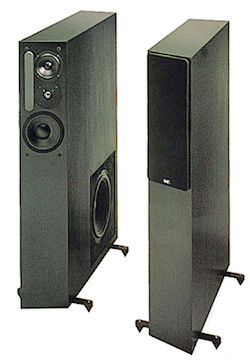
When Ken">http://www.stereophile.com/interviews/232">Ken Kantor helped to found Now Hear This, Inc. (most commonly referred to by its initials, NHT) in 1986, he brought with him a wealth of design and production experience learned from stints with NAD and Acoustic Research. He also brought a desire to build and market products that a wide range of people could afford. NHT began by producing small, two-way designs distinguished by the angled front baffle which remains the company's trademark. The latter is no gimmick, but was designed to optimize the loudspeakers' radiation pattern, a matter of keen interest to Kantor ever since his undergraduate thesis work at MIT. This interest continued at AR, where he was responsible for the MGC-1 loudspeaker—probably his best known pre-NHT loudspeaker design.
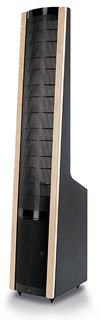
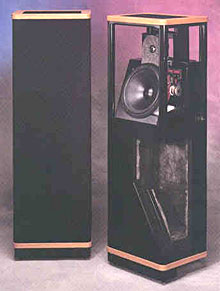
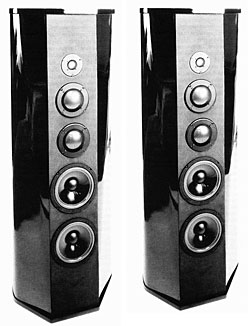 The loudspeaker designer's art has changed radically over the past 20 years. Although the goals are largely the same, today's designer employs tools and techniques unimaginable two decades ago. Computer modeling, powerful and affordable FFT machines, and sophisticated new driver technologies are just a few of the advantages enjoyed by the modern designer. The high-tech result is a vastly better loudspeakereven inexpensive products today are significantly better than those of even five years ago, never mind 20.
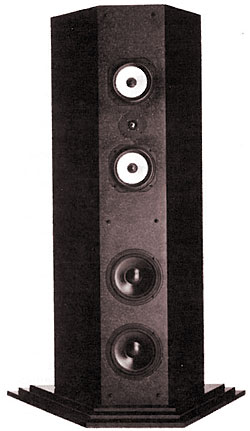 While Clearfield Audio may be a new name to many of you, it represents the marriage of two well-established members of the high-end community: Counterpoint and designer Albert Von Schweikert. Counterpoint had been working to add speakers to its product lineup for some time. The partnership with Von Schweikert, whom Stereophile readers will remember as the designer of the Vortex Screen favorably reviewed by Robert Harley in July 1989, fills out Counterpoint's high-end product line from sourcethe company showed a CD transport at the June 1993 CESto speaker.