

Like a Boss: The Philips Fidelio X2
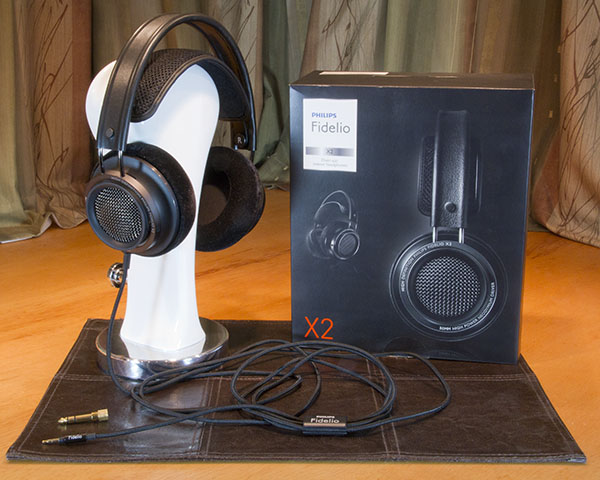
This story originally appeared at InnerFidelity.comWhile the X2 shares a lot in common with the X1 at first glance, deeper investigation reveals significant changes and real improvements with this new release. The X2 is an excellent headphone...yes, even for audiophiles...maybe especially for audiophiles. For the first time, in a long time, I think we've got a headphone to rival the Sennheiser HD 600 in the mid-priced open headphone category. Yes, I think it's that good.
Like a Sports Car for Your Head: The Audeze SINE and Cipher Lightning Cable
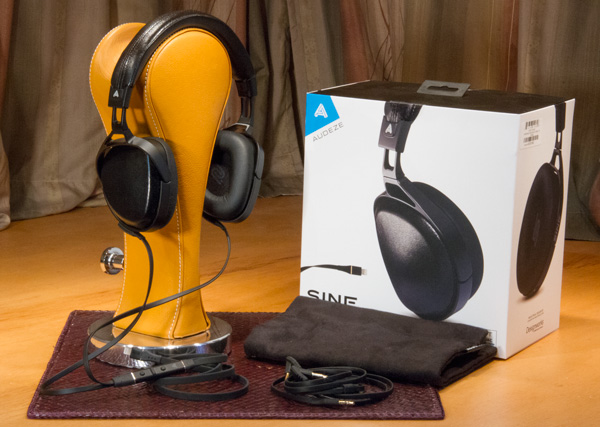
This story originally appeared at InnerFidelity.com
On-ear portable headphones don't get a lot of love from headphone enthusiasts...that's about to change.
Listening #158
In my sophomore year of high school, one of the greatest challenges my friends and I faced was the search for the perfect after-school hangout, perfect being defined as "having the least amount of adult supervision." Some of us lived in single-parent homes, but only one had a single parent for whom weekday surprise inspections were impossible, and that was Scott. So Scott's placea downstairs apartment in a nice older house not far from schoolgot the nod.
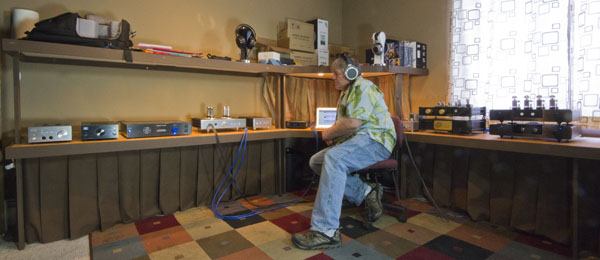
Listening to the Stax SR-009 and Great Headphone Amplifiers
This story originally appeared at InnerFidelity.com
With just a few phone calls and emails, I've managed to get my hands on the amazing Stax SR-009 headphones, and some of the world's best electrostatic headphone amps and the gear to make use of them, and set them up my demo room for a week of comparative listening.
Quite the ear opening experience!
Marshall Major Heaphone by Zound Industries
This story originally appeared at InnerFidelity.com
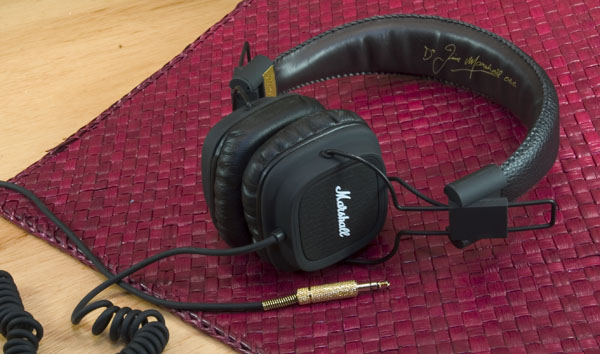
Great guitar amplifiers are great because they produce a lot of distortion. I wonder what a great guitar amp maker thinks a headphone should sound like?
Well, here’s our chance … I guess. The Marshall Major ($99) is a mid-size, earpad, sealed headphone, but is actually made by Zound Industries of Sweden. Yes, this is another lifestyle headphone from the makers of Urbanears. I have no idea how much input Marshall had in the design and approval, but let’s give the Major a chance. Throw the drum-kit in the back of the Econoline and we’ll go for a ride to Rock ‘n Roll with the Marshall Majors.
Massdrop Nobel X Earphones
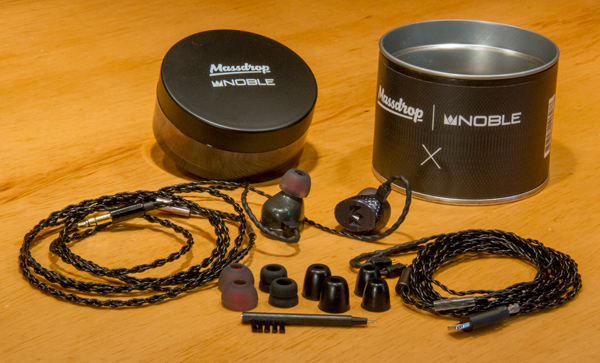
This story originally appeared at InnerFidelity.comDag nab it! I got so busy last week with the Focal Utopia measurements that I neglected to get the new Massdrop Noble X measured and listened to for a quick report before the drop. Sorry about that.
Massdrop x HiFiMAN HE4XX Planar Magnetic Headphones
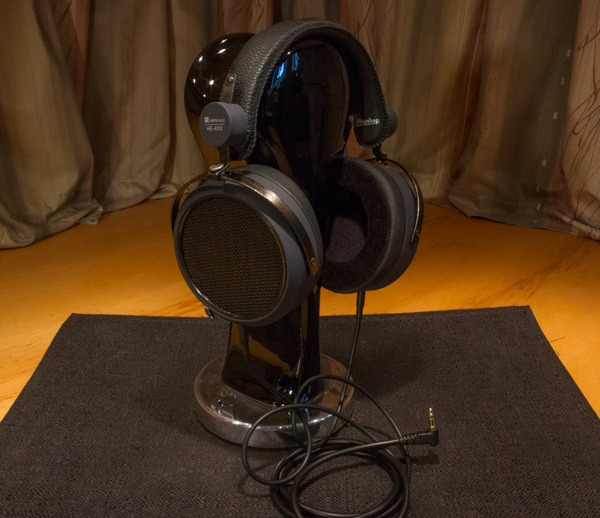
This story originally appeared at InnerFidelity.comOh boy. The folks at Massdrop have gone and done it again. Just got their new Massdrop x HiFiMAN HE4XX in for measurements and a quick listen before the drop.
McCormack Micro Integrated Drive headphone amplifier
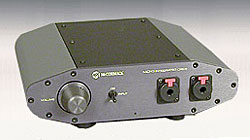
What, I hear you asking, is an integrated drive? The MID is part of McCormack's much lauded "Micro" series (see my review of their Micro Line Drive in Vol.18 No.6), which are designed to offer the same dedication to quality as McCormack's full-size components, but at a lower price (and in a smaller package). The MID was initially the Micro Headphone Drive, sporting two ½" stereo phone-jacks on the front panel, a two-position input switch, and a volume control. The rear boasted two inputs and an output (controlled by the volume pot). It was designed to be a high-quality headphone amp and a minimalist preamp. In this configuration, I ran into it at the 1995 WCES where—almost as a gag—Steve McCormack had made up a few ½" stereo phone-plug to 5-way binding post connectors. He could, he explained, run small speakers from the headphone outputs. There was a serious purpose behind the joke, of course. Showing that the MHD could drive speakers spoke volumes for its ability to drive headphones.
Melos SHA-1 headphone amplifier
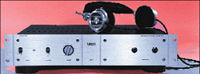
"I remember Momma!"
Melos SHA-Gold headphone amplifier
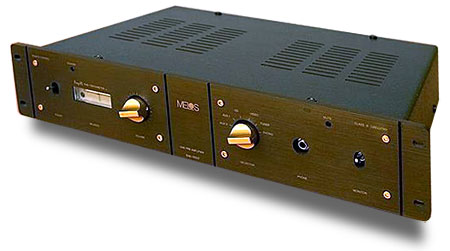
It's hard to know what to call the SHA-Gold. It is a superb headphone amplifier—maybe even the target all future headphone amps need to shoot at—but it's also a full-function preamplifier. At two grand, it's not exactly a unit you'd add to your current system just to get a headphone connection...Wait a minute! What am I saying? I'm sure that there are folks out there who would add this to their existing reference systems as casually as I'd buy the Audio">http://www.stereophile.com/headphones/796alchemy">Audio Alchemy headphone amplifier—but they'd be missing out on a great line stage.