Believe it or not, there are still active shopping malls in the US—and at least one, Garden State Plaza in New Jersey, leases to a modern record store, The Sharp Notes. The notion is so retro it's almost quaint. The store is even situated opposite a Gap, the quintessential and perennial mall staple. What is this, 1988?
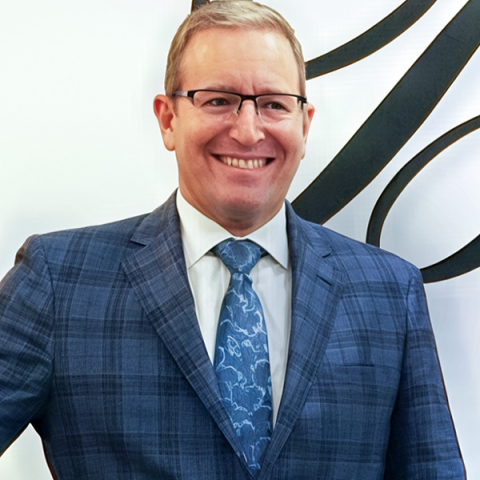
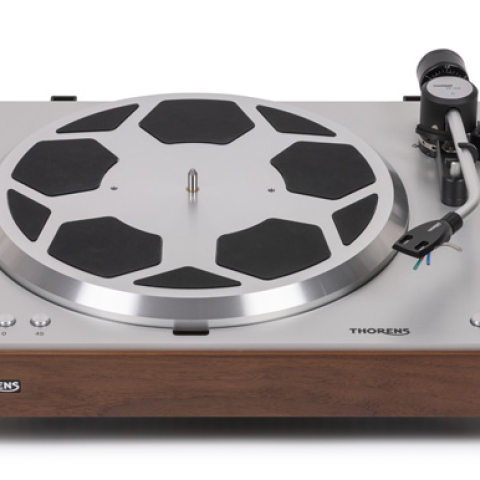
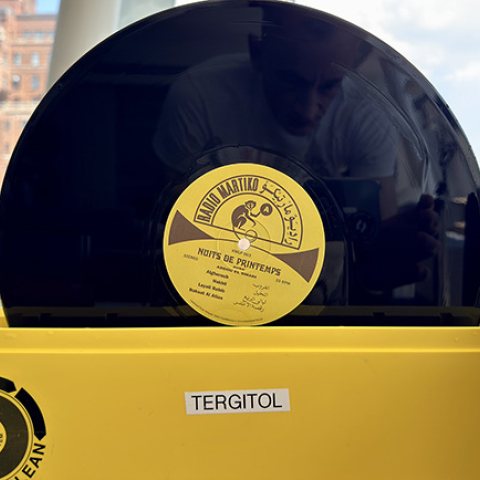
The Sharp Notes is owned by Evan Toth. It carries new and pre-owned vinyl as well as CDs, a curated selection of books, a few T-shirts, and a small selection of audio equipment: a couple of turntables from Audio-Technica, including the Bluetooth-equipped AT-LP70XBT (the store favorite), SpinClean record-cleaning machines, and some accessories. Toth told me he's about to become an official Technics dealer.
The Sharp Notes has not been around since the 1980s. It opened just over a year ago, on September 1, 2025. Toth had planned to celebrate the store's first anniversary, but he has a lot else on his plate. In addition to running the store, he's principal of the Community High School in Teaneck, New Jersey, which serves students with learning disabilities; he started as an English teacher 23 years ago. He's a married father of three children; the oldest is 12. He hosts a podcast under the same name as his store—The Sharp Notes. He's a longtime, avid record collector, and he plays both piano and guitar.
As we swapped record-collecting stories, it became apparent that The Sharp Notes serves not just customers' but also his own needs and wants: It lets him tap into that familiar joy of discovery even as he welcomes customers into the vinyl-record fold.
The Sharp Notes' location in Garden State Plaza is a source of nostalgia for Toth: It's where he shopped for records in his youth, at Coconuts and Sam Goody. Later, he would come to the mall with his wife and young children, just for something to do. That's what first sparked the idea to open a record store. "Walking around, I'd be saying, 'How come nobody's trying to sell records in the mall? What happened to that whole thing?'"
 Thanks partly to the store's location inside a shopping mall, his customers are "everybody from young to old and in between," he said. "The cool thing about being in a mall is that we get a lot of folks who are not expecting to walk into a record store." In Paramus, many people still visit the mall regularly—and not just to shop. They come for lunch or a snack or a stroll. That includes some older folks who are mall walkers, including one who sold Toth his record collection soon after his store opened. "We see teenagers buying their first records, longtime collectors hunting through the bins, and people returning to vinyl after being away from it for 20 or 30 years. That generational overlap is really the heart of The Sharp Notes."
The mall was excited about his proposal. Still, pulling the trigger wasn't easy. Ironically, it may have been made easier by his lack of experience. "I'm a high school principal in a Special [Education] school here in Teaneck," Toth said. "I really don't have a background in retail. All the nuts-and-bolts things that go into running a retail store were really new to me. My wife has been a huge help in this endeavor, and we just kind of figured it out one thing at a time."
Brick-and-mortar music is not exactly a booming industry. Sure, the major record companies are making money by the boatload, but that's almost entirely from streaming. The vinyl niche is profitable but relatively small. There's competition not only from online retailers but also from download sites (which are in decline themselves) and music-streaming services. With no need to maintain a storefront—or, in the case of streaming services, physical inventory—such businesses can maintain an almost endless selection. Not so a store at the mall.
"It's more fun to talk about the romantic aspect of fitting someone with a record that they love or helping them find something rare that we have on the wall. But it's been equally interesting to really learn about, like, payroll. How do we get all this stuff out? And you know, we have to. One thing led to another, and it worked out."
Thanks partly to the store's location inside a shopping mall, his customers are "everybody from young to old and in between," he said. "The cool thing about being in a mall is that we get a lot of folks who are not expecting to walk into a record store." In Paramus, many people still visit the mall regularly—and not just to shop. They come for lunch or a snack or a stroll. That includes some older folks who are mall walkers, including one who sold Toth his record collection soon after his store opened. "We see teenagers buying their first records, longtime collectors hunting through the bins, and people returning to vinyl after being away from it for 20 or 30 years. That generational overlap is really the heart of The Sharp Notes."
The mall was excited about his proposal. Still, pulling the trigger wasn't easy. Ironically, it may have been made easier by his lack of experience. "I'm a high school principal in a Special [Education] school here in Teaneck," Toth said. "I really don't have a background in retail. All the nuts-and-bolts things that go into running a retail store were really new to me. My wife has been a huge help in this endeavor, and we just kind of figured it out one thing at a time."
Brick-and-mortar music is not exactly a booming industry. Sure, the major record companies are making money by the boatload, but that's almost entirely from streaming. The vinyl niche is profitable but relatively small. There's competition not only from online retailers but also from download sites (which are in decline themselves) and music-streaming services. With no need to maintain a storefront—or, in the case of streaming services, physical inventory—such businesses can maintain an almost endless selection. Not so a store at the mall.
"It's more fun to talk about the romantic aspect of fitting someone with a record that they love or helping them find something rare that we have on the wall. But it's been equally interesting to really learn about, like, payroll. How do we get all this stuff out? And you know, we have to. One thing led to another, and it worked out."
 There's more connection between his education work and The Sharp Notes than you might expect. "Both are about creating an environment where people feel comfortable being curious, asking questions, and discovering something they didn't know before," Toth said. "The same philosophy informs the store. Nobody should feel intimidated because they don't know which pressing to buy or which turntable they're supposed to own. We can help with that."
Encouraging interest in vinyl and keeping its entry points accessible are, for Toth, important considerations. Collectible used vinyl has been more valuable, and new vinyl seems to get more expensive every day. But most used records are affordable. Used vinyl can be a way for newcomers to get started with a minimal financial commitment. "We have a $5.99 and below section," Toth said. "They can purchase something that's under $10 and bring it home and experiment with it, and think about it, and decide if they want to continue on that journey.
"I think it's just up to the industry to make sure that the kids can afford this stuff, that they can afford some decent hardware that's not going to destroy their records and that's not going to be overly expensive."
So far, the if-you-build-it-they-will-come cliché has held true: The store's first year exceeded his expectations. What has surprised him most, he said, is how much curiosity there is beyond established record collectors. "I never wanted it to feel like a clubhouse for people who already know the secret handshake. The store should be welcoming whether you own a $50,000 system or you're walking out with your first turntable. The common denominator is the music."
There's more connection between his education work and The Sharp Notes than you might expect. "Both are about creating an environment where people feel comfortable being curious, asking questions, and discovering something they didn't know before," Toth said. "The same philosophy informs the store. Nobody should feel intimidated because they don't know which pressing to buy or which turntable they're supposed to own. We can help with that."
Encouraging interest in vinyl and keeping its entry points accessible are, for Toth, important considerations. Collectible used vinyl has been more valuable, and new vinyl seems to get more expensive every day. But most used records are affordable. Used vinyl can be a way for newcomers to get started with a minimal financial commitment. "We have a $5.99 and below section," Toth said. "They can purchase something that's under $10 and bring it home and experiment with it, and think about it, and decide if they want to continue on that journey.
"I think it's just up to the industry to make sure that the kids can afford this stuff, that they can afford some decent hardware that's not going to destroy their records and that's not going to be overly expensive."
So far, the if-you-build-it-they-will-come cliché has held true: The store's first year exceeded his expectations. What has surprised him most, he said, is how much curiosity there is beyond established record collectors. "I never wanted it to feel like a clubhouse for people who already know the secret handshake. The store should be welcoming whether you own a $50,000 system or you're walking out with your first turntable. The common denominator is the music."
Thanks partly to the store's location inside a shopping mall, his customers are "everybody from young to old and in between," he said. "The cool thing about being in a mall is that we get a lot of folks who are not expecting to walk into a record store." In Paramus, many people still visit the mall regularly—and not just to shop. They come for lunch or a snack or a stroll. That includes some older folks who are mall walkers, including one who sold Toth his record collection soon after his store opened. "We see teenagers buying their first records, longtime collectors hunting through the bins, and people returning to vinyl after being away from it for 20 or 30 years. That generational overlap is really the heart of The Sharp Notes."
There's more connection between his education work and The Sharp Notes than you might expect. "Both are about creating an environment where people feel comfortable being curious, asking questions, and discovering something they didn't know before," Toth said. "The same philosophy informs the store. Nobody should feel intimidated because they don't know which pressing to buy or which turntable they're supposed to own. We can help with that."
Encouraging interest in vinyl and keeping its entry points accessible are, for Toth, important considerations. Collectible used vinyl has been more valuable, and new vinyl seems to get more expensive every day. But most used records are affordable. Used vinyl can be a way for newcomers to get started with a minimal financial commitment. "We have a $5.99 and below section," Toth said. "They can purchase something that's under $10 and bring it home and experiment with it, and think about it, and decide if they want to continue on that journey.
"I think it's just up to the industry to make sure that the kids can afford this stuff, that they can afford some decent hardware that's not going to destroy their records and that's not going to be overly expensive."