It's a good thing I did my listening before the Mets' tragic loss because, afterwards,
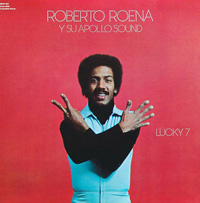
everything sounded horrible. I started with the brilliant Arsenio Rodriguez composition, "A Bailar Mi Bomba," off of Roberto Roena's outstanding
Lucky 7. When I listen to this song, my head bobs about like mad and my shoulders shake like maracas, I come up with desperate ideas about trading in my guitar amplifier for a conga set and a cowbell, I consider saying goodbye to everything and moving away to Puerto Rico. It's that kind of song.
It
sounds good, too. Engineered by Jon Fausty at New York's Good Vibrations Sound Studios,
Lucky 7 is the most natural-sounding salsa recording I've heard.
Bomba is an African-derived musical form which developed around the sugarcane fields of Puerto Rico's coastal towns. My grandfather worked in the sugarcane fields, and I bet he knows a thing or two about bomba. He could probably explain better, but I'll give it a shot. It's a casual sort of music, traditionally improvised and often spontaneously performed at social gatherings — at the beach, for instance, or after meals — and closely tied to a couple dance. The woman performs certain dance steps while her partner remains free to display his dancing skills. He, in essence, competes with the lead drummer, who, in turn, responds to his moves. It's wonderful to watch.
The bomba ensemble consists of several percussion instruments set to different pitches, some announcing fixed rhythmic patterns while others call off random beats. Traditionally, the instruments involved are a cua (a pair of sticks struck against the side of a drum or something similarly resonant), a low-pitched barrel-shaped drum called a seguidora, and the higher-pitched requinto. Salsa mixes everything up, though, and replaces these instruments with bongos, congas, guiros, cowbells, and pretty much whatever else it damn well pleases. Throw some trumpets, trombones, and electric guitar in there, too, and you've got Roberto Roena's brand of bomba.
Lyrically, bomba focuses on everyday life at home, in the community, and at work, and will often include spontaneous commentary on events taking place within the song and dance itself. (Imagine: "Stephen is shaking it like a maraca, and the drummer can't keep up!") In addition, the song structure features a call-and-response dialog between lead vocalist and chorus, the soloist having melodic freedom to roam throughout the rhythmic thrust of the song while the chorus is held to a fixed response — kind of like old-school punk rock. I've found that this particular strand of salsa excites me more than others.
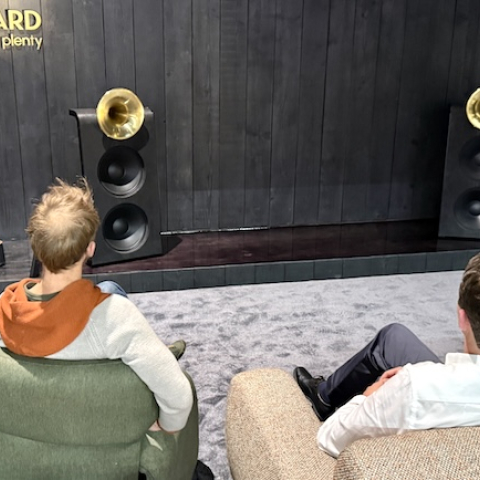
The sun was rising and the air was cool. Autumn had finally arrived. It would be a few more hours before the Mets game started. I sat down and began listening.