


Lord knows I try to keep an open mind, but those good-measuring delta-sigma chip DACs rub me the wrong way. Their processing complexity vexes my mind, and there's never been a reconstruction or upsampling filter that I've been a fan of. Nevertheless, I believe that every audio component must be judged by how it sounds and feels in use.
With digital converters as with other products, I don't need to know their price or technology before I listen. It might be better not to know. But usually I do know. This review is unusual in that when I first started listening with the HiFi Rose RD160 DAC, I did not know it used delta-sigma chips, and no one had told me its price.
Description
HiFi Rose's RD160 ($5995) is a D/A converter built around a pair of Asahi Kasei (AKM) chips: the AK4191EQ delta-sigma modulator and the AK4499EXEQ DAC. The AK4191 receives digital audio and applies filters, noise shaping, and oversampling. The AK4499EXEQ, a cording to the Asahi Kasei website, "is a stereo premium DAC chip based on the Switched Resistor DAC method employing VELVET-SOUND technology. When used in conjunction with the AK4191EQ the AK4499EXEQ is the suitable analog conversion solution for playback of high-resolution sound sources." I love that line! (footnote 1)
AKM's two-chip approach has the benefit of moving most digital processing off the D/A converter chip. That keeps a lot of high-frequency noise away from the converter chip's analog side. The same chipset is used in the Eversolo DMP-A8 streaming preamplifier reviewed by Rogier van Bakel in the July 2024 issue of Stereophile, but this HiFi Rose DAC puts even more emphasis on isolation. It employs a suite of technologies HiFi Rose calls "Rose CIM Architecture," for "Completely Isolated Module" architecture, which isolates the digital and analog sections physically. It includes an SFP fiber input for total electrical isolation of the USB signal. And it employs three independent power supplies, one each for the digital circuitry and the left and right analog output stages.
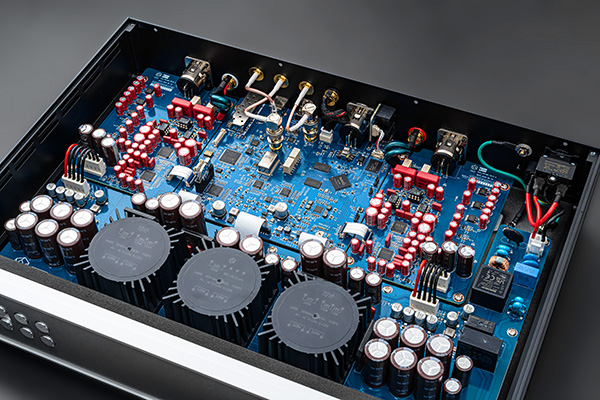 Speaking of the output stage, the RD160 uses custom-tuned MUSES 8920A JFET–input dual operational amplifiers. The output stage also employs something HiFi Rose calls a "Rose NRA filter," for "Noise Reduction Analog." If I understand it, the Rose NRA filter filters noise while also correcting for any rolloff at the frequency extremes, ensuring that bass will be fully impactful and that there will be no loss of air due to reconstruction-filter rolloff.
The RD160 offers four types of digital conversion, all of which the manual calls "Upsampling." The four choices are Upsampling, which upsamples the data to 705.6kHz (for the 44.1kHz family of sampling frequencies) or 768kHz (for 48kHz), PCM (which keeps PCM PCM but converts DSD to PCM), DSD (which converts PCM to DSD64), and Bypass, which keeps the incoming digital signal unaltered.
Then there are six AK4499EX reconstruction filters: Sharp, Slow, Short Sharp, Short Slow, Super Slow, and Low Dispersion Short Delay.
Speaking of the output stage, the RD160 uses custom-tuned MUSES 8920A JFET–input dual operational amplifiers. The output stage also employs something HiFi Rose calls a "Rose NRA filter," for "Noise Reduction Analog." If I understand it, the Rose NRA filter filters noise while also correcting for any rolloff at the frequency extremes, ensuring that bass will be fully impactful and that there will be no loss of air due to reconstruction-filter rolloff.
The RD160 offers four types of digital conversion, all of which the manual calls "Upsampling." The four choices are Upsampling, which upsamples the data to 705.6kHz (for the 44.1kHz family of sampling frequencies) or 768kHz (for 48kHz), PCM (which keeps PCM PCM but converts DSD to PCM), DSD (which converts PCM to DSD64), and Bypass, which keeps the incoming digital signal unaltered.
Then there are six AK4499EX reconstruction filters: Sharp, Slow, Short Sharp, Short Slow, Super Slow, and Low Dispersion Short Delay.
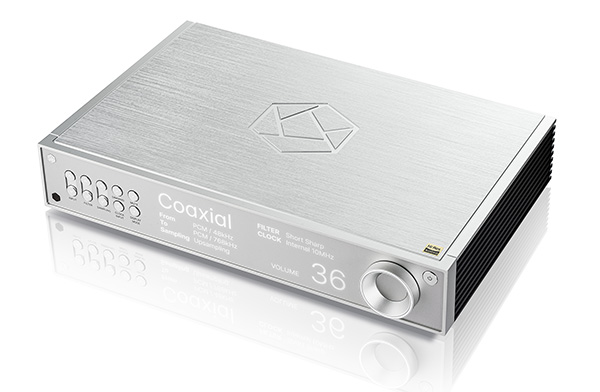
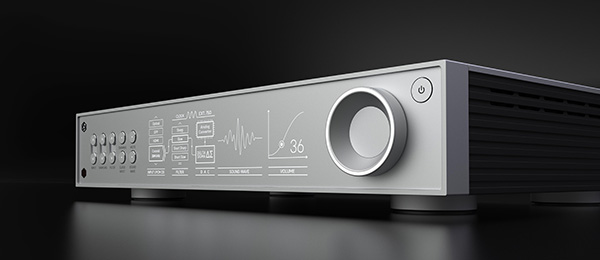 Easily the most visually striking aspect of the RD160 is the "hidden" AMOLED display, which takes up the whole front panel. On the left side of the front panel are 10 buttons: the first six are three pairs for selecting Input, Filter, and Sampling. The four on the right work individually to select the Display Mode, Display Dimming, Clock Input (BNC 75 ohm or SMA 50 ohm), and Mute. Everything the 10 left-side buttons select is displayed clearly and intelligibly. The display operates in three modes: Full Data, which shows everything at once, including the volume level; Dynamic Flowchart, which provides a visual representation of what happens as the music signal flows through the RD160; and my favorite, Soundwave Visualization: a mesmerizing soundwave graphic that responds to the music being played. A short turn of the control knob changes the Full Data display to the dancing waveforms display. The elegantly rim-lighted Volume Control occupies the right side of the front panel; apart from controlling volume, it tells users that the power is on and the DAC is ready. You can set six different brightness levels. This is the smartest front panel I've encountered.
Users can access the RD160's settings menu via a stainless steel remote. You can, for example, select a fixed output level from 1V to 4V (via the balanced outputs). I kept it on Variable—volume control still active—so that I could fine-tune the system gain when using the HoloAudio Serene line-level preamp and so I could drive power amps directly, something I hadn't tried since I traded my dCS Bartók for the Lina stack.
Easily the most visually striking aspect of the RD160 is the "hidden" AMOLED display, which takes up the whole front panel. On the left side of the front panel are 10 buttons: the first six are three pairs for selecting Input, Filter, and Sampling. The four on the right work individually to select the Display Mode, Display Dimming, Clock Input (BNC 75 ohm or SMA 50 ohm), and Mute. Everything the 10 left-side buttons select is displayed clearly and intelligibly. The display operates in three modes: Full Data, which shows everything at once, including the volume level; Dynamic Flowchart, which provides a visual representation of what happens as the music signal flows through the RD160; and my favorite, Soundwave Visualization: a mesmerizing soundwave graphic that responds to the music being played. A short turn of the control knob changes the Full Data display to the dancing waveforms display. The elegantly rim-lighted Volume Control occupies the right side of the front panel; apart from controlling volume, it tells users that the power is on and the DAC is ready. You can set six different brightness levels. This is the smartest front panel I've encountered.
Users can access the RD160's settings menu via a stainless steel remote. You can, for example, select a fixed output level from 1V to 4V (via the balanced outputs). I kept it on Variable—volume control still active—so that I could fine-tune the system gain when using the HoloAudio Serene line-level preamp and so I could drive power amps directly, something I hadn't tried since I traded my dCS Bartók for the Lina stack.
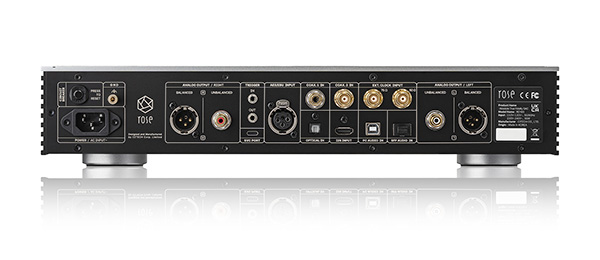 Besides an IEC socket, what Rose calls the "Rear Side of the Product" features RCA and XLR outputs and seven digital inputs starting with that SFP fiber USB connection, which, HiFi Rose says, offers "complete digital isolation from the source" when used with HiFi Rose streamers. (You can use it with other products by putting in an electrical-to-SFP USB converter.) Next up is USB Type-B 2.0; both USB inputs support audio data up to 32/768 and DSD512, although the SFP connection utilizes the USB 3.0 protocol while the electrical USB utilizes USB 2.0. The other inputs are I2S over HDMI; S/PDIF on RCA, BNC, and TosLink (optical); and AES3.
Notably missing on that list is Wi-Fi and an Ethernet connection. The RD160 is not a streaming DAC. It is intended as a purist DAC, HiFi Rose's flagship. For those seeking streaming, its intended companion is the HiFi Rose RS130 digital-only streamer.
Setup
Besides an IEC socket, what Rose calls the "Rear Side of the Product" features RCA and XLR outputs and seven digital inputs starting with that SFP fiber USB connection, which, HiFi Rose says, offers "complete digital isolation from the source" when used with HiFi Rose streamers. (You can use it with other products by putting in an electrical-to-SFP USB converter.) Next up is USB Type-B 2.0; both USB inputs support audio data up to 32/768 and DSD512, although the SFP connection utilizes the USB 3.0 protocol while the electrical USB utilizes USB 2.0. The other inputs are I2S over HDMI; S/PDIF on RCA, BNC, and TosLink (optical); and AES3.
Notably missing on that list is Wi-Fi and an Ethernet connection. The RD160 is not a streaming DAC. It is intended as a purist DAC, HiFi Rose's flagship. For those seeking streaming, its intended companion is the HiFi Rose RS130 digital-only streamer.
Setup
The button-controlled menu on HiFi Rose's RD160 DAC is as close to plug'n'play as any DAC menu could be. Every day I applauded its intelligent, futz-free operation. Likewise, every day I applauded the layout of data on the large, attractive, properly dimmed, dual-MOLED display. Essential information was easy to see and understand, which led me to experiment more than I thought I would.
 Once I became aware that the RD160 was a delta-sigma chip DAC—see my introduction—I decided my first goal should be to dig through the menu choices and find a filter and a sampling combination that played CDs and Qobuz with a little sparkle and beauty. I imagined the kind of sound I'd need to like a DAC with delta-sigma processing and went looking for it. I found it.
I prefer not to oversample my CDs. I have no desire to make them sound different or better than what they are. I want the rawest, cleanest rendition of whatever's in those pits. So at first I chose Bypass on the Rose's Upsampling setting, knowing that if I ever needed a little upsampling zip, it was there with a push of a button on the Rose remote control.
Next came the choice of filters. I wanted Qobuz over USB to sound crisp and clean and a little sparkly. Super Slow was soft and unsparkly. I settled on Low Short. Like sampling, filters can be changed on the fly using the remote.
Once setup was done, that was me you saw, pushing buttons trying everything on the menu.
Once I became aware that the RD160 was a delta-sigma chip DAC—see my introduction—I decided my first goal should be to dig through the menu choices and find a filter and a sampling combination that played CDs and Qobuz with a little sparkle and beauty. I imagined the kind of sound I'd need to like a DAC with delta-sigma processing and went looking for it. I found it.
I prefer not to oversample my CDs. I have no desire to make them sound different or better than what they are. I want the rawest, cleanest rendition of whatever's in those pits. So at first I chose Bypass on the Rose's Upsampling setting, knowing that if I ever needed a little upsampling zip, it was there with a push of a button on the Rose remote control.
Next came the choice of filters. I wanted Qobuz over USB to sound crisp and clean and a little sparkly. Super Slow was soft and unsparkly. I settled on Low Short. Like sampling, filters can be changed on the fly using the remote.
Once setup was done, that was me you saw, pushing buttons trying everything on the menu.
 Listening
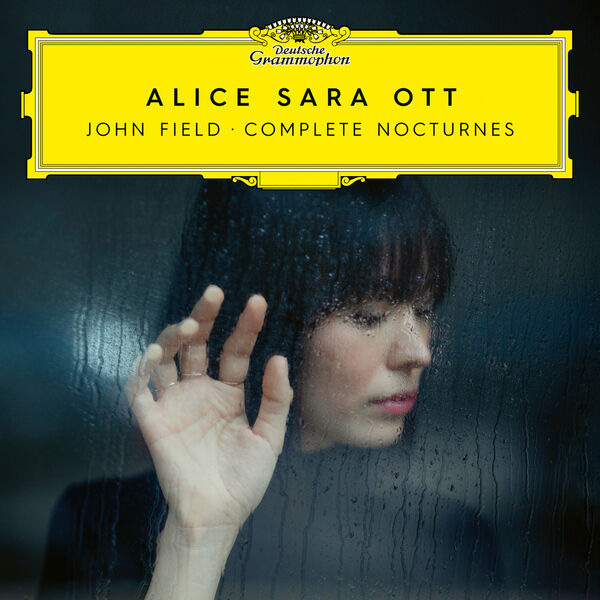
The recording that put the gold star on the Low Short filter choice was John Field: Complete Nocturnes performed by Alice Sara Ott in 2024 (24/192 FLAC Deutsche Grammophon/Qobuz). Since I discovered it, this album has fueled my quietest, dreamiest late-night moments. Several of these nocturnes expressed the weight of darkness, which, as the winter solstice approached, I could feel too. Other compositions highlighted the sensuality of tone. The more I studied these previously unrecorded John Field compositions, all composed after 1812, when Field was mostly based in Russia, the more I understood how the Enlightenment era morphed into the Romantic period, with steam trains, newspapers, and the industrial revolution. At the settings I had chosen, this tastefully miked 2025 DG recording came out of my Mac mini, through an AudioQuest Cinnamon USB wire, into the RD160, on to the HoloAudio Serene preamp, then on to my First Watt SIT-4, powering the Falcon "Gold Badge" LS3/5a's. The sound of Ott's piano was beguilingly pure, with a well-managed attack and decay. The presence and luminosity of this recording's tones seem enhanced by tastefully applied plugins during mastering. Equally apparent was how the Rose's USB input circuit was scrubbing the grunge off my Mac mini's USB output; I love when that happens. With the RD160, sensing the mood of each nocturne while feeling Ott's fingers touching keys was a high-level pleasure.
 The CBGB effect
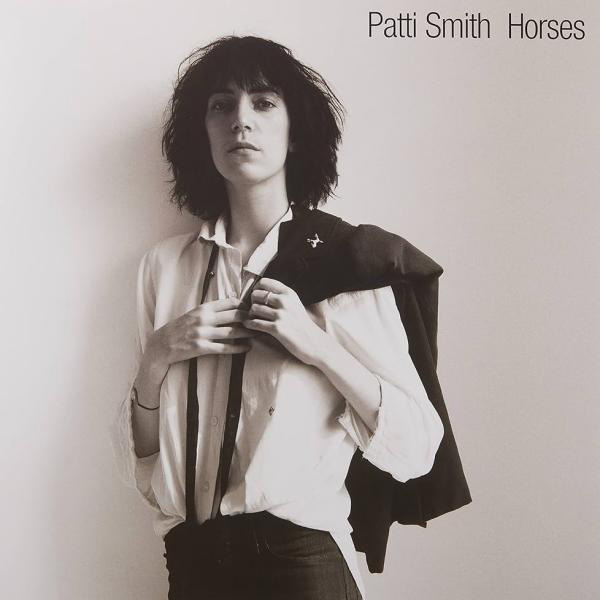
I came to New York from Chicago in 1975, and I came of age at CBGB. Seeing the Ramones, Talking Heads, Blondie, and Patti Smith had an immeasurable effect on how I constructed my all-black downtown artistic persona. New York in the late '70s was a hot cauldron of cool creativity. It seemed like everyone below 14th Street was a poet, musician, or cabaret artist. It was the time of my life: The Bohemian lifestyle was its own reward. I realized that I was in the right place at the right time in history. I remember buying my copy of Patti Smith's first album Horses at a record store in SoHo, taking it straight home, and putting it on my Technics 1200. That was 50 years ago. I've seen Patti perform "Gloria," "Free Money," and "Redondo Beach" more times than I can remember, but watching her this year, on her 50th Anniversary Horses tour, made me proud of what she and her band have accomplished. But when I streamed the expanded 50th Anniversary Edition of Horses on Qobuz (24/96 FLAC, Arista Legacy/Qobuz), I was not proud of the sound I heard. Every song felt detached and disembodied. As my friend Steve Guttenberg always says, "There was no there there." There was plenty of high-definition, edgy pop music, but the gritty downtown poetry was lost in conversion. Even delta-sigma oversampling couldn't recover the feral dogs, rat-infused garbage, and burnt-out cars.
 Plucked her eyebrows then he was a she
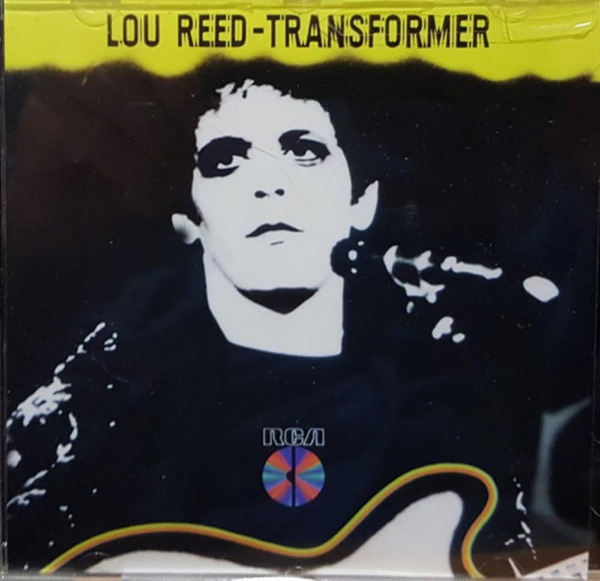
Before there was Patti, there was Lou. He had already set me on the artist path I was following. Cruising for Lou on Qobuz during my RD160 auditions, I encountered the 24/96 remastering of Reed's fantastic 1972 studio album Transformer (24/96 FLAC RCA Legacy/Qobuz). Transformer was the album that convinced me to come to New York. I was prepared to dislike yet another remastering that lost the plot of the original, but this one was different. I enjoyed it. I thought it might be a few digital notches more fun than the original, great-sounding LP. In the remix, bass is raised in level (compared to the LP) and drastically tightened. Lou's voice is more isolated, more direct into the mike, and better articulated. Compared to the original LP, this recording's channels were more clearly separated and identifiable. In my room, with the HiFi Rose RD160, it was jolting to again recognize how bold and provocative "Walk on the Wild Side" was and still is. It puts Lou on that rock'n'roll mountain, right next to Fats, Buddy, and Chuck. The HiFi Rose, Qobuz, and this remastering led me to enjoy Lou's edginess more than ever. A note about streaming. With Qobuz, as with the other streaming services, you never know exactly what you're listening to. I prefer silver discs for that reason: because their provenance is right there on their labels. When I put a CD in my TEAC 701T transport, I know what I'm listening to, where it came from, and how it sounded the previous 20 times I played it.
Like Smith's 50th Anniversary Horses remaster, this streaming Transformer, obviously remastered, is a hot mess of digital tinkering. Fortunately, it was done by someone who appreciated what Lou was putting across musically and poetically and did their best to preserve that (footnote 2).
Looking for a definite there there, I pulled out a trusty Alan Lomax field recording, a Rounder CD (1707) entitled Ozark Frontier – Ballads and old-timey music from Arkansas. This disc is one of 13 from Lomax's Southern Journey series that made pioneering use of stereo recording in the field.
Country people singing regional folk songs a cappella into a stereo microphone is about as raw and direct as audio recording gets.
 These Lomax recordings were made on porches, in backyards, and in people's living rooms. When my stereo is good enough, details and spatial clues about those down-home environs will be projected between my speakers. With the RD160 driving the Parasound A21+, the four tracks of Neil Morris talking and singing (and coughing) sounded more starkly real and three-dimensional than they have with my other DACs. With the RD160, performers seemed closer to the mike and hence more noticeably physical.
Channel separation was the chief thing that stood out. It was unsubtly better than it is with the HoloAudio Spring3 KTE, my reference. The tone and texture of vocals felt more natural through the Spring3, but the detail and dimensionality presented by the RD160 made a good case for un-upsampled delta-sigma conversion.
Almeda Riddle singing "Lonesome Dove" was piercing, haunting, and unforgettable, mainly because with the HiFi Rose DAC, her presence was so stark and corporeal. The Spring3 shed a warmer, softer, more flattering light on her performance. The experience was less memorable than it was through the RD160.
Upsampling
These Lomax recordings were made on porches, in backyards, and in people's living rooms. When my stereo is good enough, details and spatial clues about those down-home environs will be projected between my speakers. With the RD160 driving the Parasound A21+, the four tracks of Neil Morris talking and singing (and coughing) sounded more starkly real and three-dimensional than they have with my other DACs. With the RD160, performers seemed closer to the mike and hence more noticeably physical.
Channel separation was the chief thing that stood out. It was unsubtly better than it is with the HoloAudio Spring3 KTE, my reference. The tone and texture of vocals felt more natural through the Spring3, but the detail and dimensionality presented by the RD160 made a good case for un-upsampled delta-sigma conversion.
Almeda Riddle singing "Lonesome Dove" was piercing, haunting, and unforgettable, mainly because with the HiFi Rose DAC, her presence was so stark and corporeal. The Spring3 shed a warmer, softer, more flattering light on her performance. The experience was less memorable than it was through the RD160.
Upsampling
Eventually I used that remote control to change the Upsampling setting. First I tried upsampling to DSD, which dulled and darkened Neil Morris, taking the vim out of his stories. Then I tried upsampling to 705.6kHz PCM, which had the opposite effect: It made these recordings sound bolder and more forward. Neil Morris, accompanied by Charlie Everidge on mouth bow, was not more stark and raw, as I imagined more samples might make it. Instead, the RD160 DAC was now putting a new sort of energy behind the sound. Every artist I played sound more immediate, but this new energy sounded harder, inclining singers' high notes to occasionally glare and flare. Charlie Everidge's stick-and-string mouth bow sounded metallic and mechanical, like a kazoo or drum machine. When I turned off oversampling, the mouth bow sounded much more like what it is, what it was made of. The reverb sounded analog and unstressed. To me, oversampling never makes anything sound more natural or life-like. It just makes it sound more high-rez. The reality I experience as I wander about never looks or sounds like that: edgy or hyperdetailed. It never looks or sounds like high-rez audio sounds. In fact, in real life, the edges of objects and sounds are not something I notice. I presume they are there, but my quotidian mind focuses on size, mass, and volume. I see a man's belly, not the edges of his shirt. As I move in the world, I never scrutinize textures and details as I do when I'm reviewing component audio.
Direct drive
I was curious to see how much my Serene preamp was fogging the RD160's output, so I replaced it and its interconnects with a length of AudioQuest Mackenzie XLR wire, going directly from the HiFi Rose DAC into the uber-transparent LAiV GaNM monoblocks. (Read about my audition in this month's Gramophone Dreams.)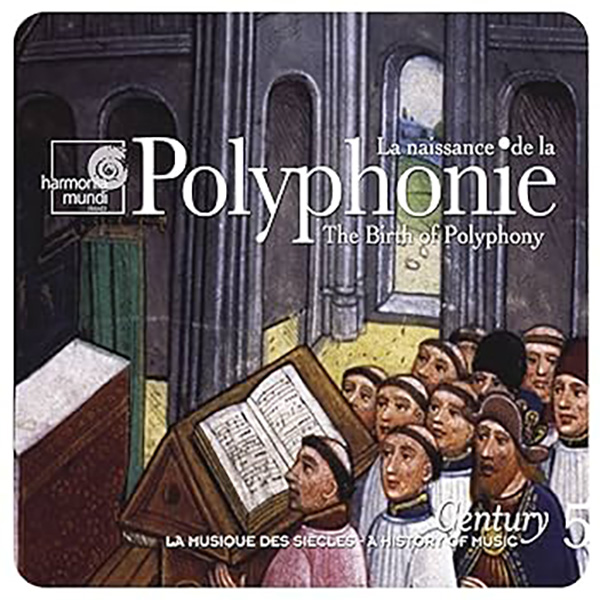 Playing La naissance de la Polyphonie – The Birth of Polyphony (Harmonia Mundi CD HMX 2908167), the first thing I noticed was an obvious improvement in channel separation, which by its nature increased resolution and image focus. That, in turn, enhanced dimensionality. I was now able to identify individual voices in groups of singers, with clearly described heads and moving mouths. These surprisingly descriptive images were encased by an uncanny transparency.
In contrast, when I connected the RD160 directly to the class-AB Parasound Halo A21+, the voices of these singers relaxed into a real reverberant atmosphere in a real stone chapel. The singers' heads were less outlined and distinct, but with the Parasound, the impression of a choir singing in a chapel was much stronger. What I heard with the RD160 direct-driving the A21+ was a beautiful, relaxing wholeness.
Playing Polyphony with the RD160 driving the A21+ was a memorable, beautiful experience. Serene and enchanting. These components made each other better.
vs the HoloAudio Spring3 KTE
Playing La naissance de la Polyphonie – The Birth of Polyphony (Harmonia Mundi CD HMX 2908167), the first thing I noticed was an obvious improvement in channel separation, which by its nature increased resolution and image focus. That, in turn, enhanced dimensionality. I was now able to identify individual voices in groups of singers, with clearly described heads and moving mouths. These surprisingly descriptive images were encased by an uncanny transparency.
In contrast, when I connected the RD160 directly to the class-AB Parasound Halo A21+, the voices of these singers relaxed into a real reverberant atmosphere in a real stone chapel. The singers' heads were less outlined and distinct, but with the Parasound, the impression of a choir singing in a chapel was much stronger. What I heard with the RD160 direct-driving the A21+ was a beautiful, relaxing wholeness.
Playing Polyphony with the RD160 driving the A21+ was a memorable, beautiful experience. Serene and enchanting. These components made each other better.
vs the HoloAudio Spring3 KTE
The HoloAudio Spring3 KTE DAC plays recordings completely differently than the dCS Lina. These two DACs have radically different personalities. A consumer who likes one a lot may not like the other at all. Which one does the HiFi Rose RD160 DAC most closely resemble? Neither. It added a third, radically different personality to the mix.
By "personality," I mean: demeanor, sonic agency, temperament.
The Spring3 KTE sounds superalive, colorful, and expressive. It specializes in drinking, dancing, and lovemaking. It rejects comparisons by being irresistibly seductive.
The dCS Lina is a big-brain DAC that refuses to be outdone in comparisons. It has Leica-level focus, shows off rhythms and tempos, and always sounds relaxed and naturally detailed. When used with my TEAC VRDS 701T CD transport or streaming via its own Mosaic app, it is my definition of the highest-quality digital available at a not-unreasonable price.
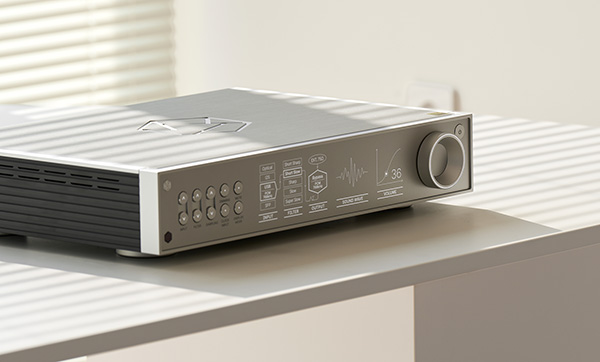 HiFi Rose's RD160 DAC is a whole other type of beast. Without upsampling, which is how I liked it best, it announces, "This is what the bits proclaim!"
Maybe it's right. Maybe this is what bits sound like. Maybe this is digital truth. But even if it isn't, in my system the RD160 produced an exciting, punchy, hypertransparent sound. It rejected comparisons because its thrill factor was off the charts.
Let this serve as a reminder to audiophiles to choose their DAC companions thoughtfully, to suit their temperaments and romantic predilections
HiFi Rose's RD160 DAC is a whole other type of beast. Without upsampling, which is how I liked it best, it announces, "This is what the bits proclaim!"
Maybe it's right. Maybe this is what bits sound like. Maybe this is digital truth. But even if it isn't, in my system the RD160 produced an exciting, punchy, hypertransparent sound. It rejected comparisons because its thrill factor was off the charts.
Let this serve as a reminder to audiophiles to choose their DAC companions thoughtfully, to suit their temperaments and romantic predilections
Footnote 1: See akm.com/us/en/products/audio/audio-dac/ak4499exeq/. Footnote 2: I researched this and have concluded—tentatively—that the version streaming on Qobuz is the 1998 Lacey remaster. The limited selection of important releases and the metadata mess on the streaming services is a big deal. See my sidebar on p.167 of this issue.—Jim Austin
HiFi Rose's RD160 ($5995) is a D/A converter built around a pair of Asahi Kasei (AKM) chips: the AK4191EQ delta-sigma modulator and the AK4499EXEQ DAC. The AK4191 receives digital audio and applies filters, noise shaping, and oversampling. The AK4499EXEQ, a cording to the Asahi Kasei website, "is a stereo premium DAC chip based on the Switched Resistor DAC method employing VELVET-SOUND technology. When used in conjunction with the AK4191EQ the AK4499EXEQ is the suitable analog conversion solution for playback of high-resolution sound sources." I love that line! (footnote 1)
Speaking of the output stage, the RD160 uses custom-tuned MUSES 8920A JFET–input dual operational amplifiers. The output stage also employs something HiFi Rose calls a "Rose NRA filter," for "Noise Reduction Analog." If I understand it, the Rose NRA filter filters noise while also correcting for any rolloff at the frequency extremes, ensuring that bass will be fully impactful and that there will be no loss of air due to reconstruction-filter rolloff.
The RD160 offers four types of digital conversion, all of which the manual calls "Upsampling." The four choices are Upsampling, which upsamples the data to 705.6kHz (for the 44.1kHz family of sampling frequencies) or 768kHz (for 48kHz), PCM (which keeps PCM PCM but converts DSD to PCM), DSD (which converts PCM to DSD64), and Bypass, which keeps the incoming digital signal unaltered.
Easily the most visually striking aspect of the RD160 is the "hidden" AMOLED display, which takes up the whole front panel. On the left side of the front panel are 10 buttons: the first six are three pairs for selecting Input, Filter, and Sampling. The four on the right work individually to select the Display Mode, Display Dimming, Clock Input (BNC 75 ohm or SMA 50 ohm), and Mute. Everything the 10 left-side buttons select is displayed clearly and intelligibly. The display operates in three modes: Full Data, which shows everything at once, including the volume level; Dynamic Flowchart, which provides a visual representation of what happens as the music signal flows through the RD160; and my favorite, Soundwave Visualization: a mesmerizing soundwave graphic that responds to the music being played. A short turn of the control knob changes the Full Data display to the dancing waveforms display. The elegantly rim-lighted Volume Control occupies the right side of the front panel; apart from controlling volume, it tells users that the power is on and the DAC is ready. You can set six different brightness levels. This is the smartest front panel I've encountered.
Users can access the RD160's settings menu via a stainless steel remote. You can, for example, select a fixed output level from 1V to 4V (via the balanced outputs). I kept it on Variable—volume control still active—so that I could fine-tune the system gain when using the HoloAudio Serene line-level preamp and so I could drive power amps directly, something I hadn't tried since I traded my dCS Bartók for the Lina stack.
Besides an IEC socket, what Rose calls the "Rear Side of the Product" features RCA and XLR outputs and seven digital inputs starting with that SFP fiber USB connection, which, HiFi Rose says, offers "complete digital isolation from the source" when used with HiFi Rose streamers. (You can use it with other products by putting in an electrical-to-SFP USB converter.) Next up is USB Type-B 2.0; both USB inputs support audio data up to 32/768 and DSD512, although the SFP connection utilizes the USB 3.0 protocol while the electrical USB utilizes USB 2.0. The other inputs are I2S over HDMI; S/PDIF on RCA, BNC, and TosLink (optical); and AES3.
Notably missing on that list is Wi-Fi and an Ethernet connection. The RD160 is not a streaming DAC. It is intended as a purist DAC, HiFi Rose's flagship. For those seeking streaming, its intended companion is the HiFi Rose RS130 digital-only streamer.
SetupThe button-controlled menu on HiFi Rose's RD160 DAC is as close to plug'n'play as any DAC menu could be. Every day I applauded its intelligent, futz-free operation. Likewise, every day I applauded the layout of data on the large, attractive, properly dimmed, dual-MOLED display. Essential information was easy to see and understand, which led me to experiment more than I thought I would.
Once I became aware that the RD160 was a delta-sigma chip DAC—see my introduction—I decided my first goal should be to dig through the menu choices and find a filter and a sampling combination that played CDs and Qobuz with a little sparkle and beauty. I imagined the kind of sound I'd need to like a DAC with delta-sigma processing and went looking for it. I found it.
I prefer not to oversample my CDs. I have no desire to make them sound different or better than what they are. I want the rawest, cleanest rendition of whatever's in those pits. So at first I chose Bypass on the Rose's Upsampling setting, knowing that if I ever needed a little upsampling zip, it was there with a push of a button on the Rose remote control.
Next came the choice of filters. I wanted Qobuz over USB to sound crisp and clean and a little sparkly. Super Slow was soft and unsparkly. I settled on Low Short. Like sampling, filters can be changed on the fly using the remote.
ListeningThe recording that put the gold star on the Low Short filter choice was John Field: Complete Nocturnes performed by Alice Sara Ott in 2024 (24/192 FLAC Deutsche Grammophon/Qobuz). Since I discovered it, this album has fueled my quietest, dreamiest late-night moments. Several of these nocturnes expressed the weight of darkness, which, as the winter solstice approached, I could feel too. Other compositions highlighted the sensuality of tone. The more I studied these previously unrecorded John Field compositions, all composed after 1812, when Field was mostly based in Russia, the more I understood how the Enlightenment era morphed into the Romantic period, with steam trains, newspapers, and the industrial revolution. At the settings I had chosen, this tastefully miked 2025 DG recording came out of my Mac mini, through an AudioQuest Cinnamon USB wire, into the RD160, on to the HoloAudio Serene preamp, then on to my First Watt SIT-4, powering the Falcon "Gold Badge" LS3/5a's. The sound of Ott's piano was beguilingly pure, with a well-managed attack and decay. The presence and luminosity of this recording's tones seem enhanced by tastefully applied plugins during mastering. Equally apparent was how the Rose's USB input circuit was scrubbing the grunge off my Mac mini's USB output; I love when that happens. With the RD160, sensing the mood of each nocturne while feeling Ott's fingers touching keys was a high-level pleasure.
The CBGB effectI came to New York from Chicago in 1975, and I came of age at CBGB. Seeing the Ramones, Talking Heads, Blondie, and Patti Smith had an immeasurable effect on how I constructed my all-black downtown artistic persona. New York in the late '70s was a hot cauldron of cool creativity. It seemed like everyone below 14th Street was a poet, musician, or cabaret artist. It was the time of my life: The Bohemian lifestyle was its own reward. I realized that I was in the right place at the right time in history. I remember buying my copy of Patti Smith's first album Horses at a record store in SoHo, taking it straight home, and putting it on my Technics 1200. That was 50 years ago. I've seen Patti perform "Gloria," "Free Money," and "Redondo Beach" more times than I can remember, but watching her this year, on her 50th Anniversary Horses tour, made me proud of what she and her band have accomplished. But when I streamed the expanded 50th Anniversary Edition of Horses on Qobuz (24/96 FLAC, Arista Legacy/Qobuz), I was not proud of the sound I heard. Every song felt detached and disembodied. As my friend Steve Guttenberg always says, "There was no there there." There was plenty of high-definition, edgy pop music, but the gritty downtown poetry was lost in conversion. Even delta-sigma oversampling couldn't recover the feral dogs, rat-infused garbage, and burnt-out cars.
Plucked her eyebrows then he was a sheBefore there was Patti, there was Lou. He had already set me on the artist path I was following. Cruising for Lou on Qobuz during my RD160 auditions, I encountered the 24/96 remastering of Reed's fantastic 1972 studio album Transformer (24/96 FLAC RCA Legacy/Qobuz). Transformer was the album that convinced me to come to New York. I was prepared to dislike yet another remastering that lost the plot of the original, but this one was different. I enjoyed it. I thought it might be a few digital notches more fun than the original, great-sounding LP. In the remix, bass is raised in level (compared to the LP) and drastically tightened. Lou's voice is more isolated, more direct into the mike, and better articulated. Compared to the original LP, this recording's channels were more clearly separated and identifiable. In my room, with the HiFi Rose RD160, it was jolting to again recognize how bold and provocative "Walk on the Wild Side" was and still is. It puts Lou on that rock'n'roll mountain, right next to Fats, Buddy, and Chuck. The HiFi Rose, Qobuz, and this remastering led me to enjoy Lou's edginess more than ever. A note about streaming. With Qobuz, as with the other streaming services, you never know exactly what you're listening to. I prefer silver discs for that reason: because their provenance is right there on their labels. When I put a CD in my TEAC 701T transport, I know what I'm listening to, where it came from, and how it sounded the previous 20 times I played it.
These Lomax recordings were made on porches, in backyards, and in people's living rooms. When my stereo is good enough, details and spatial clues about those down-home environs will be projected between my speakers. With the RD160 driving the Parasound A21+, the four tracks of Neil Morris talking and singing (and coughing) sounded more starkly real and three-dimensional than they have with my other DACs. With the RD160, performers seemed closer to the mike and hence more noticeably physical.
Channel separation was the chief thing that stood out. It was unsubtly better than it is with the HoloAudio Spring3 KTE, my reference. The tone and texture of vocals felt more natural through the Spring3, but the detail and dimensionality presented by the RD160 made a good case for un-upsampled delta-sigma conversion.
Almeda Riddle singing "Lonesome Dove" was piercing, haunting, and unforgettable, mainly because with the HiFi Rose DAC, her presence was so stark and corporeal. The Spring3 shed a warmer, softer, more flattering light on her performance. The experience was less memorable than it was through the RD160.
Eventually I used that remote control to change the Upsampling setting. First I tried upsampling to DSD, which dulled and darkened Neil Morris, taking the vim out of his stories. Then I tried upsampling to 705.6kHz PCM, which had the opposite effect: It made these recordings sound bolder and more forward. Neil Morris, accompanied by Charlie Everidge on mouth bow, was not more stark and raw, as I imagined more samples might make it. Instead, the RD160 DAC was now putting a new sort of energy behind the sound. Every artist I played sound more immediate, but this new energy sounded harder, inclining singers' high notes to occasionally glare and flare. Charlie Everidge's stick-and-string mouth bow sounded metallic and mechanical, like a kazoo or drum machine. When I turned off oversampling, the mouth bow sounded much more like what it is, what it was made of. The reverb sounded analog and unstressed. To me, oversampling never makes anything sound more natural or life-like. It just makes it sound more high-rez. The reality I experience as I wander about never looks or sounds like that: edgy or hyperdetailed. It never looks or sounds like high-rez audio sounds. In fact, in real life, the edges of objects and sounds are not something I notice. I presume they are there, but my quotidian mind focuses on size, mass, and volume. I see a man's belly, not the edges of his shirt. As I move in the world, I never scrutinize textures and details as I do when I'm reviewing component audio.
I was curious to see how much my Serene preamp was fogging the RD160's output, so I replaced it and its interconnects with a length of AudioQuest Mackenzie XLR wire, going directly from the HiFi Rose DAC into the uber-transparent LAiV GaNM monoblocks. (Read about my audition in this month's Gramophone Dreams.)
Playing La naissance de la Polyphonie – The Birth of Polyphony (Harmonia Mundi CD HMX 2908167), the first thing I noticed was an obvious improvement in channel separation, which by its nature increased resolution and image focus. That, in turn, enhanced dimensionality. I was now able to identify individual voices in groups of singers, with clearly described heads and moving mouths. These surprisingly descriptive images were encased by an uncanny transparency.
In contrast, when I connected the RD160 directly to the class-AB Parasound Halo A21+, the voices of these singers relaxed into a real reverberant atmosphere in a real stone chapel. The singers' heads were less outlined and distinct, but with the Parasound, the impression of a choir singing in a chapel was much stronger. What I heard with the RD160 direct-driving the A21+ was a beautiful, relaxing wholeness.
The HoloAudio Spring3 KTE DAC plays recordings completely differently than the dCS Lina. These two DACs have radically different personalities. A consumer who likes one a lot may not like the other at all. Which one does the HiFi Rose RD160 DAC most closely resemble? Neither. It added a third, radically different personality to the mix.
HiFi Rose's RD160 DAC is a whole other type of beast. Without upsampling, which is how I liked it best, it announces, "This is what the bits proclaim!"
Footnote 1: See akm.com/us/en/products/audio/audio-dac/ak4499exeq/. Footnote 2: I researched this and have concluded—tentatively—that the version streaming on Qobuz is the 1998 Lacey remaster. The limited selection of important releases and the metadata mess on the streaming services is a big deal. See my sidebar on p.167 of this issue.—Jim Austin















