Dynaudio Excite X14 loudspeaker
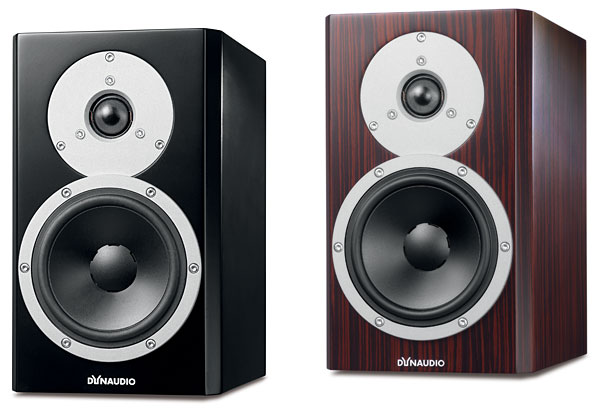
In the March 2010 issue I reviewed Dynaudio's Excite X12 bookshelf speaker ($1200/pair), then the least expensive speaker in Dynaudio's line. It mightily impressed me, and I wrote that it had "become my new benchmark for speakers costing under $2000/pair." Despite the many newer, competing bookshelf speakers costing somewhere between $1000 and $2000/pair that have visited my listening room since then, my enthusiasm for the Excite X12 has not wanedI've used it as a reference against which to compare all of those of those models. So when Dynaudio USA's Michael Manousselis contacted Stereophile to tell us that the entire Excite line had been redesigned, and offered review samples of the Excite X12's successor, the Excite X14 ($1500/pair), I jumped at the opportunity.
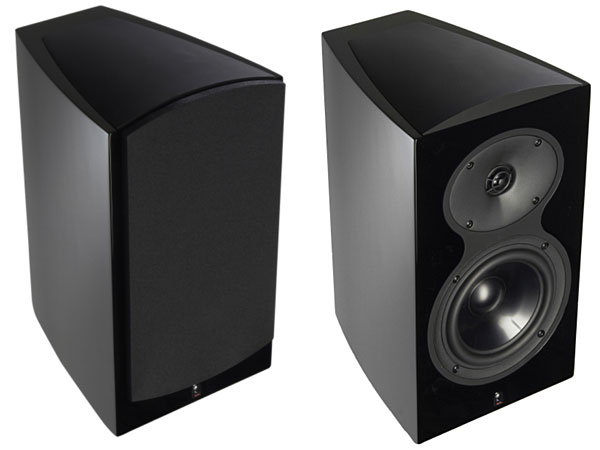
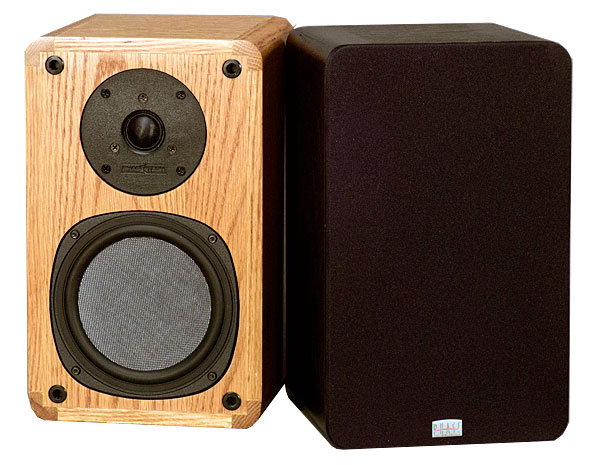
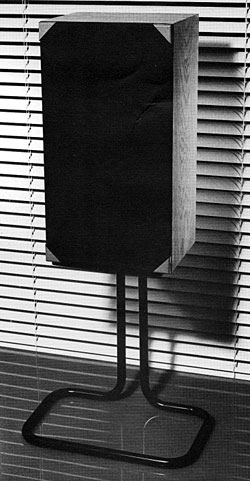 The Gale loudspeaker dates back to the early 1970s. As I understand it, the basic design resulted from a collaboration of Ira Gale and Sao Win, who were college classmates at the time. Their speaker proved very popular in England and was subsequently imported to the USA during the mid-1970s by Audio Technica. Recently, Techport (the folks who import the Perreaux line) has taken over US distribution.
While the Gales have undergone same changes through the years, their distinctive appearance and, according to some, their equally distinctive sonic "flavor," have continued to earn the respect of critical listeners all over the world. Nonetheless, these speakers have also sustained their fair share of criticism; not everybody likes them. This sort of continuing disagreement usually means that what is at issue is a "different" kind of sounda product that sounds quite unlike others, yet somehow offers a high enough degree of musical satisfaction to appeal to a lot of serious audiophiles. Of such products are cults made.
The Gale loudspeaker dates back to the early 1970s. As I understand it, the basic design resulted from a collaboration of Ira Gale and Sao Win, who were college classmates at the time. Their speaker proved very popular in England and was subsequently imported to the USA during the mid-1970s by Audio Technica. Recently, Techport (the folks who import the Perreaux line) has taken over US distribution.
While the Gales have undergone same changes through the years, their distinctive appearance and, according to some, their equally distinctive sonic "flavor," have continued to earn the respect of critical listeners all over the world. Nonetheless, these speakers have also sustained their fair share of criticism; not everybody likes them. This sort of continuing disagreement usually means that what is at issue is a "different" kind of sounda product that sounds quite unlike others, yet somehow offers a high enough degree of musical satisfaction to appeal to a lot of serious audiophiles. Of such products are cults made.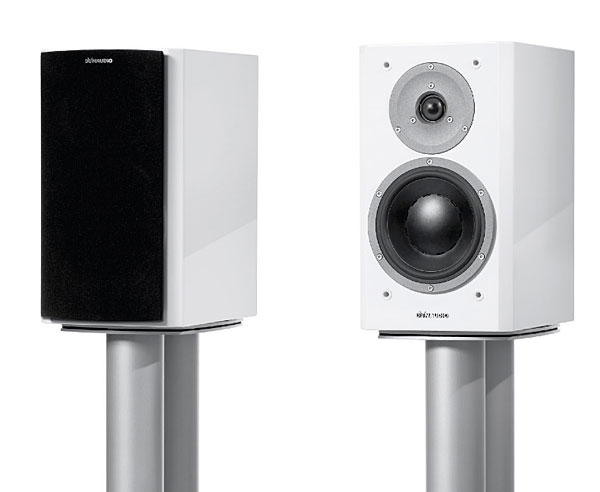
 "Why does John Atkinson devote so much of his time to loudspeakers selling for under a [sic] $1000?" wrote a correspondent to The Audiophile Network bulletin board in August, there being a clear implication in this question that "more expensive" always equates with "better" when it comes to loudspeakers. While it is true that the best-sounding, most neutral loudspeakers possessing the most extended low-frequency responses are always expensive, in my experience this most definitely does not mean that there is an automatic correlation between price and performance. I have heard many, many expensive loudspeakers whose higher prices merely buy grosser sets of tonal aberrations. For those on modest budgets, provided they have good turntables or CD players, a good pair of under-$1000 loudspeakers, coupled with good amplification, will always give a more musical sound than twice-the-price speakers driven by indifferent amplification and a compromised front end.
End of discussion.
"Why does John Atkinson devote so much of his time to loudspeakers selling for under a [sic] $1000?" wrote a correspondent to The Audiophile Network bulletin board in August, there being a clear implication in this question that "more expensive" always equates with "better" when it comes to loudspeakers. While it is true that the best-sounding, most neutral loudspeakers possessing the most extended low-frequency responses are always expensive, in my experience this most definitely does not mean that there is an automatic correlation between price and performance. I have heard many, many expensive loudspeakers whose higher prices merely buy grosser sets of tonal aberrations. For those on modest budgets, provided they have good turntables or CD players, a good pair of under-$1000 loudspeakers, coupled with good amplification, will always give a more musical sound than twice-the-price speakers driven by indifferent amplification and a compromised front end.
End of discussion.